Home Decor for Well-being: 6 Updates for Your Sanctuary in 2026
In an increasingly fast-paced and demanding world, our homes have become more than just places to live; they are our sanctuaries, our retreats, and the foundation for our well-being. The concept of home decor well-being is rapidly gaining traction, with people consciously designing their spaces to foster peace, health, and happiness. As we look towards 2026, the emphasis on creating environments that actively support our mental, emotional, and physical health is paramount. This isn’t just about aesthetics; it’s about intentional living, where every design choice contributes to a harmonious and rejuvenating atmosphere.
The past few years have profoundly shifted our relationship with our living spaces. Many of us have spent more time at home than ever before, transforming our houses into offices, gyms, schools, and entertainment hubs. This intense usage has highlighted the critical need for spaces that are not only beautiful but also functional, calming, and health-promoting. The trends for 2026 reflect this evolution, focusing on elements that bring nature indoors, promote mindfulness, enhance air quality, and encourage rest and relaxation. Embracing home decor well-being means making deliberate choices that nourish your soul and body.
This comprehensive guide will explore six essential home decor updates for 2026 that will help you transform your home into a true sanctuary of well-being. From biophilic design principles to smart lighting solutions and decluttering strategies, we’ll delve into actionable insights that can elevate your living experience. These aren’t just fleeting trends; they are foundational shifts in how we approach our personal environments, designed to create lasting positive impacts on our daily lives. Prepare to redefine your home, not just as a structure, but as a dynamic partner in your journey towards optimal well-being.
1. Embracing Biophilic Design: Bringing Nature Indoors
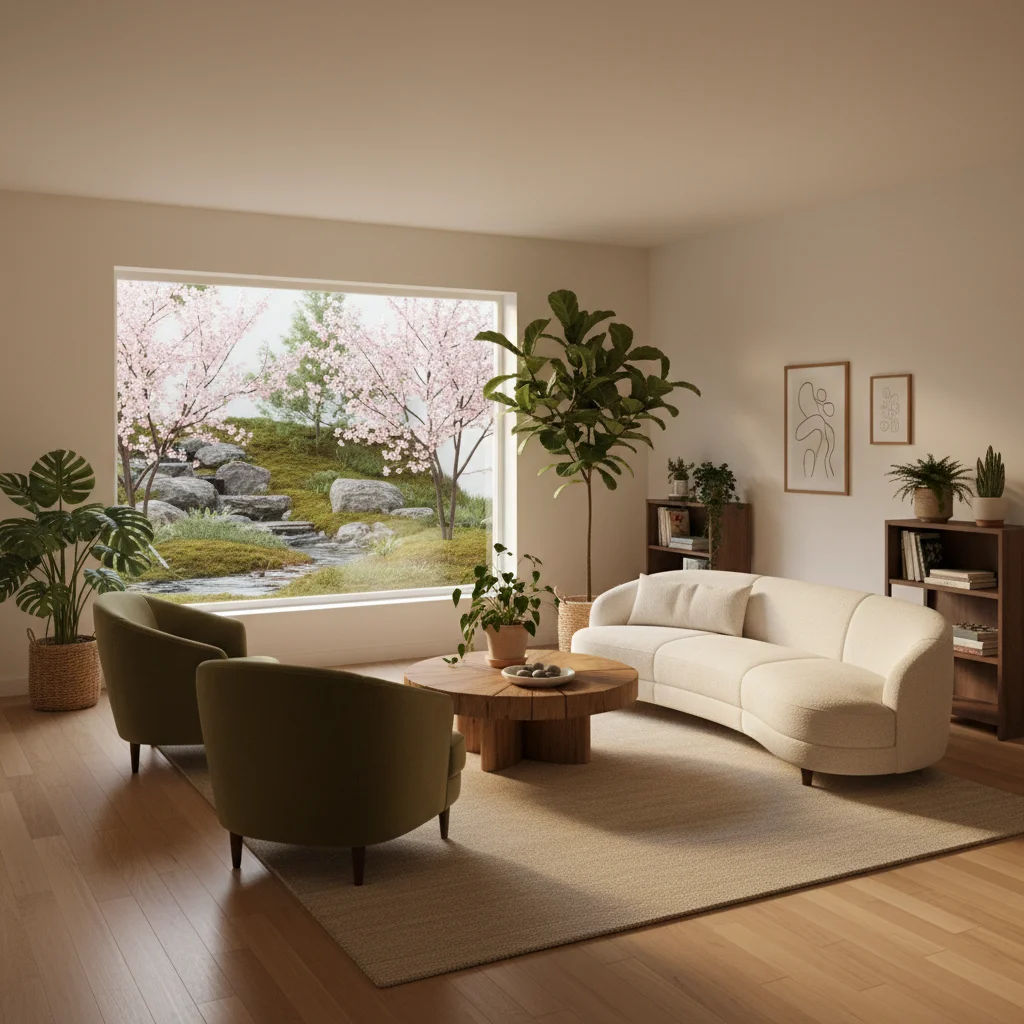
One of the most powerful and enduring trends in home decor well-being for 2026 is biophilic design. This approach centers on connecting occupants with nature, a concept proven to reduce stress, improve cognitive function, and enhance overall mood. Our innate connection to nature, often termed biophilia, means we thrive in environments that mimic natural settings. In 2026, this translates into more than just a few potted plants; it’s about integrating natural elements in a holistic and intentional way throughout your home.
The Power of Plants
Plants are the cornerstone of biophilic design. Beyond their aesthetic appeal, plants purify the air, increase humidity, and imbue a sense of calm. For 2026, consider a diverse range of indoor plants. Think large, statement plants like a Fiddle Leaf Fig or a Monstera Deliciosa to create focal points. Hanging plants such as Pothos or String of Pearls can add visual interest and soften corners. Don’t forget smaller, air-purifying plants like Snake Plants or ZZ Plants for bedrooms and offices. Grouping plants of different sizes and textures can create a mini indoor jungle, enhancing the natural feel. Vertical gardens or living walls are also gaining popularity, offering a stunning way to incorporate greenery, especially in smaller spaces. The act of caring for plants itself can be a meditative and grounding practice, further contributing to your well-being.
Natural Materials and Textures
Beyond living greenery, biophilic design emphasizes the use of natural materials. Wood, stone, bamboo, and rattan are excellent choices that bring the outdoors in. Opt for furniture made from reclaimed wood, or incorporate stone accents in tabletops or decorative elements. Textiles made from natural fibers like cotton, linen, wool, and jute add organic texture and warmth. These materials not only look beautiful but also often have a lower environmental impact and contribute to a healthier indoor air quality by off-gassing fewer volatile organic compounds (VOCs) compared to synthetic alternatives. The tactile experience of these materials can be incredibly soothing, grounding you in your space and fostering a sense of connection to the earth.
Natural Light and Views
Maximizing natural light is another crucial aspect of biophilic design and a key component of home decor well-being. Exposure to natural light regulates our circadian rhythm, improving sleep and boosting mood. In 2026, this means rethinking window treatments to allow for maximum daylight penetration, and strategically placing mirrors to amplify light in darker areas. If possible, arrange your furniture to take advantage of natural views. Even if your view isn’t a sprawling landscape, a glimpse of a tree or the sky can have a profound positive effect. Consider sheer curtains or blinds that offer privacy without completely blocking light. For those without ample natural light, full-spectrum LED lighting that mimics natural daylight can be a beneficial alternative, especially in home office spaces.
2. Creating Mindful Spaces: Decluttering and Organization
A cluttered home often leads to a cluttered mind. In the pursuit of home decor well-being, creating mindful spaces through decluttering and organization is non-negotiable for 2026. A tidy environment reduces visual noise, promotes focus, and instills a sense of calm and control. This isn’t about stark minimalism, but rather about intentional living and ensuring every item in your home serves a purpose or brings you joy.
The Art of Decluttering
Start by adopting a mindful approach to your belongings. Ask yourself if each item truly adds value to your life. The “KonMari method” of asking if an item “sparks joy” remains a powerful guiding principle. Tackle one area at a time – a drawer, a shelf, or a single room. Donate, sell, or discard items that no longer serve you. The process of decluttering can be liberating, creating physical and mental space. As you declutter, you’ll find that you have more room for the things that truly matter, and your home will feel lighter and more breathable. This practice is not a one-time event but an ongoing commitment to maintaining a harmonious environment.
Smart Storage Solutions
Once you’ve decluttered, effective organization becomes key. For 2026, smart storage solutions are integrated seamlessly into the aesthetic of your home, rather than being an afterthought. Think built-in shelving, multi-functional furniture with hidden compartments, and elegant storage boxes. Vertical storage solutions, such as tall bookcases or wall-mounted shelves, maximize space and keep items off surfaces. Baskets made of natural materials like wicker or jute can add texture while providing discreet storage for blankets, toys, or magazines. Labeling storage containers can further enhance organization, making it easy to find what you need and return it to its place, thus maintaining order effortlessly. The goal is to have a place for everything, reducing visual chaos and promoting a sense of calm.
Designated Zones
In many homes, rooms serve multiple purposes. Creating designated zones within these spaces can significantly contribute to home decor well-being. For example, in a living room, you might have a reading nook, a conversation area, and a dedicated space for creative hobbies. Use rugs, screens, or even furniture placement to subtly define these zones. This helps to mentally separate activities, preventing one area from bleeding into another and causing a feeling of overwhelm. A small corner with a comfortable chair and good lighting can become your personal sanctuary for reflection, even within a bustling family home. This intentional zoning helps to create boundaries and structure, which are essential for mental clarity and peace.
3. Harnessing the Power of Color Psychology and Soft Textures
Color has a profound impact on our mood and emotions. For 2026, leveraging color psychology and incorporating soft textures are vital components of creating a home that supports your home decor well-being. The right palette can soothe, energize, or inspire, while tactile elements add comfort and warmth.
Calming Color Palettes
In 2026, the trend for well-being-focused homes leans towards calming and earthy color palettes. Think soft greens, muted blues, warm neutrals, and gentle grays. These colors are reminiscent of nature and have a naturally calming effect. Soft greens evoke feelings of growth and renewal, while blues are associated with tranquility and peace. Warm neutrals like beige, cream, and taupe provide a comforting backdrop, allowing other elements to shine without overwhelming the senses. Consider these colors for walls, large furniture pieces, or significant textiles. Avoid overly bright or stark colors in areas intended for relaxation, as they can be stimulating rather than soothing. However, pops of more vibrant colors can be introduced through accent pieces like artwork or decorative pillows to add personality without disrupting the overall calm.
The Comfort of Soft Textures
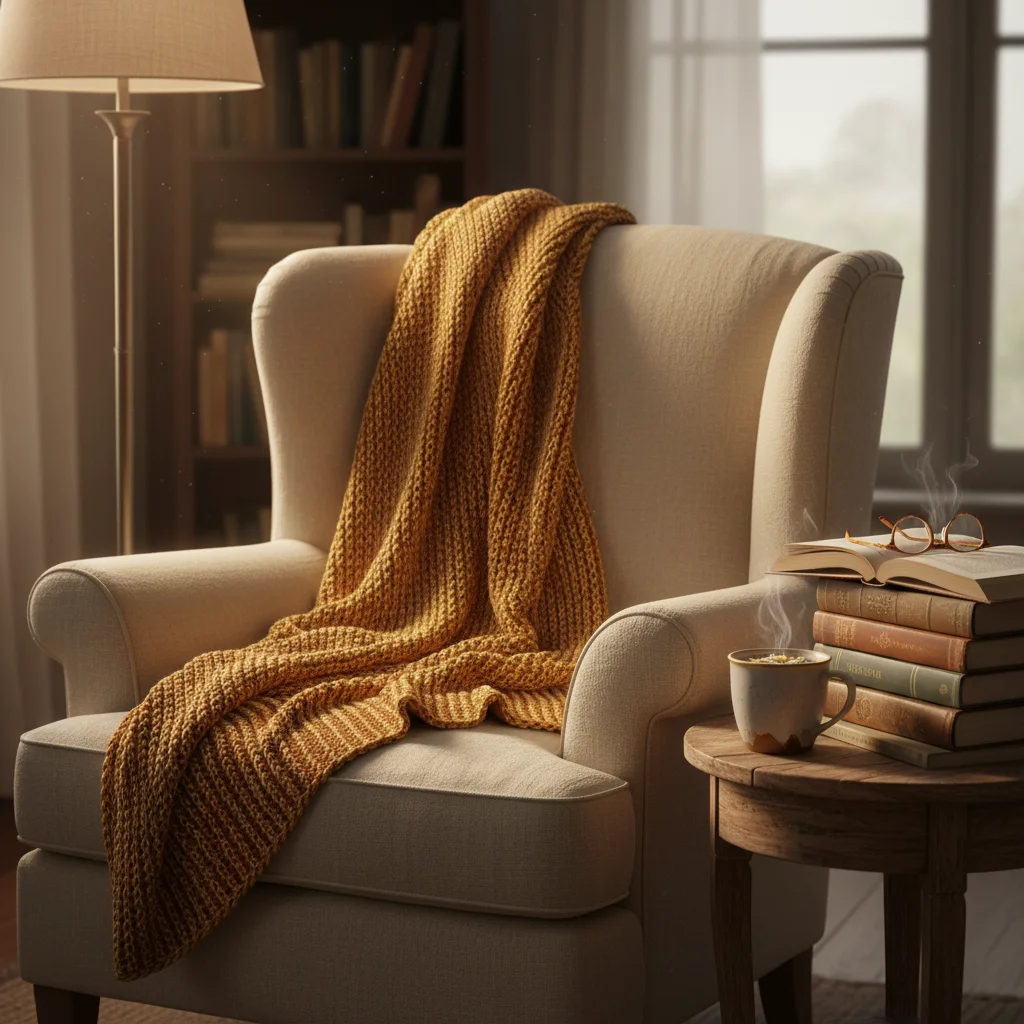
Tactile comfort is crucial for a well-being-focused home. Incorporate a variety of soft textures to create a cozy and inviting atmosphere. Plush rugs, velvet cushions, chunky knit throws, and linen drapes can transform a space, making it feel more luxurious and comfortable. Layering different textures adds depth and visual interest, inviting touch and promoting relaxation. For example, a soft wool rug underfoot, a linen sofa adorned with velvet pillows, and a cashmere throw draped over an armchair create an irresistible haven. These textures not only enhance the aesthetic but also contribute to the sensory experience of a home, making it a truly restorative environment. The feeling of softness against the skin can be incredibly comforting, reminiscent of a protective embrace, which is essential for fostering a sense of security and peace.
Thoughtful Lighting for Mood
Lighting plays a critical role in setting the mood of a room. For home decor well-being in 2026, move beyond harsh overhead lighting. Instead, embrace layered lighting, combining ambient, task, and accent lighting. Warm, dimmable lights are perfect for evenings, signaling to your body that it’s time to wind down. Smart lighting systems allow you to adjust color temperature and brightness throughout the day, mimicking natural light cycles. Incorporate lamps with soft, diffused light, and consider candles (real or LED) for an extra touch of warmth and intimacy. The absence of harsh glare can significantly reduce eye strain and promote a more relaxed state, making your home a truly comfortable retreat. Strategic placement of lighting can also highlight architectural features or artwork, drawing the eye and creating visual interest, further enhancing the overall ambiance.
4. Prioritizing Air Quality and Scent: A Breath of Fresh Air
Often overlooked, indoor air quality and scent play a significant role in our overall well-being. For 2026, integrating solutions that ensure clean air and pleasant aromas is a non-negotiable aspect of home decor well-being. The air we breathe directly impacts our health, energy levels, and cognitive function.
Indoor Air Quality Solutions
Poor indoor air quality can contribute to allergies, respiratory issues, and fatigue. In 2026, invest in good air purification systems. HEPA filters are excellent for removing allergens, dust, and pet dander. Consider smart air purifiers that monitor air quality and adjust settings automatically. Beyond purifiers, proper ventilation is key. Regularly open windows to allow fresh air to circulate, even for short periods. Plants, as mentioned in biophilic design, also contribute to air purification. Be mindful of products that release VOCs, such as certain paints, cleaning supplies, and synthetic fragrances. Opt for low-VOC or VOC-free alternatives whenever possible. Ensuring your home’s air is clean is a fundamental step towards creating a truly healthy living environment, directly impacting your physical well-being. Regular maintenance of HVAC systems, including changing filters, also contributes significantly to maintaining optimal air quality.
Aromatherapy and Natural Scents
The sense of smell has a powerful connection to memory and emotion. Incorporating natural scents through aromatherapy can profoundly influence your mood and contribute to home decor well-being. Essential oil diffusers are a popular choice, allowing you to disperse calming scents like lavender, uplifting citrus, or invigorating peppermint. Choose high-quality essential oils for their therapeutic benefits. Avoid synthetic air fresheners, which often contain harmful chemicals. Instead, opt for natural alternatives like beeswax candles, dried botanicals, or fresh flowers. The subtle, natural aroma of a clean home, perhaps with a hint of essential oils, can create an incredibly inviting and peaceful atmosphere. Different scents can be used in different rooms to support specific activities – lavender in the bedroom for sleep, citrus in the kitchen for energy, and cedarwood in a study for focus. This thoughtful integration of scent turns your home into a multi-sensory experience designed for relaxation and rejuvenation.
5. Embracing Ergonomics and Comfort in Furniture Choices
As our homes continue to serve as multi-functional spaces, the importance of ergonomic and comfortable furniture cannot be overstated for home decor well-being in 2026. Investing in pieces that support your body and promote good posture is crucial, especially for those who work or spend significant time at home.
Ergonomic Furniture for Work and Leisure
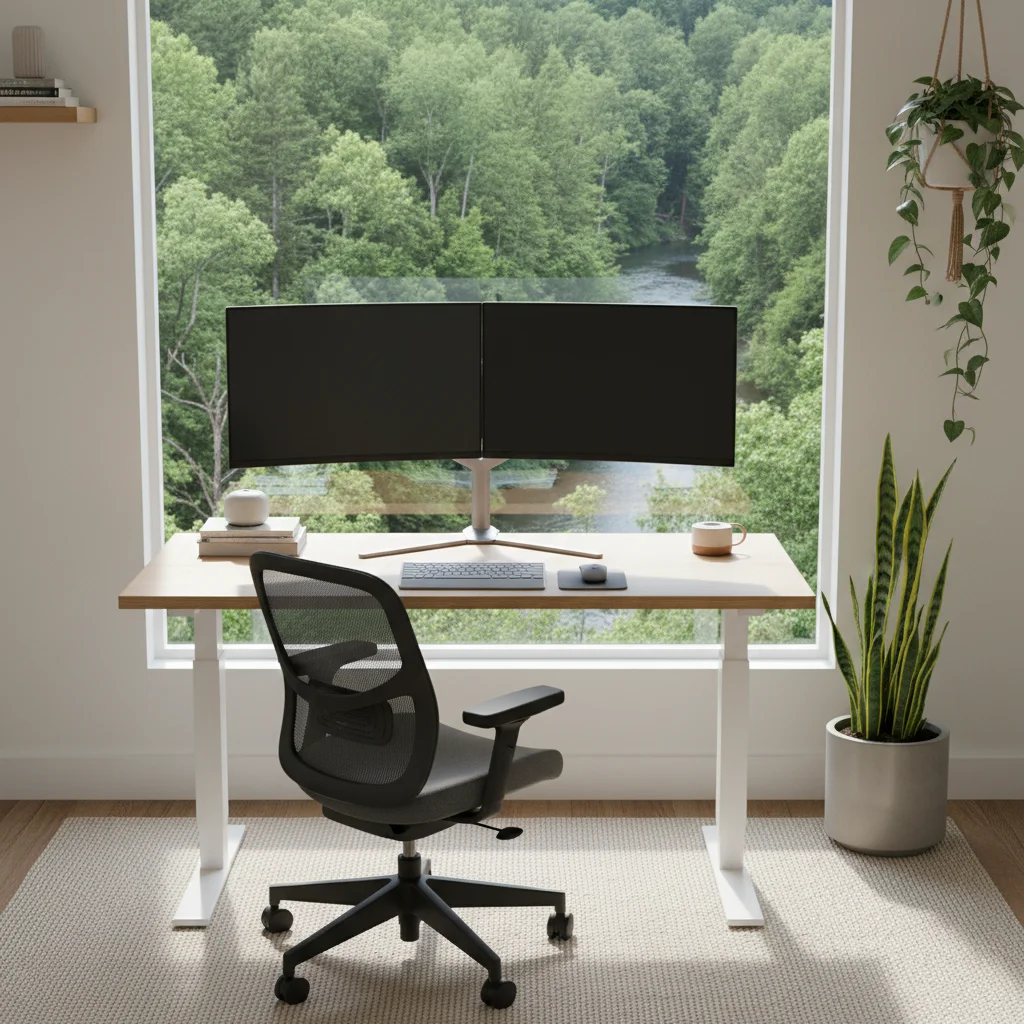
For home offices, an ergonomic chair and a sit-stand desk are no longer luxuries but necessities. These items can prevent back pain, improve circulation, and enhance productivity. But ergonomics extend beyond the office. Consider the comfort of your sofa and armchairs. Are they supportive? Do they encourage good posture? Look for pieces with adequate lumbar support and comfortable cushioning. Adjustable features, such as recliners or modular sofas, can adapt to various needs and activities, making your living spaces more versatile and comfortable. The goal is to create seating arrangements that invite relaxation without compromising your physical health, ensuring that your home truly supports your body’s needs. Well-designed ergonomic furniture can also subtly influence your mood, as physical discomfort often translates into mental strain. By eliminating this discomfort, you open the door to greater relaxation and peace of mind.
Textiles and Upholstery for Ultimate Comfort
The feel of your furniture’s upholstery is just as important as its structure. Choose soft, durable, and breathable fabrics that are pleasant to the touch. Natural fibers like linen, cotton, and wool are excellent choices. For areas of high use, consider performance fabrics that are easy to clean and maintain, without sacrificing comfort. Layering with throws and pillows made from luxurious materials like cashmere, alpaca, or faux fur can elevate the comfort factor even further, making your furniture not just ergonomic but also irresistibly inviting. The tactile experience of these materials contributes significantly to the overall sense of coziness and security in your home, which is a cornerstone of home decor well-being. The right textiles can transform a functional piece of furniture into a haven of comfort, encouraging you to linger and truly relax.
6. Integrating Technology Thoughtfully: Smart Home for Serenity
In 2026, technology is no longer just about convenience; it’s about enhancing our well-being. Thoughtfully integrated smart home solutions can contribute significantly to creating a serene and responsive environment, a key aspect of home decor well-being. The key is to use technology to simplify, automate, and create a more comfortable atmosphere, rather than adding complexity or distraction.
Smart Lighting and Climate Control
As mentioned earlier, smart lighting systems are invaluable for setting the mood. Program your lights to gradually brighten in the morning, mimicking a sunrise, to gently wake you. In the evening, have them dim to a warm glow, preparing your body for sleep. Smart thermostats can learn your preferences and adjust the temperature for optimal comfort, ensuring your home is always at the perfect climate. Imagine arriving home to a perfectly lit, comfortably warm space, without lifting a finger. These automations reduce mental load and create a seamless living experience, fostering a sense of ease and relaxation. The ability to control these elements from your phone or with voice commands adds a layer of convenience that further enhances your sense of control over your environment, contributing to overall peace of mind.
Soundscapes and White Noise
Technology can also be used to create calming soundscapes. Smart speakers can play ambient nature sounds, soothing music, or white noise to mask distracting external noises. This is particularly beneficial for improving sleep quality or creating a focused work environment. Consider a smart sound machine in your bedroom to help you drift off to sleep more easily. For relaxation areas, a curated playlist of calming music can transform the atmosphere. The strategic use of sound can be a powerful tool in modulating your mood and creating specific zones of tranquility within your home, directly supporting your home decor well-being. This auditory dimension often goes unnoticed but is incredibly impactful in shaping our perceptions of a space. By carefully selecting sounds, you can craft an environment that actively promotes relaxation and mental clarity.
Mindful Device Management
While technology offers many benefits, it’s crucial to manage its presence mindfully. Designate “device-free” zones or times, particularly in bedrooms and dining areas, to encourage genuine connection and relaxation. Create charging stations out of sight to reduce visual clutter from cables and devices. Use smart home hubs to consolidate controls, minimizing the number of apps and remotes you need to manage. The goal is for technology to serve you, not the other way around. By intentionally integrating and managing technology, you can harness its power to create a more serene and supportive home environment without falling prey to digital overload. This thoughtful approach ensures that technology enhances, rather than detracts from, your pursuit of home decor well-being.
Conclusion: Your Home, Your Sanctuary for Well-being
As we navigate the complexities of modern life, the importance of a home that supports our well-being cannot be overstated. The six home decor updates for 2026 – embracing biophilic design, creating mindful spaces, harnessing color and texture, prioritizing air quality and scent, embracing ergonomics, and integrating technology thoughtfully – offer a holistic roadmap to transforming your living environment. Each of these elements, when considered together, contributes to a synergistic effect, creating a space that not only looks beautiful but actively nurtures your mental, emotional, and physical health.
Remember, the journey to a well-being-focused home is personal and evolving. It’s about making conscious choices that resonate with your individual needs and preferences. Start small, perhaps by introducing more plants or decluttering a single room, and gradually build towards a comprehensive transformation. Your home should be a reflection of who you are and a place where you can truly rest, recharge, and thrive.
By investing in these home decor well-being updates, you’re not just redecorating; you’re investing in yourself, your health, and your happiness. In 2026 and beyond, let your home be the ultimate sanctuary – a place where peace, comfort, and vitality flourish. Embrace these principles, and watch as your living space becomes a powerful ally in your quest for a balanced and fulfilling life.