Experiential Living Trends 2026: Shaping Future Leisure
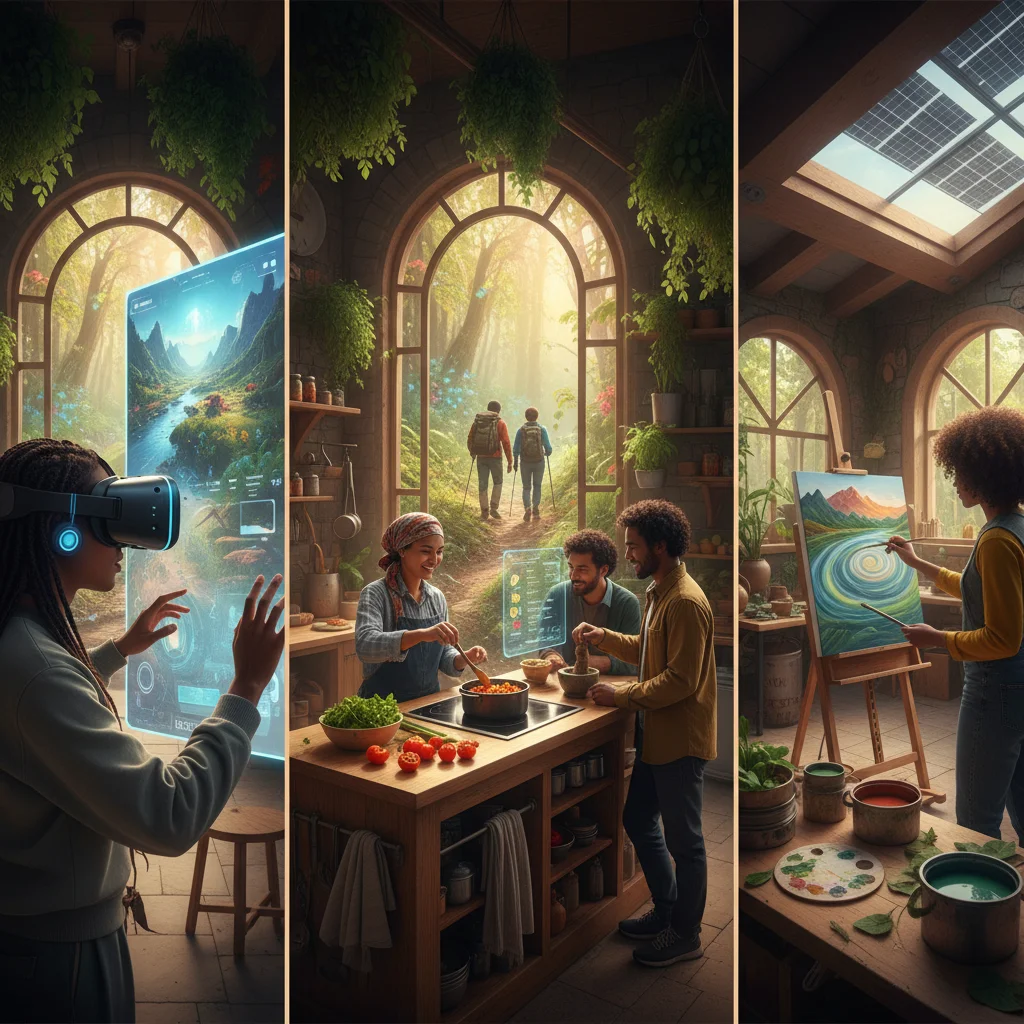
The way we spend our leisure time is undergoing a profound transformation. Gone are the days when passive consumption dominated our free hours. Today, and increasingly into the future, people are actively seeking experiences that engage their senses, challenge their minds, and nourish their souls. This shift towards experiential living trends is not merely a fad; it’s a fundamental recalibration of what we value in our personal time. As we look ahead to 2026, several key trends are emerging, promising to reshape the landscape of leisure activities in exciting and innovative ways. Understanding these shifts is crucial for individuals looking to enrich their lives and for businesses aiming to cater to the evolving demands of consumers.
The pursuit of authentic, memorable, and often transformative experiences is at the heart of these changes. We’re moving beyond simply ‘doing’ things to ‘being’ in the moment, learning, growing, and connecting on deeper levels. This article will delve into six prominent experiential living trends that are poised to define our leisure time in 2026, exploring their nuances and implications.
1. Hyper-Personalization of Leisure Experiences
In an increasingly data-driven world, the ability to tailor experiences precisely to individual preferences is becoming paramount. Hyper-personalization goes beyond simple recommendations; it involves crafting bespoke leisure activities that resonate deeply with an individual’s interests, values, and even their current mood. Think of AI-powered travel agents designing itineraries based on your genetic predispositions for adventure or relaxation, or wellness retreats curated around your specific health data and emotional state.
This trend is driven by advancements in artificial intelligence, big data analytics, and wearable technology. Companies are leveraging these tools to understand consumer behavior at an unprecedented level, allowing them to offer highly relevant and engaging options. For example, a streaming service might not just recommend a movie, but suggest an entire ‘experience package’ that includes a themed meal kit, virtual background, and interactive elements to enjoy alongside the film. This hyper-focus on the individual ensures that every leisure moment feels uniquely yours, maximizing satisfaction and engagement. The future of experiential living trends will undoubtedly be shaped by this relentless drive for bespoke experiences.
The impact of hyper-personalization extends to everything from educational workshops designed to match your specific learning style to fitness programs that adapt in real-time to your performance and recovery needs. This level of customization fosters a sense of ownership and deep engagement, making leisure time more meaningful and impactful. It’s about moving away from one-size-fits-all activities to a world where leisure is as unique as your own fingerprint, a true hallmark of evolving experiential living trends.
2. The Rise of Regenerative Tourism and Eco-Conscious Adventures
As awareness of climate change and environmental degradation grows, so does the demand for sustainable and regenerative leisure activities. Regenerative tourism goes a step further than sustainable tourism; it aims not just to minimize negative impacts but to actively contribute to the restoration and revitalization of the environments and communities visited. This means choosing destinations and activities that leave a place better than it was found.
In 2026, we’ll see a surge in eco-conscious adventures that blend travel with conservation efforts. This could involve participating in reforestation projects during a vacation, supporting local indigenous communities through ethical tourism, or engaging in citizen science initiatives that contribute to ecological research. Travelers are increasingly seeking opportunities to connect with nature in a meaningful way, understanding their role as stewards rather than just visitors. This trend reflects a deeper societal shift towards responsible consumption and a desire for leisure that aligns with personal values of environmental protection.
Companies offering regenerative tourism experiences are gaining significant traction, providing travelers with transparent information about their environmental and social impact. From eco-lodges powered by renewable energy to wildlife conservation tours that directly fund protection efforts, the options for impactful travel are expanding. This focus on ethical and ecological responsibility is a cornerstone of future experiential living trends, demonstrating a collective desire for leisure that makes a positive difference.
3. Immersive Digital and Hybrid Realities
The lines between the physical and digital worlds continue to blur, giving rise to incredibly immersive digital and hybrid leisure experiences. Virtual Reality (VR), Augmented Reality (AR), and Mixed Reality (MR) technologies are evolving rapidly, offering unprecedented opportunities for entertainment, education, and exploration without leaving your home, or by enhancing real-world interactions.
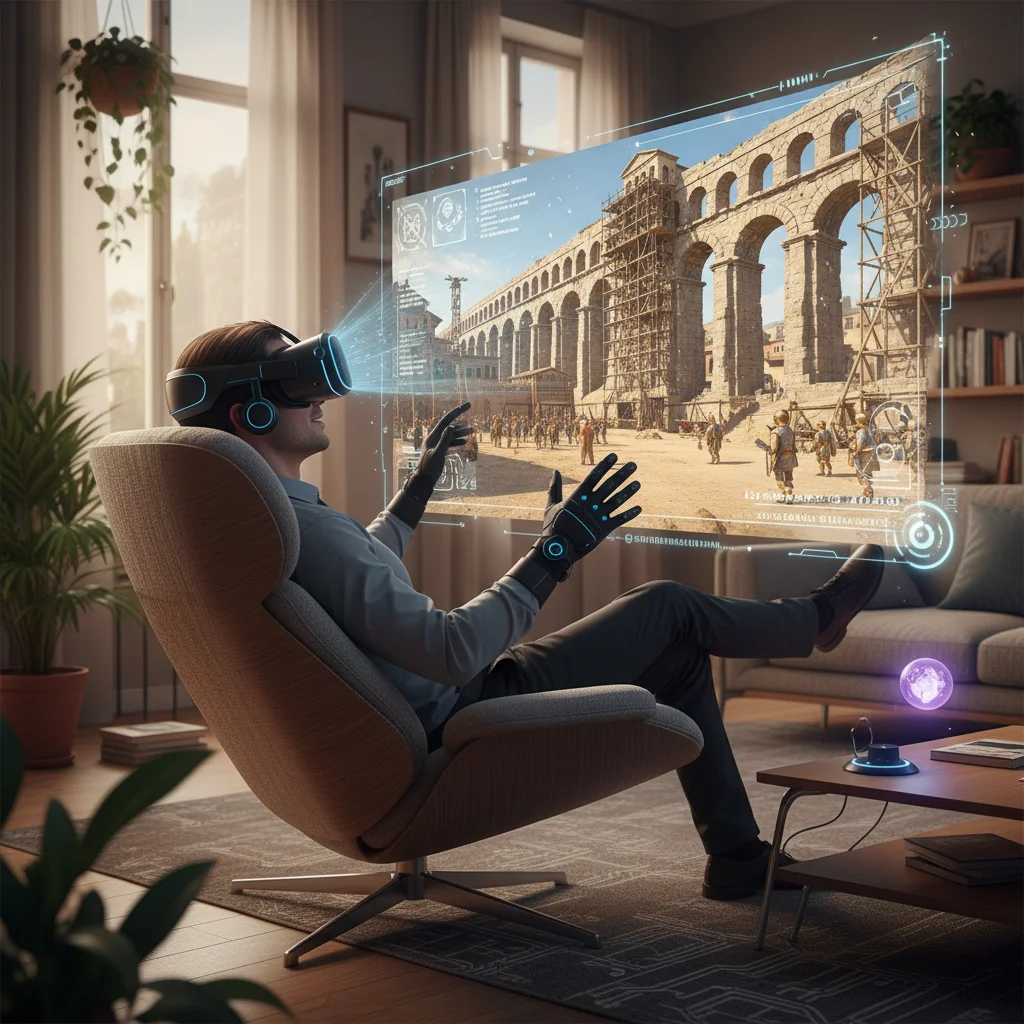
By 2026, we can expect highly sophisticated VR experiences that transport users to ancient civilizations, distant planets, or fantastical realms with unparalleled realism. AR will seamlessly overlay digital information onto our physical surroundings, transforming a simple walk in the park into an interactive historical tour or a scavenger hunt. Hybrid realities will combine physical props and environments with digital elements, creating truly interactive and dynamic leisure spaces.
Imagine attending a live concert where you can choose your vantage point, interact with other virtual attendees, and even feel the bass vibrations, all from your living room. Or participating in a virtual escape room where physical puzzles are integrated with digital clues. These technologies offer accessibility and novel forms of engagement, democratizing access to experiences that might otherwise be geographically or physically out of reach. The integration of these digital elements into daily leisure is a significant aspect of emerging experiential living trends.
The pandemic accelerated the adoption of these technologies, and their continued refinement promises even more compelling and communal experiences. From virtual museums and galleries to interactive gaming platforms that foster global communities, the digital realm is becoming a primary stage for new forms of leisure and connection. This fusion of the digital and physical is not just about escapism; it’s about expanding the possibilities of human experience within the framework of experiential living trends.
4. Wellness & Mindful Living Integration
The pursuit of holistic well-being is increasingly influencing leisure choices. People are seeking activities that not only entertain but also contribute to their physical, mental, and emotional health. This isn’t just about traditional spas or yoga retreats; it’s about integrating wellness principles into a broader spectrum of leisure activities.
In 2026, we’ll see a greater emphasis on mindful travel, where the journey itself is designed to reduce stress and promote presence. This could involve silent retreats in nature, digital detox vacations, or culinary experiences focused on nourishing both body and soul. The rise of ‘slow travel’ – taking more time to appreciate destinations and cultures – is another facet of this trend, encouraging deeper connection and reducing the frantic pace often associated with modern life.
Furthermore, technology will play a role in personalized wellness leisure. Wearable devices and AI-powered apps will offer real-time feedback on stress levels, sleep patterns, and mood, suggesting tailored mindfulness exercises, nature walks, or creative outlets. The goal is to make wellness an active, integrated part of daily life and leisure, rather than a separate, occasional pursuit. This focus on well-being is a core component of the evolving experiential living trends.
From forest bathing and sound healing to art therapy workshops and therapeutic gardening, leisure activities are being re-imagined as tools for self-care and personal growth. This holistic approach recognizes that true relaxation and rejuvenation come from activities that nourish every aspect of our being, making wellness an indispensable part of future experiential living trends.
5. Community-Centric and Social Connection Experiences
Despite the rise of digital interactions, there’s a strong and growing desire for authentic human connection and community. Leisure activities in 2026 will increasingly be designed to foster social bonds, collaborative participation, and shared experiences, moving away from isolated consumption.
This trend manifests in various forms, such as community-based tourism where travelers engage directly with local residents and participate in their daily lives, learning skills, sharing meals, and contributing to local projects. Co-living spaces and community hubs that offer shared leisure facilities – from workshops and creative studios to communal dining and event spaces – are also on the rise, catering to individuals seeking connection.
The demand for collaborative gaming, interactive storytelling events, and participatory art installations will also grow. These experiences thrive on collective engagement, allowing individuals to co-create, problem-solve, and celebrate together. The focus is on building bridges between people, fostering a sense of belonging, and creating shared memories that are more impactful than solitary pursuits. These community-focused activities are crucial components of the broader experiential living trends.
Even in urban environments, we’re seeing a resurgence of interest in local events, farmers’ markets, volunteer opportunities, and skill-sharing workshops that bring people together. The emphasis is on building stronger social fabrics through shared leisure. In a world that often feels disconnected, these community-centric experiences offer a vital antidote, making them a significant part of future experiential living trends.
6. Micro-Adventures and Local Exploration
While grand international travel will always hold appeal, there’s a growing appreciation for ‘micro-adventures’ – short, accessible, and often local escapades that offer a taste of adventure without the need for extensive planning or travel. This trend is fueled by a desire for spontaneity, reduced environmental impact, and a deeper connection with one’s immediate surroundings.
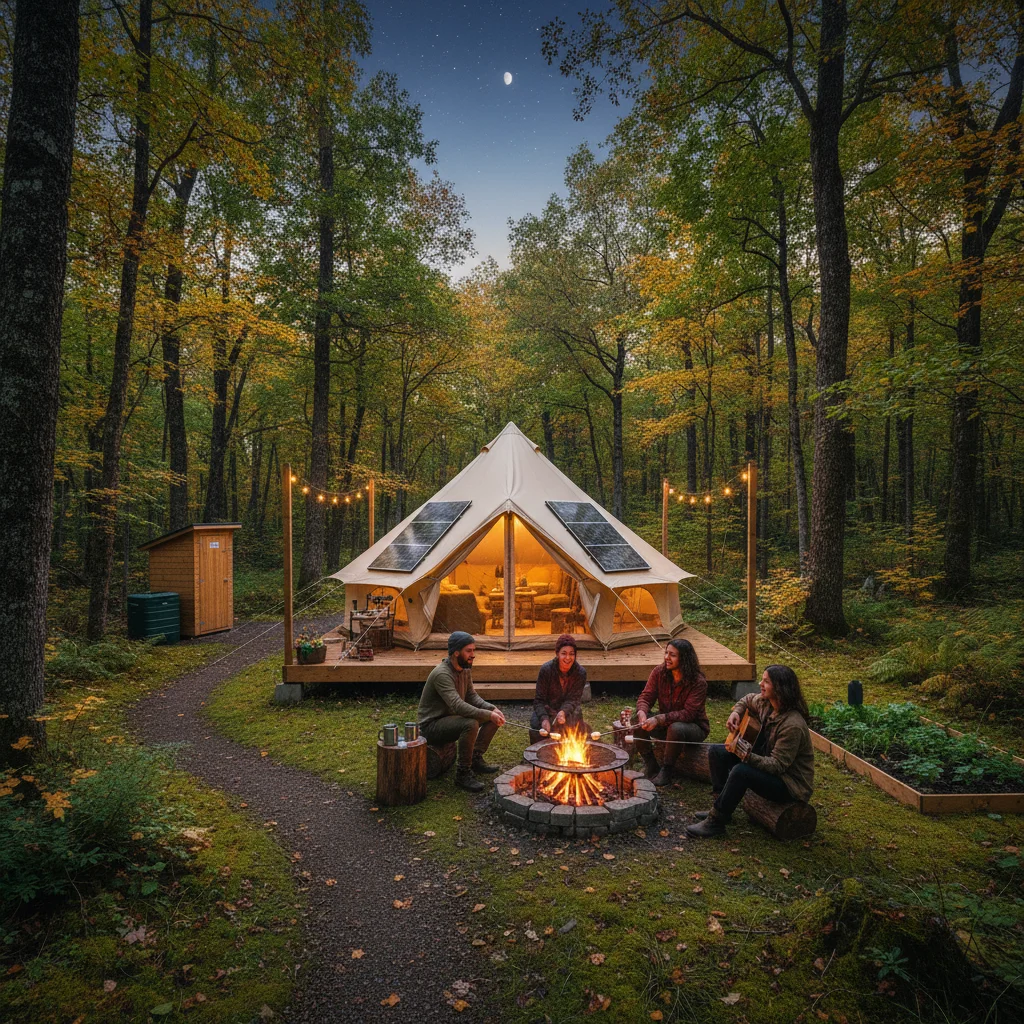
By 2026, more people will be discovering the hidden gems in their own backyards, whether it’s a new hiking trail an hour away, an overnight camping trip in a nearby nature reserve, or an urban exploration challenge in their city. Micro-adventures often involve simplicity, self-reliance, and a focus on the natural world, providing a refreshing break from routine without requiring significant time or financial investment.
This trend also encourages local exploration, supporting local businesses, and discovering the unique cultural and natural offerings of one’s region. It’s about finding joy and adventure in the everyday, transforming mundane weekends into memorable escapades. This shift towards localized, accessible adventure is a key aspect of evolving experiential living trends.
The convenience and affordability of micro-adventures make them highly appealing in busy modern lives. They offer a quick reset, a chance to reconnect with nature, and an opportunity to explore without the logistical complexities of larger trips. This emphasis on making the most of local opportunities and finding adventure close to home will continue to be a defining characteristic of future experiential living trends.
The Future is Experiential: Embracing the New Leisure Paradigm
The landscape of leisure in 2026 will be dynamic, diverse, and deeply personal. The six experiential living trends outlined above – hyper-personalization, regenerative tourism, immersive digital realities, wellness integration, community-centric experiences, and micro-adventures – are not isolated phenomena but interconnected facets of a larger shift.
We are moving towards a paradigm where leisure is not just about relaxation or entertainment, but about growth, connection, meaning, and positive impact. Consumers are becoming more discerning, seeking experiences that align with their values, challenge them, and enrich their lives in profound ways. This evolution demands that individuals actively consider how they want to spend their precious free time, and that businesses innovate to meet these sophisticated demands.
Embracing these experiential living trends means recognizing the power of intentional living, where every leisure choice contributes to a more fulfilling and sustainable existence. Whether it’s through a personalized wellness journey, an eco-conscious adventure, or a collaborative community project, the future of leisure promises a richer, more engaging, and more meaningful way to live. The journey to 2026 is an invitation to explore these new frontiers and redefine what it means to truly live experientially.
The convergence of technology, heightened environmental awareness, and a growing desire for authentic connection is propelling us into an era where every moment of leisure has the potential to be transformative. As these experiential living trends continue to mature, they will not only shape how we spend our free time but also influence our values, our communities, and our planet. The future of leisure is not just about what we do, but who we become through the experiences we choose.