Work-Life Balance Future: 4 Emerging Trends for 2026
The landscape of work is undergoing a profound transformation, driven by technological advancements, societal shifts, and a re-evaluation of what truly constitutes a fulfilling life. As we hurtle towards 2026 and beyond, the concept of "work-life balance" is evolving from a mere aspiration into a dynamic, multi-faceted reality. This isn’t just about splitting time between professional and personal commitments; it’s about a seamless, integrated existence where both aspects enrich each other. The traditional 9-to-5 model is increasingly a relic of the past, replaced by innovative approaches that prioritize flexibility, well-being, and purpose.
For decades, the ideal work-life balance was often depicted as a seesaw, with work on one side and life on the other, constantly striving for equilibrium. However, this metaphor is becoming outdated. The emerging paradigm suggests a more fluid, interconnected model where the lines blur, not in a way that leads to burnout, but in a manner that allows for greater autonomy, personal growth, and professional satisfaction. This shift is not without its challenges, but it also presents unprecedented opportunities for individuals and organizations alike to redefine success and happiness.
Understanding these emerging trends is crucial for anyone looking to thrive in the future workforce. Whether you’re an employee seeking a more meaningful career, an employer aiming to attract and retain top talent, or an entrepreneur building a resilient business, adapting to these changes will be key. This article will delve into four pivotal trends that are shaping the future work-life balance, offering insights into how they will impact our professional and personal lives in 2026 and beyond.
1. Hyper-Flexibility: Beyond Remote Work
The COVID-19 pandemic accelerated the adoption of remote work, proving its viability and, in many cases, its benefits. However, what we’re seeing emerge for the future work-life balance is something far more profound than simply working from home: hyper-flexibility. This trend goes beyond location independence to encompass complete autonomy over when, where, and how work gets done, driven by individual needs and peak productivity times.
Hyper-flexibility manifests in several ways. Firstly, it means a significant increase in asynchronous work, where team members contribute to projects at their own pace, often across different time zones, rather than being tethered to real-time collaboration. This requires robust project management tools, clear communication protocols, and a culture of trust and accountability. Companies are investing in advanced platforms that facilitate seamless collaboration regardless of schedules, allowing employees to manage their personal lives – from childcare responsibilities to creative pursuits – without compromising professional output.
Secondly, hyper-flexibility includes fluid workweeks. The traditional 5-day, 40-hour workweek is being challenged by models like the 4-day workweek, condensed workweeks, or even outcome-based contracts where hours are irrelevant as long as deliverables are met. This empowers employees to design a work schedule that aligns with their energy levels and personal commitments, leading to reduced stress and increased engagement. Imagine a professional who dedicates their mornings to focused work, takes a long afternoon break for personal appointments or exercise, and then returns to work in the evening, aligning their schedule with their most productive hours.
Thirdly, the "where" of work is becoming infinitely more diverse. While remote work is a component, hyper-flexibility embraces a spectrum of options: from co-working spaces that offer community and structure, to "work-from-anywhere" policies that support digital nomadism, allowing employees to travel and experience new cultures while remaining productive. This geographical freedom can significantly enhance personal enrichment and prevent burnout, offering a constant sense of renewal and adventure. The rise of "work-cation" packages and specialized co-living spaces designed for remote workers underscores this shift.
The implications for the future work-life balance are enormous. Employees gain unprecedented control over their lives, fostering a sense of empowerment and reducing the need to choose between career advancement and personal fulfillment. For organizations, hyper-flexibility can lead to a more diverse and globally distributed talent pool, increased employee loyalty, and potentially higher productivity due to better-rested and more motivated staff. However, it also demands sophisticated management strategies, a focus on results over hours, and a strong company culture that can thrive across dispersed teams.
The challenge for businesses will be to implement hyper-flexibility frameworks that are equitable, sustainable, and truly beneficial for all employees. This involves investing in training for managers to lead remote and asynchronous teams effectively, ensuring fair access to resources and opportunities regardless of location or schedule, and continuously soliciting feedback to refine these models. The goal is not just to offer flexibility, but to embed it into the organizational DNA, making it a cornerstone of the company’s operational philosophy.
2. AI-Driven Personal Assistants and Automation for Life Integration
Artificial Intelligence (AI) is already transforming various industries, but its impact on the future work-life balance is set to be revolutionary. Beyond automating repetitive tasks in the workplace, AI will increasingly serve as a personal assistant, not just for professional duties but for seamlessly integrating life’s demands. This trend promises to free up significant mental and physical bandwidth, allowing individuals to focus on higher-value work and more meaningful personal pursuits.
Imagine an AI that doesn’t just schedule your meetings but also optimizes your commute based on real-time traffic, suggests healthy meal plans based on your dietary preferences and grocery availability, and even manages your smart home devices to create a relaxing environment upon your return. These AI-driven personal assistants will evolve from simple digital helpers to sophisticated integrators of our professional and personal ecosystems.
On the work front, AI will take over more administrative burdens. This includes advanced email management that filters out noise and prioritizes urgent communications, automated report generation, intelligent data analysis, and even drafting initial responses or content based on learned patterns. This frees up human workers to engage in creative problem-solving, strategic thinking, and interpersonal collaboration – tasks where human ingenuity remains indispensable.
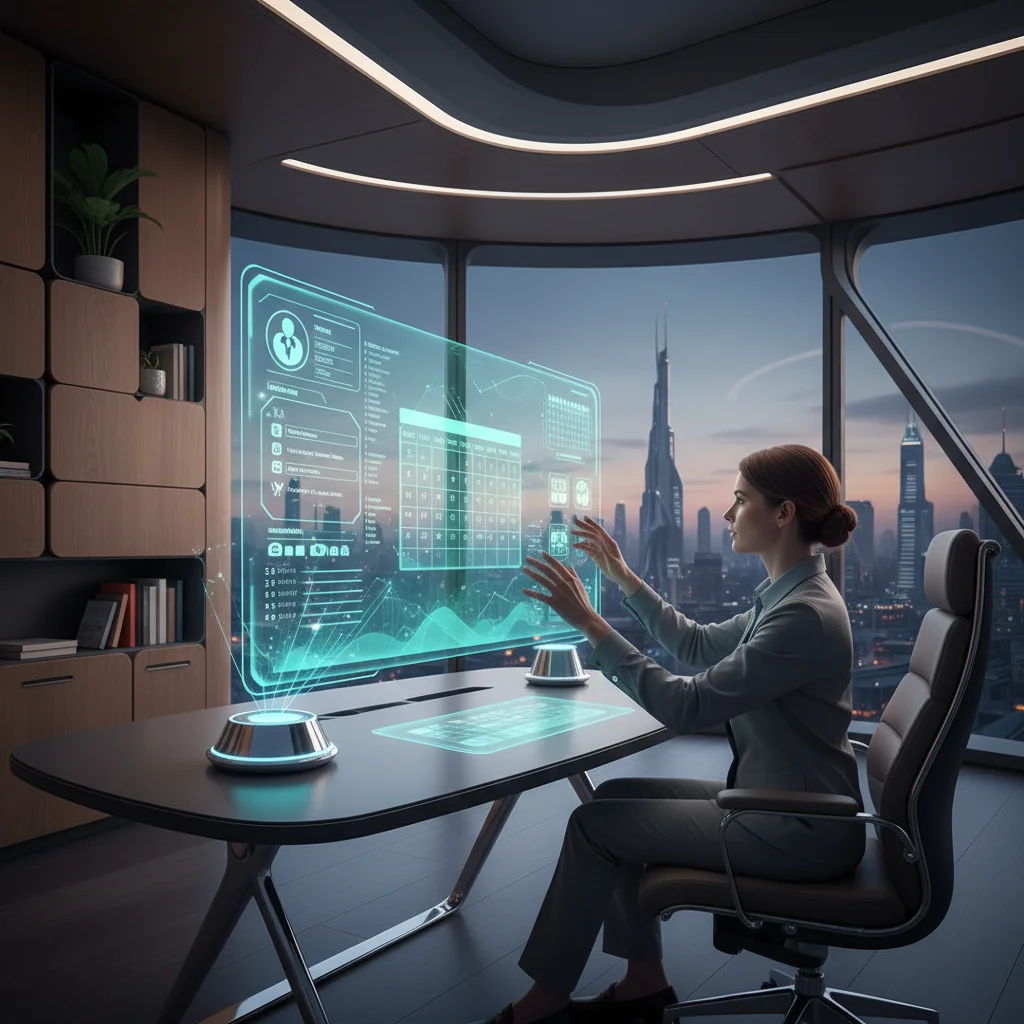
Crucially, AI will also extend its reach into personal life management. Beyond basic calendar synchronization, these assistants will learn individual preferences and proactively manage aspects of one’s personal life. For instance, an AI could anticipate when you need to book a doctor’s appointment, remind you about a child’s school event, suggest gifts for upcoming birthdays, or even find the most efficient route for weekend errands. This proactive management significantly reduces the "mental load" that often spills over from personal life into work, and vice-versa.
The integration of AI into personal and professional life will create a synergistic effect on the future work-life balance. By automating the mundane and optimizing the complex, AI allows individuals to operate at a higher level of efficiency and effectiveness in both their careers and personal lives. It minimizes context-switching, reduces decision fatigue, and ensures that critical tasks, both professional and personal, are not overlooked.
However, this trend also raises important considerations regarding privacy, data security, and the potential for over-reliance on AI. Ethical guidelines for AI development and deployment will be paramount, ensuring that these tools augment human capabilities without eroding essential human skills or autonomy. The goal is to leverage AI to enhance human experience, not to replace it. Companies adopting these technologies will need to prioritize transparency and user control, allowing employees to customize the level of AI assistance they receive and understand how their data is being used.
3. Holistic Well-being Integration: Beyond Wellness Programs
The concept of employee well-being has moved far beyond rudimentary gym memberships or annual health checks. For the future work-life balance, holistic well-being integration will be a fundamental expectation, encompassing physical, mental, emotional, and financial health, and deeply embedded into the organizational culture and infrastructure. This trend recognizes that a truly balanced life requires support across all these dimensions, not just isolated wellness initiatives.
Organizations are increasingly understanding that employee well-being is not just a perk but a critical driver of productivity, retention, and innovation. Therefore, we’ll see a shift from reactive wellness programs to proactive, integrated well-being ecosystems. This includes easy access to mental health support, such as on-demand therapy apps, mindfulness resources, and stress management coaching, often subsidized or fully covered by employers. The stigma around mental health will continue to diminish, fostering an environment where seeking support is encouraged and normalized.
Physical well-being will also evolve. Beyond traditional fitness benefits, companies might offer ergonomic home office stipends, access to virtual personal trainers, or even incorporate movement breaks directly into the workday through smart scheduling. Nutrition counseling and healthy eating initiatives will become more common, recognizing the direct link between diet and cognitive function.
Emotional well-being will be fostered through initiatives promoting psychological safety, empathetic leadership training, and platforms for open communication and peer support. This involves creating a workplace culture where employees feel valued, heard, and safe to express concerns without fear of reprisal. Conflict resolution training and emotional intelligence development will become standard offerings.
Furthermore, financial well-being will gain prominence. Stress related to personal finances is a significant contributor to overall stress, impacting work performance. Employers will offer financial literacy workshops, access to financial planning tools, and even direct support for areas like student loan repayment or retirement planning. This comprehensive approach acknowledges that an employee’s life outside of work profoundly impacts their ability to perform inside of it.
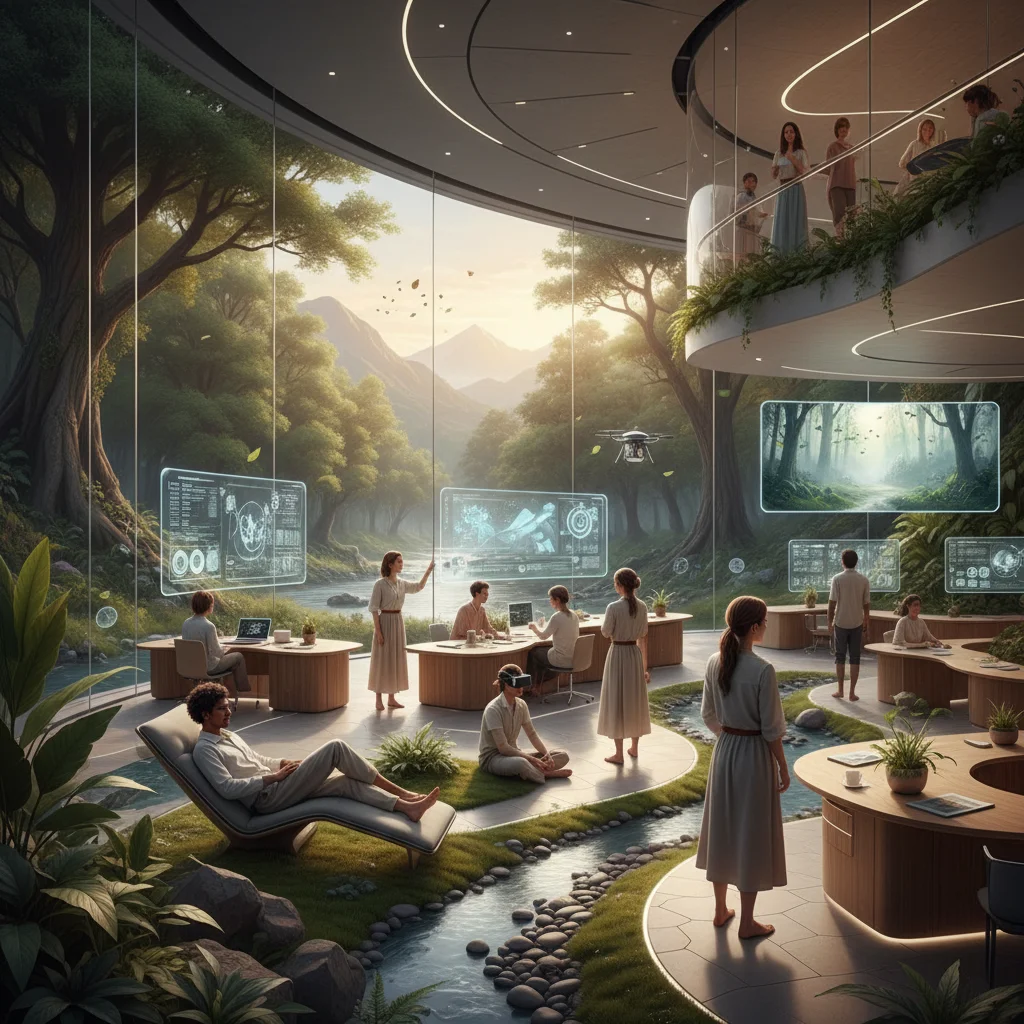
The integration of well-being will also extend to the physical and digital workspaces themselves. Offices, when used, will be designed as "wellness hubs" with natural light, green spaces, quiet zones, and areas for movement and collaboration. Digital tools will incorporate "well-being nudges," reminding employees to take breaks, hydrate, or engage in mindfulness exercises. Data analytics will play a role, allowing organizations to identify patterns of stress or burnout and intervene proactively with tailored support, while respecting individual privacy.
This holistic approach to well-being will redefine the employer-employee relationship, positioning companies as partners in their employees’ overall life success. It’s a move away from simply preventing illness to actively promoting thriving, leading to a more engaged, resilient, and productive workforce, and ultimately, a more sustainable future work-life balance.
4. Purpose-Driven Careers and Values Alignment
In an increasingly complex and interconnected world, individuals are seeking more than just a paycheck from their careers; they are searching for meaning, impact, and alignment with their personal values. This trend towards purpose-driven careers is profoundly reshaping the future work-life balance, as people prioritize roles and organizations that resonate with their deeper aspirations and contribute to a greater good.
The younger generations, in particular, are driving this shift. They are less willing to compartmentalize their values, expecting their professional lives to reflect their ethical, social, and environmental concerns. This means a rising demand for companies with strong Corporate Social Responsibility (CSR) initiatives, transparent ethical practices, and a clear mission beyond profit maximization. Employees want to feel that their daily work contributes positively to the world, not just to a company’s bottom line.
This trend impacts individuals’ career choices, leading them to seek out roles that offer a sense of fulfillment and personal growth. It’s not just about the job title or salary; it’s about the opportunity to learn, to innovate, and to make a tangible difference. This might involve choosing a smaller, mission-driven startup over a large corporate entity, or even transitioning into entirely new fields that align more closely with their passions, even if it means a temporary pay cut.
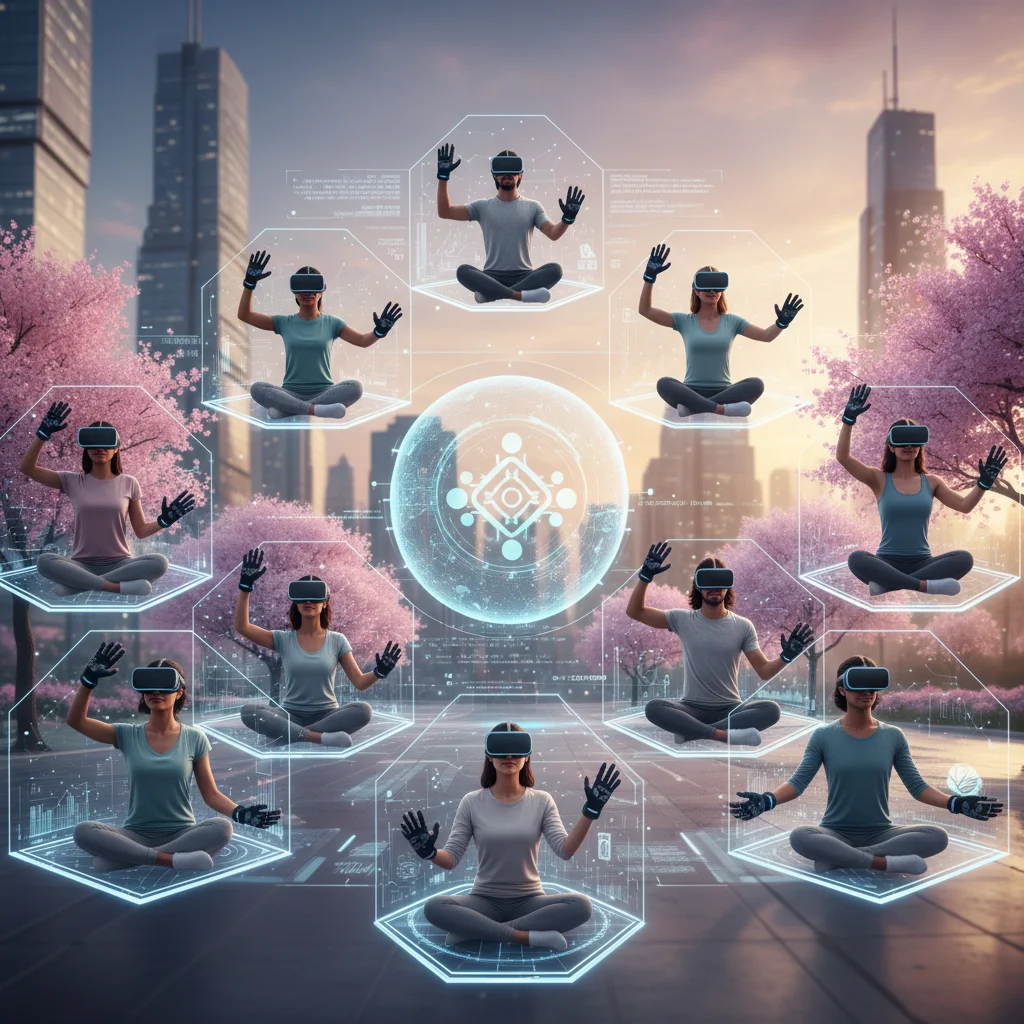
For organizations, embracing purpose-driven work is no longer optional; it’s a strategic imperative for attracting and retaining top talent. Companies that articulate a clear, compelling purpose and demonstrate a genuine commitment to their values will have a significant competitive advantage. This involves more than just marketing slogans; it requires embedding purpose into every aspect of the business, from product development to supply chain ethics, and empowering employees to contribute to that purpose.
Furthermore, this trend encourages "intrapreneurship," where employees are given the autonomy and resources to develop new projects or initiatives that align with the company’s purpose and their own passions. This fosters a sense of ownership and meaning, blurring the lines between work and personal passion in a highly positive way. When work feels like a calling rather than a chore, the traditional boundaries of work-life balance become less rigid, as individuals derive deep satisfaction from their professional efforts.
The challenge for companies will be to authentically communicate their purpose and to create an environment where employees feel they can truly contribute to it. This requires transparent leadership, opportunities for social impact, and a culture that celebrates values alignment. For individuals, it means actively seeking out and cultivating careers that provide not just financial stability, but also profound personal satisfaction and a sense of making a difference. The future work-life balance will be inextricably linked to finding and living one’s purpose through work.
The Interconnected Future Work-Life Balance: Navigating the New Landscape
These four emerging trends – hyper-flexibility, AI-driven personal assistants, holistic well-being integration, and purpose-driven careers – are not isolated phenomena. They are deeply interconnected, each influencing and reinforcing the others to shape a fundamentally new paradigm for the future work-life balance. For instance, hyper-flexibility is enabled by AI automation, which in turn frees up time for well-being practices and the pursuit of purpose. A strong sense of purpose can enhance well-being, making flexible work arrangements even more meaningful.
Navigating this evolving landscape requires a proactive approach from both individuals and organizations. For individuals, it means continuously developing new skills, particularly in areas like digital literacy, emotional intelligence, and adaptability. It also involves a conscious effort to define personal boundaries, even within flexible structures, and to prioritize self-care. The increased autonomy offered by these trends comes with the responsibility of self-management and intentional decision-making about how to best integrate professional and personal lives.
For organizations, the imperative is to move beyond traditional management practices and embrace a human-centric approach. This involves fostering cultures of trust, transparency, and empowerment. It means investing in technology that supports flexibility and automation, while also prioritizing employee well-being through comprehensive and integrated programs. Furthermore, clearly articulating and living a company’s purpose will be crucial for attracting and retaining talent in a world where values alignment is paramount.
The future work-life balance is not about achieving a perfect 50/50 split, but about creating a harmonious and sustainable synergy between all aspects of life. It’s about empowering individuals to design a life that is rich in meaning, productivity, and personal fulfillment. As we move towards 2026 and beyond, those who embrace these emerging trends will be best positioned to thrive in this exciting new era of work.
Conclusion: Embracing the Evolution of Work-Life Integration
The traditional understanding of work-life balance is rapidly giving way to a more dynamic and integrated model. The four trends discussed – hyper-flexibility, AI-driven personal assistance, holistic well-being integration, and purpose-driven careers – are not just fleeting fads but fundamental shifts that will redefine how we live and work in 2026 and beyond. These trends collectively point towards a future where work is less about rigid structures and more about meaningful contribution, personal growth, and individualized fulfillment.
For employers, this means a strategic pivot towards creating environments that not only support but actively cultivate these aspects. Companies that champion true flexibility, leverage AI to augment human potential, prioritize comprehensive employee well-being, and clearly articulate their purpose will emerge as leaders in attracting and retaining the best talent. This proactive engagement will foster a loyal, engaged, and highly productive workforce, capable of navigating future challenges with resilience and innovation.
For employees, it’s an invitation to take greater ownership of their career paths and personal lives. The opportunities for designing a life that truly aligns with one’s values and aspirations are expanding. This requires self-awareness, continuous learning, and the courage to seek out roles and organizations that genuinely support a holistic approach to life. The ability to manage one’s time effectively, leverage technological tools, prioritize well-being, and connect with a deeper sense of purpose will be invaluable skills.
Ultimately, the future work-life balance is about achieving a state of harmonious integration, where professional endeavors and personal aspirations are not in conflict but are mutually reinforcing. It’s about moving beyond simply surviving the demands of work and life, to actively thriving in a world that offers unprecedented opportunities for connection, impact, and profound personal satisfaction. The journey ahead will be one of continuous adaptation and innovation, but the destination promises a more fulfilling and sustainable way of living and working for everyone.