Digital Wellness 2026: Reclaim 2 Hours Daily from Screen Time
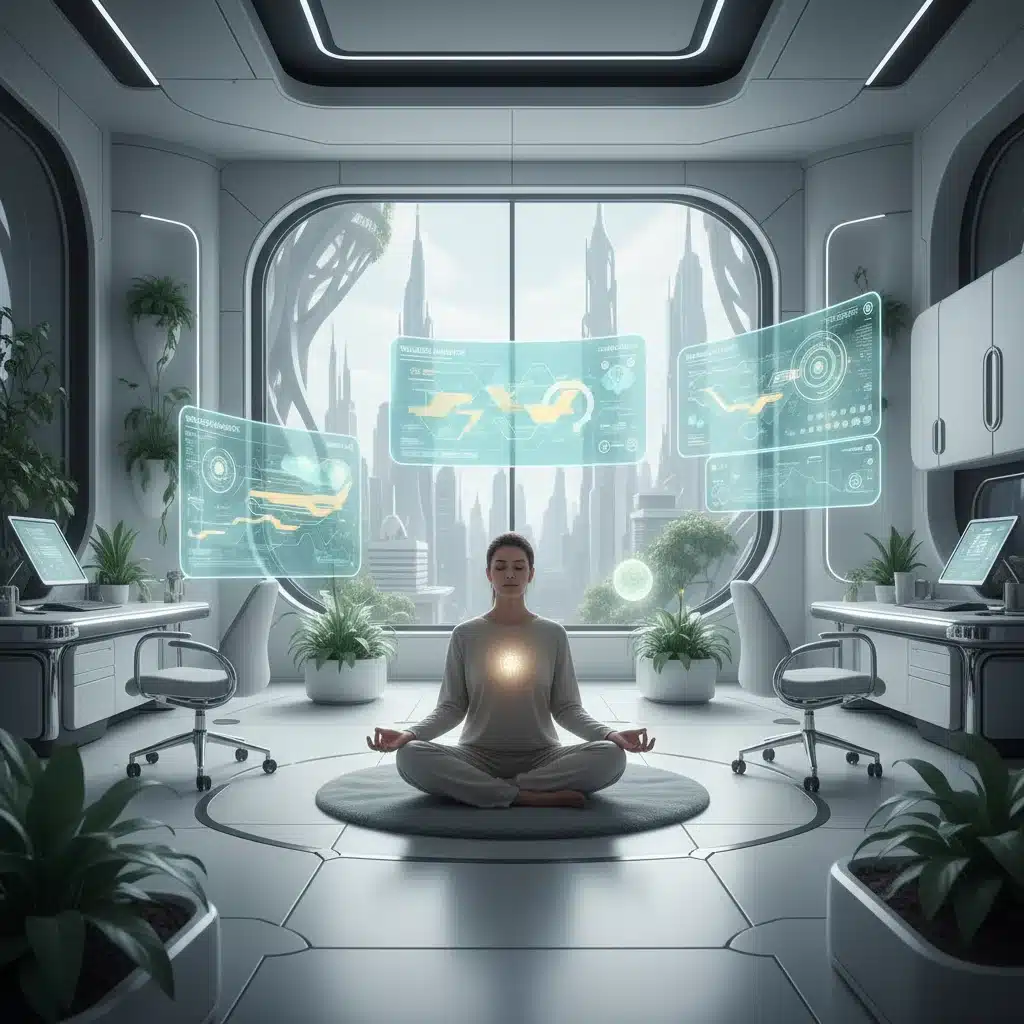
In an increasingly hyper-connected world, the concept of digital wellness 2026 is not just a buzzword; it’s a critical necessity. As technology continues to permeate every aspect of our lives, from work and education to social interactions and entertainment, the lines between our physical and digital existences blur. While digital tools offer unparalleled convenience and opportunities, their constant presence can also lead to screen fatigue, decreased productivity, mental health challenges, and a pervasive sense of being ‘always on.’ This article delves into actionable strategies and innovative approaches to help you reclaim at least two hours of your day from screen time by 2026, fostering a healthier, more balanced relationship with technology.
The year 2026 promises even more sophisticated digital interfaces, immersive experiences, and AI-driven applications. Without a conscious effort to manage our digital consumption, the potential for digital overload will only intensify. Our goal is to equip you with the knowledge and tools to not just survive, but thrive in this evolving digital landscape, ensuring that technology serves you, rather than the other way around. Reclaiming two hours daily isn’t about rejecting technology; it’s about intentional use, creating boundaries, and prioritizing your well-being.
Understanding the Landscape: The State of Digital Overload in 2026
Before we dive into solutions, it’s crucial to understand the challenges we face. By 2026, average daily screen time is projected to increase further, driven by the proliferation of smart devices, augmented reality (AR) integrations in daily life, and the continued dominance of social media and streaming platforms. Work-from-home models, which became widespread in the early 2020s, have solidified hybrid work environments, often leading to extended periods in front of laptops and virtual meeting platforms. The cognitive load from constant notifications, endless scrolling, and multitasking across multiple screens can be immense, impacting our attention spans, sleep quality, and overall mental clarity.
The rise of generative AI tools, while boosting productivity in some areas, also introduces new modalities of screen engagement, requiring users to interact with complex interfaces and process vast amounts of digital information. The gamification of almost every digital interaction, from fitness apps to banking, further blurs the lines between essential use and addictive engagement. This pervasive digital environment necessitates a proactive approach to digital wellness 2026, moving beyond simple screen time limits to a more holistic understanding of our digital habits.
The Hidden Costs of Excessive Screen Time
- Cognitive Fatigue: Constant digital stimulation can exhaust your brain, leading to reduced focus, poor decision-making, and mental fog.
- Sleep Disruption: Blue light emitted from screens interferes with melatonin production, vital for healthy sleep cycles.
- Physical Ailments: Eye strain, headaches, neck and back pain, and even carpal tunnel syndrome are common physical consequences.
- Mental Health Impacts: Increased anxiety, depression, feelings of inadequacy (fueled by social media comparison), and even digital addiction are growing concerns.
- Reduced Productivity: While technology aims to boost efficiency, constant interruptions and context-switching can severely diminish deep work and creative thinking.
- Strained Relationships: ‘Phubbing’ (snubbing someone in favor of your phone) and a general lack of presence can harm real-world connections.
Recognizing these costs is the first step toward implementing effective strategies for a healthier digital life. Our goal is to shift from reactive habits to intentional choices, allowing you to regain control over your time and attention.
Strategy 1: Audit Your Digital Habits and Set Clear Boundaries
You can’t manage what you don’t measure. The journey to reclaiming two hours of screen time begins with a thorough audit of your current digital habits. Most smartphones and operating systems now offer detailed screen time reports. Utilize these tools to understand exactly where your time is going. Identify your ‘time sinks’ – those apps or activities that consume disproportionate amounts of your day without providing significant value.
Step-by-Step Digital Audit:
- Track for a Week: For seven consecutive days, meticulously track your screen time, noting which apps and websites you use, for how long, and for what purpose (work, entertainment, communication, mindless scrolling).
- Identify Patterns: Look for recurring patterns. Do you spend an hour on social media first thing in the morning? Do you get sucked into endless YouTube videos before bed? Are work breaks consistently filled with digital distractions?
- Categorize Usage: Classify your screen time into ‘productive,’ ‘necessary,’ ‘recreational,’ and ‘mindless/unproductive.’ This helps you distinguish valuable digital engagement from time-wasting habits.
- Set Realistic Goals: Based on your audit, identify specific areas where you can cut down. Instead of an abstract goal, aim for something like: ‘Reduce social media by 30 minutes in the morning’ or ‘Limit streaming to 1 hour after dinner.’
- Establish No-Go Zones: Designate specific times or places as screen-free. This could be the dinner table, the first hour after waking up, the last hour before bed, or even certain rooms in your house.
Setting boundaries is not about deprivation; it’s about creating space for other enriching activities. Be firm but flexible with yourself. The aim is sustainable change, not perfection. By actively understanding and categorizing your digital footprint, you lay the groundwork for effective digital wellness in 2026.
Strategy 2: Optimize Your Digital Environment for Focus
Our digital environments are often designed to capture and retain our attention. Reclaiming screen time requires actively redesigning these environments to support focus and minimize distractions. This involves a combination of smart settings, app management, and conscious choices.
Declutter Your Digital Space:
- Notifications: The single biggest culprit for interruptions. Go through every app on your phone and computer and disable all non-essential notifications. Keep only those that are truly critical or time-sensitive. Consider setting specific ‘focus modes’ that silence all but emergency calls.
- Organize Apps: Group similar apps into folders. Move distracting apps (social media, games) off your home screen and into a less accessible folder. Consider using grayscale mode on your phone to make apps less visually appealing.
- Email Management: Batch process emails. Dedicate specific times of the day to check and respond to emails instead of having your inbox open constantly. Unsubscribe from unnecessary newsletters.
- Browser Extensions: Utilize browser extensions that block distracting websites during work hours or limit time on certain sites.
- Desktop Cleanup: A cluttered desktop can lead to a cluttered mind. Keep your computer desktop clean and organized.
Leverage Technology to Your Advantage:
Paradoxically, technology can also be part of the solution for digital wellness 2026. Many devices and apps now offer built-in features to help manage screen time:
- Screen Time Limits: Set daily limits for specific apps or categories of apps. Once the limit is reached, the app becomes unavailable for the rest of the day.
- Downtime/Focus Modes: Schedule periods where only essential apps and contacts are allowed. This is particularly useful for uninterrupted work or before bedtime.
- Grayscale Mode: Experiment with turning your screen to grayscale. This can make apps less engaging and reduce the addictive pull of vibrant colors.
- Website Blockers: Use browser extensions or built-in OS features to block distracting websites during specific hours.

Strategy 3: Embrace Analog Activities and Real-World Connections
Reclaiming two hours from screen time isn’t just about reducing what you do; it’s about filling that void with more fulfilling activities. By proactively scheduling analog experiences, you create a powerful incentive to step away from your devices and enrich your life in tangible ways.
Rediscover the Joy of the Non-Digital:
- Reading Physical Books: Dedicate an hour each day to reading a physical book. The tactile experience and sustained focus are a stark contrast to digital reading.
- Outdoor Activities: Spend time in nature. Go for a walk, hike, garden, or simply sit outside and observe. Nature has a profound calming effect and reduces stress.
- Hobbies and Crafts: Reconnect with old hobbies or start new ones that don’t involve screens. Painting, knitting, playing a musical instrument, cooking, or woodworking can be incredibly rewarding.
- Journaling: Use a physical notebook to journal your thoughts, plans, and reflections. This can be a powerful tool for self-awareness and stress reduction.
- Mindful Practices: Practice meditation or mindfulness without guided apps. Focus on your breath, your surroundings, or a simple sensory experience.
Strengthen Real-World Connections:
One of the most significant benefits of reducing screen time is the opportunity to deepen your relationships with others. Make a conscious effort to engage more fully with the people around you.
- Device-Free Meals: Make meal times sacred. Put all phones away and engage in meaningful conversations with family and friends.
- In-Person Socializing: Prioritize face-to-face interactions. Meet friends for coffee, host a game night, or join a local club.
- Active Listening: When conversing, put your phone away and give your full attention to the speaker. This simple act can dramatically improve communication and connection.
- Volunteer Work: Engage in community service. Helping others provides a sense of purpose and connects you with your local environment.
By intentionally scheduling and prioritizing these analog activities and real-world connections, you’ll find that reclaiming two hours of screen time daily becomes not a burden, but an opportunity for greater joy, fulfillment, and genuine human connection. This proactive approach is key to thriving in the landscape of digital wellness 2026.
Strategy 4: Implement Digital Detoxes and Micro-Breaks
While long-term strategies are crucial, incorporating regular digital detoxes and micro-breaks can significantly impact your overall digital well-being. These breaks allow your mind to reset, reduce cognitive load, and prevent burnout.
The Power of the Digital Detox:
- Weekend Detox: Designate one weekend a month (or even a full day) where you completely disconnect from all non-essential screens. Inform your contacts in advance.
- Vacation Detox: Make a conscious effort to minimize screen time during vacations. Experience your travels fully without the constant need to document or check in.
- Scheduled ‘Offline’ Periods: Block out specific hours in your day as completely screen-free. This could be a morning routine, an afternoon creative block, or your entire evening.
Strategic Micro-Breaks:
Even short, intentional breaks away from screens can be incredibly beneficial:
- The Pomodoro Technique: Work for 25 minutes, then take a 5-minute screen-free break. During the break, stand up, stretch, look out a window, or grab a glass of water.
- Eye Exercises: Every 20 minutes, look at something 20 feet away for 20 seconds (the 20-20-20 rule) to reduce eye strain.
- Movement Breaks: Stand up and move around for a few minutes every hour. Take a short walk, do some stretches, or climb a flight of stairs.
- Mindful Moments: Use micro-breaks to practice mindfulness. Take three deep breaths, focus on a sound, or simply observe your surroundings without judgment.
These regular disconnections, whether short or extended, are vital for maintaining mental clarity, reducing stress, and enhancing your capacity for deep work and genuine presence. They are a cornerstone of effective digital wellness 2026 practices.
Strategy 5: Cultivate Mindful Technology Use
Mindfulness isn’t just for meditation; it can be applied directly to how we interact with technology. Mindful technology use means being present, intentional, and aware of your motivations and feelings when engaging with digital devices. It’s about asking ‘why’ before you click, scroll, or respond.
Practicing Mindful Digital Engagement:
- Pause Before You Pick Up: Before reaching for your phone, pause and ask yourself: “Why am I picking this up? What is my intention?” Often, the impulse is unconscious.
- Single-Tasking: Avoid multitasking across multiple screens or apps. When you’re on a video call, close other tabs. When you’re reading an article, don’t simultaneously check social media.
- Conscious Consumption: Be deliberate about the content you consume. Is it enriching? Informative? Entertaining in a healthy way? Or is it merely filling time and draining your energy?
- Observe Your Feelings: Pay attention to how different apps and online interactions make you feel. Do they leave you feeling energized, informed, or connected? Or do they leave you anxious, drained, or inadequate? Use this awareness to guide your choices.
- Digital Gratitude: Take a moment each day to appreciate the true benefits technology brings to your life (connecting with loved ones far away, access to information, creative tools) while also acknowledging its potential downsides.
By cultivating mindfulness, you transform your relationship with technology from a passive reaction to an active, conscious choice. This empowers you to use digital tools as instruments for good, rather than allowing them to dictate your attention and well-being. Mindful technology use is perhaps the most profound strategy for achieving lasting digital wellness 2026.

Strategy 6: Leverage AI and Smart Tools for Digital Productivity, Not Distraction
By 2026, Artificial Intelligence will be even more integrated into our digital tools. The key is to leverage AI to enhance productivity and reduce screen time, rather than allowing it to create more digital dependency. Think of AI as a smart assistant that can help you manage your digital life more effectively.
AI for Enhanced Focus and Efficiency:
- Smart Summarization Tools: Use AI-powered tools to quickly summarize long articles, emails, or reports, reducing the time you spend reading on screen.
- AI-Driven Schedule Optimization: Allow AI to help you plan your day, suggesting optimal times for deep work, breaks, and communication, minimizing the need for constant manual scheduling.
- Automated Email Management: AI can intelligently filter, prioritize, and even draft responses to routine emails, freeing up significant inbox time.
- Personalized Focus Music/Soundscapes: AI-generated ambient sounds or music can help you enter a state of flow faster, reducing the urge to switch tasks or get distracted.
- Predictive Analytics for Screen Time: Some advanced digital wellness apps in 2026 might use AI to predict your screen time patterns and suggest proactive interventions before you even realize you’re over-engaging.
The goal is to use AI to offload repetitive or time-consuming digital tasks, thereby creating more space for focused work, creative endeavors, and offline activities. This strategic adoption of AI is a forward-thinking approach to digital wellness 2026, ensuring technology serves as an enabler of balance, not a source of imbalance.
Conclusion: Your Path to Lasting Digital Wellness in 2026
Reclaiming two hours per day from screen time by 2026 is an ambitious yet entirely achievable goal. It requires a conscious commitment, a willingness to audit your habits, and the discipline to implement new strategies. The digital world will only become more immersive and demanding, making proactive digital wellness more critical than ever. By integrating the strategies outlined in this guide—auditing your habits, optimizing your environment, embracing analog activities, taking regular breaks, practicing mindfulness, and leveraging AI intelligently—you can transform your relationship with technology.
Imagine the profound impact of those extra two hours each day: more time for hobbies, deeper conversations with loved ones, improved sleep, enhanced focus at work, and a greater sense of peace and presence. This isn’t just about reducing screen time; it’s about enriching your life, improving your mental and physical health, and empowering you to thrive in the digital age. Start small, be consistent, and celebrate every step you take towards a more balanced and intentional digital existence. Your journey to optimal digital wellness 2026 begins now.