Mastering Self-Compassion: A 6-Week Journey to Mental Well-being in 2026

Mastering Self-Compassion: A 6-Week Journey to Mental Well-being in 2026
In the relentless pace of modern life, it’s all too easy to become our own harshest critics. We push ourselves, strive for perfection, and often, when we fall short, we respond with judgment and frustration. This internal struggle can take a significant toll on our mental health, leading to increased stress, anxiety, and even depression. But what if there was another way? What if we could learn to treat ourselves with the same kindness, understanding, and support we would offer a dear friend?
Welcome to the transformative world of self-compassion. This isn’t about self-pity or letting ourselves off the hook; it’s about recognizing our shared humanity, acknowledging our suffering, and responding to ourselves with warmth and care. Cultivating self-compassion is a powerful pathway to enhanced mental well-being, fostering resilience, emotional balance, and a deeper sense of inner peace.
For 2026, we’ve designed a comprehensive and accessible self-compassion program mental well-being initiative: a 6-week journey specifically crafted to help you integrate these vital practices into your daily life. This program is not just a series of theoretical lessons; it’s a practical, step-by-step guide designed to create lasting change, helping you navigate life’s inevitable challenges with greater ease and grace. By dedicating just a few weeks to this process, you can unlock a profound shift in how you relate to yourself and, consequently, to the world around you.
Understanding Self-Compassion: More Than Just Being Nice to Yourself
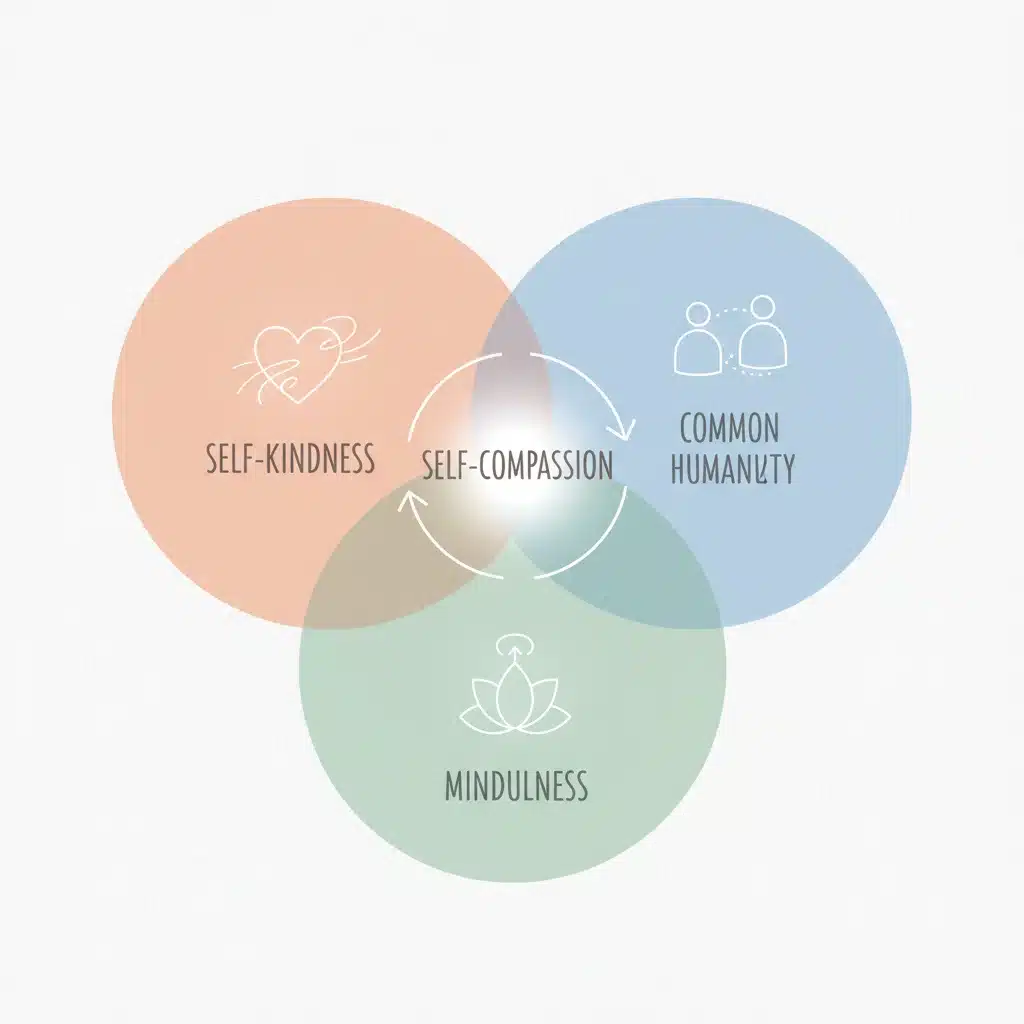
Before we dive into the specifics of our self-compassion program mental well-being, let’s clarify what self-compassion truly entails. Often misunderstood, it’s not about being weak, making excuses, or indulging in self-pity. Instead, self-compassion, as defined by leading researcher Dr. Kristin Neff, comprises three core components:
- Self-Kindness vs. Self-Judgment: This involves treating ourselves with warmth and understanding when we suffer, fail, or feel inadequate, rather than ignoring our pain or flagellating ourselves with criticism. It’s about actively comforting ourselves, just as we would a friend.
- Common Humanity vs. Isolation: This recognizes that suffering and personal inadequacy are part of the shared human experience. When we feel pain, it connects us to others rather than separating us. It reminds us that we are not alone in our struggles.
- Mindfulness vs. Over-Identification: This means being aware of our painful thoughts and emotions without getting swept away by them. It’s about observing our feelings with curiosity and openness, neither suppressing them nor exaggerating them.
These three elements work in concert to create a powerful inner resource that can dramatically improve our emotional resilience and overall mental well-being. Research consistently shows that individuals with higher levels of self-compassion experience less anxiety and depression, greater life satisfaction, and improved coping skills. This self-compassion program mental well-being initiative aims to make these benefits accessible to everyone.
Why a Structured 6-Week Program?
While the concept of self-compassion might seem straightforward, integrating it into our deeply ingrained habits of self-criticism requires consistent effort and practice. A structured program provides the framework, guidance, and accountability necessary to cultivate these new ways of relating to ourselves. Our 6-week self-compassion program mental well-being is designed to build skills progressively, allowing you to gradually internalize practices and make them a natural part of your emotional landscape.
Each week focuses on specific aspects of self-compassion, building upon the previous week’s learning. This iterative approach ensures that you develop a strong foundation and have ample opportunity to practice and reflect. The benefits of this structured approach include:
- Gradual Integration: New habits are formed over time, not overnight. A 6-week span allows for gentle, consistent practice.
- Deep Understanding: Each week delves into a specific theme, ensuring a thorough grasp of the concepts.
- Sustainable Change: Regular practice reinforces new neural pathways, making self-compassion a more automatic response.
- Reduced Overwhelm: Breaking down the learning into manageable weekly modules prevents feeling overwhelmed.
- Community and Support: (If applicable to program delivery) A structured program can foster a sense of community, providing shared experience and encouragement.
This program is an investment in your long-term mental health, offering tools that will serve you for years to come. The emphasis on practical exercises ensures that you’re not just learning about self-compassion, but actively living it.
Outline of the 6-Week Self-Compassion Program for Mental Well-being in 2026
Here’s a detailed look at what you can expect in each week of our transformative self-compassion program mental well-being:
Week 1: Laying the Foundation – What is Self-Compassion?
The journey begins with a deep dive into the core concepts of self-compassion. This week is dedicated to understanding the three components – self-kindness, common humanity, and mindfulness – through clear explanations, reflective exercises, and initial guided meditations. We’ll explore common misconceptions about self-compassion and address any initial resistance or skepticism. The goal is to establish a solid theoretical and experiential understanding of what self-compassion truly means and how it differs from self-pity or self-indulgence. You’ll begin to identify your own patterns of self-criticism and bring a gentle awareness to them. This foundational week is crucial for setting the stage for the deeper work to come, ensuring participants are aligned with the true spirit of self-compassion. We’ll introduce simple practices like the ‘Self-Compassion Break’ to offer immediate relief and a tangible experience of self-kindness.
Week 2: Cultivating Self-Kindness – The Gentle Inner Voice
Building on the foundation, Week 2 focuses specifically on developing self-kindness. This is often the most challenging aspect for individuals accustomed to harsh self-criticism. We will engage in practices designed to soften the inner critic and replace judgmental narratives with supportive, compassionate language. Exercises will include guided meditations for cultivating a compassionate inner voice, writing compassionate letters to ourselves, and practicing gentle self-touch. The aim is to help you recognize moments of suffering and respond with warmth, understanding, and genuine care. This week emphasizes the importance of acknowledging your pain without judgment and offering yourself the comfort you would readily extend to a loved one. We’ll also explore the physiological benefits of self-kindness, noting how it can reduce stress responses and promote feelings of safety.
Week 3: Embracing Common Humanity – You Are Not Alone
In Week 3, we shift our focus to the principle of common humanity. Many of us feel isolated in our struggles, believing that our pain or imperfections are unique. This week challenges that notion by highlighting the universality of human suffering. Through shared reflections, readings, and specific meditations, you’ll learn to recognize that pain, failure, and imperfection are intrinsic parts of the human experience. This realization can be incredibly liberating, reducing feelings of shame and isolation. Practices will include contemplating the shared struggles of humanity, connecting with others’ experiences (even through stories or media), and understanding how our individual pain is a gateway to universal connection. This aspect of the self-compassion program mental well-being is vital for breaking down the walls of isolation that self-criticism often builds, fostering a sense of belonging and interconnectedness.
Week 4: Practicing Mindfulness – Awareness Without Judgment
Mindfulness is the third pillar of self-compassion and the focus of Week 4. Here, we refine our ability to observe our thoughts and emotions without getting entangled in them. This isn’t about clearing your mind, but about being present with what is, both pleasant and unpleasant, with an attitude of open curiosity. We will engage in various mindfulness exercises, including body scans, mindful breathing, and mindful movement, specifically tailored to bring a gentle awareness to difficult emotions. The goal is to develop the capacity to witness your internal experience without judgment or over-identification, creating a space between you and your suffering. This week is crucial for preventing rumination and emotional overwhelm, allowing you to respond to challenges with greater clarity and calm. You’ll learn to acknowledge difficult feelings and thoughts as transient phenomena, rather than defining aspects of your identity.
Week 5: Self-Compassion in Action – Navigating Difficult Emotions & Relationships
Having cultivated self-kindness, common humanity, and mindfulness, Week 5 is about applying these skills in real-world scenarios. We will explore how to use self-compassion to navigate challenging emotions like anger, fear, shame, and grief. This includes practical strategies for self-soothing during distress and responding to setbacks with resilience. We’ll also delve into the role of self-compassion in our relationships with others, understanding how being kind to ourselves enables us to be more genuinely kind and present with those around us. Exercises will focus on applying the ‘Self-Compassion Break’ in moments of difficulty, practicing forgiveness (both for self and others), and setting compassionate boundaries. This week truly integrates the learning, showing how a robust self-compassion program mental well-being can transform daily life.

Week 6: Sustaining Your Practice – Integration and Future Growth
The final week of the self-compassion program mental well-being is dedicated to integrating the practices into your long-term life and planning for continued growth. We will review the progress made, celebrate successes, and address any ongoing challenges. This week focuses on developing a personalized self-compassion practice plan that fits your lifestyle. We’ll discuss how to maintain motivation, overcome obstacles, and continually deepen your capacity for self-compassion. Topics will include integrating informal practices into daily routines, finding supportive resources, and understanding self-compassion as a lifelong journey rather than a destination. The aim is to empower you to be your own best advocate for mental well-being, equipped with a powerful toolkit for navigating life with kindness and resilience well beyond 2026.
Benefits of Engaging in a Self-Compassion Program for Mental Well-being
The advantages of cultivating self-compassion extend far beyond simply feeling better in the moment. A consistent self-compassion program mental well-being can lead to profound and lasting positive changes in various aspects of your life:
- Reduced Stress and Anxiety: By softening self-criticism, you diminish a major source of internal stress, leading to a calmer nervous system.
- Increased Emotional Resilience: Self-compassion helps you bounce back from setbacks and failures more quickly, seeing them as opportunities for growth rather than definitive judgments of your worth.
- Improved Mood and Life Satisfaction: Treating yourself with kindness naturally boosts positive emotions and a general sense of well-being.
- Enhanced Motivation: Contrary to popular belief, self-compassion is a stronger motivator than self-criticism. It encourages learning from mistakes rather than fearing them.
- Better Relationships: When you are kind to yourself, you are often more patient, understanding, and compassionate towards others.
- Greater Self-Worth: Self-compassion fosters an unconditional sense of self-worth, independent of external achievements or failures.
- Healthier Coping Mechanisms: Instead of resorting to unhealthy coping strategies, self-compassion encourages self-soothing and constructive problem-solving.
- Reduced Fear of Failure: Knowing you’ll be kind to yourself regardless of the outcome empowers you to take more risks and pursue your goals more courageously.
These benefits aren’t theoretical; they are backed by extensive scientific research. The impact of a dedicated self-compassion program mental well-being can be truly life-altering, providing you with an internal sanctuary from the storms of life. Imagine navigating challenges not with dread, but with a steady, kind presence within yourself.
Who Can Benefit from This Program?
This 6-week self-compassion program mental well-being is designed for a wide range of individuals. You might benefit if you:
- Struggle with a harsh inner critic and frequent self-judgment.
- Experience high levels of stress, anxiety, or perfectionism.
- Find it difficult to cope with mistakes or failures.
- Often feel isolated in your struggles.
- Desire to build greater emotional resilience.
- Are looking for practical tools to improve your mental health.
- Want to cultivate a more supportive and nurturing relationship with yourself.
- Are in a helping profession and want to prevent burnout.
- Are simply curious about the power of self-compassion and want to explore it in a structured way.
Whether you are new to mindfulness and self-compassion or have some experience, this program offers fresh perspectives and practical exercises that can deepen your practice and enhance your well-being. It’s an inclusive journey, welcoming all who seek a kinder, more balanced approach to life.
Getting Started with Your Self-Compassion Journey in 2026
Embarking on this self-compassion program mental well-being is a commitment to yourself, a promise to nurture your inner world with the care it deserves. Here are some tips to help you get the most out of your 6-week journey:
- Commit to Daily Practice: Even a few minutes a day can make a significant difference. Consistency is more important than duration.
- Be Patient with Yourself: Self-compassion is a skill that develops over time. There will be days when it feels easier and days when it feels harder. Approach these fluctuations with kindness.
- Create a Supportive Environment: Designate a quiet space for your practices, and consider informing supportive friends or family about your journey.
- Journal Your Experiences: Writing down your reflections, challenges, and insights can deepen your understanding and track your progress.
- Connect with Others (if applicable): If the program offers a community aspect, engage with it. Sharing experiences can reinforce the sense of common humanity.
- Be Open to New Perspectives: Challenge your preconceived notions about self-compassion and allow yourself to explore new ways of relating to your inner experience.
- Celebrate Small Victories: Acknowledge and appreciate every moment you choose self-kindness over self-criticism.
Remember, this is not just another self-improvement task; it’s an act of profound self-care. By engaging in this self-compassion program mental well-being, you are laying the groundwork for a more peaceful, resilient, and joyful existence.
Conclusion: A Kinder Path to Lasting Mental Well-being
As we look towards 2026, the opportunity to transform our relationship with ourselves through a dedicated self-compassion program mental well-being has never been more vital. In a world that often demands perfection and relentless striving, learning to treat ourselves with kindness, understanding, and a recognition of our shared humanity is a revolutionary act. It’s an act that not only benefits us individually but ripples out to positively impact our relationships, our communities, and our capacity to contribute meaningfully to the world.
This 6-week program provides a structured, supportive, and deeply enriching pathway to cultivate these essential life skills. By committing to this journey, you are not simply learning techniques; you are embarking on a profound transformation that will equip you with an unwavering inner resource – the power of self-compassion. Imagine a life where you meet challenges with an inner calm, where mistakes are seen as opportunities for growth, and where your own presence is a source of comfort and strength. This is the promise of self-compassion, and it’s a promise within your reach.
Take the first step towards a kinder, more resilient you. Embrace the power of self-compassion and unlock a deeper, more sustainable sense of mental well-being for 2026 and beyond. Your journey to inner peace and strength begins now.