Mastering Habit Formation: Your 21-Day Blueprint for Lasting Change in 2026

As the calendar turns to 2026, many of us find ourselves on the cusp of a new year, brimming with aspirations for self-improvement and personal growth. The desire to cultivate better habits and shed detrimental ones is a universal theme, yet the path to lasting change often feels elusive. This year, let’s make it different. This article presents a comprehensive habit formation blueprint designed to guide you through a transformative 21-day journey, laying the groundwork for sustainable positive change that extends far beyond the initial three weeks.
The concept of 21 days to form a habit is popular, though often misunderstood. While it’s true that consistency over approximately three weeks can initiate a new behavior, true habit formation is a more nuanced process. It’s about creating neural pathways, integrating new routines into your lifestyle, and making choices that align with your long-term goals. This blueprint will delve into the science, strategies, and practical steps to ensure your efforts in 2026 lead to genuine, lasting change.
Understanding the Science of Habit Formation
Before we embark on our 21-day journey, it’s crucial to understand the underlying mechanisms of habit formation. Habits aren’t just random acts; they are neurological shortcuts our brains create to conserve energy. When we repeat actions in consistent contexts, our brains become more efficient at executing them, eventually making them automatic.
The Habit Loop: Cue, Craving, Response, Reward
Charles Duhigg, in his seminal work ‘The Power of Habit,’ popularized the concept of the ‘habit loop.’ This loop comprises four key stages:
- Cue: A trigger that tells your brain to go into automatic mode and which habit to use. This could be a time of day, a location, an emotion, other people, or an immediately preceding action.
- Craving: The motivational force behind every habit. It’s not the reward itself, but the anticipation of the reward. We don’t crave the cigarette; we crave the relief it provides.
- Response: The actual habit you perform, which can be a thought or an action. It requires a certain amount of effort, and the easier the response, the more likely you are to do it.
- Reward: The positive reinforcement that satisfies the craving and tells your brain that this particular habit loop is worth remembering in the future.
Understanding this loop is fundamental to our habit formation blueprint. By dissecting each component, we can intentionally design new habits and dismantle old ones.
The Role of Repetition and Context
Neuroplasticity, the brain’s ability to reorganize itself by forming new neural connections, is at the heart of habit formation. Each time you repeat a behavior, you strengthen the neural pathways associated with it. Consistent repetition, especially within the same context, solidifies these pathways, making the behavior more automatic.
Context plays a vital role. If you always read your book in bed before sleeping, your brain will eventually associate being in bed with reading. This environmental cue becomes a powerful trigger for the desired behavior. Our habit formation blueprint leverages this principle by encouraging consistent practice in predictable environments.
Identity-Based Habits: Who You Want to Be
James Clear, in ‘Atomic Habits,’ introduces the concept of identity-based habits. Instead of focusing on what you want to achieve (outcome-based) or what you need to do (process-based), focus on who you want to become. For example, instead of ‘I want to lose weight,’ think ‘I am a healthy person.’ This shift in identity makes it easier to adopt behaviors that align with that identity.
Our habit formation blueprint encourages you to define the person you aspire to be and then choose habits that reflect that identity. This intrinsic motivation is a powerful driver for long-term change.
Phase 1: Preparation and Planning (Days 1-3)
The success of any endeavor lies in its preparation. The first three days of our habit formation blueprint are dedicated to setting a solid foundation.
Day 1: Identify Your Keystone Habits
A keystone habit is a single habit that, when adopted, automatically leads to other positive changes. For example, regular exercise can lead to better sleep, improved diet, and increased productivity. Identify one or two keystone habits you want to focus on for the next 21 days. Be specific and realistic.
- Action: Brainstorm 3-5 potential keystone habits. Consider areas like health, productivity, relationships, or learning.
- Reflection: Which of these habits, if consistently practiced, would have the most ripple effect on other areas of your life? Choose one to two to focus on.
- Example: If your goal is better health, a keystone habit might be ‘drinking 8 glasses of water daily’ or ‘walking for 30 minutes every morning.’
Day 2: Design Your Habit Loop
Now that you’ve identified your target habit, let’s design its habit loop using the principles we discussed. Make your cues obvious, your cravings attractive, your responses easy, and your rewards satisfying.
- Cue: What existing routine or specific time/place can trigger your new habit? (e.g., ‘After I brush my teeth,’ ‘When I sit at my desk’).
- Craving: What’s the underlying benefit or feeling you’re seeking? (e.g., ‘Feeling energized,’ ‘Sense of accomplishment,’ ‘Reduced stress’).
- Response: How can you make the habit as easy as possible to start? (e.g., ‘Lay out workout clothes the night before,’ ‘Keep a water bottle on my desk’). Break it down into the smallest possible step (atomic habit).
- Reward: How will you immediately reward yourself (even subtly) after completing the habit? (e.g., ‘Enjoy a cup of tea,’ ‘Listen to a favorite song,’ ‘Check off a box on a tracker’).
Habit Stacking: A powerful technique is to stack your new habit onto an existing one. ‘After [CURRENT HABIT], I will [NEW HABIT].’ This provides an instant cue.
Day 3: Prepare Your Environment and Commit
Your environment is a powerful, often overlooked, determinant of your habits. Make it easier to do the right thing and harder to do the wrong thing.
- Visibility: Place visual reminders of your new habit where you’ll see them.
- Friction Reduction: Remove obstacles. If you want to exercise, have your shoes by the door. If you want to eat healthier, pre-chop vegetables.
- Commitment Device: Tell a friend or family member about your habit formation blueprint. Use a habit tracker (digital or physical). Public commitment increases accountability.
By the end of Day 3, you should have a clear, actionable plan for your chosen habit(s) and an environment conducive to their success.
Phase 2: Consistent Action and Adaptation (Days 4-17)
This is the core of the 21-day challenge – consistent, daily action. This phase focuses on repetition, tracking, and making necessary adjustments.
Days 4-7: The Initial Push – Building Momentum
The first week is often the hardest. Motivation might be high, but the novelty can wear off quickly. Focus on simply showing up and performing the habit, no matter how small.
- Focus on Consistency over Intensity: Don’t aim for perfection. If your goal is 30 minutes of exercise, and you only manage 5, that’s still a win. The goal is to not break the chain.
- Track Your Progress: Use your habit tracker diligently. Seeing a visual representation of your progress is incredibly motivating.
- Reinforce Your Identity: After completing your habit, silently affirm, ‘I am a [healthy, productive, learning] person.’

Days 8-14: Overcoming Obstacles and Plateaus
Around the second week, you might encounter resistance or a dip in motivation. This is normal. This phase is about developing resilience and problem-solving.
- Anticipate Obstacles: Think about what might prevent you from completing your habit (e.g., ‘I’m too tired,’ ‘I don’t have time’). Develop ‘if-then’ plans: ‘If I’m too tired, then I will do 5 minutes of stretching instead of a full workout.’
- Re-evaluate Cues and Rewards: Are your cues still effective? Is your reward truly satisfying your craving? Tweak your habit loop if necessary.
- Don’t Miss Twice: The ‘never miss twice’ rule is crucial. If you miss a day, forgive yourself immediately and ensure you get back on track the very next day. One missed day is an accident; two is the start of a new, negative habit.
Days 15-17: Deepening the Routine
By this point, the habit should start to feel more integrated into your daily routine. The effort required might feel less significant.
- Increase the Challenge (Optional): If the habit feels too easy, you might consider incrementally increasing its duration or intensity. For example, if you’ve been reading for 10 minutes, try 15.
- Mindfulness: Pay attention to how the habit makes you feel. Notice the positive effects on your mood, energy, or focus. This internal reward strengthens the habit.
- Review Your Progress: Look back at your tracker. Celebrate how far you’ve come. This positive reinforcement is vital.
Phase 3: Integration and Future-Proofing (Days 18-21)
The final days are about solidifying the habit and preparing for its long-term maintenance beyond the 21-day mark. This is where the habit formation blueprint truly helps create lasting change.
Day 18: Reflect and Refine
Take time to reflect on your journey. What worked well? What challenges did you face? How has this habit impacted your life?
- Journaling: Write down your experiences, insights, and feelings about the new habit.
- Identify Support Systems: Who can help you maintain this habit? A workout buddy, a supportive partner, an online community?
- Future Planning: How will you integrate this habit into your long-term schedule?
Day 19: Automate and Stack Further
Look for opportunities to make the habit even more automatic. Can you use technology? Can you stack it with another habit?
- Technology: Set alarms, use apps, or automate aspects where possible (e.g., automatic bill payments if your habit is financial planning).
- Advanced Habit Stacking: If you successfully implemented one habit, consider stacking a new, related habit onto it. For instance, if you successfully started walking daily, maybe you can add listening to an educational podcast during your walk.
Day 20: Prepare for Relapse
Relapse is a natural part of behavior change, not a sign of failure. The key is to have a plan for when it happens.
- Identify Triggers: What situations or emotions might cause you to revert to old behaviors? (e.g., stress, fatigue, social pressure).
- Coping Mechanisms: Develop healthy strategies to deal with these triggers. (e.g., ‘If I feel stressed, I will take three deep breaths instead of reaching for junk food’).
- Self-Compassion: Remind yourself that one slip-up doesn’t erase all your progress. Get back on track immediately.
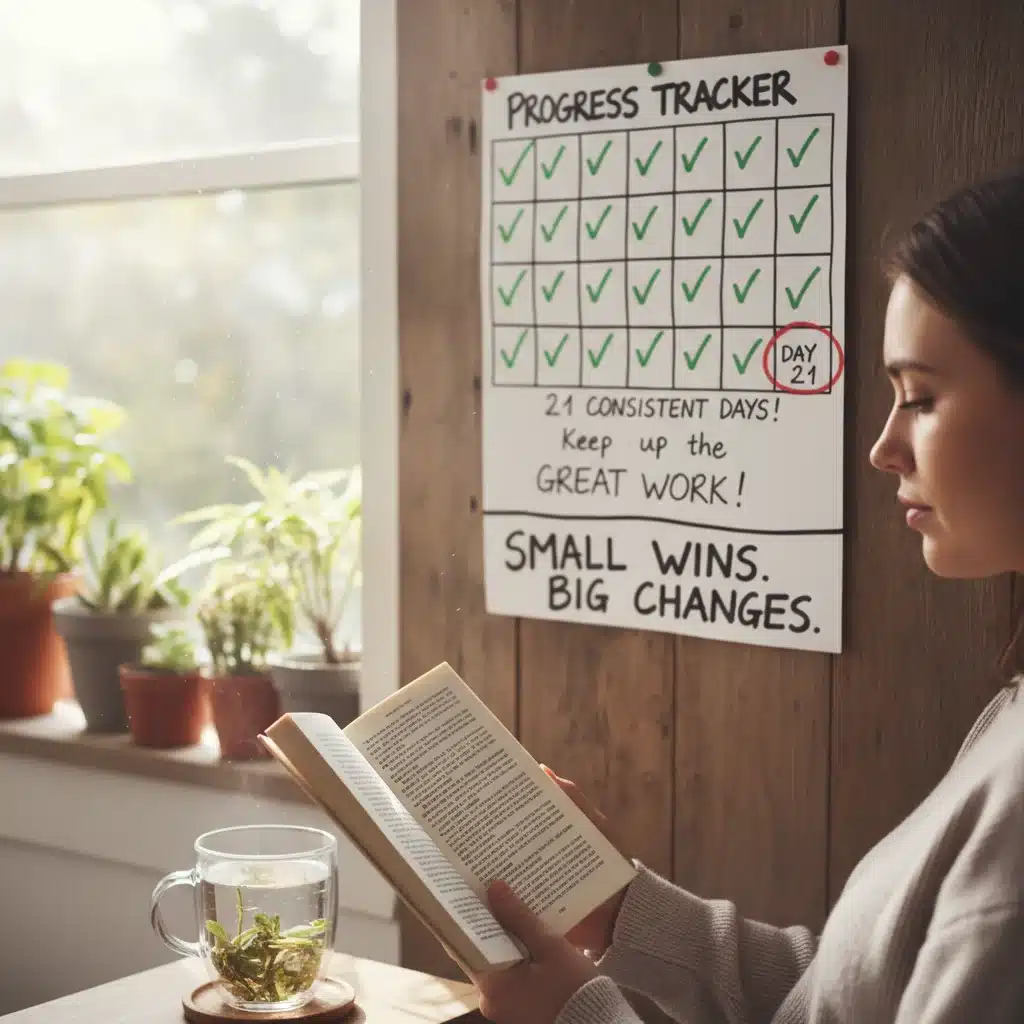
Day 21: Celebrate and Look Ahead
Congratulations! You’ve completed the initial 21 days of your habit formation blueprint. This is a significant milestone worthy of celebration.
- Meaningful Reward: Give yourself a non-habit-breaking reward that genuinely motivates you.
- Reflect on Identity: Reaffirm your new identity. ‘I am now a person who [performs this habit].’
- Set New Goals: What’s next? Will you deepen this habit, or begin applying the blueprint to another area of your life?
Advanced Strategies for Long-Term Habit Maintenance
While the 21-day habit formation blueprint provides a strong start, true sustainability requires ongoing effort and refined strategies.
The Two-Minute Rule
When starting a new habit, it should take less than two minutes to do. ‘Read before bed each night’ becomes ‘Read one page.’ ‘Run for 30 minutes’ becomes ‘Put on my running shoes.’ The idea is to make the starting point so easy that you can’t say no. Once you’ve started, it’s often easier to continue.
Make It Attractive
Our brains are wired to seek pleasure. How can you make your desired habit more attractive? Pair it with something you already enjoy (temptation bundling). For example, ‘I will only watch my favorite show while I’m on the treadmill.’
Make It Obvious
The best way to make a cue obvious is to design your environment. Want to practice guitar more? Leave it out in the living room. Want to eat healthier snacks? Keep them visible and easily accessible in your fridge.
Make It Satisfying
Immediate rewards are crucial for reinforcing a habit. While long-term benefits are motivating, our brains respond strongly to instant gratification. This doesn’t mean unhealthy rewards. It could be tracking your progress, a mental pat on the back, or a small, healthy treat.
Accountability Partners
Having someone to report to significantly increases your chances of success. This could be a friend, family member, mentor, or even an online community. Knowing someone is expecting you to follow through provides an extra layer of motivation.
Review and Adjust Regularly
Life changes, and so should your habits. Periodically review your habits (e.g., monthly or quarterly). Are they still serving you? Are they still aligned with your identity and goals? Don’t be afraid to tweak or even abandon habits that no longer fit. The goal is continuous improvement, not rigid adherence to an outdated plan.
Patience and Persistence
True habit formation takes time. While 21 days can kickstart the process, some habits may take months or even longer to become fully ingrained. Be patient with yourself, celebrate small victories, and remember that setbacks are opportunities for learning, not reasons to give up. The journey of personal growth is ongoing.
Common Pitfalls and How to Avoid Them
Even with a solid habit formation blueprint, there are common traps people fall into. Awareness is the first step to avoidance.
Trying to Change Too Much at Once
The desire for rapid transformation is strong, but attempting to overhaul multiple areas of your life simultaneously often leads to burnout and failure. Our blueprint focuses on one or two keystone habits for a reason. Start small, master one, then build on that success.
Lack of Specificity
Vague goals like ‘eat healthier’ or ‘be more productive’ are hard to act upon. Our blueprint emphasizes defining clear, actionable habits with specific cues and responses. ‘I will eat a serving of vegetables with dinner’ is far more effective than ‘I will eat healthier.’
Ignoring the Environment
Your surroundings significantly influence your choices. Failing to optimize your environment for your desired habits is like swimming upstream. Make it easy to do the right thing and hard to do the wrong thing.
Not Tracking Progress
What gets measured gets managed. Without tracking, it’s easy to lose motivation and underestimate your consistency. A simple checkmark on a calendar can be incredibly powerful.
Perfectionism and All-or-Nothing Thinking
Missing a day or falling short of your goal doesn’t mean you’ve failed completely. Don’t let one slip-up derail your entire effort. Embrace the ‘never miss twice’ rule and view setbacks as temporary deviations, not permanent failures.
Underestimating the Power of Identity
If you don’t truly believe you are the type of person who performs a certain habit, it will be an uphill battle. Continuously reinforce your desired identity. ‘I am a runner’ makes it easier to go for a run than ‘I need to go for a run.’
Conclusion: Your Transformed 2026 Awaits
Embarking on a journey of personal transformation in 2026 is an exciting prospect. This 21-day habit formation blueprint provides you with the structure, knowledge, and actionable steps to turn your aspirations into tangible realities. By understanding the science of habits, meticulously planning your approach, consistently taking action, and adapting along the way, you are not just building habits; you are building a better version of yourself.
Remember, lasting change is a marathon, not a sprint. The 21 days are a powerful catalyst, but the true magic happens through continued dedication and self-awareness. Embrace the process, be kind to yourself, and celebrate every step forward. Your transformed 2026, filled with purposeful action and positive routines, is within your grasp. Start today, and unlock the incredible power of consistent habit formation.