5G Impact on Daily Life: What to Expect by 2026
The Profound 5G Impact on Daily Life: What to Expect by 2026 and Beyond
The fifth generation of wireless technology, commonly known as 5G, is not just another incremental upgrade. It represents a paradigm shift in connectivity, promising to redefine the very fabric of our daily lives. While 5G has been rolling out for a few years, its full potential is only beginning to be realized. By 2026, and certainly beyond, the 5G daily life impact will be ubiquitous, transforming how we communicate, work, learn, entertain ourselves, and interact with our environment. This article delves deep into the anticipated changes, exploring the myriad ways 5G will shape our future.
Understanding the Core Pillars of 5G’s Transformation
To truly grasp the impending 5G daily life impact, it’s crucial to understand the fundamental improvements 5G brings over its predecessors. These aren’t just faster speeds; they are foundational changes enabling entirely new applications and experiences.
Blazing Fast Speeds: The Need for Speed Redefined
One of the most touted features of 5G is its incredible speed. Theoretically, 5G can achieve speeds up to 10 gigabits per second (Gbps), which is up to 100 times faster than 4G. In practical terms, this means downloading a full-length HD movie in seconds, ultra-smooth 8K video streaming without buffering, and instant access to cloud-based applications. This enhanced bandwidth is critical for supporting the growing demand for data-intensive activities and will significantly reduce the friction associated with digital interactions, leading to a much more fluid and responsive online experience for everyone. The sheer volume of data that can be transmitted simultaneously will also open doors for more complex and data-rich applications that are currently limited by network capabilities. Imagine real-time collaborative virtual reality environments where participants feel truly present, or instantaneous access to massive datasets for scientific research – these are the scenarios enabled by 5G’s unparalleled speed. This speed isn’t just about personal convenience; it’s about enabling industrial and societal advancements that require massive data throughput.
Ultra-Low Latency: The Key to Real-Time Interactions
Perhaps even more significant than speed is 5G’s ultra-low latency. Latency refers to the delay between sending a signal and receiving a response. While 4G typically has a latency of around 50-100 milliseconds, 5G aims for latency as low as 1 millisecond. This near-instantaneous response time is a game-changer for applications requiring real-time interaction and precision. Consider autonomous vehicles: a 1-millisecond delay can mean the difference between a safe stop and a collision. In remote surgery, it allows doctors to control robotic instruments with the same precision as if they were in the room. Gaming will become even more immersive with virtually no lag, and industrial automation will reach new levels of efficiency and safety. The implications of ultra-low latency extend across almost every sector, making real-time decision-making and control possible in ways previously unimaginable. This low latency will be a cornerstone of the 5G daily life impact, enabling a new era of responsive and interconnected systems.
Massive Connectivity: The Internet of Everything
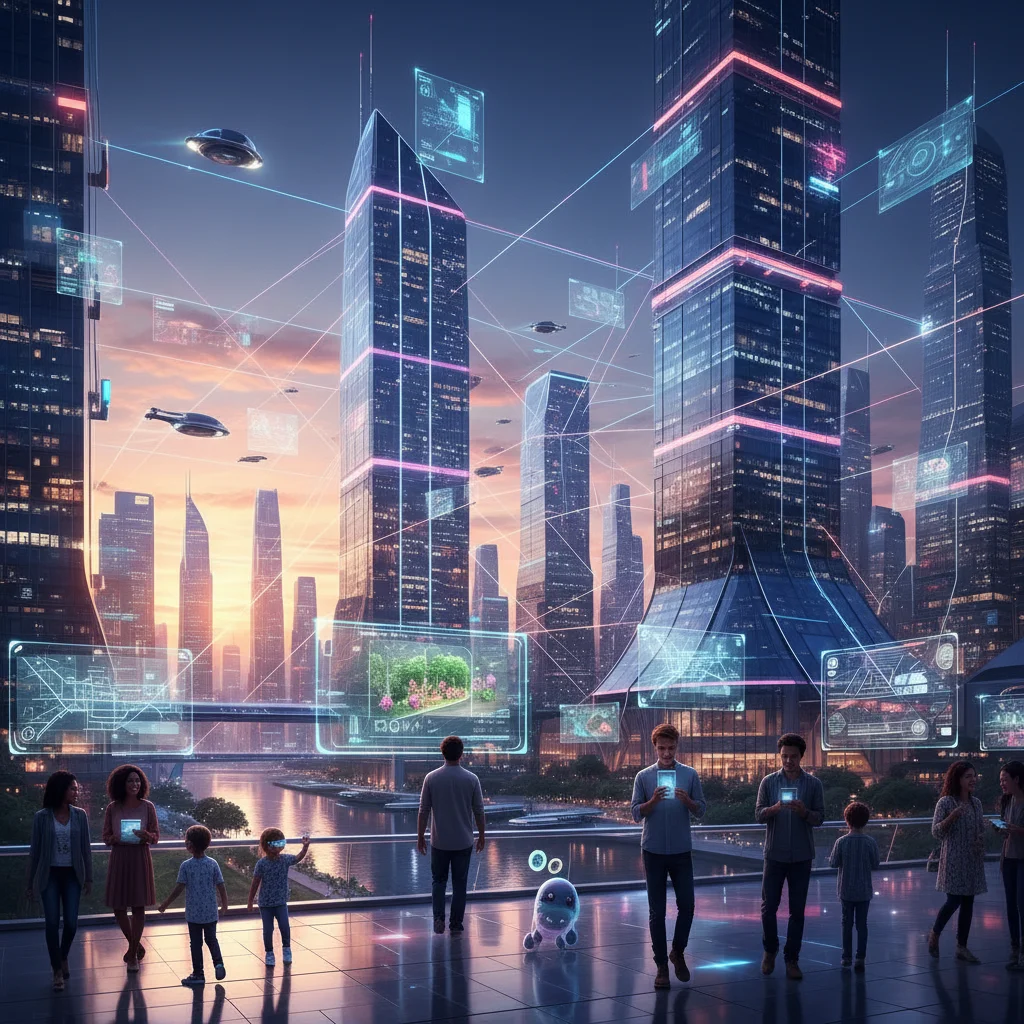
5G is designed to connect a significantly larger number of devices per square kilometer than 4G. This capability, known as Massive Machine-Type Communications (mMTC), is crucial for the proliferation of the Internet of Things (IoT). From smart home appliances and wearables to industrial sensors and city infrastructure, 5G will enable billions of devices to communicate seamlessly and simultaneously. This massive connectivity will create a dense network of data points, providing unprecedented insights and enabling intelligent automation across various domains. Imagine smart cities where traffic lights adjust in real-time based on vehicle flow, waste bins signal when they need emptying, and environmental sensors monitor air quality with granular precision. This level of interconnectedness will lead to more efficient resource management, improved public services, and a more sustainable future. The ability to connect so many devices reliably and efficiently is a core component of the transformative 5G daily life impact.
Enhanced Reliability and Network Slicing: Tailored Connectivity
Beyond speed, latency, and density, 5G offers enhanced reliability and the innovative concept of network slicing. Network slicing allows mobile operators to create multiple virtual networks on a single physical 5G infrastructure, each tailored to specific service requirements. For instance, an autonomous vehicle network could be allocated a slice with ultra-low latency and high reliability, while a smart farming application might get a slice optimized for massive connectivity and energy efficiency. This customization ensures that critical applications receive the dedicated resources they need, guaranteeing performance and security. This flexibility and reliability are vital for industries that cannot tolerate network disruptions and will be a key driver of the comprehensive 5G daily life impact across various sectors.
The 5G Daily Life Impact by 2026: A Sector-by-Sector Look
Revolutionizing Communication and Social Interaction
By 2026, 5G will have fundamentally altered how we communicate. High-definition video calls will become the norm, even in crowded areas, with crystal-clear audio and visuals. Augmented Reality (AR) and Virtual Reality (VR) will move beyond niche applications to become integral parts of social interaction. Imagine attending a virtual concert with friends from across the globe, feeling truly present, or participating in immersive virtual meetings that mimic in-person interactions. Holographic communication, once the stuff of science fiction, could begin to emerge, offering hyper-realistic remote presence. The boundaries between physical and digital communication will blur, fostering new forms of social connection and collaboration. Live streaming will be smoother and higher quality, enabling content creators to deliver more engaging experiences. Furthermore, the capacity for instant translation services built into communication platforms will break down language barriers in real-time, facilitating global understanding and collaboration. The 5G daily life impact on communication will be profound, making our interactions richer and more seamless.
Transforming Work and Productivity
The workplace of 2026 will be vastly different thanks to 5G. Remote work will be more efficient and productive than ever. Employees will be able to access powerful cloud-based applications and large files instantly, regardless of their location. Collaborative tools, enhanced by AR/VR, will allow teams to work together in virtual spaces as if they were in the same room, designing products, reviewing blueprints, or training staff with unprecedented immersion. Field workers will have real-time access to complex data, schematics, and expert guidance through AR headsets, boosting efficiency and reducing errors. The manufacturing sector will see widespread adoption of 5G-enabled robotics and automation, leading to smarter factories with predictive maintenance and optimized production lines. The ability to connect vast numbers of sensors and machines will create hyper-efficient industrial environments, reducing downtime and increasing output. The 5G daily life impact on work will be characterized by increased flexibility, efficiency, and innovation.
Advancements in Healthcare and Wellness
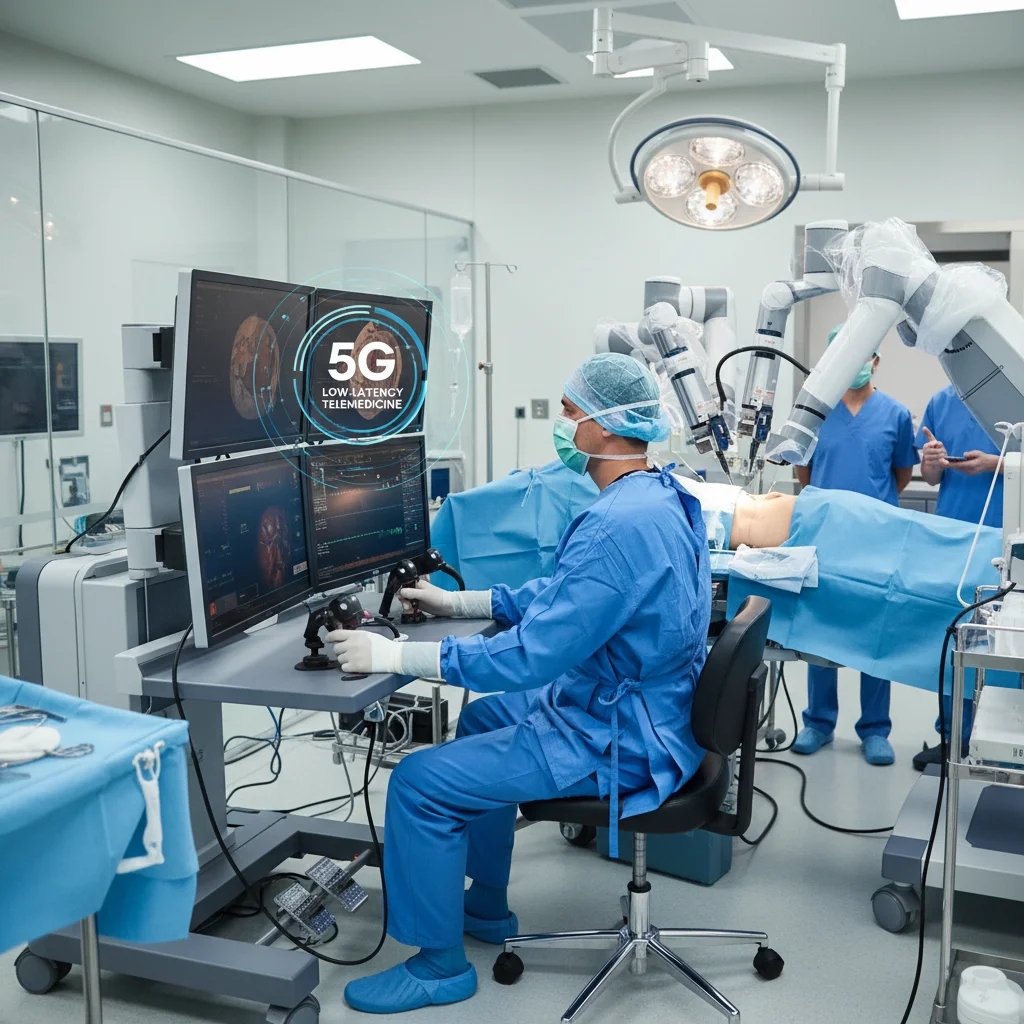
Healthcare stands to be one of the most significantly impacted sectors. By 2026, telemedicine will be more sophisticated, with remote consultations offering high-definition video and real-time vital sign monitoring. Remote surgery, facilitated by 5G’s ultra-low latency, will allow specialists to operate on patients in distant locations, expanding access to world-class medical care. Wearable devices will continuously monitor health metrics, providing real-time data to healthcare providers and enabling proactive interventions. Smart hospitals will utilize 5G for asset tracking, patient monitoring, and efficient data transfer, leading to improved operational efficiency and patient outcomes. The development of AI-powered diagnostics will be accelerated by 5G’s ability to quickly transmit and process massive medical datasets. Furthermore, emergency services will benefit from 5G’s reliable, high-speed connectivity, allowing paramedics to transmit critical patient data and even live video streams to hospitals en route, preparing medical teams for arrival. The transformative 5G daily life impact on healthcare will lead to more accessible, efficient, and personalized medical services.
The Future of Entertainment and Education
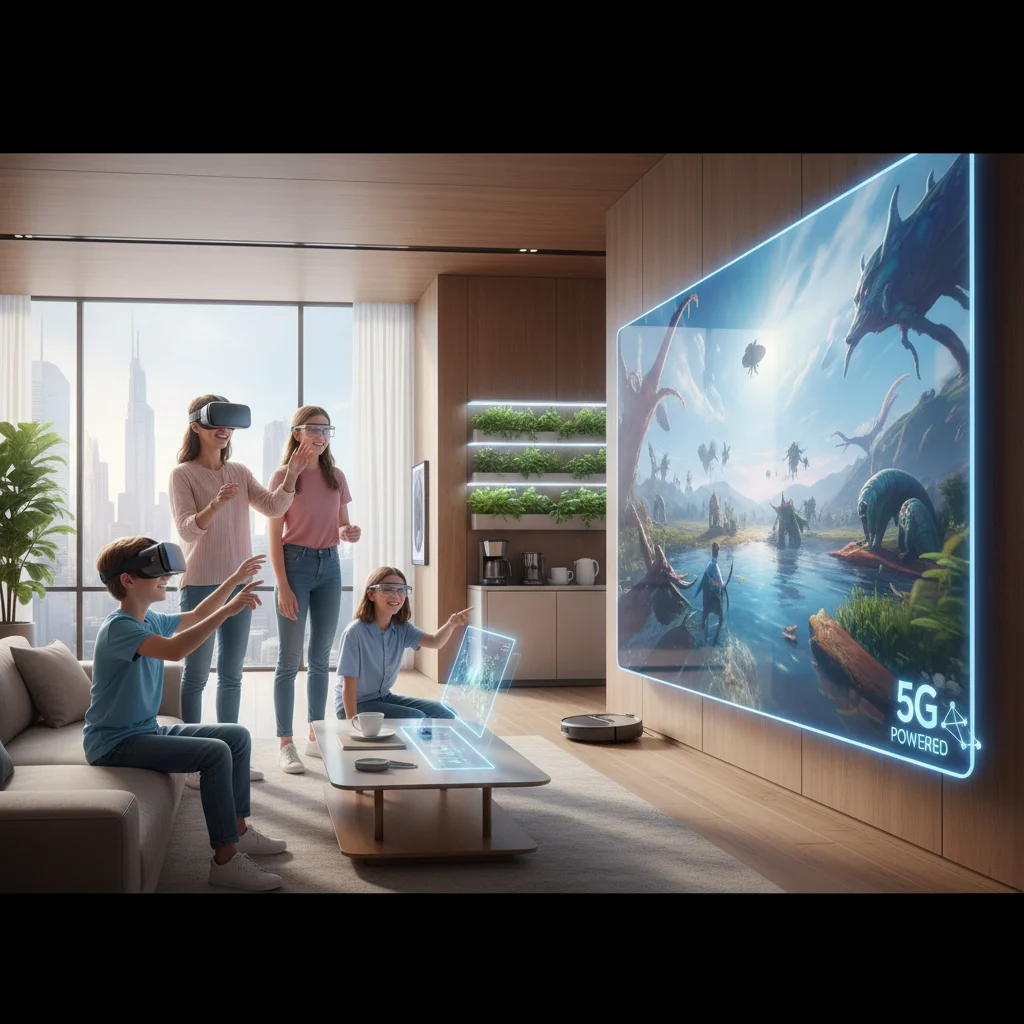
Entertainment will become more immersive and interactive. 5G will enable seamless 8K video streaming and cloud gaming, where complex games are processed on remote servers and streamed to devices with minimal latency, eliminating the need for expensive local hardware. AR and VR experiences will become commonplace, offering new ways to consume content, attend virtual events, and explore digital worlds. Education will also undergo a revolution. Virtual classrooms will offer immersive learning experiences, allowing students to interact with 3D models, conduct virtual experiments, and go on virtual field trips from anywhere. Personalized learning paths, powered by AI and delivered via 5G, will adapt to individual student needs and learning styles. Access to educational resources will be democratized, as high-speed, reliable internet becomes more widespread, enabling students in remote areas to access the same quality of education as their urban counterparts. The 5G daily life impact on entertainment and education will usher in an era of rich, interactive, and personalized experiences.
Smarter Cities and Infrastructure
The concept of smart cities will become a tangible reality by 2026, largely powered by 5G. Urban environments will deploy vast networks of IoT sensors to monitor everything from traffic flow and air quality to waste management and public safety. This data will be analyzed in real-time by AI systems to optimize city services, reduce congestion, and improve environmental sustainability. Smart public transportation systems, including autonomous buses and taxis, will become more prevalent, communicating with each other and with city infrastructure via 5G to ensure efficient and safe travel. Emergency response times will improve as connected sensors detect incidents and dispatch services automatically. Smart grids will manage energy distribution more efficiently, reducing waste and enhancing reliability. The 5G daily life impact on urban living will create more livable, sustainable, and responsive cities for their inhabitants.
Autonomous Vehicles and Transportation
Autonomous vehicles are one of the most anticipated applications of 5G. The ultra-low latency and high bandwidth of 5G are critical for vehicles to communicate with each other (V2V), with infrastructure (V2I), and with pedestrians (V2P) in real-time. This Vehicle-to-Everything (V2X) communication will enable safer roads, reduce traffic congestion, and optimize fuel efficiency. By 2026, we can expect to see more advanced levels of autonomous driving, with vehicles capable of complex decision-making and navigation in various conditions. Beyond cars, 5G will support smart logistics and supply chains, with connected drones and autonomous delivery robots becoming more common, revolutionizing how goods are transported and delivered. The entire transportation ecosystem will become more interconnected and intelligent, leading to significant improvements in safety, efficiency, and convenience. The 5G daily life impact on transportation will transform our journeys and the movement of goods.
Challenges and Considerations for the Future of 5G
While the promises of 5G are immense, its widespread adoption and full realization of its potential also come with challenges that need to be addressed. Understanding these challenges is crucial for a balanced perspective on the future 5G daily life impact.
Infrastructure Rollout and Cost
Deploying a comprehensive 5G network requires significant investment in infrastructure, including new base stations, fiber optic backbones, and small cells. This rollout is complex and costly, particularly in rural and remote areas where population density is low. Governments and telecommunication companies are continually working to expand coverage, but achieving ubiquitous 5G access will take time and sustained effort. The cost of upgrading existing infrastructure and building new networks is a substantial barrier, and how these costs are passed on to consumers will influence adoption rates. Furthermore, securing the necessary permits and rights-of-way for new cell tower installations can be a lengthy process, slowing down deployment. The financial and logistical hurdles of infrastructure development are perhaps the most immediate challenges to fully realizing the 5G daily life impact.
Security and Privacy Concerns
With an exponentially increasing number of connected devices, the attack surface for cyber threats also expands dramatically. Securing the vast and complex 5G ecosystem, from core networks to individual IoT devices, is a paramount concern. Data privacy is another critical issue, as 5G enables the collection and transmission of unprecedented amounts of personal and sensitive information. Robust security protocols, encryption, and regulatory frameworks are essential to protect users from data breaches and misuse. As more critical infrastructure becomes 5G-enabled, the potential for catastrophic attacks increases, making cybersecurity a top priority for national security and economic stability. Addressing these security and privacy concerns is fundamental to building trust and ensuring a positive 5G daily life impact.
Digital Divide and Accessibility
While 5G promises to bridge connectivity gaps, there’s a risk it could exacerbate the digital divide if access is not equitable. Communities lacking the necessary infrastructure or the financial means to afford 5G services could be left behind, further widening the gap between the digitally empowered and the underserved. Ensuring that 5G access is affordable and available to everyone, regardless of their socioeconomic status or geographic location, is crucial for fostering inclusive growth and preventing a two-tiered society. Government policies, public-private partnerships, and innovative business models will be necessary to ensure that the benefits of the 5G daily life impact are shared by all.
Energy Consumption
The extensive infrastructure and increased data traffic associated with 5G networks inherently lead to higher energy consumption. As the world strives for greater environmental sustainability, managing the energy footprint of 5G is a significant challenge. Developing more energy-efficient hardware, optimizing network operations, and integrating renewable energy sources into 5G infrastructure are critical areas of research and development. Balancing the environmental impact with the technological advancements is a delicate act that will shape the long-term viability and sustainability of the 5G daily life impact.
Regulatory and Ethical Frameworks
The rapid evolution of 5G technology often outpaces existing regulatory and ethical frameworks. Issues such as data ownership, algorithmic bias in AI-powered 5G applications, the ethical implications of autonomous systems, and the allocation of spectrum need careful consideration. Governments and international bodies must collaborate to develop agile and forward-thinking policies that foster innovation while protecting public interest and safety. Establishing clear guidelines for the responsible deployment and use of 5G technologies will be vital for harnessing its potential benefits while mitigating potential risks. This regulatory landscape will be a continuous work in progress as the 5G daily life impact unfolds.
Conclusion: A Hyper-Connected Future Awaits
The 5G daily life impact by 2026 and beyond will be nothing short of revolutionary. We are on the cusp of an era where virtually everything is connected, intelligent, and responsive. From seamless communication and hyper-efficient workplaces to advanced healthcare and truly smart cities, 5G will serve as the invisible backbone enabling a future that was once confined to science fiction. While challenges in deployment, security, and equity remain, the relentless pace of innovation and the strategic investments being made globally indicate a clear trajectory towards a hyper-connected world. Preparing for this future means understanding the technological shifts, addressing the associated challenges, and actively shaping a world where 5G enhances human potential and elevates the quality of life for all. The transformation is not just about faster internet; it’s about building a foundation for the next wave of digital innovation that will redefine our daily experiences in profound and exciting ways.