Combating Loneliness in 2026: Building Stronger Community Connections and Support Networks
The year is 2026, and the global conversation around mental health continues to evolve. One pervasive challenge that remains at the forefront is loneliness. Far from being a mere emotional state, loneliness has been recognized as a significant public health concern, impacting physical health, cognitive function, and overall well-being. As we navigate a world increasingly shaped by digital interactions and shifting societal structures, the need for robust community connection solutions has never been more critical. This comprehensive guide explores the multifaceted nature of loneliness in 2026 and delves into innovative, actionable strategies for fostering stronger community connections and support networks.
The Evolving Landscape of Loneliness in 2026
Before we can effectively implement community connection solutions, it’s vital to understand how loneliness manifests in our current societal context. The pandemic, while a catalyst for increased awareness, merely accelerated trends already in motion. Remote work, the gig economy, hyper-individualism, and the pervasive nature of social media have all contributed to a landscape where genuine, meaningful connections can be harder to forge and maintain.
Digital Divide and Connection Paradox
In 2026, the digital realm presents a paradox. While technology offers unprecedented avenues for communication, it can also create superficial connections that lack the depth required to combat profound loneliness. The ‘always-on’ culture, coupled with curated online personas, can lead to feelings of inadequacy and isolation, even as individuals are seemingly ‘connected’ to hundreds or thousands of others. The challenge lies in leveraging technology to enhance, rather than replace, authentic human interaction. This has made the development of effective community connection solutions even more complex, requiring a nuanced approach that integrates both digital and physical strategies.
Demographic Shifts and Vulnerable Populations
Certain demographic groups continue to be disproportionately affected by loneliness in 2026. Older adults, often facing bereavement, reduced mobility, and the dissolution of long-held social circles, are particularly vulnerable. Young adults, despite being digitally native, report high levels of loneliness, struggling with identity formation, career pressures, and the transition into independent living. Migrants and refugees, individuals with disabilities, and those from marginalized communities also face unique barriers to social integration, highlighting the need for inclusive and targeted community connection solutions.
The Imperative for Proactive Community Connection Solutions
Addressing loneliness is not merely about individual well-being; it’s a societal imperative. Research in 2026 continues to underscore the link between chronic loneliness and increased risks of heart disease, stroke, depression, anxiety, and even premature mortality. From an economic perspective, loneliness places a significant burden on healthcare systems and reduces productivity. Therefore, investing in robust community connection solutions is an investment in the health, resilience, and prosperity of our communities.
Innovative Strategies for Building Community Connection Solutions
The good news is that communities worldwide are innovating and adapting to create powerful community connection solutions. These strategies span various sectors, from urban planning to public health, education, and technology. Here are some key approaches:
1. Redesigning Urban Spaces for Social Interaction
Urban planners in 2026 are increasingly recognizing the role of physical environments in fostering or hindering social connection. The trend is moving away from purely functional spaces towards ‘third places’ – environments distinct from home and work where people can gather informally. This includes:
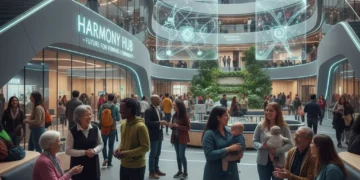
- Community Hubs: Multi-purpose centers offering everything from co-working spaces and cafes to workshops, libraries, and health services. These hubs act as natural meeting points, facilitating spontaneous interactions and shared activities.
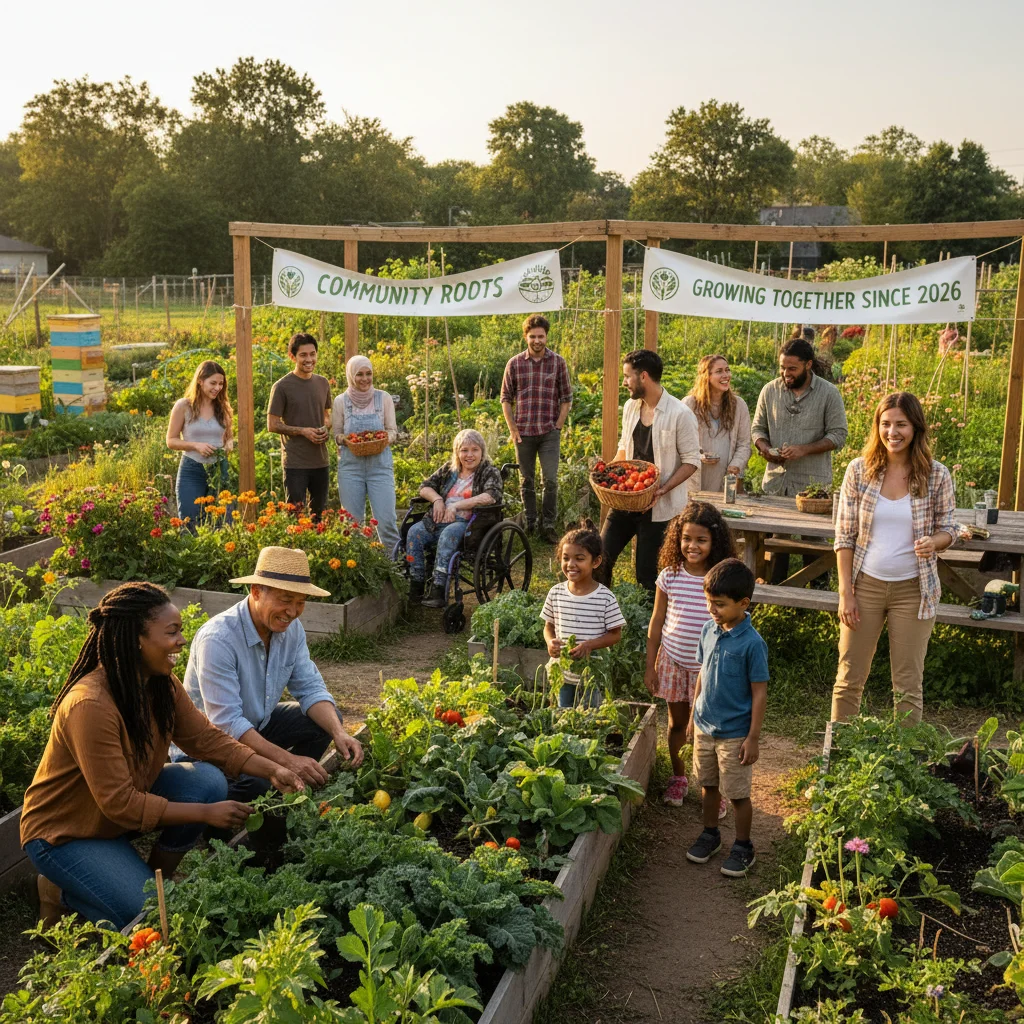
- Green Spaces and Parks: Designing accessible, well-maintained parks with amenities like community gardens, seating areas, and event spaces encourages outdoor activity and social engagement.
- Walkable Neighborhoods: Prioritizing pedestrian-friendly infrastructure, local shops, and public transport reduces reliance on cars and increases opportunities for chance encounters.
- Shared Living Models: Co-housing projects, intergenerational living communities, and senior villages designed with communal spaces and activities are gaining traction as purposeful community connection solutions.
2. Leveraging Technology for Authentic Engagement
While digital platforms can contribute to superficiality, they also hold immense potential for facilitating genuine connections when used strategically. In 2026, the focus is on:
- Localized Social Networks: Platforms specifically designed to connect neighbors and local community members, facilitating event organization, skill-sharing, and mutual aid.
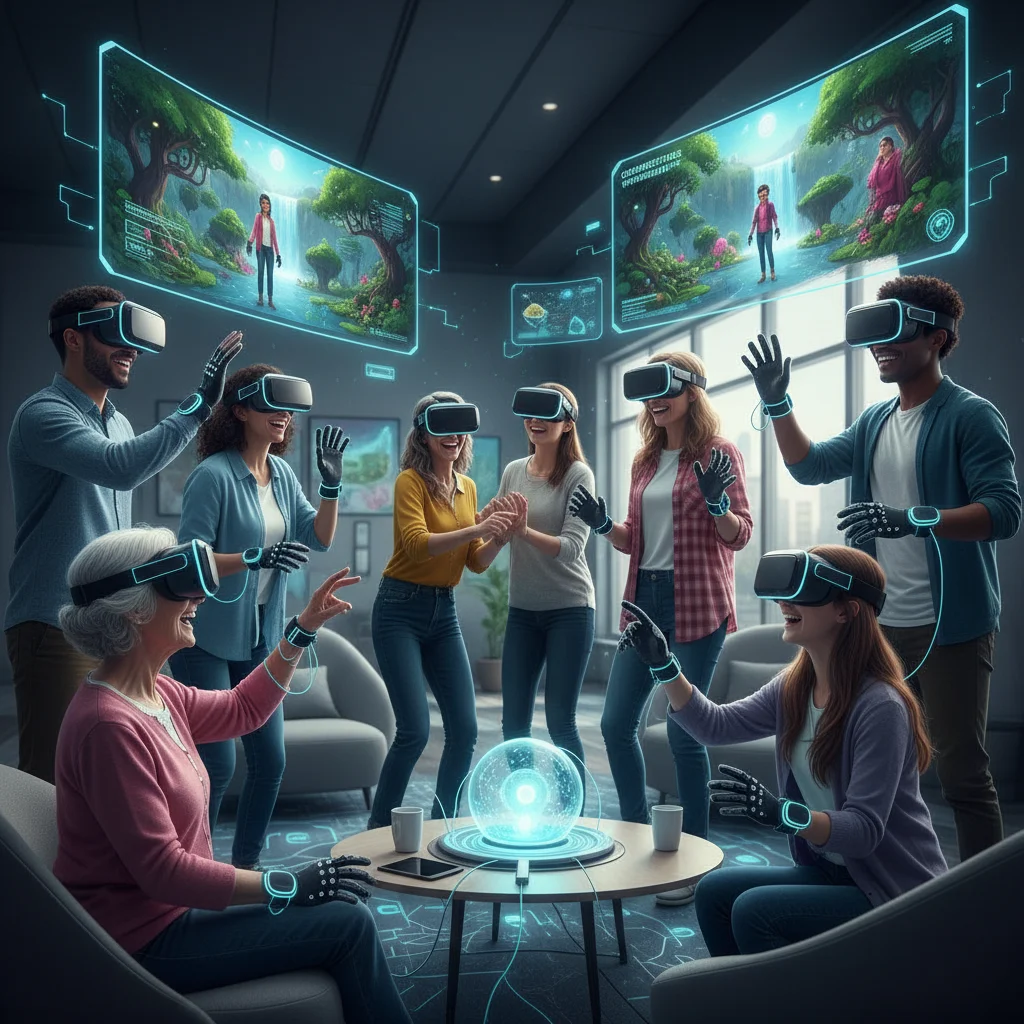
- Virtual Reality (VR) for Shared Experiences: Beyond gaming, VR is being used to create immersive shared experiences for individuals who might be geographically isolated, allowing them to attend virtual concerts, travel together, or participate in support groups. This offers a new dimension to community connection solutions.
- AI-Powered Matching Services: Ethical AI is being explored to connect individuals with shared interests, hobbies, or needs within their local area, helping to overcome the initial hurdle of finding like-minded people.
- Digital Literacy Programs: Ensuring equitable access to technology and providing training for older adults and other underserved groups to confidently use digital tools for connection.
3. Fostering Intergenerational Programs
Bridging the generational gap is a powerful way to combat loneliness at both ends of the age spectrum. Intergenerational programs create opportunities for mutual learning, support, and companionship. Examples include:
- Mentorship Programs: Seniors mentoring young entrepreneurs, students, or community groups, sharing their wisdom and experience.
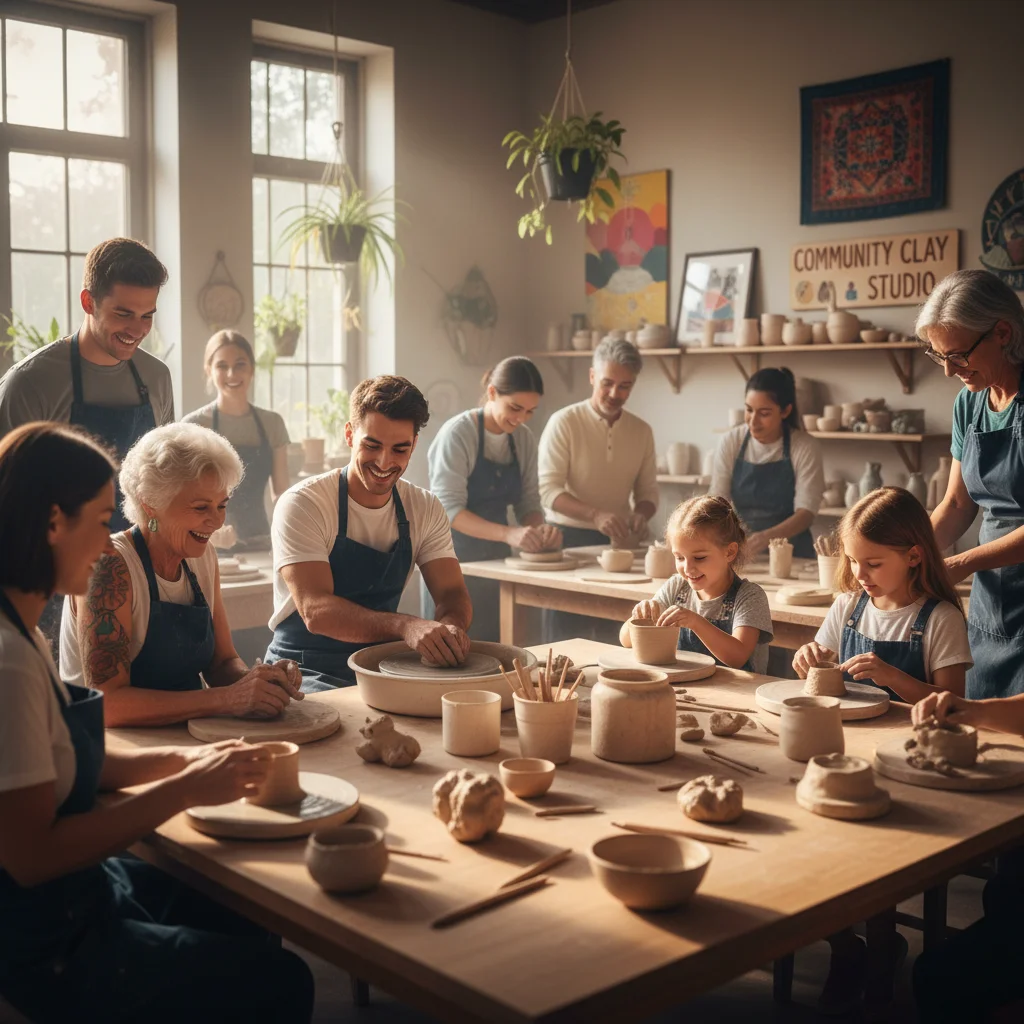
- Shared Activities: Workshops where young people teach older adults digital skills, or older adults teach traditional crafts to younger generations.
- Intergenerational Childcare: Senior volunteers assisting in childcare settings, providing companionship for children and a sense of purpose for seniors.
- Storytelling Initiatives: Programs where seniors share their life stories with younger audiences, fostering empathy and historical understanding. These are invaluable community connection solutions for all ages.
4. Strengthening Local Institutions and Volunteerism
Local institutions are the backbone of community life. Empowering and supporting them is crucial for building robust community connection solutions:
- Libraries as Community Hubs: Beyond books, libraries are evolving into vibrant community centers offering classes, events, co-working spaces, and digital literacy support.
- Community Centers and Faith-Based Organizations: These organizations often provide vital social support, hot meals, and a sense of belonging. Increased funding and volunteer support can amplify their impact.
- Volunteer Matching Platforms: Making it easier for individuals to find meaningful volunteer opportunities that align with their skills and interests, providing a sense of purpose and connection.
- Local Arts and Culture: Supporting local theaters, art galleries, music venues, and cultural festivals creates shared experiences and fosters a sense of collective identity.
5. Public Health Initiatives and Awareness Campaigns
Just as we address other public health issues, loneliness requires a concerted public health approach. In 2026, this includes:
- National Loneliness Strategies: Governments are increasingly developing national strategies to combat loneliness, allocating resources and coordinating efforts across sectors.
- Awareness Campaigns: Reducing the stigma associated with loneliness and encouraging open conversations about mental well-being.
- Training for Frontline Workers: Equipping healthcare professionals, social workers, and educators with the skills to identify and support individuals experiencing loneliness.
- Referral Pathways: Establishing clear pathways for individuals to access support services and community connection solutions when needed.
The Role of Individuals in Fostering Community Connection Solutions
While systemic changes are vital, individual actions also play a significant role in creating a more connected society. Each one of us can contribute to building stronger community connection solutions:
- Be Present and Engaged: Put down your phone and engage with those around you, whether it’s a neighbor, a barista, or a fellow commuter.
- Reach Out: Check in on friends, family, and neighbors, especially those who might be isolated. A simple phone call or visit can make a profound difference.
- Join a Group or Club: Pursue a hobby or interest by joining a local club, class, or volunteer organization. Shared interests are powerful catalysts for connection.
- Offer Help: Look for opportunities to help others in your community, whether it’s running an errand for an elderly neighbor or volunteering for a local charity.
- Be Open and Welcoming: Extend kindness and an open invitation to new people in your social circles or neighborhood.
Measuring Impact and Future Directions for Community Connection Solutions
As we implement these community connection solutions, it’s crucial to measure their effectiveness. Data collection on social isolation, loneliness levels, and participation in community programs will help refine strategies and allocate resources more efficiently. Longitudinal studies tracking the impact of interventions on mental and physical health outcomes will provide invaluable insights.
Looking ahead, the integration of public health, urban planning, and technological innovation will be key. We can anticipate further developments in personalized connection platforms, community-centric AI tools, and a greater emphasis on preventative strategies that build social resilience from an early age. Education systems will likely incorporate social-emotional learning more deeply, equipping future generations with the skills to build and maintain meaningful relationships.
Conclusion: A Collective Journey Towards Connection
Loneliness in 2026 is a complex challenge, but it is not insurmountable. By embracing a holistic approach that combines thoughtful urban design, strategic technological integration, robust public health initiatives, and individual responsibility, we can foster powerful community connection solutions. The journey towards a more connected and compassionate society is a collective one, requiring the active participation of governments, organizations, and every individual. By prioritizing the human need for belonging, we can build communities where everyone feels seen, valued, and connected, ultimately enhancing the well-being of all.
The commitment to addressing loneliness is a commitment to a healthier, happier, and more resilient future. Let us continue to innovate, collaborate, and reach out, ensuring that no one is left behind in the quest for meaningful human connection.