Embrace Slow Living: 6 Steps for an Intentional 2026 Schedule

The Art of Slow Living: 6 Practical Steps to Embrace Intentionality in Your 2026 Schedule
In our increasingly fast-paced world, the concept of "slow living" has emerged not as a trend, but as a vital philosophy for reclaiming our time, mental well-being, and overall quality of life. As we look towards 2026, many of us are seeking ways to inject more meaning and less madness into our daily routines. If you’re tired of feeling constantly rushed, overwhelmed, and disconnected, then learning to embrace slow living might be the most transformative decision you make. It’s about intentionality, mindfulness, and designing a life that truly reflects your values, rather than succumbing to external pressures.
This comprehensive guide will walk you through six practical steps to help you integrate slow living principles into your 2026 schedule. From decluttering your digital life to cultivating mindful routines, these strategies are designed to be actionable and sustainable. Let’s embark on this journey to a more deliberate and fulfilling existence.
What Exactly is Slow Living? Beyond the Hype
Before diving into the practicalities of how to embrace slow living, it’s crucial to understand what it truly means. Slow living isn’t about doing everything at a snail’s pace or rejecting modern advancements. It’s a conscious approach to life that prioritizes quality over quantity, presence over productivity, and connection over consumption. It’s about being deliberate with your choices, mindful of your actions, and attuned to your inner self and surroundings.
Think of it as a counter-cultural movement against the "always-on" mentality. It encourages us to:
- Be Present: Savor moments rather than rushing through them.
- Be Intentional: Make conscious choices about how you spend your time, energy, and resources.
- Be Mindful: Pay attention to your thoughts, feelings, and the world around you.
- Be Connected: Foster deeper relationships with yourself, others, and nature.
- Be Sustainable: Adopt practices that support your well-being and the planet.
The benefits of adopting this lifestyle are profound: reduced stress, improved mental clarity, enhanced creativity, stronger relationships, and a greater sense of purpose and contentment. Ready to discover how to embrace slow living in your own life?
Step 1: Declutter Your Digital and Physical Spaces
One of the most immediate and impactful ways to embrace slow living is by decluttering. This applies to both your physical environment and your digital world. A cluttered space often leads to a cluttered mind, making it difficult to focus, relax, and be present.
Physical Decluttering: Less is More
Start with one area of your home that causes you the most stress – perhaps your workspace, bedroom, or kitchen. The goal isn’t just to tidy up, but to intentionally remove items that don’t serve a purpose, bring you joy, or align with your values. Ask yourself:
- Have I used this in the last year?
- Does this item add value to my life?
- Does it spark joy (as Marie Kondo would say)?
- Do I have duplicates?
By simplifying your surroundings, you create space for clarity, calm, and intentionality. A clean, organized environment can significantly reduce mental load and allow you to focus on what truly matters.
Digital Decluttering: Reclaiming Your Attention
In 2026, our digital lives are often more cluttered than our physical ones. Notifications, endless scrolling, and a constant influx of information can be incredibly draining. To truly embrace slow living, a digital detox is essential.
- Unsubscribe: Get rid of email newsletters you never read.
- Unfollow: Curate your social media feeds to only include accounts that inspire or inform you positively.
- Delete Apps: Remove apps you rarely use or those that are major time-sinks.
- Manage Notifications: Turn off non-essential notifications on your phone and computer. Schedule specific times to check emails and messages.
- Clean Up Your Desktop: Organize files, delete old documents, and create a clean digital workspace.
By creating boundaries with technology, you reclaim your attention and mental energy, allowing you to engage more deeply with your real-world experiences.
Step 2: Cultivate Mindful Morning and Evening Routines
Routines are the backbone of a slow living lifestyle. They provide structure, reduce decision fatigue, and create opportunities for mindfulness. To embrace slow living, focus on establishing intentional morning and evening rituals that set the tone for your day and prepare you for restful sleep.
The Mindful Morning Routine: Start with Intention
Instead of immediately grabbing your phone or rushing into the day’s tasks, design a morning routine that nourishes your mind and body. This doesn’t mean waking up at 4 AM, but rather creating a sequence of activities that bring you peace and focus.
- Avoid Screens for the First Hour: Give your brain a chance to wake up naturally without the immediate bombardment of information.
- Hydrate: Drink a glass of water to rehydrate your body.
- Move Your Body: A short walk, some gentle stretches, or a yoga session can invigorate you.
- Practice Mindfulness or Meditation: Even 5-10 minutes of quiet reflection or meditation can significantly improve your focus and reduce anxiety throughout the day.
- Journal: Write down your thoughts, intentions for the day, or practice gratitude.
- Enjoy a Mindful Breakfast: Savor your food, paying attention to its flavors and textures, rather than eating on the go.
These practices help you start your day from a place of calm and control, rather than reactivity.
The Restorative Evening Routine: Wind Down with Purpose
Just as important as your morning routine is how you wind down. An intentional evening routine signals to your body and mind that it’s time to relax and prepare for sleep, which is crucial for overall well-being.
- Digital Sunset: Power down screens (phones, tablets, computers, TV) at least an hour before bed. The blue light emitted can disrupt melatonin production.
- Read a Physical Book: Engage your mind in a calming way.
- Take a Warm Bath or Shower: This can help relax your muscles and lower your body temperature, aiding sleep.
- Gentle Stretching or Yoga: Release any tension from the day.
- Reflect and Plan (Briefly): Jot down anything on your mind or a quick to-do list for tomorrow, so you don’t ruminate in bed.
- Practice Gratitude: Think of three things you’re grateful for from the day.
By consistently following these routines, you’ll find it easier to embrace slow living and cultivate a sense of peace throughout your day and night.
Step 3: Practice Mindful Consumption and "Buy Less, Choose Well"
Slow living extends to how we consume. In a world saturated with advertising and instant gratification, mindful consumption is a powerful way to embrace slow living and align your actions with your values. This isn’t about deprivation, but about intentionality.
Conscious Shopping: Quality Over Quantity
Before making a purchase, pause and ask yourself:
- Do I truly need this?
- Does it align with my values (e.g., sustainability, ethical production)?
- Will this item bring lasting value or joy, or is it a fleeting impulse?
- Can I borrow, repair, or repurpose something I already own instead?
Investing in fewer, higher-quality items that are durable and timeless not only reduces waste but also brings a deeper sense of satisfaction than constant accumulation. This applies to everything from clothing and home goods to food.
Slow Food: Savoring Your Meals
The "slow food" movement is a perfect embodiment of slow living. It encourages us to reconnect with where our food comes from, how it’s prepared, and to savor the act of eating. This means:
- Cooking at Home: Taking the time to prepare meals from scratch.
- Eating Seasonally and Locally: Supporting local farmers and enjoying fresh, seasonal produce.
- Mindful Eating: Eating without distractions (no phone, TV) and paying attention to the taste, texture, and smell of your food.
- Sharing Meals: Using meal times as an opportunity for connection with family and friends.
By adopting a mindful approach to consumption, you reduce clutter, support ethical practices, and experience greater joy and appreciation for the things you bring into your life.
Step 4: Reconnect with Nature and Your Local Environment
One of the core tenets of slow living is fostering a deep connection with the natural world. In our urbanized, indoor-centric lives, it’s easy to lose touch with the rhythms of nature. To truly embrace slow living, make a conscious effort to spend time outdoors and engage with your local environment.
Nature’s Therapeutic Power
Numerous studies have shown the profound benefits of nature on mental and physical health. Spending time in green spaces can:
- Reduce stress and anxiety.
- Improve mood and cognitive function.
- Boost creativity.
- Lower blood pressure and heart rate.
You don’t need to go on a wilderness expedition to reap these benefits. Simple acts like:
- Taking a walk in a local park.
- Sitting in your garden or on a balcony.
- Eating lunch outdoors.
- Observing the clouds or the trees from your window.
- Starting a small indoor plant collection.
Make it a regular practice to step outside and breathe deeply. Notice the sounds, smells, and sights around you. This conscious engagement with nature helps ground you and brings a sense of perspective.

Engage with Your Local Community
Slow living also encourages a connection to your local community. This could mean:
- Visiting local markets and supporting small businesses.
- Volunteering for a local cause.
- Participating in community events.
- Simply taking the time to chat with your neighbors.
Building these local connections enriches your life and fosters a sense of belonging, moving away from the isolation that can sometimes accompany modern life. By reconnecting with both nature and your community, you reinforce the holistic principles of slow living.
Step 5: Prioritize Meaningful Connections Over Superficial Interactions
In the age of digital communication, it’s easy to accumulate hundreds of "friends" or "followers" without truly fostering deep connections. To embrace slow living means to intentionally cultivate meaningful relationships that nourish your soul, rather than spreading yourself thin across countless superficial interactions.
Quality Over Quantity in Relationships
Take stock of your relationships. Which ones truly uplift you, challenge you positively, and offer genuine support? Focus your energy on these connections. This might involve:
- Scheduling dedicated time: Instead of quick texts, plan a coffee date, a phone call, or a shared meal with loved ones.
- Active Listening: When you are with someone, give them your full, undivided attention. Put your phone away and truly listen to what they are saying, both verbally and non-verbally.
- Expressing Gratitude: Regularly tell the people you care about how much you appreciate them.
- Setting Boundaries: It’s okay to say no to social engagements that don’t genuinely excite you or that drain your energy. Protect your time for those relationships that truly matter.
Meaningful connections are a cornerstone of a fulfilling life and a key aspect of slow living. They provide emotional support, shared experiences, and a sense of belonging that superficial interactions cannot.
Reconnecting with Yourself: The Most Important Relationship
While external connections are vital, the most important relationship you have is with yourself. To embrace slow living, you must dedicate time to self-reflection, self-care, and understanding your own needs and desires. This can manifest as:
- Journaling: A regular practice to process thoughts and emotions.
- Solitude: Scheduling time alone for quiet contemplation, hobbies, or simply being.
- Self-Compassion: Treating yourself with the same kindness and understanding you would offer a friend.
- Listening to Your Body: Paying attention to signals of hunger, fatigue, or stress and responding accordingly.
By nurturing your relationship with yourself, you build a strong foundation that allows you to engage more authentically and meaningfully with others.
Step 6: Embrace Imperfection and Practice Patience
The journey to embrace slow living is not a race, nor is it about achieving a perfect, Instagram-worthy life. It’s a continuous process of learning, adjusting, and growing. One of the most liberating aspects of this philosophy is the acceptance of imperfection and the cultivation of patience.
Letting Go of Perfectionism
In a society that often glorifies constant achievement and flawless appearances, it’s easy to fall into the trap of perfectionism. Slow living encourages us to release this burden. Understand that:
- Progress, Not Perfection: Focus on making small, consistent changes rather than striving for an unattainable ideal.
- Embrace "Good Enough": Sometimes, something being "good enough" is perfectly fine, freeing up mental and emotional energy for more important things.
- Learn from Mistakes: View setbacks not as failures, but as opportunities for growth and adjustment.
This shift in mindset can significantly reduce stress and allow you to enjoy the process of living, rather than constantly chasing an elusive perfect outcome.
Cultivating Patience in a Fast World
Patience is a virtue that is often overlooked in our instant-gratification culture. To truly embrace slow living, we must consciously practice patience in various aspects of our lives:
- With Yourself: Understand that changing habits takes time. Be kind to yourself when you inevitably slip up.
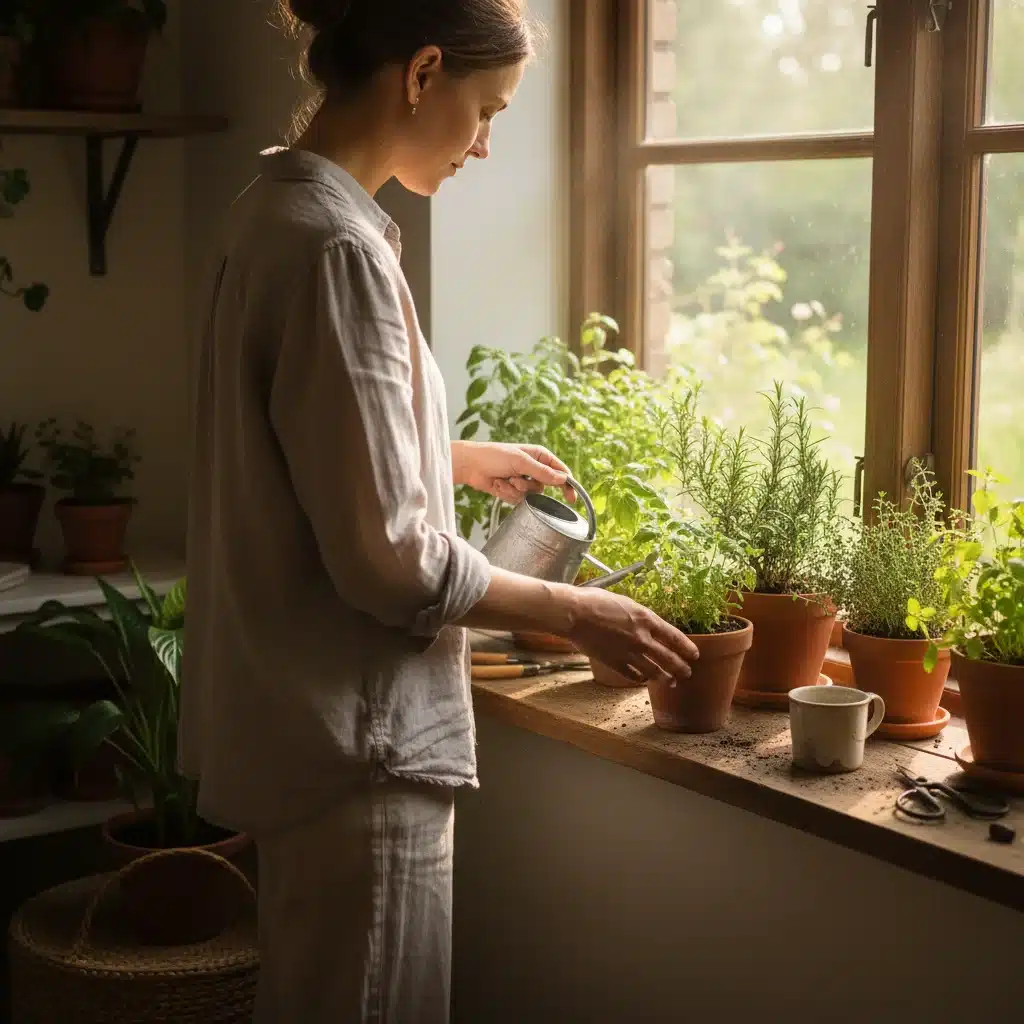
- With Processes: Some things simply cannot be rushed – a simmering stew, a growing plant, a developing skill. Appreciate the journey.
- With Others: Offer grace and understanding to those around you, recognizing that everyone is on their own path.
- In Waiting: Instead of getting frustrated by queues or delays, use these moments as opportunities for mindfulness – observe, breathe, be present.
Patience allows us to fully experience life as it unfolds, rather than constantly wishing for the next moment. It fosters a deeper appreciation for the present and reduces the anxiety associated with rushing.
Integrating Slow Living into Your 2026 Schedule: Practical Tips
Now that you understand the six core steps, let’s look at how to practically weave them into your 2026 schedule. Remember, slow living is not about adding more to your plate, but about re-evaluating and re-prioritizing what’s already there.
- Schedule "Slow Time": Just as you schedule meetings or appointments, block out time in your calendar for slow activities – reading, walking in nature, cooking, or simply doing nothing. Treat these as non-negotiable.
- One Thing at a Time: Practice monotasking. When you’re working, focus solely on that task. When you’re eating, just eat. When you’re talking to someone, just talk. This dramatically improves focus and reduces stress.
- Regular "Digital Sabbaths": Designate one day a week, or even a few hours, to be completely technology-free.
- Learn to Say "No": Protect your time and energy. Saying no to commitments that don’t align with your values or goals is a powerful act of self-care and essential for slow living.
- Reflect Regularly: At the end of each week, take some time to reflect on what went well, what felt rushed, and how you can better integrate slow living principles in the week ahead.
- Create "Buffer Time": Build in extra time between appointments or tasks. This reduces the pressure of rushing and allows for unexpected delays without derailing your entire day.
By consciously incorporating these practices, you will gradually transform your 2026 schedule from a source of stress into a canvas for intentional living.
The Long-Term Benefits of Embracing Slow Living
The decision to embrace slow living is an investment in your long-term well-being and happiness. While the initial adjustments might feel challenging in a world that constantly pushes for speed, the rewards are immeasurable. You’ll likely experience:
- Reduced Stress and Burnout: By slowing down, you give your nervous system a chance to rest and recover.
- Improved Mental Clarity and Focus: Less clutter and more intentionality lead to a sharper mind.
- Enhanced Creativity: Space and downtime are essential ingredients for innovative thinking.
- Deeper Relationships: When you’re present, your connections with others flourish.
- Greater Appreciation for Life: Savoring moments allows you to find joy in the everyday.
- Increased Self-Awareness: Understanding your needs and values becomes clearer.
- Better Physical Health: Reduced stress, better sleep, and mindful eating contribute to overall well-being.
Embracing slow living is not about escaping the world, but about engaging with it more fully, more authentically, and more joyfully. It’s about crafting a life that feels rich and meaningful to you, rather than one dictated by external demands.
Conclusion: Your Intentional 2026 Awaits
As we step into 2026, the opportunity to redefine our relationship with time and productivity is more vital than ever. By following these six practical steps – decluttering, establishing mindful routines, practicing conscious consumption, reconnecting with nature, prioritizing meaningful relationships, and embracing imperfection – you can truly begin to embrace slow living.
Remember, this is a journey, not a destination. There will be days when you feel rushed, and moments when you fall back into old habits. The key is to approach it with self-compassion, patience, and a steadfast commitment to intentionality. Each small, deliberate choice you make contributes to a larger tapestry of a more peaceful, purposeful, and fulfilling life.
So, take a deep breath. Look at your 2026 schedule not as a rigid structure, but as an opportunity to infuse every moment with intention and presence. Start small, be consistent, and watch as the art of slow living transforms your year, and indeed, your life.