Cultivating a Growth Mindset: Turn Setbacks into Opportunities for Personal Development
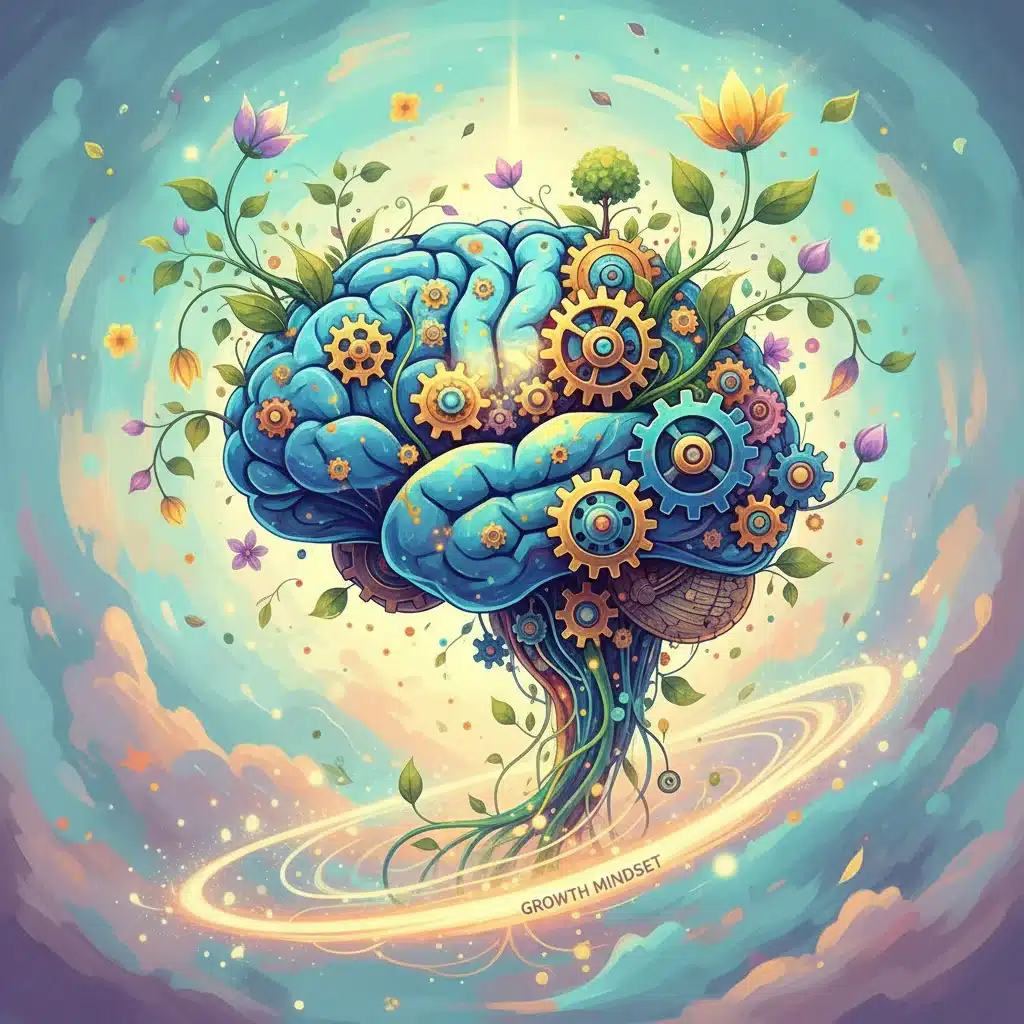
Cultivating a Growth Mindset: Turn Setbacks into Opportunities for Personal Development in 2026
In the ever-evolving landscape of 2026, where change is the only constant, the ability to adapt, learn, and grow from every experience is more crucial than ever. This is the essence of a growth mindset development. Far from being a mere buzzword, a growth mindset is a powerful psychological framework that can fundamentally alter how you perceive challenges, failures, and ultimately, your potential for success. It’s about understanding that your intelligence, talents, and abilities are not fixed traits, but rather qualities that can be developed and strengthened through dedication and hard work.
For too long, many have operated under the assumption of a ‘fixed mindset’ – believing that their capabilities are predetermined and unchangeable. This perspective often leads to a fear of failure, a reluctance to take on new challenges, and a tendency to give up when faced with obstacles. However, groundbreaking research, particularly by Dr. Carol Dweck of Stanford University, has illuminated the transformative power of embracing a growth mindset. Individuals with a growth mindset view challenges as opportunities for learning, setbacks as stepping stones for improvement, and effort as the path to mastery. This article will delve into the core principles of cultivating a robust growth mindset development and equip you with 5 proven techniques to turn every setback into a profound opportunity for personal development in the year ahead.
Understanding the Core of a Growth Mindset
Before we explore the practical techniques, it’s vital to grasp the foundational difference between a fixed and a growth mindset. A fixed mindset individual believes their basic abilities, intelligence, and talents are static. They might think, ‘I’m just not good at math,’ or ‘I’m not a creative person.’ This belief system often leads to avoiding challenges where they might fail, seeking validation, and feeling threatened by the success of others. Their focus is on proving their existing intelligence or talent.
In contrast, a person with a growth mindset understands that these qualities can be developed through dedication and hard work. They see effort not as a sign of weakness, but as a necessary component of growth. They embrace challenges, persist in the face of setbacks, learn from criticism, and find inspiration in the success of others. This perspective fosters a love of learning and a resilience that is indispensable for personal and professional advancement. The journey of growth mindset development is about shifting from ‘I can’t’ to ‘I can learn how to.’
The implications of this shift are profound. In education, students with a growth mindset are more likely to achieve higher academic results. In the workplace, employees with this mindset are more innovative, resilient, and open to feedback, leading to greater career success. In personal relationships, it fosters empathy and a willingness to understand different perspectives. Therefore, investing in your growth mindset development is an investment in your overall well-being and future potential.
Why 2026 Demands a Growth Mindset More Than Ever
As we navigate 2026, the world continues to present unprecedented challenges and opportunities. Rapid technological advancements, evolving global dynamics, and complex societal issues require individuals who are not only adaptable but also eager to learn and grow. The skills that were sufficient yesterday might be obsolete tomorrow. This constant state of flux necessitates a proactive approach to learning and problem-solving – hallmarks of a robust growth mindset.
Consider the rise of artificial intelligence, automation, and new industry paradigms. Rather than viewing these changes as threats, a growth mindset encourages us to see them as invitations to acquire new skills, explore new avenues, and redefine our roles. Those who resist change or believe they lack the inherent ability to adapt will find themselves struggling. Conversely, individuals committed to their growth mindset development will thrive, leveraging new tools and knowledge to innovate and lead.
Furthermore, the increasing focus on mental well-being and resilience highlights the importance of how we interpret and respond to stress and adversity. A growth mindset provides a powerful buffer against burnout and despair, allowing us to reframe difficulties as temporary, solvable, and educational. It empowers us to maintain a sense of agency and optimism, even in uncertain times. Cultivating this mindset is not just about professional success; it’s about fostering a fulfilling and meaningful life.
Technique 1: Embrace the Power of ‘Yet’
One of the simplest yet most profound shifts in language and thought for growth mindset development is incorporating the word ‘yet.’ When faced with a challenge, instead of saying, ‘I can’t do this,’ try saying, ‘I can’t do this yet.’ This single word transforms a statement of limitation into a statement of potential and future growth. It acknowledges your current struggle but simultaneously implies that with effort, learning, and persistence, you will eventually succeed.
Dr. Dweck often cites this as a cornerstone of growth mindset thinking. It reframes failure not as an endpoint, but as a temporary state on the path to mastery. Imagine a child learning to ride a bike. If they fall and think, ‘I’ll never be able to ride a bike,’ they might give up. But if they think, ‘I can’t ride a bike yet,’ they are more likely to get back on and keep trying. This applies equally to adults learning a new skill, tackling a complex project at work, or navigating a personal crisis.
To practice this technique:
- Identify limiting beliefs: Pay attention to phrases you use that suggest a fixed ability (e.g., ‘I’m not good at public speaking’).
- Add ‘yet’: Consciously append ‘yet’ to these statements (e.g., ‘I’m not good at public speaking yet‘).
- Reflect on the implication: Consider what steps you can take to move from ‘not yet’ to ‘yes.’ What do you need to learn? What skills do you need to develop?
This small linguistic adjustment can have a monumental impact on your internal dialogue and your willingness to persevere, making it an essential tool in your growth mindset development toolkit.
Technique 2: Reframe Failures as Learning Opportunities
Perhaps the most challenging aspect of fostering a growth mindset is changing our relationship with failure. In many cultures, failure is stigmatized, seen as a definitive sign of inadequacy. However, for those committed to growth mindset development, failure is not the opposite of success; it is a vital part of the journey towards it. Every mistake, every misstep, every unmet goal contains valuable data and lessons that, if properly analyzed, can lead to significant improvements.
Think of scientists and inventors. Their path is paved with countless ‘failed’ experiments before a breakthrough is achieved. Each ‘failure’ provides new information, eliminating one incorrect path and guiding them closer to the correct solution. Similarly, in our personal and professional lives, failures offer insights into what didn’t work, why it didn’t work, and what adjustments are needed for future attempts.

To effectively reframe failures:
- Practice self-compassion: Instead of self-criticism, treat yourself with the same kindness and understanding you would offer a friend.
- Conduct a ‘post-mortem’: After a setback, objectively analyze what happened. What were the contributing factors? What could have been done differently? What did you learn?
- Focus on process, not just outcome: Celebrate the effort, the learning, and the resilience shown, regardless of the immediate result. The process itself is where true growth mindset development occurs.
- Adjust and try again: Use the lessons learned to refine your approach and re-engage with the challenge. This iterative process is crucial for long-term success.
By consciously shifting your perspective on failure, you transform it from a barrier into a powerful catalyst for growth, accelerating your growth mindset development and making you more resilient.
Technique 3: Seek and Embrace Constructive Feedback
Feedback is often perceived negatively – as criticism or judgment. However, for individuals cultivating a growth mindset, feedback is an invaluable gift, a roadmap for improvement. It provides external perspectives on our performance, highlighting blind spots and areas where we can enhance our skills and understanding. Actively seeking and embracing constructive feedback is a hallmark of strong growth mindset development.
Those with a fixed mindset tend to avoid feedback, especially if it points to deficiencies, because it threatens their self-perception of being inherently capable. They might become defensive or dismissive. In contrast, a growth mindset individual understands that feedback is not a personal attack but an opportunity to learn and evolve. They view it as essential information that helps them refine their strategies and accelerate their learning curve.
How to effectively seek and utilize feedback:
- Ask specific questions: Instead of ‘How was that?’, ask ‘What’s one thing I could improve on in my presentation?’ or ‘How could I have approached that problem differently?’
- Listen actively, without defensiveness: Focus on understanding the feedback, not on formulating your rebuttal. Ask clarifying questions if needed.
- Reflect and analyze: Consider the feedback objectively. Is it valid? How can you incorporate it into your future actions?
- Thank the giver: Express gratitude for their time and insights, reinforcing that you value their input. This encourages more feedback in the future.
- Act on the feedback: The true value of feedback lies in applying it. Make conscious efforts to implement the suggestions and observe the results.
By proactively engaging with feedback, you demonstrate a commitment to continuous improvement, which is central to sustained growth mindset development.
Technique 4: Cultivate a Love for Learning and Challenges
At the heart of a growth mindset lies a genuine passion for learning and an eagerness to tackle new challenges. This isn’t just about formal education; it’s about a lifelong curiosity and a desire to expand your knowledge and skills in all aspects of life. When you view learning as an exciting adventure rather than a chore, and challenges as puzzles to be solved rather than insurmountable obstacles, your growth mindset development flourishes.
Fixed mindset individuals often shy away from challenges because they fear exposing their limitations. They prefer tasks they know they can succeed at easily. Growth mindset individuals, however, are drawn to challenges because they understand that these are the very situations that stretch their abilities and lead to the most significant growth. They see difficulty as a sign that they are pushing their boundaries, which is precisely where learning happens.
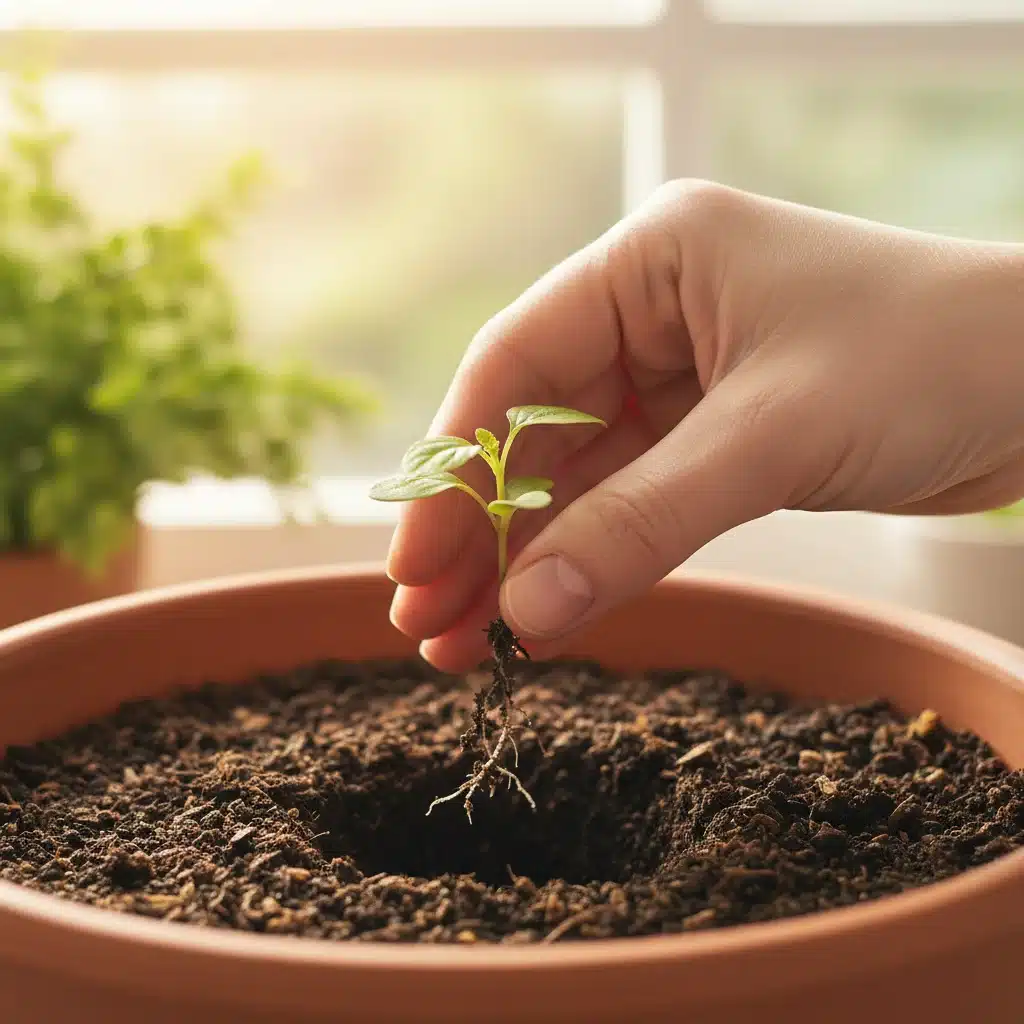
Strategies to cultivate a love for learning and challenges:
- Set learning goals: Identify new skills you want to acquire or areas of knowledge you wish to explore, simply for the joy of learning.
- Embrace discomfort: Recognize that growth often happens outside your comfort zone. When something feels difficult, remind yourself that this is an opportunity to learn and grow.
- Read widely and diversely: Expose yourself to new ideas, perspectives, and information from various sources.
- Seek out new experiences: Travel, try new hobbies, or engage in activities that push your boundaries and expose you to different ways of thinking and doing.
- Focus on the process of mastery: Appreciate the journey of skill acquisition, the small improvements, and the effort involved, rather than solely focusing on the final outcome.
This intrinsic motivation for learning and challenge-seeking is a powerful engine for continuous growth mindset development, ensuring you remain adaptable and engaged in a rapidly changing world.
Technique 5: Practice Mindful Self-Talk and Visualization
Our internal dialogue, or self-talk, plays a colossal role in shaping our mindset. If your inner voice is constantly critical, defeatist, or focused on limitations, it will be incredibly difficult to foster a growth mindset. Conversely, by consciously practicing positive, encouraging, and growth-oriented self-talk, you can rewire your brain to embrace challenges and see opportunities. Visualization is a powerful complement to this, allowing you to mentally rehearse success and growth.
Fixed mindset individuals often engage in negative self-talk when faced with difficulty (‘I’m so stupid,’ ‘I’ll never get this right’). This reinforces their belief in fixed abilities. Growth mindset individuals, however, learn to challenge these negative thoughts and replace them with more constructive ones (‘This is tough, but I can figure it out,’ ‘What can I learn from this?’). This mindful approach to self-talk is a critical component of effective growth mindset development.
How to use mindful self-talk and visualization:
- Become aware of your self-talk: Start by simply noticing what your inner voice says, especially when you face a setback or a challenge.
- Challenge negative thoughts: When you catch yourself thinking ‘I can’t,’ ask ‘Why not? What evidence do I have that this is impossible?’ Then, reframe it with a growth-oriented statement.
- Replace with empowering statements: Use affirmations like ‘I am capable of learning and improving,’ ‘Every effort I make contributes to my growth,’ or ‘Challenges help me become stronger.’
- Visualize success and the learning process: Close your eyes and imagine yourself successfully navigating a challenge, learning new skills, and achieving your goals. See yourself putting in the effort, overcoming obstacles, and feeling the satisfaction of progress.
- Practice daily: Like any skill, mindful self-talk and visualization require consistent practice to become second nature. Dedicate a few minutes each day to these exercises.
By consciously directing your internal narrative and visualizing positive outcomes, you actively train your brain for growth mindset development, building confidence and resilience from within.
Integrating Growth Mindset into Daily Life in 2026
Cultivating a growth mindset isn’t a one-time event; it’s a continuous journey. To truly embed these principles into your life in 2026, consistent application and reflection are key. Start by integrating these techniques into your daily routines. For example, after a challenging meeting, reflect not on what went wrong, but on what you learned and how you can improve for the next one. When you encounter a new problem, consciously apply the ‘yet’ principle.
Encourage growth mindset development in others around you, whether it’s your children, colleagues, or friends. Praise effort and process over innate talent. When someone expresses a fixed mindset belief, gently offer a growth-oriented alternative. By fostering this environment, you not only strengthen your own mindset but also contribute to a more resilient and innovative community.
Remember that setbacks are inevitable. What distinguishes those who thrive from those who stagnate is their response to these setbacks. A growth mindset equips you with the mental tools to view obstacles as opportunities for learning and growth, propelling you forward even when the path is difficult. Embrace the journey of continuous improvement, and watch as your potential unfolds in ways you never thought possible.
Conclusion: Your Path to Unlimited Potential in 2026
The year 2026 offers a fresh canvas for personal and professional growth. By committing to your growth mindset development, you unlock an extraordinary capacity for learning, resilience, and achievement. The 5 techniques discussed – embracing ‘yet,’ reframing failures, seeking feedback, cultivating a love for learning, and practicing mindful self-talk – are not just theoretical concepts; they are actionable strategies that, when consistently applied, will transform your perception of challenges and your ability to overcome them.
Moving forward, make a conscious decision to view every experience, whether a triumph or a tribulation, as an opportunity to learn, adapt, and evolve. Understand that your abilities are not fixed boundaries but malleable capacities waiting to be expanded. The power to shape your future, to turn every setback into a stepping stone for success, lies within your embrace of a growth mindset. Start today, and step into 2026 with an unwavering belief in your unlimited potential.