Sustainable Living 2026: 3 Steps to Reduce Carbon Footprint
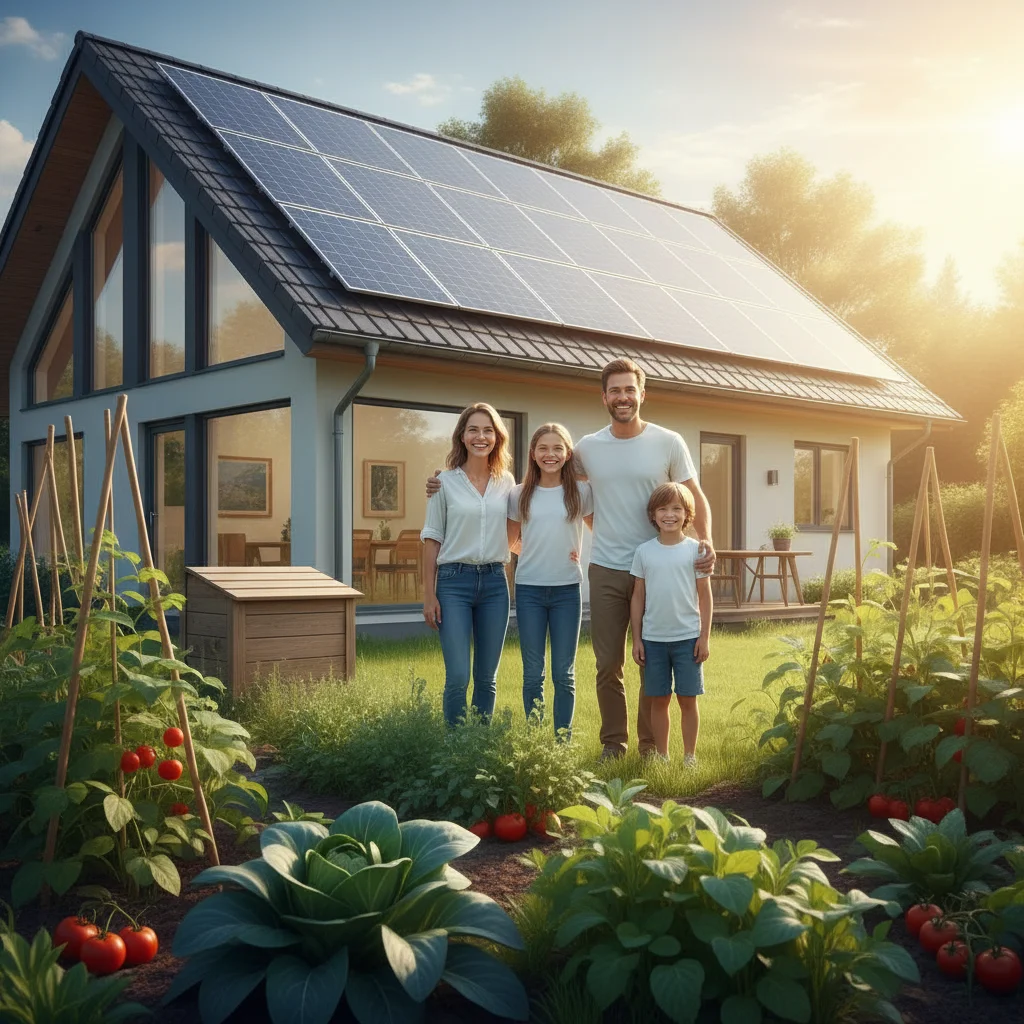
Sustainable Living in 2026: 3 Practical Steps to Reduce Your Household’s Carbon Footprint by 15%
The urgency to address climate change has never been more pressing. As individuals, our daily choices collectively contribute to a global impact, and one of the most tangible ways we can make a difference is by actively working to reduce carbon footprint. In 2026, setting a goal to cut your household’s carbon emissions by 15% is not just aspirational; it’s entirely achievable with strategic planning and consistent effort. This comprehensive guide will walk you through three practical, impactful steps you can take to foster a more sustainable lifestyle, benefiting both your wallet and the planet.
Before we dive into the actionable steps, let’s briefly understand what a carbon footprint entails. Essentially, it’s the total amount of greenhouse gases (including carbon dioxide and methane) that are generated by our actions. Everything from the food we eat, the clothes we wear, the way we travel, and the energy we consume contributes to this footprint. By focusing on key areas, we can significantly diminish our environmental impact and contribute to a healthier, more sustainable future.
The journey to reduce carbon footprint is not about drastic, overnight changes, but rather a series of informed decisions and lifestyle adjustments that accumulate over time. Think of it as a marathon, not a sprint. Every small step taken contributes to the larger goal. Our aim for 2026 is a 15% reduction, a target that is both ambitious and realistic, providing a clear benchmark for progress.
Step 1: Revolutionize Your Home Energy Consumption to Reduce Carbon Footprint
Your home is often the largest contributor to your carbon footprint. Heating, cooling, lighting, and powering appliances all consume energy, much of which is still generated from fossil fuels. By making conscious choices and investing in energy-efficient solutions, you can dramatically reduce carbon footprint associated with your living space.
Embrace Renewable Energy Sources
One of the most significant ways to reduce your household’s carbon footprint is to transition to renewable energy. Consider installing solar panels on your roof. While this might seem like a substantial upfront investment, the long-term savings on electricity bills and the positive environmental impact are immense. Many governments offer incentives, tax credits, or rebates for homeowners who adopt solar energy, making it a more accessible option than ever before. Research local programs and consult with solar energy providers to determine the best solution for your home.
If rooftop solar isn’t feasible, explore community solar programs or switch to an electricity provider that sources a significant portion of its energy from renewables. Even a small percentage of your electricity coming from wind or solar power can contribute to a lower carbon footprint.
Optimize Home Insulation and Sealing
A well-insulated home requires less energy for heating and cooling. Conduct an energy audit of your home to identify areas where heat might be escaping in winter or entering in summer. Common culprits include old windows, poorly sealed doors, and inadequate attic insulation. Upgrading to energy-efficient windows, adding weatherstripping around doors, and boosting attic insulation can lead to substantial energy savings and a noticeable reduction in your energy consumption. These improvements not only help to reduce carbon footprint but also enhance the comfort of your home and lower your utility bills.
Invest in Energy-Efficient Appliances and Lighting
When it’s time to replace old appliances, always opt for energy-efficient models. Look for the ENERGY STAR label, which indicates that a product meets strict energy efficiency guidelines set by the U.S. Environmental Protection Agency. From refrigerators and washing machines to dishwashers and ovens, modern appliances are designed to perform effectively while consuming less energy.
Similarly, switch to LED lighting throughout your home. LEDs consume significantly less electricity than traditional incandescent bulbs and have a much longer lifespan, further reducing waste. Even small changes, like unplugging chargers and electronics when not in use (phantom load), can contribute to overall energy savings and help you to reduce carbon footprint.
Smart Home Technology for Energy Management
Smart thermostats are an excellent tool for optimizing your home’s heating and cooling. These devices learn your preferences and can be programmed to adjust temperatures based on your schedule, even when you’re away from home. Some smart thermostats can also integrate with other smart home devices, providing a holistic approach to energy management. By intelligently managing your home’s climate, you can avoid unnecessary energy waste and effectively reduce carbon footprint.

Beyond thermostats, smart plugs allow you to control and monitor the energy consumption of individual appliances, giving you greater insight and control over your energy usage. These technologies empower you to make data-driven decisions about your energy habits, leading to more efficient consumption and a smaller environmental impact.
Step 2: Transform Your Transportation Habits to Reduce Carbon Footprint
Transportation is another major contributor to individual carbon footprints. The burning of fossil fuels in cars, trucks, and airplanes releases significant amounts of greenhouse gases. By rethinking how we travel, we can make substantial progress in our efforts to reduce carbon footprint.
Prioritize Walking, Biking, and Public Transport
For short distances, consider walking or cycling instead of driving. These modes of transport are not only zero-emission but also offer excellent health benefits. If walking or biking isn’t feasible, explore public transportation options such as buses, trains, or subways. Public transport significantly reduces the number of individual cars on the road, thereby lowering collective emissions. Many cities are expanding their public transport networks, making them more convenient and accessible.
Embrace Electric or Hybrid Vehicles
If personal vehicle ownership is a necessity, consider transitioning to an electric vehicle (EV) or a hybrid. EVs produce zero tailpipe emissions, and when charged with renewable energy, their overall carbon footprint is drastically lower than that of gasoline-powered cars. Hybrid vehicles, while still using gasoline, offer improved fuel efficiency and lower emissions compared to conventional cars. The market for EVs and hybrids is rapidly expanding, with more affordable options and improved charging infrastructure becoming available. Researching the total cost of ownership, including government incentives and fuel savings, can reveal the long-term financial and environmental benefits of these vehicles, helping you to reduce carbon footprint significantly.
Optimize Driving Habits and Vehicle Maintenance
Even with a gasoline-powered car, you can reduce carbon footprint by adopting eco-friendly driving habits. Avoid aggressive acceleration and braking, maintain a steady speed, and ensure your tires are properly inflated. These practices improve fuel efficiency and reduce emissions. Regular vehicle maintenance, such as oil changes and engine tune-ups, also ensures your car operates at peak efficiency, minimizing its environmental impact.
Rethink Air Travel
Air travel has a disproportionately high carbon footprint. While it may not always be avoidable, consider its necessity. For business trips, explore virtual meeting options. For personal travel, evaluate if a train or bus journey could be a viable, more eco-friendly alternative for shorter distances. If flying is essential, consider offsetting your flights through reputable carbon offset programs, though it’s important to remember that reducing emissions at the source is always the most effective strategy to reduce carbon footprint.
Step 3: Adopt Sustainable Consumption and Waste Practices to Reduce Carbon Footprint
The products we buy, the food we eat, and the waste we generate all have a carbon footprint. By making more conscious choices about our consumption patterns, we can significantly impact our environmental footprint.
Mindful Food Choices: Local, Seasonal, Plant-Based
The food industry is a major source of greenhouse gas emissions, from agricultural practices to transportation and packaging. To reduce carbon footprint associated with your diet, prioritize local and seasonal produce. Buying from local farmers reduces the distance food travels, cutting down on transportation emissions. Eating seasonally means consuming foods that are naturally available in your region at a given time, which often requires less energy for cultivation and storage.
Consider incorporating more plant-based meals into your diet. The production of meat, particularly beef, has a significantly higher carbon footprint compared to plant-based alternatives. Even reducing meat consumption by a few meals a week can make a substantial difference. Explore vegetarian and vegan recipes, and discover the diverse and delicious world of plant-based eating. Growing some of your own food, even a small herb garden, further minimizes your food’s carbon footprint and connects you more deeply with sustainable practices.

Reduce, Reuse, Recycle, and Compost
The classic R’s of waste management are more critical than ever. The most effective way to reduce carbon footprint from waste is to reduce consumption in the first place. Before buying something new, ask yourself if you truly need it or if you can borrow, repair, or find a second-hand alternative. When you do buy, choose durable products designed to last, rather than disposable items.
Embrace reusable items like water bottles, coffee cups, shopping bags, and food containers. This simple shift drastically cuts down on single-use plastic waste, which often ends up in landfills or polluting our oceans. Recycling is essential, but it’s the last step in the hierarchy. Ensure you understand your local recycling guidelines and properly sort your waste. Composting food scraps and yard waste diverts organic materials from landfills, where they would otherwise produce methane, a potent greenhouse gas. Composting also creates nutrient-rich soil for gardens, completing a beneficial cycle.
Sustainable Fashion and Products
The fashion industry has a significant environmental impact, from water consumption to chemical use and waste. To reduce carbon footprint from your wardrobe, aim for quality over quantity. Invest in well-made, durable clothing that will last. Explore ethical and sustainable brands that prioritize environmentally friendly materials and fair labor practices. Consider buying second-hand clothing, hosting clothing swaps, or renting garments for special occasions. Repairing clothes instead of discarding them also extends their lifespan and reduces waste.
Extend this mindful approach to other products you purchase. Look for products with minimal and recyclable packaging. Support companies that demonstrate a commitment to sustainability throughout their supply chain. By making informed purchasing decisions, you send a clear message to manufacturers that consumers demand more eco-friendly options.
Measuring Your Progress and Staying Motivated to Reduce Carbon Footprint
To effectively reduce carbon footprint by 15% in 2026, it’s crucial to measure your starting point and track your progress. Several online carbon footprint calculators can help you estimate your current emissions based on your energy consumption, transportation habits, diet, and waste generation. Use these tools as a baseline and re-evaluate periodically to see the impact of your efforts.
Set realistic mini-goals throughout the year. For example, aim to reduce your electricity bill by 5% in the first quarter, or commit to one meatless day per week. Celebrate your successes, no matter how small, to maintain motivation. Share your journey with friends and family; collective action amplifies individual efforts and creates a supportive community for sustainable living.
Remember that perfection is not the goal; continuous improvement is. There will be days when you might slip, but the key is to learn from it and recommit to your sustainable practices. The cumulative effect of these changes over time will lead to significant reductions in your household’s carbon footprint.
The Broader Impact of Reducing Your Carbon Footprint
Reducing your household’s carbon footprint by 15% in 2026 isn’t just about personal achievement; it contributes to a much larger global effort. Every kilowatt-hour saved, every mile not driven, and every sustainable product chosen sends a ripple effect through supply chains and communities. It demonstrates to businesses and policymakers that there is a demand for greener alternatives and that individuals are willing to make changes for the sake of the planet.
Moreover, many of the steps to reduce carbon footprint come with additional benefits. Energy efficiency upgrades can save you money on utility bills. Walking and cycling improve physical health. Eating a more plant-based diet can lead to better nutrition. Reducing waste saves resources and often reduces clutter in your home. Sustainable living is not just an environmental imperative; it’s a pathway to a healthier, more fulfilling, and economically sensible lifestyle.
Conclusion: Your Role in a Sustainable Future
The challenge of climate change can feel overwhelming, but by focusing on actionable steps within our control, we can each play a vital role. By committing to these three practical steps – revolutionizing home energy, transforming transportation habits, and adopting sustainable consumption – you can effectively reduce carbon footprint of your household by 15% in 2026. This target is not just a number; it represents a tangible contribution to a healthier planet for current and future generations.
Start today. Choose one area to focus on, implement a change, and build momentum. The journey to sustainable living is ongoing, filled with learning and adaptation. Your efforts, combined with those of countless others, create the powerful wave of change needed to build a truly sustainable world. Let 2026 be the year your household takes a significant leap forward in reducing its environmental impact and inspiring others to do the same.