Advanced Digital Identity Protection: A 2026 Cybersecurity Guide
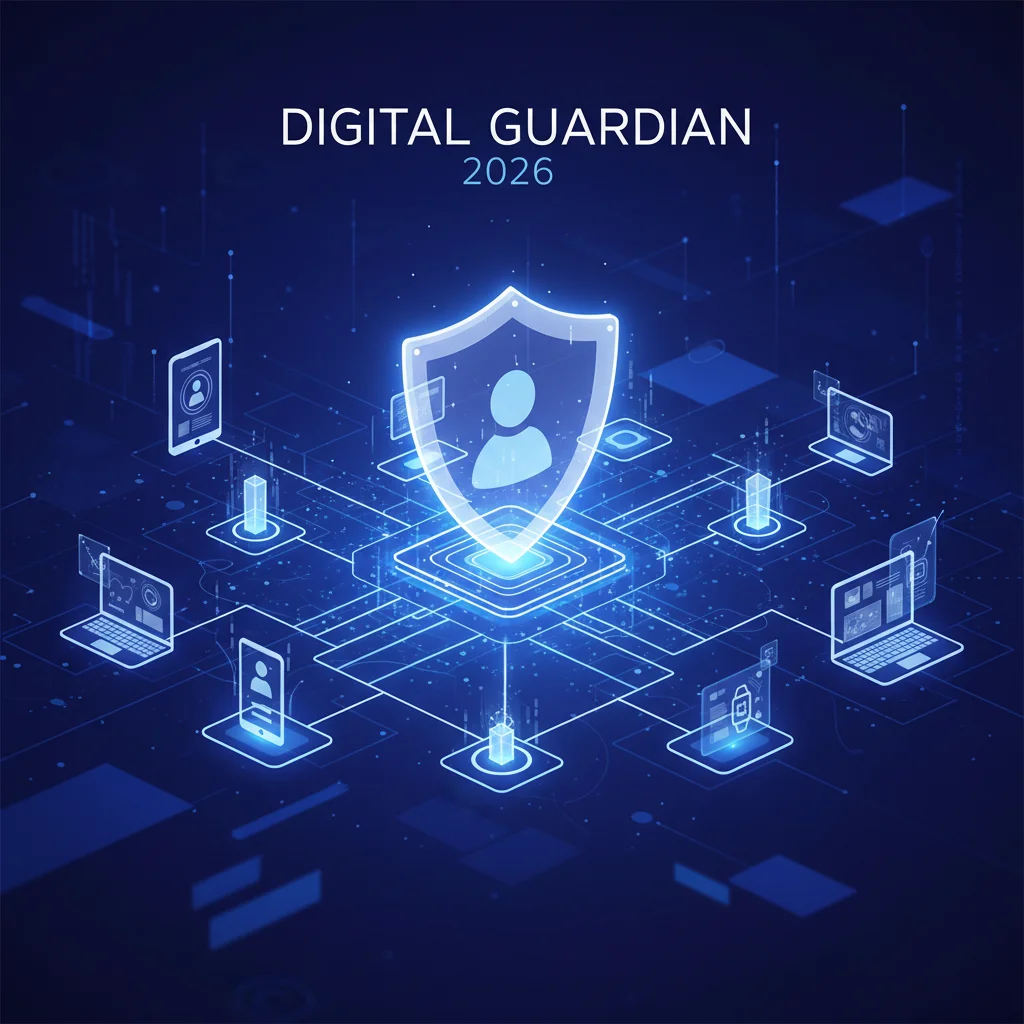
In an increasingly interconnected world, where our lives are inextricably linked to our digital personas, the concept of digital identity protection has transcended a mere IT concern to become a fundamental pillar of personal and organizational security. As we step into 2026, the landscape of cyber threats continues its relentless evolution, growing more sophisticated, insidious, and pervasive. From state-sponsored attacks to highly organized cybercriminal syndicates, the dangers to our online identities are multifold. This comprehensive guide aims to equip you with the knowledge and strategies necessary to fortify your digital identity protection in this advanced era, exploring the cutting-edge technologies and proactive measures that define the future of cybersecurity.
The year 2026 marks a significant juncture in cybersecurity. We are witnessing the maturation of artificial intelligence (AI) and machine learning (ML) in both offensive and defensive capacities, the nascent but impactful rise of quantum computing threats, and an ever-increasing reliance on cloud services and IoT devices. These advancements, while bringing immense convenience and innovation, simultaneously introduce new vulnerabilities that demand a recalibration of our approach to digital identity protection. Traditional security measures, once deemed sufficient, are now often outmatched by the agility and complexity of modern cyber threats. Therefore, understanding and implementing advanced strategies is no longer optional but imperative for anyone navigating the digital realm.
Our digital identity is far more than just a collection of usernames and passwords. It encompasses our personal data, financial information, online behaviors, professional profiles, and even our biometric markers. A compromise of this identity can lead to devastating consequences, including financial fraud, reputational damage, identity theft, and severe privacy breaches. Thus, safeguarding this invaluable asset requires a multi-layered, adaptive, and forward-thinking approach. This article will delve into the critical components of advanced digital identity protection, offering actionable insights and highlighting emerging technologies that are shaping the future of online security.
The Evolving Threat Landscape: Why 2026 Demands More
The cyber threat landscape in 2026 is characterized by several key trends that necessitate a more robust approach to digital identity protection:
- AI-Powered Attacks: Adversaries are increasingly leveraging AI and ML to automate and enhance their attacks. This includes AI-driven phishing campaigns that are highly personalized and difficult to detect, autonomous malware that can adapt and evade defenses, and AI-assisted brute-force attacks that can crack complex passwords with unprecedented speed. The ability of AI to learn and evolve makes these threats particularly challenging to counter with traditional, static security measures.
- Quantum Computing Threats: While full-scale quantum computers capable of breaking current encryption standards are still some years away, the threat is real and growing. The concept of ‘harvest now, decrypt later’ means that sensitive encrypted data intercepted today could be decrypted in the future by quantum adversaries. This necessitates a proactive move towards quantum-safe (post-quantum) cryptography for long-term digital identity protection.
- IoT Vulnerabilities: The proliferation of Internet of Things (IoT) devices, from smart home gadgets to industrial sensors, has expanded the attack surface exponentially. Many IoT devices often lack robust security features, making them easy targets for hackers to gain entry into personal networks, launch DDoS attacks, or even compromise user identities through associated accounts.
- Sophisticated Social Engineering: Phishing, vishing, and smishing attacks are becoming more refined. AI can generate hyper-realistic deepfakes for voice and video, making it incredibly difficult to verify the authenticity of communications. This makes human vigilance, combined with advanced technological safeguards, crucial for effective digital identity protection.
- Supply Chain Attacks: Compromises within the software supply chain, where attackers inject malicious code into legitimate software updates or dependencies, pose a significant risk. A single breach in a trusted vendor can cascade, affecting numerous organizations and individuals, highlighting the interconnectedness of modern cybersecurity.
These trends underscore the urgent need for individuals and organizations to adopt advanced strategies for digital identity protection. Relying solely on basic antivirus software or simple passwords is no longer adequate against such multifaceted and intelligent threats.
Pillars of Advanced Digital Identity Protection in 2026
To effectively secure your digital identity in 2026, a multi-faceted approach incorporating the latest technological advancements and best practices is essential. Here are the key pillars:
1. Multi-Factor Authentication (MFA) and Passwordless Solutions
MFA has long been a cornerstone of strong security, but in 2026, its implementation is evolving. Beyond traditional SMS or authenticator app codes, advanced MFA now incorporates:
- Biometric Authentication: Fingerprint scans, facial recognition, and iris scans are becoming more prevalent and reliable. These methods offer a high degree of security by leveraging unique biological traits. However, it’s crucial to ensure that biometric data is stored and processed securely, ideally on the device itself, to prevent centralized breaches.
- Behavioral Biometrics: This involves analyzing unique patterns in how a user interacts with their devices, such as typing rhythm, mouse movements, and navigation patterns. This continuous authentication method can detect anomalies in real-time, flagging potential unauthorized access even after initial login.
- FIDO2/WebAuthn: These open standards are driving the adoption of passwordless authentication. By using cryptographic keys stored on hardware security keys (like YubiKeys), built-in device authenticators (like Windows Hello or Touch ID), or even smartphones, users can log in without passwords, significantly reducing the risk of phishing and credential stuffing attacks. This is a critical step forward in robust digital identity protection.
- Contextual Authentication: This dynamic approach considers various factors like location, device, time of day, and network information to determine the risk level of an access attempt. If an attempt is deemed high-risk, additional verification steps are automatically triggered.
Embracing these advanced MFA and passwordless solutions is paramount for bolstering your digital identity protection against evolving credential-based attacks.
2. AI and Machine Learning for Proactive Defense
AI and ML are no longer just tools for attackers; they are increasingly vital for defensive cybersecurity. In 2026, AI is a powerful ally in digital identity protection through:
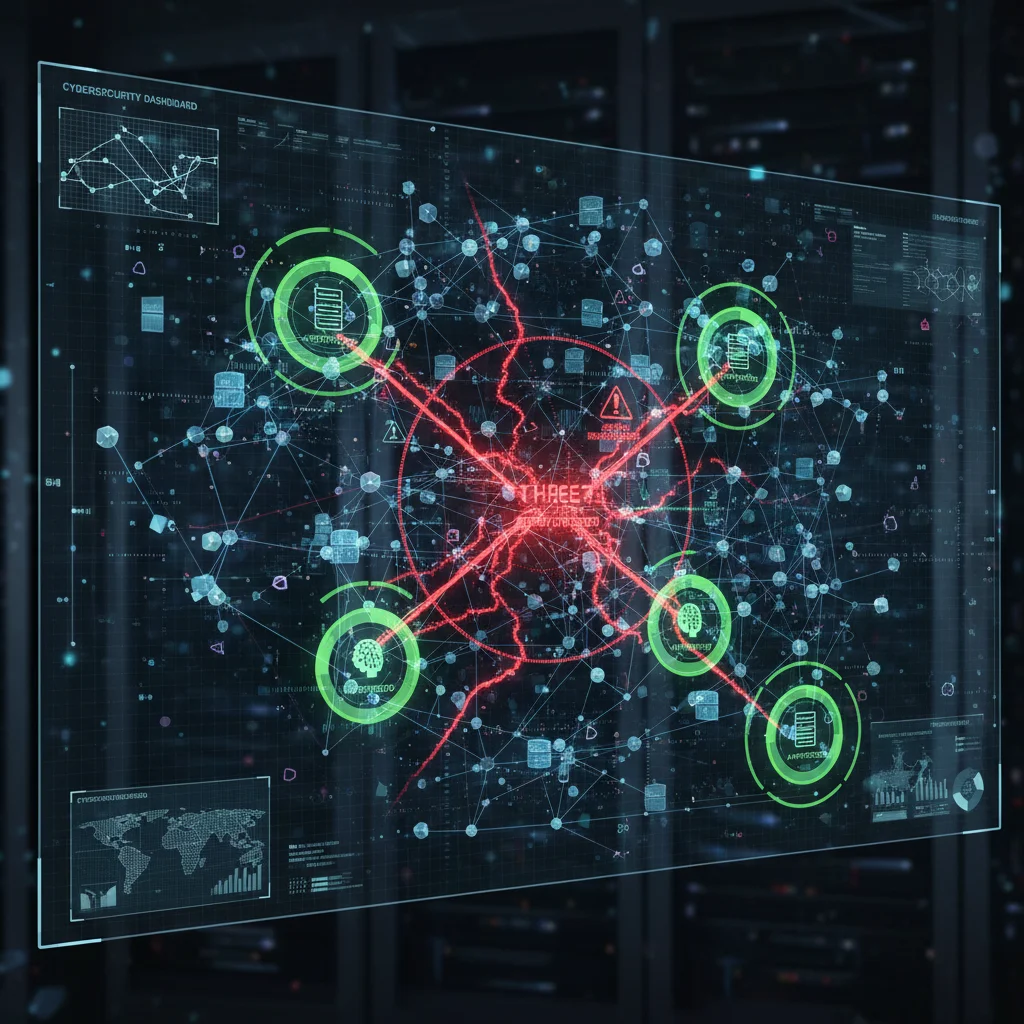
- Advanced Threat Detection: AI algorithms can analyze vast amounts of data from network traffic, system logs, and user behavior to identify subtle anomalies and patterns indicative of a cyberattack much faster and more accurately than human analysts. This includes detecting zero-day exploits, sophisticated malware, and insider threats.
- Predictive Analytics: ML models can predict potential attack vectors and vulnerabilities by analyzing historical data and current threat intelligence, allowing for proactive patching and strengthening of defenses before an attack occurs.
- Automated Incident Response: AI-powered security orchestration, automation, and response (SOAR) platforms can automatically respond to detected threats, isolating compromised systems, blocking malicious IP addresses, and initiating recovery protocols, thereby minimizing damage and downtime.
- Identity Governance and Administration (IGA): AI can help manage and audit access permissions, ensuring that users only have the necessary privileges (Principle of Least Privilege) and flagging suspicious access requests or privilege escalations. This is fundamental for internal digital identity protection.

3. Quantum-Safe Cryptography (Post-Quantum Cryptography)
The looming threat of quantum computers breaking current public-key cryptography algorithms necessitates a shift towards quantum-safe cryptography. In 2026, research and standardization efforts are accelerating, and early adoption is crucial for long-term digital identity protection, especially for data with long-term confidentiality requirements. Key aspects include:
- Algorithm Migration: Organizations are beginning to evaluate and implement new cryptographic algorithms (e.g., lattice-based, code-based, hash-based, multivariate polynomial) that are resistant to attacks from quantum computers.
- Hybrid Approaches: A common strategy during the transition period is to use hybrid cryptosystems that combine both classical (e.g., RSA, ECC) and quantum-safe algorithms. This provides a fallback if a quantum-safe algorithm is later found to be vulnerable.
- Key Management: Secure generation, distribution, and storage of cryptographic keys become even more critical in a quantum-safe world, requiring robust key management systems.
While still in development and early deployment, understanding and preparing for quantum-safe cryptography is a vital component of future-proofing your digital identity protection strategy.
4. Zero Trust Architecture
The Zero Trust security model, based on the principle of "never trust, always verify," is a paradigm shift in network security that significantly enhances digital identity protection. Instead of assuming trust within a network perimeter, every user, device, and application attempting to access resources is rigorously authenticated and authorized, regardless of its location. Key elements include:
- Strict Identity Verification: All users and devices must be authenticated and authorized before granting access to any resource. This involves strong MFA and continuous monitoring.
- Least Privilege Access: Users are granted only the minimum access necessary to perform their tasks, reducing the potential damage from a compromised account.
- Micro-segmentation: Networks are divided into small, isolated segments, limiting lateral movement for attackers if a breach occurs within one segment.
- Continuous Monitoring and Validation: All access attempts and network traffic are continuously monitored for suspicious activity, and trust is re-evaluated dynamically.
Implementing a Zero Trust architecture provides a robust framework for digital identity protection, especially in complex, distributed environments prevalent in 2026.
5. Data Privacy and Governance
Beyond technology, robust digital identity protection in 2026 demands a strong focus on data privacy and governance. With increasing regulations like GDPR, CCPA, and new emerging global privacy laws, understanding and controlling your personal data is paramount.
- Data Minimization: Only collect and retain data that is absolutely necessary. The less data you have, the less there is to lose in a breach.
- Data Encryption: Encrypt data both in transit (TLS/SSL) and at rest (disk encryption, database encryption). This adds a critical layer of protection, making data unreadable even if compromised.
- Privacy-Enhancing Technologies (PETs): Explore PETs like differential privacy, homomorphic encryption, and secure multi-party computation. These technologies allow data to be analyzed or processed without revealing the underlying sensitive information, offering advanced digital identity protection.
- Regular Data Audits: Periodically review what personal data you or organizations hold, where it’s stored, who has access to it, and for how long it’s retained.
- Consent Management: Be explicit about how your data is collected, used, and shared. Utilize tools that provide granular control over your consent preferences.
Effective data privacy and governance are not just about compliance; they are fundamental to respecting and protecting an individual’s digital identity protection.
Personal Strategies for Enhanced Digital Identity Protection
While organizations play a crucial role, individual actions remain vital for comprehensive digital identity protection. Here are personal strategies for 2026:
1. Strong and Unique Credentials (Even with Passwordless)
Even with the rise of passwordless, many systems will still rely on passwords. Use a reputable password manager to generate and store long, complex, and unique passwords for every account. This eliminates password reuse, a major vulnerability. Regularly review and update your passwords, especially for critical accounts. Combine this with the most advanced MFA options available for each service. For digital identity protection, never compromise on credential strength.
2. Proactive Software Updates and Patch Management
Keep all your operating systems, applications, browsers, and firmware updated. Software updates often include critical security patches that fix newly discovered vulnerabilities. Enable automatic updates whenever possible. Delaying updates leaves you exposed to known exploits that attackers actively target. This seemingly simple step is a powerful component of digital identity protection.
3. Enhanced Phishing and Social Engineering Awareness
As AI-powered social engineering attacks become more sophisticated, critical thinking and skepticism are your best defense. Be wary of unsolicited communications, especially those demanding immediate action or requesting sensitive information. Verify the sender’s identity through an independent channel. Learn to recognize the subtle signs of phishing, even in highly convincing emails or deepfake videos. Continuous education on emerging social engineering tactics is crucial for your digital identity protection.
4. Secure Your Devices and Network
- Endpoint Security: Install and maintain advanced endpoint detection and response (EDR) solutions on all your devices (computers, smartphones, tablets). These tools go beyond traditional antivirus, providing real-time monitoring and threat hunting capabilities.
- Firewall Protection: Ensure your firewalls are active and properly configured on both your devices and your router.
- VPN Usage: Use a reputable Virtual Private Network (VPN) when connecting to public Wi-Fi networks to encrypt your internet traffic and protect your online activities from eavesdropping.
- IoT Device Security: Change default passwords on all IoT devices, disable unnecessary features, and isolate them on a separate network segment if possible. Regularly check for firmware updates.
5. Regular Data Backups and Recovery Plans
Even with the best digital identity protection measures, breaches can occur. Regularly back up your critical data to an encrypted, offsite location or cloud service. Develop a personal incident response plan: know what steps to take if your identity is compromised, including contacting banks, credit bureaus, and relevant authorities. Having a recovery plan minimizes the impact of a successful attack.
6. Monitor Your Digital Footprint
Periodically review your online presence. Check privacy settings on social media and other online accounts. Use services that monitor for your personal data on the dark web or in data breaches. Be mindful of what information you share online, as every piece of data contributes to your digital identity and potential exposure. Proactively managing your digital footprint is a key aspect of digital identity protection.
Emerging Technologies and Future Outlook for Digital Identity Protection
The field of digital identity protection is dynamic, with new technologies constantly emerging. Looking beyond 2026, several areas hold significant promise:
- Decentralized Identity (DID): Based on blockchain technology, DIDs aim to give individuals greater control over their digital identities. Instead of relying on centralized authorities, users can cryptographically prove their identity attributes directly to services, enhancing privacy and reducing the risk of large-scale identity database breaches.
- Homomorphic Encryption: This advanced encryption technique allows computations to be performed on encrypted data without decrypting it first. This could revolutionize privacy in cloud computing and data analytics, allowing services to process your data without ever seeing it in plain text, offering an unprecedented level of digital identity protection.
- Explainable AI (XAI) for Security: As AI becomes more central to security decisions, XAI will be crucial for understanding why an AI system flagged a particular activity as malicious. This transparency helps security analysts trust and fine-tune AI defenses, improving overall digital identity protection.
- AI for Cyber Deception: On the defensive side, AI could be used to create honeypots and deception networks that lure and mislead attackers, gathering intelligence and wasting their resources, thus protecting real assets and identities.
These future technologies promise even more robust and privacy-preserving methods for digital identity protection, shifting the balance of power further towards the user.
Conclusion: A Proactive Stance on Digital Identity Protection
As we navigate the complexities of 2026 and beyond, the importance of robust digital identity protection cannot be overstated. The confluence of AI-driven threats, the quantum computing horizon, and the expansion of the IoT demands a proactive, adaptive, and technologically informed approach. From implementing advanced multi-factor authentication and embracing passwordless solutions to leveraging AI for proactive defense and preparing for quantum-safe cryptography, the strategies outlined in this guide are essential for safeguarding your most valuable digital asset.
Remember that digital identity protection is not a one-time setup but an ongoing commitment. It requires continuous vigilance, regular updates, and a willingness to adapt to new technologies and emerging threats. By understanding the evolving landscape and adopting these advanced measures, individuals and organizations can significantly strengthen their defenses, maintain their privacy, and secure their digital lives in an increasingly interconnected and challenging world. Stay informed, stay vigilant, and make digital identity protection a cornerstone of your digital existence.