Urban Gardening 2026: 7 Edible Plants for Small Spaces This Spring
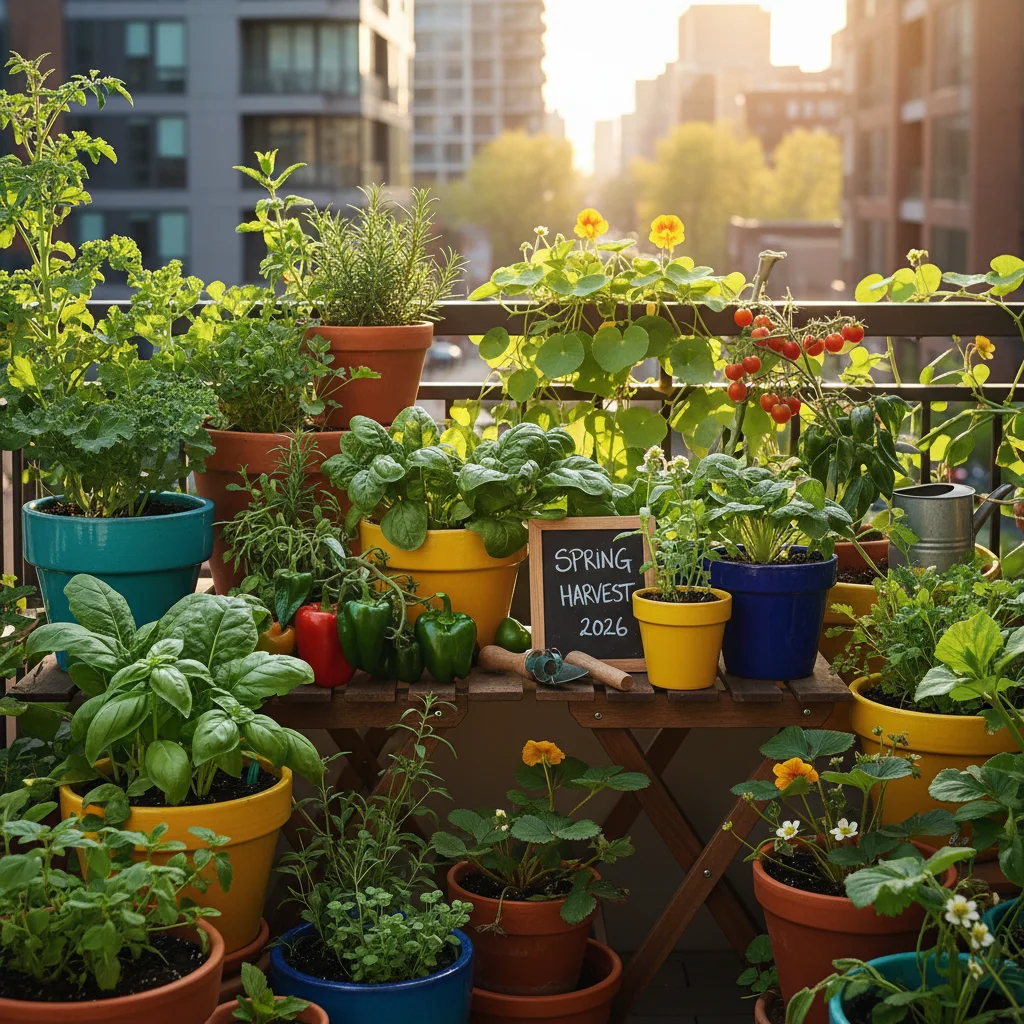
Urban Gardening 2026: Grow 7 Edible Plants in Small Spaces This Spring
Welcome to the exciting world of Urban Edible Gardening! As we step into spring 2026, more and more city dwellers are discovering the immense joy and satisfaction of growing their own food, even with limited space. The dream of fresh, organic produce is no longer exclusive to those with sprawling backyards. Balconies, patios, windowsills, and even small corners of apartments can be transformed into thriving edible havens. This guide is your essential companion to kickstarting a successful urban garden this spring, focusing on 7 fantastic edible plants that flourish in small spaces.
The rise of Urban Edible Gardening reflects a growing desire for sustainability, healthier eating, and a deeper connection to nature. Imagine stepping outside your door to snip fresh herbs for dinner or picking a ripe tomato still warm from the sun. This isn’t just about food; it’s about a lifestyle change that brings tranquility, fresh air, and delicious rewards. Whether you’re a seasoned gardener or a complete novice, the principles of urban gardening are accessible to everyone. With the right plant choices and a few smart techniques, you can enjoy a bountiful harvest right in the heart of the city.
This article will delve into the best practices for small-space gardening, provide detailed profiles of our top 7 edible plants, and offer practical tips to ensure your urban garden thrives. Get ready to turn your urban dwelling into a green oasis!
The Allure of Urban Edible Gardening in 2026
Why has Urban Edible Gardening become such a sensation? Beyond the obvious benefit of fresh food, there are numerous advantages that resonate with modern urban lifestyles:
- Freshness and Flavor: Nothing compares to the taste of freshly picked produce. Store-bought options often travel long distances, losing flavor and nutrients along the way. Your urban garden ensures peak freshness.
- Health and Wellness: Growing your own food gives you complete control over what goes into your body. No pesticides, no harmful chemicals – just pure, wholesome goodness. The act of gardening itself is also a fantastic stress reliever and a great way to incorporate light physical activity into your day.
- Sustainability: Reducing your carbon footprint is a significant motivator. Local food production means fewer transportation costs and less packaging waste. It’s a small step that collectively makes a big difference.
- Cost Savings: While there’s an initial investment, over time, growing your own produce can significantly reduce your grocery bill, especially for expensive organic items.
- Educational Value: For families, urban gardening offers an incredible hands-on learning experience about food systems, biology, and environmental stewardship.
- Community Connection: Sharing your surplus with neighbors or participating in community garden initiatives can foster a stronger sense of community.
- Aesthetic Appeal: A well-tended urban garden adds beauty and vitality to any space, transforming concrete jungles into green sanctuaries.
The year 2026 brings with it new innovations in gardening tools, smarter container designs, and an ever-growing knowledge base. This makes Urban Edible Gardening more accessible and rewarding than ever before.
Essential Principles for Small-Space Urban Edible Gardening
Before we dive into specific plants, let’s cover some fundamental principles that will lay the groundwork for your successful urban garden:
1. Maximize Sunlight
Sunlight is the fuel for your plants. Most edible plants, especially fruits and vegetables, require at least 6-8 hours of direct sunlight per day. Observe your space throughout the day to identify the sunniest spots. If direct sunlight is limited, consider plants that tolerate partial shade (like leafy greens and some herbs) or invest in grow lights for indoor setups.
2. Choose the Right Containers
Containers are the backbone of urban gardening. Select pots, planters, or raised beds that are appropriate for the mature size of your chosen plant. Ensure they have adequate drainage holes to prevent waterlogging, which can lead to root rot. Materials like terracotta, plastic, fabric grow bags, and even repurposed items can work. Fabric grow bags are particularly excellent for air pruning roots and preventing plants from becoming root-bound.
3. Quality Potting Mix is Key
Do not skimp on potting mix. Unlike garden soil, potting mix is designed to be lightweight, well-draining, and provide essential nutrients to container-bound plants. Look for mixes specifically formulated for vegetables or containers. Avoid using dense garden soil, as it compacts easily in pots and can stifle root growth.
4. Efficient Watering
Container plants dry out faster than in-ground plants. Check the soil moisture daily by sticking your finger about an inch deep. Water thoroughly until water drains from the bottom of the pot. Avoid overwatering, which can lead to root rot, and underwatering, which stresses plants. Self-watering planters or drip irrigation systems can be excellent investments for busy urban gardeners.
5. Regular Feeding
Since container plants have limited access to nutrients, regular feeding is crucial. Use a balanced liquid fertilizer (organic options are available) diluted to half strength, and apply every 2-4 weeks during the growing season. Follow the product instructions carefully.
6. Succession Planting
To maximize your harvest in a small space, consider succession planting. This involves planting small batches of seeds or seedlings every few weeks. As one plant finishes its cycle, another is ready to take its place, ensuring a continuous supply of fresh produce.
7. Pest and Disease Management
Keep a close eye on your plants for any signs of pests or diseases. Early detection is key. Many common issues can be resolved with organic solutions like neem oil, insecticidal soap, or simply hand-picking pests. Healthy plants are also more resistant to problems.
Top 7 Edible Plants for Urban Edible Gardening This Spring 2026
Now for the exciting part – choosing your plants! These seven edibles are renowned for their suitability for small spaces, ease of growth, and bountiful yields, making them perfect for your Urban Edible Gardening adventure this spring.
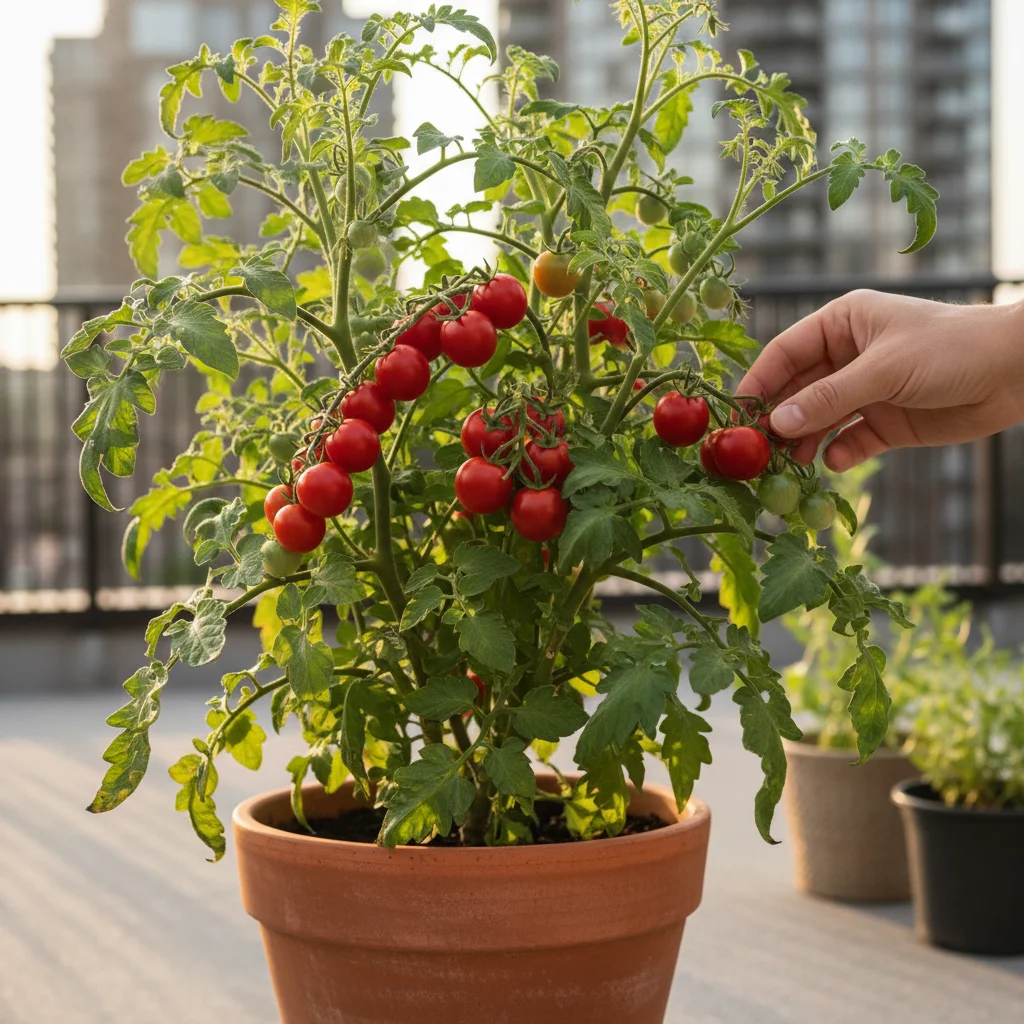
1. Cherry Tomatoes (Dwarf Varieties)
Why they’re great for urban spaces: Dwarf or determinate cherry tomato varieties are compact, producing an abundance of sweet, bite-sized fruits on a smaller plant. They thrive in pots and are relatively easy to care for.
Growing Tips:
- Container Size: At least 5-gallon (19-liter) container per plant.
- Sunlight: 6-8+ hours of direct sun.
- Watering: Consistent moisture is crucial, especially when fruiting. Avoid letting the soil dry out completely.
- Support: Even dwarf varieties benefit from a small stake or cage to support the fruit-laden branches.
- Feeding: Fertilize every 2-3 weeks once flowers appear, using a fertilizer formulated for tomatoes.
- Harvesting: Pick ripe tomatoes when they are fully colored and firm.
Recommended Varieties: ‘Micro Tom’, ‘Tiny Tim’, ‘Patio Princess’.
2. Leaf Lettuce & Salad Greens
Why they’re great for urban spaces: Leafy greens like lettuce, spinach, arugula, and mesclun mix are perfect for containers. They grow quickly, tolerate partial shade, and can be harvested repeatedly.
Growing Tips:
- Container Size: Shallow, wide containers (6-8 inches deep) are ideal.
- Sunlight: 4-6 hours of sun, or partial shade in hot climates to prevent bolting.
- Watering: Keep soil consistently moist.
- Harvesting: Use the ‘cut-and-come-again’ method: snip outer leaves with scissors, leaving the inner leaves to continue growing.
- Succession Planting: Sow seeds every 2-3 weeks for a continuous supply.
Recommended Varieties: ‘Black Seeded Simpson’ lettuce, ‘Spinach Bloomsdale Long Standing’, ‘Arugula’.
3. Radishes
Why they’re great for urban spaces: Radishes are incredibly fast-growing, making them a satisfying choice for impatient gardeners. They mature in as little as 3-4 weeks.
Growing Tips:
- Container Size: At least 6 inches deep to allow root development.
- Sunlight: 6+ hours of sun.
- Watering: Consistent moisture prevents them from becoming woody or too spicy.
- Soil: Loose, well-draining potting mix.
- Harvesting: Pull when the root is about 1 inch in diameter. Don’t leave them in the ground too long, or they become pithy.
Recommended Varieties: ‘French Breakfast’, ‘Cherry Belle’, ‘Sparkler’.
4. Bush Beans
Why they’re great for urban spaces: Unlike pole beans that require tall trellises, bush bean varieties are compact and self-supporting, making them ideal for containers. They are prolific producers.
Growing Tips:
- Container Size: At least 10-12 inches deep and wide for 2-3 plants.
- Sunlight: 6-8+ hours of direct sun.
- Watering: Keep soil consistently moist, especially during flowering and pod development.
- Feeding: Beans are nitrogen fixers, so they don’t need heavy nitrogen fertilizer. A balanced fertilizer at half strength once flowers appear is sufficient.
- Harvesting: Pick pods when they are tender and snap easily. Regular picking encourages more production.
Recommended Varieties: ‘Provider’, ‘Contender’, ‘Blue Lake Bush’.
5. Strawberries (Ever-bearing or Day-neutral)
Why they’re great for urban spaces: Strawberries are fantastic for hanging baskets, vertical planters, or dedicated strawberry pots. Ever-bearing or day-neutral varieties produce fruit throughout the season rather than in one large flush.
Growing Tips:
- Container Size: At least 8-10 inches deep and wide per plant, or specialized strawberry pots.
- Sunlight: 6-8+ hours of direct sun.
- Watering: Keep consistently moist.
- Soil: Rich, well-draining potting mix.
- Feeding: Fertilize lightly with a balanced fertilizer every 3-4 weeks during the growing season.
- Pest Control: Watch out for birds and slugs. Netting can help.
Recommended Varieties: ‘Tristar’, ‘Albion’, ‘Seascape’.
6. Herbs (Basil, Mint, Chives, Parsley)
Why they’re great for urban spaces: Herbs are the quintessential urban edible. They require minimal space, can often be grown indoors on a windowsill, and provide fresh flavor to countless dishes.
Growing Tips:
- Container Size: 6-8 inch pots are usually sufficient for individual plants.
- Sunlight: 4-6 hours of sun for most, mint tolerates some shade.
- Watering: Varies by herb. Basil likes consistent moisture, while rosemary prefers to dry out slightly.
- Harvesting: Pinch off leaves as needed. Regular harvesting encourages bushier growth. For basil, pinch off flower buds to prolong leaf production.
- Mint: Grow mint in its own container as it can be very invasive.
Recommended Varieties: ‘Genovese’ Basil, ‘Mojito’ Mint, ‘Garlic’ Chives, ‘Italian Flat Leaf’ Parsley.
7. Bell Peppers (Dwarf Varieties)
Why they’re great for urban spaces: Compact bell pepper varieties are well-suited for container growing, offering colorful and crunchy additions to your meals.
Growing Tips:
- Container Size: At least 3-5 gallon (11-19 liter) container per plant.
- Sunlight: 6-8+ hours of direct sun.
- Watering: Keep consistently moist, especially during flowering and fruiting.
- Support: Provide a small stake or cage for support as fruits develop.
- Feeding: Fertilize every 2-3 weeks with a balanced fertilizer once flowers appear.
- Harvesting: Pick peppers when they reach their desired size and color.
Recommended Varieties: ‘Lunchbox’ peppers, ‘Patio Bell’, ‘Redskin’.
Advanced Techniques for Maximizing Your Urban Edible Garden
Once you’ve mastered the basics, consider these techniques to get even more out of your Urban Edible Gardening efforts:
Vertical Gardening Solutions
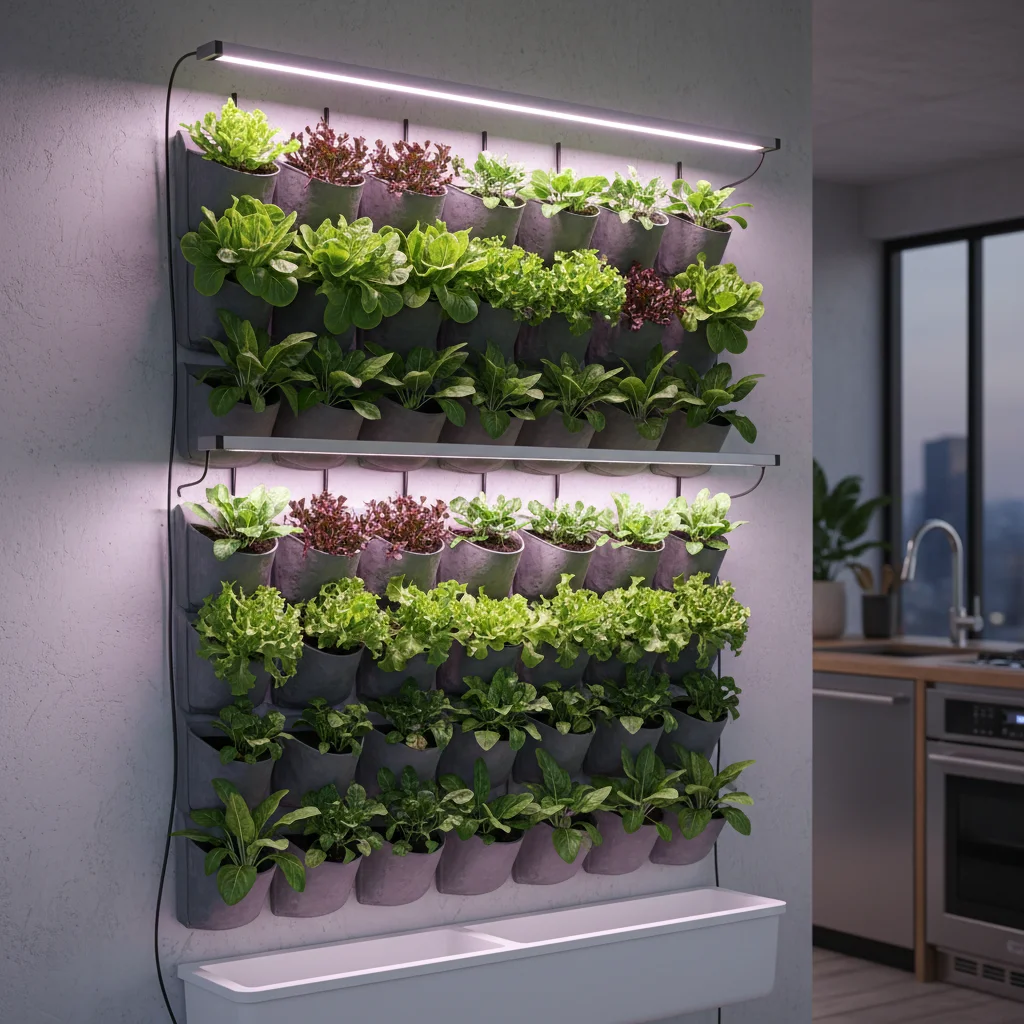
When horizontal space is limited, go vertical! Vertical planters, wall-mounted pockets, tiered garden stands, and even repurposed pallets can create significant growing areas. This is especially effective for leafy greens, herbs, and strawberries. Vertical gardening not only saves space but can also make harvesting easier and add a visually striking element to your urban landscape.
Hydroponics and Aquaponics
For the tech-savvy urban gardener, hydroponics (growing plants in water with nutrient solutions) and aquaponics (combining aquaculture with hydroponics) offer incredibly efficient ways to grow food. These systems require less space and water than traditional soil-based gardening and can yield impressive results indoors, often with faster growth rates. While requiring a higher initial investment and some learning, they represent the cutting edge of Urban Edible Gardening.
Composting in Small Spaces
Don’t let your kitchen scraps go to waste! Worm composting (vermicomposting) is an excellent way to create nutrient-rich compost for your urban garden, even in a small apartment. A worm bin is compact, odorless when managed correctly, and provides a continuous supply of ‘black gold’ for your plants, reducing your reliance on store-bought fertilizers and improving soil health.
Companion Planting
Strategic companion planting can enhance growth, deter pests, and improve the health of your urban garden. For example, planting marigolds near tomatoes can deter nematodes, while basil planted near tomatoes is said to improve their flavor. Research compatible plant pairings to create a harmonious and productive mini-ecosystem in your containers.
Optimizing Microclimates
Even within a small urban space, you’ll find different microclimates. A spot against a south-facing wall might be significantly warmer than an exposed corner. Areas shaded by a building for part of the day might be ideal for leafy greens. Pay attention to these subtle differences and place your plants accordingly to give them the best chance to thrive.
Troubleshooting Common Urban Gardening Challenges
Every gardener faces challenges, but with a little knowledge, you can overcome most hurdles in your Urban Edible Gardening journey.
- Yellowing Leaves: Often indicates a nutrient deficiency (needs fertilizer) or overwatering (check drainage, reduce watering frequency).
- Wilting Plants: Usually a sign of underwatering. Check soil moisture and water thoroughly. Can also be a sign of root rot from overwatering.
- Leggy Growth: Plants stretching towards the light indicate insufficient sunlight. Move to a sunnier spot or supplement with grow lights.
- Pests (Aphids, Spider Mites): Identify the pest. Use organic solutions like insecticidal soap, neem oil, or a strong spray of water to dislodge them. Encourage beneficial insects.
- Lack of Fruit/Flowers: Could be insufficient sunlight, improper pollination, or nutrient imbalance. Ensure adequate sun, consider hand-pollinating some plants (like squash or peppers), and check fertilizer ratios.
- Bolting (Leafy Greens): When leafy greens send up a flower stalk and become bitter, it’s usually due to heat stress or inconsistent watering. Harvest regularly, provide some afternoon shade, and plant heat-tolerant varieties.
Remember, gardening is a continuous learning process. Don’t be discouraged by setbacks; view them as opportunities to learn and adapt.
The Future of Urban Edible Gardening in 2026 and Beyond
As urban populations continue to grow, the importance of Urban Edible Gardening will only intensify. Innovations in smart gardening technology, such as automated watering systems, remote monitoring, and app-controlled grow lights, are making gardening easier and more efficient. Community gardens are flourishing, creating shared green spaces and fostering local food networks. The movement towards hyper-local food production is not just a trend; it’s a vital component of sustainable urban living.
Imagine a city where every balcony, rooftop, and unused space contributes to feeding its residents. This vision is becoming a reality, one container garden at a time. Your decision to start an urban garden this spring is a step towards a more resilient, healthier, and greener future.
Conclusion: Your Spring 2026 Urban Edible Garden Awaits!
Embarking on your Urban Edible Gardening journey this spring 2026 is an incredibly rewarding endeavor. With the right planning, a little dedication, and the knowledge of which plants thrive in small spaces, you can enjoy a continuous harvest of fresh, delicious, and healthy produce. From the sweet burst of a cherry tomato to the crisp crunch of homegrown lettuce, the flavors from your own urban garden will far surpass anything you can buy.
Start small, learn as you go, and don’t be afraid to experiment. The satisfaction of nurturing a seed into a bountiful plant, and then enjoying its fruits (literally!), is an experience that connects you deeply with nature and provides a profound sense of accomplishment. So, gather your pots, prepare your soil, and get ready to transform your urban space into a vibrant and productive edible oasis. Happy gardening!