Future of Food: 3 Innovative Trends Reshaping Our Diets by 2026
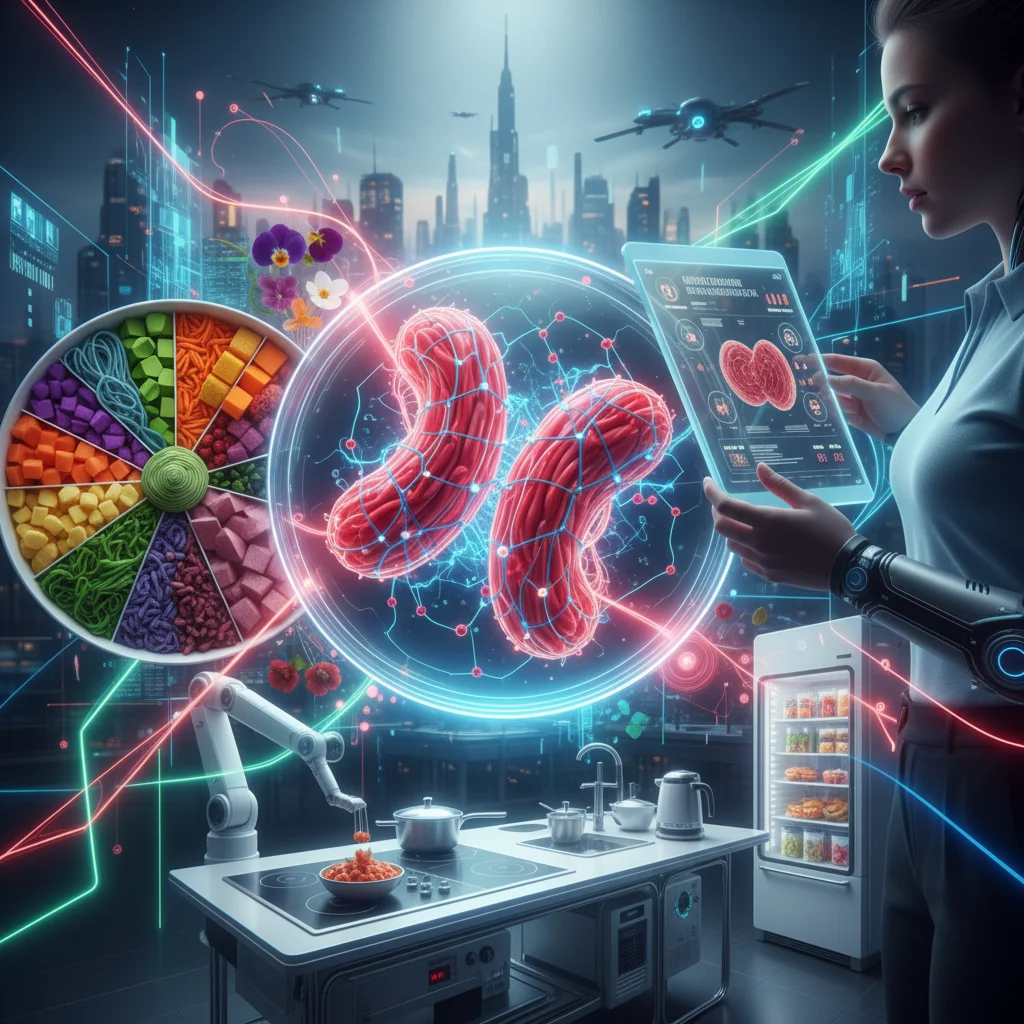
The culinary landscape is on the cusp of a monumental transformation. As we navigate a world grappling with climate change, resource scarcity, and an ever-growing global population, the way we produce, distribute, and consume food is undergoing a radical re-evaluation. The concept of future food trends is no longer a distant sci-fi fantasy but a tangible reality rapidly taking shape. By 2026, our plates will look remarkably different, influenced by groundbreaking innovations designed to address these pressing challenges while simultaneously enhancing our health and well-being. This article delves deep into three pivotal future food trends that are set to redefine our diets and the entire food ecosystem within the next few years: the rise of sustainable protein sources, the revolution of personalized nutrition, and the pervasive integration of smart food technology. These trends are not isolated phenomena but interconnected forces, each amplifying the impact of the others, promising a future where food is not only more abundant and accessible but also healthier, more ethical, and environmentally friendly.
Understanding these shifts is crucial for consumers, food producers, investors, and policymakers alike. The decisions made today about research, development, and adoption of new food technologies will determine the trajectory of our global food system for decades to come. From novel ingredients cultivated in bioreactors to AI-powered dietary recommendations tailored to our unique genetic makeup, the pace of innovation is breathtaking. Prepare to explore the exciting, and sometimes challenging, prospects of what we’ll be eating in a mere three years.
The Rise of Sustainable Protein Sources: A Paradigm Shift in Consumption
One of the most impactful future food trends is the accelerated shift towards sustainable protein sources. The traditional model of meat production, particularly from livestock, faces increasing scrutiny due to its substantial environmental footprint, ethical concerns, and resource intensity. As global demand for protein continues to climb, innovative alternatives are not just desirable, but essential. By 2026, we will witness a significant diversification of our protein intake, moving beyond conventional animal products to embrace a spectrum of novel and environmentally conscious options.
Plant-Based Proteins: Beyond the Burger
While plant-based alternatives have gained considerable traction in recent years, their evolution is far from over. By 2026, the market will be flooded with even more sophisticated and diverse plant-based options. We’re talking about next-generation meat analogs that perfectly mimic the taste, texture, and cooking properties of traditional meats, developed using advanced food science techniques. Companies are investing heavily in research to create plant-based seafood, dairy, and even whole-cut alternatives that go beyond burgers and sausages. Ingredients like pea protein, soy, wheat gluten, and fungi are being refined, and new sources like algae and duckweed are emerging as highly nutritious and sustainable foundations for future products.
The focus isn’t just on imitation; it’s also on creating entirely new categories of plant-based foods that celebrate the inherent goodness of vegetables, legumes, and grains in innovative ways. Think about gourmet mushroom-based dishes, protein-rich ancient grains in new formats, or fermented plant products that offer enhanced flavor and nutritional profiles. The accessibility and affordability of these plant-based options will continue to improve, making them a mainstream choice for a broader consumer base, not just vegans or vegetarians. This expansion is a cornerstone of the future food trends landscape.
Cultivated Meat: Lab-Grown Revolution
Perhaps the most revolutionary aspect of sustainable protein is the advent of cultivated meat, sometimes referred to as lab-grown or cell-based meat. This technology involves growing animal cells in a bioreactor, bypassing the need for raising and slaughtering livestock. While still in its nascent stages of commercialization, cultivated meat holds immense promise for addressing the environmental and ethical challenges of traditional meat production. By 2026, we anticipate significant strides in scalability, cost reduction, and regulatory approval, leading to cultivated meat products appearing on shelves, albeit perhaps initially as a premium or niche offering.
The potential benefits are enormous: drastically reduced land and water usage, lower greenhouse gas emissions, and the ability to produce meat without antibiotics or the risk of zoonotic diseases. The taste and texture continue to improve rapidly, with companies perfecting techniques to create muscle and fat tissues that are indistinguishable from their conventionally farmed counterparts. As consumer acceptance grows and production scales, cultivated meat is poised to become a game-changer in the global protein supply, profoundly impacting the discussion around future food trends and food security.
Insect-Based Proteins: A Sustainable Powerhouse
For many cultures around the world, insects are already a common and nutritious food source. In Western societies, however, there’s been a slower adoption, primarily due to cultural perceptions. Yet, the environmental and nutritional advantages of insect farming are undeniable. Insects require significantly less land, water, and feed than traditional livestock, and they are incredibly efficient at converting feed into protein. Crickets, mealworms, and grasshoppers are rich in protein, healthy fats, vitamins, and minerals.
By 2026, we expect to see a greater integration of insect-based proteins into Western diets, often in disguised forms such as protein powders, flours for baking, and snack bars. Companies are actively working on making insect-based products more palatable and appealing, focusing on their nutritional benefits and sustainable credentials. As awareness grows and products become more refined, insect protein will increasingly be recognized as a viable and sustainable solution to global protein demand, solidifying its place among crucial future food trends.

Personalized Nutrition: Tailoring Diets for Optimal Health
The era of one-size-fits-all dietary advice is rapidly drawing to a close. Another transformative element of future food trends is the emergence of personalized nutrition, a revolutionary approach that tailors dietary recommendations to an individual’s unique genetic makeup, microbiome, lifestyle, and health goals. This shift is powered by advancements in genomics, bioinformatics, and wearable technology, allowing for an unprecedented level of insight into how our bodies interact with food.
Genomic and Microbiome-Based Diets
By 2026, DNA testing kits and microbiome analyses will become more affordable and commonplace, moving beyond niche health enthusiasts to mainstream consumers. These tests provide invaluable data about individual predispositions to certain conditions, metabolic rates, nutrient deficiencies, and the composition of one’s gut bacteria. Armed with this information, nutritionists and AI-powered platforms can offer highly specific dietary advice, recommending foods that optimize nutrient absorption, reduce inflammation, balance gut flora, and prevent chronic diseases.
Imagine a diet plan that tells you precisely which types of carbohydrates your body metabolizes best, which fats are most beneficial for your cardiovascular health based on your genetic markers, or which probiotics will best support your unique gut ecosystem. This level of precision promises to unlock new potentials for disease prevention, weight management, and peak performance, making personalized nutrition a cornerstone of the future food trends discussion.
Wearable Technology and Real-Time Feedback
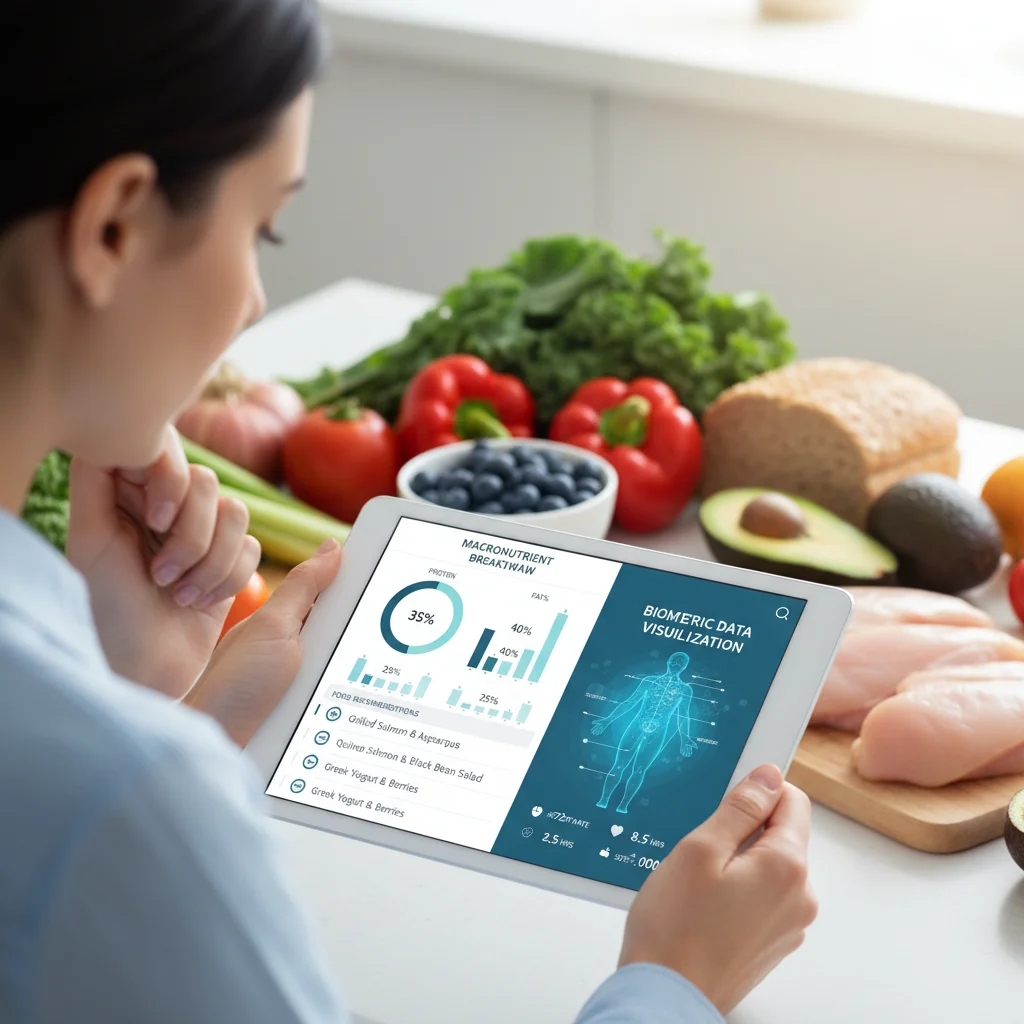
The proliferation of wearable devices – smartwatches, continuous glucose monitors, and even smart rings – is providing real-time data that further enhances personalized nutrition. These devices can track everything from blood sugar levels and heart rate variability to sleep patterns and activity levels. This continuous stream of biometric data, when integrated with dietary intake information, allows for dynamic adjustments to meal plans and food choices.
For example, an individual with pre-diabetes might receive an alert on their smartwatch after consuming a particular food, indicating a spike in blood sugar, along with alternative food suggestions for their next meal. Athletes could receive real-time recommendations for electrolyte replenishment based on their sweat rate and activity intensity. This immediate feedback loop empowers individuals to make informed choices throughout their day, moving beyond static diet plans to a responsive, adaptive approach to eating. This integration of technology is a defining characteristic of advanced future food trends.
AI and Data-Driven Food Recommendations
The sheer volume of data generated by genomic tests, microbiome analysis, and wearable devices necessitates sophisticated artificial intelligence (AI) and machine learning algorithms. AI platforms are being developed to synthesize this complex data, identify patterns, and generate highly personalized dietary recommendations. These platforms can factor in an individual’s preferences, allergies, ethical considerations (e.g., veganism), and even their current mood or stress levels to suggest optimal meals and snacks.
Beyond simple recommendations, AI can also predict how certain foods might affect an individual’s energy levels, sleep quality, or cognitive function. This predictive capability transforms nutrition from a reactive measure to a proactive strategy for health and well-being. The development of these intelligent systems is central to the evolution of personalized nutrition and its role in shaping future food trends.
Smart Food Technology: Innovations from Farm to Fork
The third major pillar of future food trends encompasses smart food technology, which is revolutionizing every stage of the food supply chain, from agricultural production to home kitchens. These technological advancements aim to increase efficiency, reduce waste, enhance food safety, and make food preparation more convenient and enjoyable.
Precision Agriculture and Vertical Farming
On the production front, precision agriculture is leveraging data, sensors, AI, and robotics to optimize crop yields and minimize resource consumption. Drones monitor crop health, smart irrigation systems deliver water precisely where and when it’s needed, and AI analyzes soil conditions to recommend optimal fertilization strategies. This leads to higher yields, reduced water and pesticide use, and a more sustainable farming footprint.
Vertical farming, a method of growing crops in vertically stacked layers, often indoors and in controlled environments, is gaining significant momentum. By 2026, vertical farms will be increasingly common in urban centers, providing fresh, locally grown produce year-round, regardless of climate. This technology dramatically reduces transportation costs and emissions, minimizes land use, and allows for pesticide-free cultivation. The integration of IoT sensors and AI in vertical farms ensures optimal growing conditions, making them a key player in shaping sustainable future food trends.
Blockchain for Food Traceability and Safety
Food safety and traceability are paramount concerns for consumers and regulators alike. Blockchain technology offers a powerful solution by creating an immutable, transparent, and secure record of a food product’s journey from farm to fork. By 2026, we anticipate broader adoption of blockchain in the food industry, allowing consumers to scan a QR code on a product and instantly access information about its origin, production methods, supply chain partners, and even its environmental impact.
This enhanced transparency builds trust, allows for rapid identification and recall of contaminated products, and combats food fraud. For producers, it streamlines compliance and optimizes supply chain management. Blockchain’s ability to provide granular detail about food provenance is a critical development in ensuring a safer and more trustworthy food system, directly contributing to positive future food trends.
Smart Kitchens and AI-Powered Cooking
The home kitchen is also undergoing a technological revolution. Smart appliances, connected devices, and AI-powered cooking assistants are making meal preparation more efficient, personalized, and less wasteful. By 2026, smart refrigerators will not only track inventory and suggest recipes based on available ingredients but also monitor expiration dates and even reorder groceries automatically.
AI-powered ovens and cooking devices will be able to perfectly cook meals with minimal human intervention, adjusting temperatures and cooking times based on the food type and desired doneness. Voice-activated assistants will guide users through complex recipes, provide nutritional information, and even suggest ingredient substitutions based on dietary preferences or allergies. These smart kitchen technologies contribute to reducing food waste, promoting healthier eating habits, and making cooking an accessible and enjoyable experience for everyone, marking a significant advancement in future food trends for the home.
Challenges and Opportunities in the Future of Food
While the prospects of these future food trends are exciting, it’s important to acknowledge the challenges that lie ahead. Regulatory frameworks need to evolve to accommodate novel foods like cultivated meat and insect proteins. Consumer acceptance is crucial, and effective communication about the safety, benefits, and taste of these new options will be vital. Ethical considerations, such as the patenting of life forms or data privacy in personalized nutrition, also need careful consideration.
However, the opportunities far outweigh the challenges. These innovations have the potential to feed a growing global population sustainably, improve public health outcomes, reduce the environmental impact of food production, and create new economic opportunities. Investment in research and development, collaboration between industry, academia, and government, and public education will be key to unlocking the full potential of these transformative trends.
The Environmental and Societal Impact of Evolving Diets
The shift towards sustainable protein sources, personalized nutrition, and smart food technology isn’t merely about what we eat; it’s about fundamentally altering our relationship with the planet and our own bodies. The environmental benefits of these future food trends are profound. Reducing reliance on traditional livestock farming will lead to a significant decrease in greenhouse gas emissions, deforestation, and water usage. Vertical farms will minimize the carbon footprint associated with food transportation and allow for local food production in areas previously considered unsuitable.
From a societal perspective, personalized nutrition has the potential to dramatically improve public health, reducing the incidence of diet-related chronic diseases such as obesity, type 2 diabetes, and cardiovascular conditions. By tailoring dietary advice to individual needs, we can move towards a more preventative healthcare model, empowering people to take greater control over their health through informed food choices. This could lead to a healthier, more productive global population, easing the burden on healthcare systems.
Furthermore, smart food technology, through precision agriculture and blockchain, can enhance food security and reduce food waste. By optimizing yields and ensuring efficient supply chains, we can better distribute food resources and minimize losses from farm to table. This is particularly critical in a world where food insecurity remains a persistent challenge for millions.
Integrating Technology and Ethics: A Balancing Act
As these future food trends unfold, an ongoing dialogue about the ethical implications of technology in food will be essential. For instance, the widespread collection of personal health data for personalized nutrition raises important questions about privacy and data security. Who owns this data, and how will it be protected from misuse? Similarly, as cultivated meat becomes more prevalent, discussions around its ‘naturalness’ and consumer acceptance will continue to evolve. Transparency and clear communication from producers will be paramount to building public trust.
The accessibility of these new technologies is another critical ethical consideration. Will personalized nutrition and advanced sustainable foods be available to everyone, or will they exacerbate existing inequalities in food access? Efforts must be made to ensure that these innovations benefit all segments of society, not just the privileged. Subsidies, public-private partnerships, and educational initiatives will play a crucial role in democratizing access to the foods of the future.
The Role of Consumers in Shaping the Future
Ultimately, the successful integration of these future food trends hinges on consumer choices and preferences. As consumers, our purchasing decisions have immense power to drive demand for sustainable and innovative food products. By actively seeking out plant-based options, being open to trying cultivated meats, exploring personalized nutrition services, and supporting businesses that leverage smart food technology, we can accelerate the transition to a more sustainable and healthier food system.
Education is also key. Understanding the benefits, processes, and ethical considerations behind these new food technologies will empower consumers to make informed decisions and advocate for policies that support a positive transformation of our food landscape. The future of food isn’t just happening to us; it’s being shaped by collective action and individual choices.
Conclusion: A Delicious and Sustainable Future Awaits
The year 2026 is rapidly approaching, and with it, a culinary revolution driven by innovative future food trends. Sustainable protein sources, personalized nutrition, and smart food technology are not merely buzzwords; they represent fundamental shifts in how we will nourish ourselves and the planet. From the cellular level to global supply chains, every aspect of our food system is being re-imagined with efficiency, health, and sustainability at its core.
While challenges in regulation, consumer acceptance, and equitable access remain, the trajectory is clear: our diets are becoming more diverse, more tailored to our individual needs, and significantly less impactful on the environment. Embracing these changes requires an open mind, a willingness to adapt, and a commitment to fostering a food system that is resilient, equitable, and capable of feeding future generations. The future of food promises not only to be more sustainable but also more exciting, diverse, and delicious than ever before. Get ready to taste the future.