Digital Nomadism Boom 2026: Reshaping Urban Centers
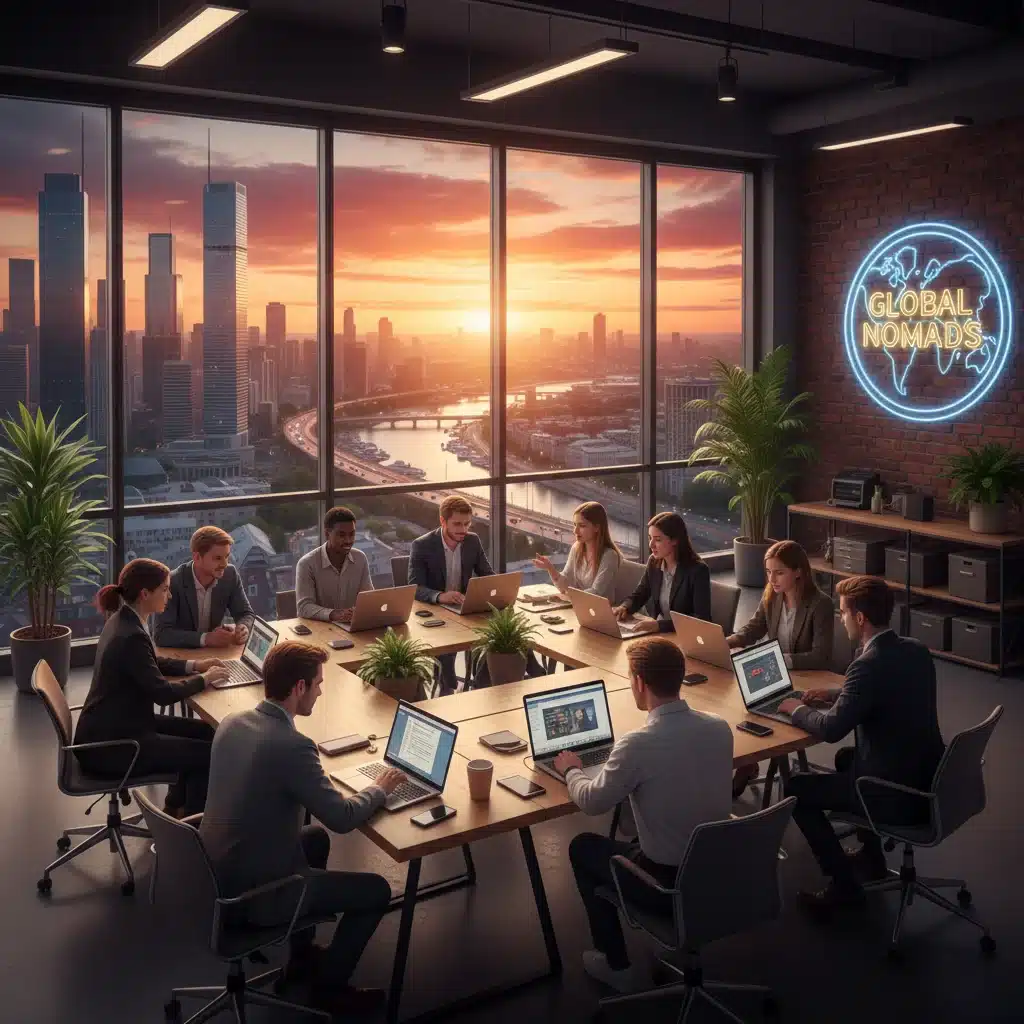
The world of work is undergoing a seismic shift, unlike anything seen in generations. The traditional 9-to-5 office paradigm is rapidly giving way to more flexible, location-independent models, with digital nomadism at the forefront of this revolution. Recent projections indicate a staggering 15% increase in digital nomadism by 2026, a societal trend that promises to profoundly reshape urban centers across the globe. This isn’t just about individuals choosing to work from a beach in Bali; it’s a complex phenomenon with far-reaching implications for economies, infrastructure, social dynamics, and the very fabric of city life. Understanding this impending boom and its multifaceted effects is crucial for policymakers, urban planners, businesses, and indeed, anyone living in or considering a move to an urban environment.
The Unstoppable Rise of Digital Nomadism: A 2026 Forecast
The term ‘digital nomad’ has moved from a niche concept to a mainstream aspiration for millions. Fueled by technological advancements, evolving work cultures, and a desire for greater personal freedom and work-life balance, the ranks of location-independent professionals are swelling. By 2026, the anticipated 15% surge in digital nomadism 2026 represents not just a statistical uptick, but a fundamental re-evaluation of how and where work gets done. This growth is driven by several key factors:
- Technological Infrastructure: Reliable high-speed internet, cloud computing, and sophisticated collaboration tools have made it possible for virtually any knowledge-based job to be performed remotely.
- Employer Acceptance: The COVID-19 pandemic accelerated the adoption of remote work, proving its viability and often its efficiency to even the most traditional organizations. Many companies now offer remote-first or hybrid models, opening doors for prospective digital nomads.
- Generational Shifts: Younger generations, particularly Millennials and Gen Z, prioritize flexibility, experiences, and purpose-driven work over traditional career paths, aligning perfectly with the digital nomad lifestyle.
- Cost of Living: For many, becoming a digital nomad is a strategic move to lower their cost of living while maintaining or even increasing their income, allowing for greater financial freedom and more travel opportunities.
- Government Initiatives: An increasing number of countries and cities are actively courting digital nomads through special visas, tax incentives, and dedicated infrastructure, recognizing the economic benefits they bring.
This confluence of factors creates a powerful momentum that suggests the 15% increase is not merely an optimistic projection but a conservative estimate of a trend that will continue to accelerate. The implications for urban centers are particularly profound, as these nomadic professionals seek out destinations that offer the right blend of work opportunities, lifestyle amenities, and cultural experiences. The future of urban planning and development must, therefore, critically consider the needs and impacts of this burgeoning demographic.
Economic Repercussions: New Revenue Streams and Market Demands
The influx of digital nomads brings a significant economic stimulus to their chosen destinations. Unlike traditional tourists who often spend on short-term leisure, digital nomads tend to stay longer, integrating more deeply into local economies. This extended stay translates into consistent spending on rent, groceries, local services, co-working spaces, and entertainment, creating new revenue streams for businesses that cater to their unique needs. The digital nomadism 2026 trend will amplify these effects.
Housing Market Transformations
One of the most immediate and visible impacts of digital nomadism is on the housing market. Short-term rentals, once dominated by tourists, are increasingly being utilized by digital nomads seeking flexible accommodation options. This can lead to increased rental prices, particularly in popular nomad hubs, potentially displacing local residents. Cities must grapple with the challenge of balancing the economic benefits of nomad tourism with the need to maintain affordable housing for their long-term populations. Innovative solutions, such as purpose-built nomad communities, co-living spaces, and regulations on short-term rental platforms, will become essential.
Growth of the ‘Nomad Economy’
Beyond basic accommodation, digital nomads fuel a specialized ‘nomad economy.’ This includes a boom in co-working spaces, offering not just desks but also community events, networking opportunities, and business services. Cafes with reliable Wi-Fi and power outlets become de facto offices. Local businesses offering services like laundry, health and wellness, language classes, and cultural tours experience increased demand. This creates new job opportunities for locals and fosters a more vibrant, service-oriented economy. The 15% rise in digital nomadism 2026 will necessitate a significant expansion of these specialized services.
Entrepreneurial Ecosystems
Many digital nomads are entrepreneurs, freelancers, or work for innovative tech companies. Their presence can inject fresh ideas, skills, and capital into local entrepreneurial ecosystems. They often bring diverse perspectives and international networks, fostering innovation and potentially leading to new business ventures and collaborations within the host city. This cross-pollination of ideas can be a powerful catalyst for local economic development and diversification.

Infrastructure and Urban Planning: Adapting to the New Inhabitants
The influx of digital nomads places new demands on urban infrastructure. Cities that wish to attract and retain this valuable demographic must invest in robust, reliable, and modern amenities. The projected increase in digital nomadism 2026 makes this a pressing concern.
Connectivity is King
Unsurprisingly, high-speed, reliable internet is paramount for digital nomads. Cities with superior broadband infrastructure will naturally become more attractive. Beyond just speed, the availability of public Wi-Fi, reliable mobile networks, and backup power solutions will be critical. Urban planners must view internet connectivity not as a luxury, but as a fundamental utility, as important as water or electricity.
Transportation and Accessibility
While many digital nomads eschew car ownership, efficient and affordable public transportation is highly valued. Easy access to international airports is also a significant draw, facilitating their transient lifestyle. Cities with well-developed public transit networks, bike-friendly infrastructure, and walkable neighborhoods will appeal more to this demographic, contributing to more sustainable urban living.
Public Spaces and Community Hubs
Digital nomads often seek community and social interaction. Urban planning must therefore consider the creation or enhancement of public spaces that foster connection – parks, squares, community centers, and even ‘third spaces’ like cafes and libraries that encourage lingering and interaction. Co-working spaces, as mentioned, serve a dual purpose as both work environments and social hubs.
Social and Cultural Dynamics: Integration, Diversity, and Challenges
The arrival of a significant number of digital nomads inevitably alters the social and cultural landscape of host cities. While largely positive, these changes also present challenges that require careful management. The 15% increase in digital nomadism 2026 will accelerate these social transformations.
Increased Diversity and Cultural Exchange
Digital nomads bring a wealth of diverse cultural backgrounds, languages, and perspectives. This can enrich the local culture, fostering a more cosmopolitan and tolerant environment. Local residents have opportunities to learn about different cultures, practice foreign languages, and expand their worldview through interactions with these global citizens. This cultural exchange can lead to a more vibrant and dynamic urban tapestry.
Community Building and Social Networks
While digital nomads are often transient, many seek to build temporary communities in their chosen locations. Online forums, social media groups, and local meetups facilitate these connections. Cities can support this by promoting inclusive events and spaces where locals and nomads can interact, fostering a sense of belonging for everyone. The challenge lies in ensuring that these new communities integrate rather than isolate themselves from the existing local population.
Gentrification and Authenticity Concerns
One of the primary social challenges is the potential for gentrification. As popular nomad destinations become more desirable, property values and the cost of living can rise rapidly, pushing out long-term residents and local businesses. This can erode the authentic character of a neighborhood, replacing local establishments with businesses catering primarily to the nomadic demographic. Cities must implement policies that protect local communities and preserve cultural heritage while still welcoming new residents.
Policy and Governance: Crafting a Welcoming Yet Sustainable Future
Governments and local authorities play a critical role in managing the impacts of the 15% projected rise in digital nomadism 2026. Proactive and thoughtful policies are essential to maximize benefits and mitigate potential downsides.
Digital Nomad Visas and Immigration Policies
A growing number of countries have introduced specific digital nomad visas, simplifying the legal framework for long-term stays. These visas often come with specific requirements regarding income, health insurance, and criminal records. Streamlining these processes can attract more nomads, but governments must also ensure that these policies are equitable and do not create a two-tiered system for residents.
Taxation and Economic Contribution
The question of how to tax digital nomads effectively remains complex. Their transient nature and often international income streams pose challenges for traditional tax systems. Governments are exploring various models, from flat-rate taxes to specific residency-based taxation, to ensure that nomads contribute fairly to the public services they utilize. This is a crucial area for development as digital nomadism 2026 continues its ascent.
Urban Planning and Development Regulations
Local governments need to adapt urban planning to accommodate the specific needs of digital nomads without compromising local residents’ quality of life. This includes zoning for co-working spaces, regulating short-term rentals, investing in public amenities, and developing affordable housing strategies. Community engagement is vital to ensure that development reflects the needs of all stakeholders.

The Future Landscape: Smart Cities and Global Connectivity
Looking towards 2026 and beyond, the continued growth of digital nomadism 2026 will undoubtedly accelerate the evolution of ‘smart cities.’ These are urban centers that leverage technology to improve efficiency, sustainability, and the quality of life for their inhabitants. Digital nomads, being early adopters of technology and often seeking convenience, will contribute to the demand for and adoption of smart city solutions.
Integrated Digital Services
Smart cities will offer seamless digital services for both residents and nomads, from online government portals for permits and registrations to integrated public transport apps and digital payment systems. This efficiency will be a major draw for the time-conscious digital nomad.
Sustainable Urban Living
Many digital nomads are environmentally conscious and seek sustainable living options. This aligns with smart city initiatives focused on green infrastructure, renewable energy, waste reduction, and eco-friendly transportation. Cities that prioritize sustainability will become increasingly attractive global hubs for this demographic.
Global Talent Hubs
As remote work becomes the norm, cities will increasingly compete to become global talent hubs, not just for traditional companies but also for individual knowledge workers. This competition will drive innovation in urban services, infrastructure, and quality of life, ultimately benefiting all residents. The 15% increase in digital nomadism 2026 will intensify this global competition for talent and attention.
Challenges and Opportunities for Businesses
The rise of digital nomadism 2026 presents both challenges and unparalleled opportunities for businesses. Companies that adapt to this evolving workforce will be better positioned for future success.
Attracting and Retaining Talent
For employers, embracing remote work and offering flexibility is no longer a perk but a necessity to attract top talent. Companies that allow their employees to become digital nomads can tap into a global talent pool, reducing recruitment costs and increasing diversity. However, managing a distributed team requires new leadership skills and communication strategies.
New Market Segments
Businesses, particularly those in the hospitality, real estate, and service sectors, have a golden opportunity to cater to the specific needs of digital nomads. This could involve developing specialized co-living spaces, offering long-term stay discounts, creating nomad-focused events, or providing services like international banking advice and local cultural immersion programs. The growth of digital nomadism 2026 signals a robust new market.
Innovation in Products and Services
The digital nomad lifestyle often requires innovative solutions for everything from travel insurance to portable tech gadgets. Businesses that identify these unmet needs and develop tailored products and services will thrive. For example, apps for finding reliable Wi-Fi, platforms for connecting with other nomads, or services offering seamless global healthcare top the list of desired innovations.
The Human Element: Wellness, Connection, and Identity
Beyond the economic and infrastructural shifts, the 15% increase in digital nomadism 2026 also brings significant changes to the human experience itself. The lifestyle, while appealing, comes with its own set of challenges regarding wellness, connection, and personal identity.
Mental Health and Well-being
While the freedom of digital nomadism is often celebrated, it can also lead to feelings of isolation, burnout, and a lack of rootedness. Constantly adapting to new environments, navigating cultural differences, and managing work across time zones can take a toll. Cities and communities that offer mental health support services, wellness initiatives, and opportunities for stable social connections will be crucial for the well-being of this demographic.
Building and Maintaining Relationships
For digital nomads, maintaining deep, long-term relationships with friends and family can be challenging. While technology helps bridge distances, it doesn’t fully replace physical presence. The ability to form temporary but meaningful connections in new locations becomes paramount. This highlights the importance of community and social infrastructure within host cities.
Identity and Belonging
The constant movement can also impact a digital nomad’s sense of identity and belonging. Where is ‘home’ when you don’t have a fixed address? This existential question is part of the journey. Cities that can offer a sense of welcome, inclusion, and opportunities for meaningful engagement, even for short-term residents, will be more successful in integrating digital nomads into their urban fabric.
Conclusion: Embracing the Nomadic Future
The projected 15% increase in digital nomadism 2026 is not merely a statistical footnote; it is a powerful indicator of a fundamental shift in how we live, work, and interact with urban environments. This trend is a double-edged sword, offering immense opportunities for economic growth, cultural enrichment, and urban innovation, while also posing challenges related to housing affordability, infrastructure strain, and social integration.
For cities, the path forward involves proactive planning, adaptive governance, and a commitment to creating inclusive, sustainable, and technologically advanced environments. Those that successfully anticipate and respond to the needs of this growing demographic will emerge as the vibrant, dynamic global hubs of the future. For individuals, whether aspiring nomads, remote workers, or traditional employees, understanding this shift is key to navigating the evolving landscape of work and urban life.
The future is mobile, digital, and increasingly nomadic. Embracing this reality, rather than resisting it, will be the key to unlocking the full potential of this transformative societal trend for urban centers worldwide. The conversation around digital nomadism 2026 is just beginning, and its impact will resonate for decades to come.