
Mindful Eating in 2026: 5 Simple Steps to a Healthier Relationship with Food
As we step into 2026, many of us are setting new intentions, seeking ways to enhance our well-being and live more fulfilling lives. Amidst the resolutions for fitness and career advancement, one crucial area often overlooked is our relationship with food. This year, let’s make a conscious shift towards Mindful Eating 2026 – a practice that can profoundly transform not just our diets, but our entire approach to health and happiness. Mindful eating is not another fad diet; it’s a sustainable lifestyle change that encourages us to pay attention to our hunger cues, appreciate our food, and truly nourish our bodies.
In a world that constantly bombards us with distractions and quick fixes, the concept of mindful eating offers a refreshing antidote. It invites us to slow down, tune in, and develop a deeper connection with what we consume. This isn’t about rigid rules or calorie counting; it’s about fostering awareness, cultivating gratitude, and understanding the intricate dance between our minds and our plates. By embracing Mindful Eating 2026, you’re not just changing how you eat, but how you live.
The benefits extend far beyond weight management. Practicing mindful eating can lead to improved digestion, reduced stress around food, increased satisfaction from meals, and a greater appreciation for the nourishment food provides. It’s about listening to your body’s wisdom, recognizing true hunger, and stopping when you’re comfortably full. This article will guide you through five simple, yet powerful, steps to integrate Mindful Eating 2026 into your daily routine, empowering you to build a healthier, more harmonious relationship with food that lasts a lifetime.
Step 1: Tune In Before You Eat – The Hunger-Fullness Scale
One of the foundational principles of Mindful Eating 2026 is learning to distinguish between true physical hunger and other forms of hunger, such as emotional hunger or habitual eating. We often eat out of boredom, stress, or simply because it’s ‘time’ to eat, rather than because our bodies truly need fuel. To combat this, the first step is to tune into your body’s signals before you even pick up a fork.
A highly effective tool for this is the Hunger-Fullness Scale. Imagine a scale from 1 to 10, where 1 is ravenously hungry (stomach growling, light-headedness) and 10 is uncomfortably stuffed. The goal of Mindful Eating 2026 is to start eating when you’re around a 3 or 4 (beginning to feel hungry, stomach feels empty but no discomfort) and stop eating when you’re around a 6 or 7 (comfortably satisfied, no longer hungry, but not stuffed).
How to Implement the Hunger-Fullness Scale:
- Pause and Assess: Before every meal or snack, take a moment to ask yourself, “How hungry am I right now?” Really listen to your body. Is your stomach rumbling? Do you feel a slight energy dip? Or are you just thinking about food because it’s available?
- Rate Your Hunger: Assign a number on the 1-10 scale. If you’re at a 1 or 2, you might be over-hungry, which can lead to overeating. If you’re at an 8 or 9, you’re probably not truly hungry.
- Eat When Appropriate: Aim to eat when you’re genuinely hungry (3-4). This ensures you’re providing your body with fuel when it needs it most, preventing extreme hunger that often leads to less mindful choices.
- Stop When Satisfied: Throughout your meal, periodically check in with your body. “How full am I now?” As you approach a 6 or 7, consider putting your fork down. It takes practice to recognize this point, as it’s often subtle.
By consistently checking in with your hunger and fullness levels, you begin to re-establish a natural rhythm with your body, an essential component of Mindful Eating 2026. This practice helps you differentiate between physical and emotional hunger, paving the way for more intentional and satisfying eating experiences.
Step 2: Engage All Your Senses – The Sensory Experience of Eating
In our fast-paced lives, eating often becomes a secondary activity, something we do while multitasking – working, watching TV, or scrolling through our phones. This detachment prevents us from fully experiencing and appreciating our food, leading to dissatisfaction and often overeating. The second step for Mindful Eating 2026 is to transform eating into a multi-sensory experience.
When you engage all five senses – sight, smell, sound, touch, and taste – you amplify your enjoyment and satisfaction from each meal. This not only makes eating more pleasurable but also signals to your brain that you are truly being nourished, which can help regulate appetite and prevent cravings.
How to Engage Your Senses:
- Sight: Before you take the first bite, truly look at your food. Notice the colors, the textures, the way it’s presented. How does it look? Does it appeal to you visually? Even simple meals can be made more appealing by thoughtful presentation.
- Smell: Take a moment to inhale the aromas. What scents do you detect? Spices, freshness, savory notes? Our sense of smell is intricately linked to taste and can significantly enhance our eating experience.
- Sound: Pay attention to the sounds associated with eating. The crunch of a fresh vegetable, the sizzle of food cooking, the gentle clinking of cutlery. These sounds contribute to the overall sensory richness of your meal.
- Touch (Texture): Notice the texture of the food in your mouth. Is it crunchy, soft, chewy, smooth, creamy? How does it feel against your tongue and teeth? This tactile experience adds another layer to your enjoyment.
- Taste: This is often the most obvious sense, but are you truly tasting? Focus on the initial flavors, how they evolve as you chew, and the aftertaste. Can you identify different ingredients? Savor each mouthful, allowing the flavors to fully develop on your palate.
By bringing this level of attention to your meals, you elevate eating from a mere necessity to a delightful ritual. This practice is central to Mindful Eating 2026, helping you to feel more satisfied with less food and to develop a deeper appreciation for the sustenance you receive.
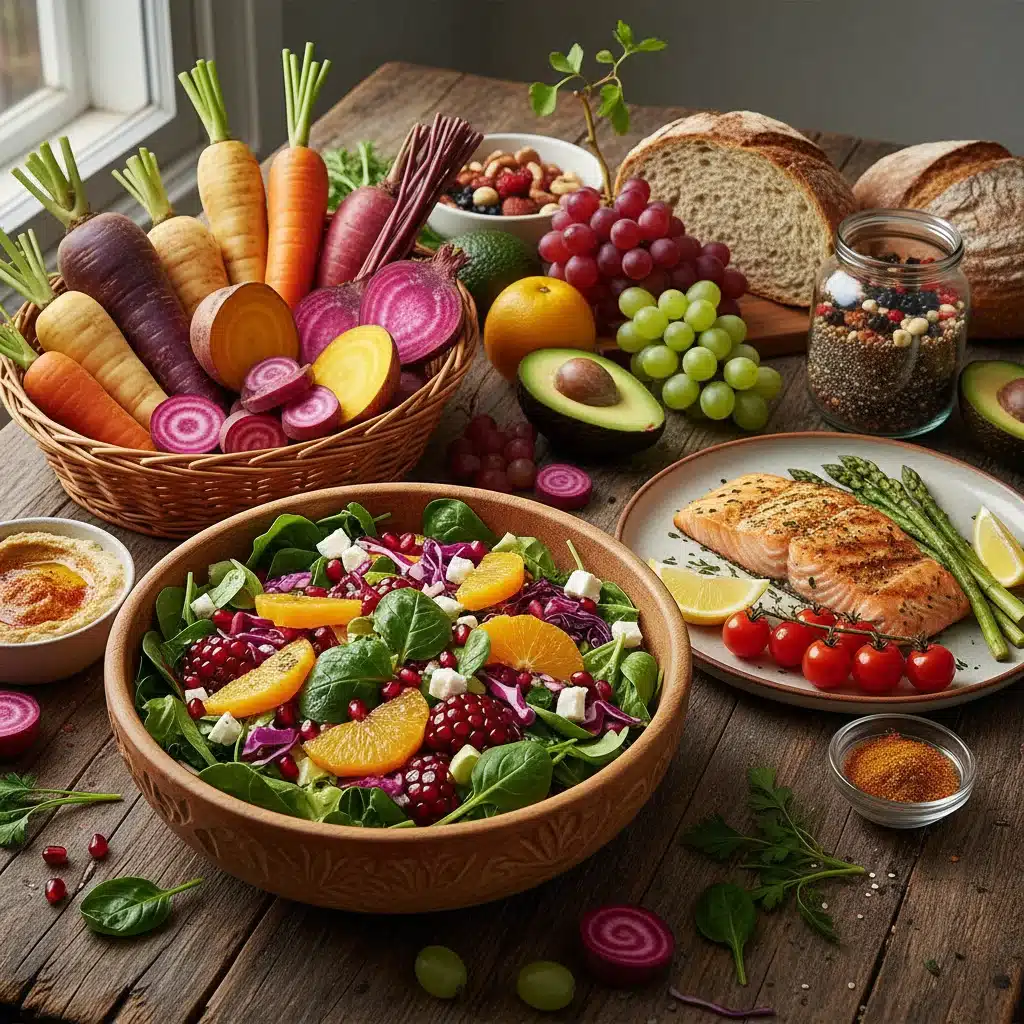
Step 3: Eat Slowly and Chew Thoroughly – The Art of Savoring
In our modern world, speed has become a virtue, even at the dinner table. We often rush through meals, barely chewing, and quickly moving on to the next task. This habit is detrimental to digestion and prevents us from fully registering satiety. The third crucial step for Mindful Eating 2026 is to consciously slow down and chew your food thoroughly.
Digestion begins in the mouth. Chewing food properly breaks it down into smaller particles, making it easier for enzymes in your saliva and stomach to process. When you eat too quickly, your digestive system has to work harder, which can lead to discomfort, bloating, and inefficient nutrient absorption. Furthermore, it takes about 20 minutes for your stomach to signal to your brain that it’s full. If you eat too fast, you’ll likely consume more food than your body needs before that signal even arrives.
Practical Tips for Slowing Down:
- Put Down Your Utensil: After each bite, place your fork or spoon down. This simple action forces a pause, preventing you from automatically loading the next bite.
- Count Your Chews: While not necessary for every bite, try consciously counting how many times you chew a bite of food. Aim for 20-30 chews, or until the food is almost liquid before swallowing. This practice significantly slows you down and aids digestion.
- Take Small Bites: Don’t try to fit too much food on your fork or spoon. Smaller bites are easier to chew thoroughly and allow you to appreciate the flavors more.
- Engage in Conversation (Mindfully): If you’re eating with others, use conversation as an opportunity to slow down. Talk between bites, rather than continuously shoveling food in.
- Set a Timer: If you find yourself consistently finishing meals in under 10 minutes, try setting a timer for 20-30 minutes for your meal. The goal isn’t to eat for the entire duration, but to encourage a slower pace.
By consciously slowing down and chewing thoroughly, you not only improve digestion but also give your body the time it needs to register fullness, making Mindful Eating 2026 a truly satisfying and nourishing experience. This simple shift can dramatically reduce overeating and enhance your enjoyment of every meal.
Step 4: Acknowledge Your Food’s Journey – Gratitude and Connection
In our modern food system, it’s easy to disconnect from where our food comes from. We grab items from supermarket shelves without much thought about the effort, resources, and journey involved in bringing them to our plates. The fourth step in cultivating Mindful Eating 2026 is to acknowledge and appreciate the entire process that brought your food to you.
This practice is about fostering gratitude and a deeper connection to your food and the environment. When you recognize the hands that sowed the seeds, harvested the crops, transported the goods, and prepared the meal, food becomes more than just sustenance; it becomes a gift. This shift in perspective can transform a mundane meal into a moment of profound appreciation and respect.
How to Practice Food Gratitude:
- Brief Reflection: Before you begin eating, take a moment to pause. You don’t need to say a formal prayer if that’s not your style, but quietly reflect on the journey of your food. Think about the sun, the rain, the soil, the farmer, the transporter, the grocer, and the person who cooked it.
- Consider the Resources: Acknowledge the water, energy, and human effort that went into producing your meal. This can foster a greater sense of responsibility and encourage less waste.
- Express Thanks: Silently or verbally, express gratitude for the nourishment you are about to receive. This simple act can shift your mindset from one of entitlement to one of appreciation.
- Choose Consciously: This awareness might also influence your food choices. You may find yourself more inclined to choose sustainably sourced, locally grown, or ethically produced foods as you connect more deeply with their origins.
By acknowledging the journey of your food, you cultivate a sense of gratitude that enhances your eating experience and fosters a more respectful relationship with what you consume. This dimension of Mindful Eating 2026 adds a layer of spiritual and environmental consciousness to your daily meals, making them more meaningful.

Step 5: Practice Non-Judgmental Awareness – Embracing Imperfection
The final and perhaps most crucial step in your journey with Mindful Eating 2026 is to practice non-judgmental awareness. As you embark on this path, there will be times when you eat quickly, get distracted, or overeat. This is perfectly normal and part of the learning process. The key is how you respond to these moments.
Mindfulness is not about perfection; it’s about awareness. When you find yourself straying from your mindful eating intentions, instead of criticizing yourself or feeling guilty, simply observe what happened without judgment. Ask yourself, “What led to this? How do I feel now? What can I learn from this experience?”
Cultivating Non-Judgmental Awareness:
- Observe Without Labeling: Notice your thoughts and feelings about food without labeling them as ‘good’ or ‘bad.’ If you overate, simply observe the sensation of fullness without self-criticism.
- Practice Self-Compassion: Treat yourself with the same kindness and understanding you would offer a friend. Everyone makes mistakes; it’s part of being human.
- Learn from Experiences: Every eating experience, whether it aligns with your mindful intentions or not, is an opportunity for learning. If you ate mindlessly, reflect on the triggers. Were you stressed? Bored? In a rush? Understanding these patterns is key to making different choices next time.
- Return to the Present Moment: If your mind wanders during a meal, gently guide it back to the present moment – the taste, the texture, the aroma of your food. There’s no need for frustration; simply return your attention.
- Release Expectations: Let go of the idea that you have to be ‘perfect’ at mindful eating. It’s a practice, not a destination. Each meal is a new opportunity to practice awareness.
By embracing non-judgmental awareness, you create a safe space for exploration and growth in your mindful eating journey. This approach fosters resilience, reduces stress around food, and ultimately strengthens your ability to consistently practice Mindful Eating 2026, leading to a more peaceful and balanced relationship with food.
Integrating Mindful Eating 2026 into Your Daily Life
While these five steps provide a solid framework, integrating Mindful Eating 2026 into your busy life requires consistency and patience. It’s not about making drastic changes overnight, but rather about incorporating small, intentional practices that gradually build into lasting habits. Here are some additional tips to help you along the way:
Create a Mindful Eating Environment:
- Designate a Space: Whenever possible, eat in a calm, designated eating area, free from distractions like screens or work.
- Set the Table: Even for a simple meal, take a moment to set your table nicely. This signals to your brain that eating is an important, intentional activity.
- Eliminate Distractions: Turn off the TV, put away your phone, and close your laptop. Give your full attention to your meal.
Practice Mindful Cooking:
The journey of Mindful Eating 2026 can begin even before the food reaches your plate. Engage your senses while cooking. Notice the colors of the vegetables, the aroma of the spices, the sound of ingredients sizzling. Cooking mindfully can be a meditative and enjoyable process, deepening your connection to your food.
Keep a Mindful Eating Journal:
For a week or two, try keeping a brief journal of your eating experiences. Note down:
- What you ate.
- How hungry you were before eating (1-10 scale).
- How full you felt after eating (1-10 scale).
- Your mood before and after eating.
- Any distractions present during the meal.
- Any insights or observations.
This can provide valuable insights into your eating patterns and triggers, aiding your Mindful Eating 2026 journey.
Practice Mindful Snacking:
Mindful eating isn’t just for main meals. Apply the same principles to your snacks. Before reaching for that cookie or bag of chips, check in with your hunger, engage your senses, and eat slowly. You might find you need less than you thought to feel satisfied.
Be Patient and Persistent:
Developing mindful eating habits takes time and practice. There will be good days and challenging days. The key is to be patient with yourself, celebrate small victories, and gently redirect your focus back to mindfulness when you notice yourself drifting. Consistency, not perfection, is the goal for Mindful Eating 2026.
The Long-Term Impact of Mindful Eating 2026
Embracing Mindful Eating 2026 is more than just a dietary adjustment; it’s a profound shift towards a more conscious way of living. When you truly listen to your body, appreciate your food, and eat with intention, you unlock a cascade of positive outcomes:
- Improved Digestion: Slower eating and thorough chewing lead to better nutrient absorption and reduced digestive discomfort.
- Enhanced Satisfaction: By engaging all your senses and savoring each bite, you derive greater pleasure and satisfaction from your meals, often leading to eating less overall.
- Weight Management: Mindful eating helps you recognize true hunger and fullness cues, naturally guiding you towards a healthy weight without restrictive dieting.
- Reduced Emotional Eating: By becoming more aware of your emotions around food, you can identify triggers for emotional eating and develop healthier coping mechanisms.
- Greater Appreciation for Food: Acknowledging the journey of your food fosters gratitude and a deeper connection to the earth and its resources.
- Stress Reduction: Eating mindfully can be a calming, meditative practice, offering a break from the day’s stressors.
- Better Food Choices: As you become more attuned to your body, you may naturally gravitate towards foods that truly nourish and energize you.
These benefits are not fleeting; they are the foundation for a lifetime of healthy eating and overall well-being. The investment you make in practicing Mindful Eating 2026 will pay dividends in every aspect of your health, from physical vitality to mental clarity and emotional balance.
Conclusion: Your Journey to Mindful Eating in 2026 Begins Now
The year 2026 presents a wonderful opportunity to redefine your relationship with food. By adopting these five simple yet powerful steps – tuning into hunger, engaging your senses, eating slowly, acknowledging your food’s journey, and practicing non-judgmental awareness – you can embark on a transformative path towards Mindful Eating 2026. This isn’t about perfection, but about consistent, compassionate practice.
Remember, every meal is a chance to practice mindfulness. Start small, be patient with yourself, and celebrate every step of progress. As you cultivate a more conscious and appreciative approach to eating, you’ll discover not only a healthier body but also a more peaceful mind and a deeper connection to the world around you. Make Mindful Eating 2026 your commitment to a more nourished, balanced, and joyful life.