Boost Life Satisfaction: The Power of Gratitude Practices
The Transformative Power of Gratitude Practices: Boosting Life Satisfaction by 18%
In a world constantly pushing us towards more, faster, and better, it’s easy to lose sight of the profound impact that simply appreciating what we already have can have on our overall well-being. This isn’t just feel-good philosophy; it’s a scientifically backed truth. Recent studies in positive psychology have illuminated a compelling link between consistent gratitude practices benefits and a significant increase in life satisfaction, with some research indicating an impressive 18% boost. This article delves deep into the science, practical applications, and life-changing potential of cultivating gratitude.
Imagine a life where joy feels more abundant, challenges seem less daunting, and your overall sense of contentment is consistently elevated. This isn’t a fantasy; it’s an attainable reality for those who consciously integrate gratitude into their daily lives. We’ll explore what gratitude truly means, why it’s so powerful, and how you can harness its energy to transform your own life.
Understanding Gratitude: More Than Just a Feeling
At its core, gratitude is an emotion, but it’s also a mindset and a practice. It’s the appreciation of what is valuable and meaningful to oneself; it is a general state of thankfulness and appreciation. It’s not merely saying ‘thank you,’ but deeply feeling and acknowledging the goodness in your life, whether it comes from others, nature, or even within yourself. It’s about recognizing the positive aspects, big or small, that often go unnoticed amidst the daily grind.
The Nuances of Gratitude
- Gratitude as an Emotion: This is the immediate feeling of thankfulness that arises in response to a kind act, a beautiful sight, or a positive outcome. It’s fleeting but powerful.
- Gratitude as a Trait: Some individuals naturally possess a higher disposition towards gratitude. They tend to see the glass as half full and find reasons to be thankful even in difficult circumstances.
- Gratitude as a Practice: This is where the real work and the most significant rewards lie. It involves consciously and consistently engaging in activities that foster and express thankfulness. This is where the gratitude practices benefits truly shine.
Many people mistakenly believe that gratitude only comes after significant positive events. However, the true power of gratitude lies in its ability to transform our perception of everyday life. It’s about finding the extraordinary in the ordinary, the blessings in disguise, and the lessons in challenges.
The Science Behind the Boost: Why Gratitude Works
The impressive 18% increase in life satisfaction isn’t a random statistic; it’s the result of rigorous scientific inquiry into the psychological and physiological effects of gratitude. Research by leading positive psychologists like Dr. Robert A. Emmons and Dr. Michael E. McCullough has consistently demonstrated the profound impact of gratitude on our brains, bodies, and overall well-being.
Neural Pathways and Neurotransmitters
When we practice gratitude, our brains undergo subtle yet significant changes. Studies using fMRI scans have shown that expressing gratitude activates brain regions associated with moral cognition, reward, and social bonding. Specifically, the medial prefrontal cortex, a key area for learning and decision-making, shows increased activity. This suggests that gratitude helps us process and store positive experiences more effectively, making them more accessible in the future.
Furthermore, gratitude has been linked to the release of several key neurotransmitters:
- Dopamine: Often called the ‘reward chemical,’ dopamine is released when we experience pleasure. Practicing gratitude can stimulate dopamine production, creating a natural high and reinforcing positive behaviors. This contributes directly to the gratitude practices benefits by enhancing feelings of joy and contentment.
- Serotonin: This neurotransmitter plays a crucial role in regulating mood, sleep, appetite, and digestion. Higher levels of serotonin are associated with feelings of calm and well-being, and gratitude can help boost its production.
- Oxytocin: Known as the ‘love hormone,’ oxytocin is associated with bonding and social connection. When we express gratitude to others, it strengthens our relationships, fostering a sense of belonging and increasing oxytocin levels.
Psychological Benefits
Beyond the neurological effects, the psychological benefits of gratitude are extensive:
- Increased Positive Emotions: Gratitude directly fosters feelings of joy, pleasure, enthusiasm, and optimism.
- Reduced Negative Emotions: It acts as an antidote to envy, resentment, regret, and frustration, helping us reframe challenging situations.
- Enhanced Self-Esteem: Recognizing the good things in our lives, including our own strengths and contributions, can boost self-worth.
- Improved Resilience: Grateful individuals tend to bounce back from adversity more quickly, viewing setbacks as opportunities for growth.
- Better Sleep Quality: Studies have shown that people who regularly practice gratitude report falling asleep faster and sleeping more soundly.
- Lower Stress Levels: By shifting focus from what’s lacking to what’s abundant, gratitude can significantly reduce perceived stress.
Social and Relational Benefits
Gratitude isn’t just an internal experience; it has profound effects on our relationships:
- Stronger Relationships: Expressing thanks to others strengthens bonds, increases feelings of appreciation, and fosters reciprocity.
- Increased Empathy: Being grateful makes us more attuned to the needs and contributions of others.
- Greater Forgiveness: Gratitude can help us let go of grudges and move towards forgiveness, improving interpersonal harmony.
The cumulative effect of these benefits is a holistic improvement in one’s perception of life, leading to the observed increase in life satisfaction. It’s a virtuous cycle: the more grateful we are, the more positive experiences we notice, leading to more gratitude, and so on.
Practical Gratitude Practices Benefits: How to Cultivate Thankfulness
The good news is that gratitude is a muscle that can be strengthened with consistent exercise. You don’t need to be naturally optimistic to reap the gratitude practices benefits. Here are several actionable techniques you can integrate into your daily routine:
1. The Gratitude Journal
Perhaps the most popular and effective gratitude practice, journaling involves regularly writing down things you are grateful for. Aim for 3-5 items each day, focusing on specifics rather than generalities. Instead of ‘I’m grateful for my family,’ try ‘I’m grateful for the laugh my daughter shared with me this morning’ or ‘I appreciate my partner making me coffee today.’
- Frequency: Daily, or at least a few times a week.
- Timing: Many find it beneficial to do this in the morning to set a positive tone for the day, or in the evening to reflect on the day’s blessings.
- Specificity: The more detailed you are, the more profound the impact.

2. Gratitude Letters or Visits
This powerful exercise, championed by Dr. Martin Seligman, involves writing a heartfelt letter of thanks to someone who has significantly impacted your life but whom you haven’t properly thanked. Reading the letter aloud to them in person (a ‘gratitude visit’) can be profoundly moving for both parties, creating lasting positive memories and strengthening bonds. Even if a visit isn’t possible, sending the letter can still yield significant benefits.
3. Mindful Appreciation
Throughout your day, take short pauses to mindfully appreciate sensory experiences. This could be the warmth of your coffee, the beauty of a sunset, the comforting sound of rain, or the taste of a delicious meal. Engage all your senses and truly soak in the moment. This helps to anchor you in the present and highlight the small joys that abound.
4. Gratitude Meditations
Guided meditations focused on gratitude can help train your mind to focus on thankfulness. Many apps and online resources offer free gratitude meditations. These can be a wonderful way to start or end your day, cultivating a deep sense of peace and appreciation.
5. The Gratitude Jar
Keep a jar in a prominent place and, throughout the year, write down positive experiences, achievements, or things you’re grateful for on small slips of paper and put them in the jar. On New Year’s Eve, or whenever you need a boost, open the jar and read through all the wonderful moments. This is a tangible way to track your blessings and witness the accumulation of positive experiences.
6. Expressing Gratitude to Others
Make it a habit to verbally express your thanks to people around you, whether it’s your family, friends, colleagues, or even a barista. A simple, genuine ‘thank you’ can brighten someone’s day and reinforce your own sense of appreciation. This is a key component of maximizing gratitude practices benefits in your social sphere.
7. Gratitude Affirmations
Start your day with positive affirmations focused on gratitude. For example, ‘I am grateful for all the good in my life,’ or ‘Every day brings new reasons to be thankful.’ Repeating these affirmations can reprogram your subconscious mind for a more positive outlook.
Overcoming Challenges in Practicing Gratitude
While the benefits are clear, maintaining a gratitude practice isn’t always easy. Life throws curveballs, and sometimes it feels impossible to find anything to be grateful for. Here’s how to navigate common challenges:
When You Don’t Feel Grateful
It’s crucial to understand that gratitude isn’t about ignoring pain or pretending everything is perfect. It’s about acknowledging the challenges while still seeking out existing good. If you’re struggling, start small. Be grateful for the ability to breathe, for a roof over your head, for a warm blanket. Sometimes, simply acknowledging that you’re trying to find gratitude is a step in itself.
The Comparison Trap
Social media often fuels comparison, making us feel like we’re not doing enough or don’t have enough. Actively disengage from comparison. Your gratitude journey is personal. Focus on your own blessings, not on what others appear to have.
Consistency is Key
Like any habit, consistency is vital. Don’t get discouraged if you miss a day or two. Just pick up where you left off. Even five minutes of gratitude practice can make a difference. The more consistently you engage in gratitude practices benefits, the more ingrained they become.
The Ripple Effect: How Gratitude Transforms Communities
The impact of gratitude extends far beyond individual well-being. When individuals cultivate gratitude, it creates a ripple effect, positively influencing families, workplaces, and entire communities. A grateful person is more likely to be generous, compassionate, and supportive, fostering a more positive and cohesive social environment.
In Families
Families that regularly express gratitude tend to have stronger bonds, better communication, and greater resilience when facing challenges. Simple practices like going around the dinner table and sharing one thing each person is grateful for can transform family dynamics.
In Workplaces
A culture of gratitude in the workplace can lead to increased employee morale, higher productivity, and reduced turnover. When employees feel appreciated and recognize the contributions of their colleagues, it creates a more positive and collaborative atmosphere. This directly enhances the overall gratitude practices benefits within a professional setting.
In Communities
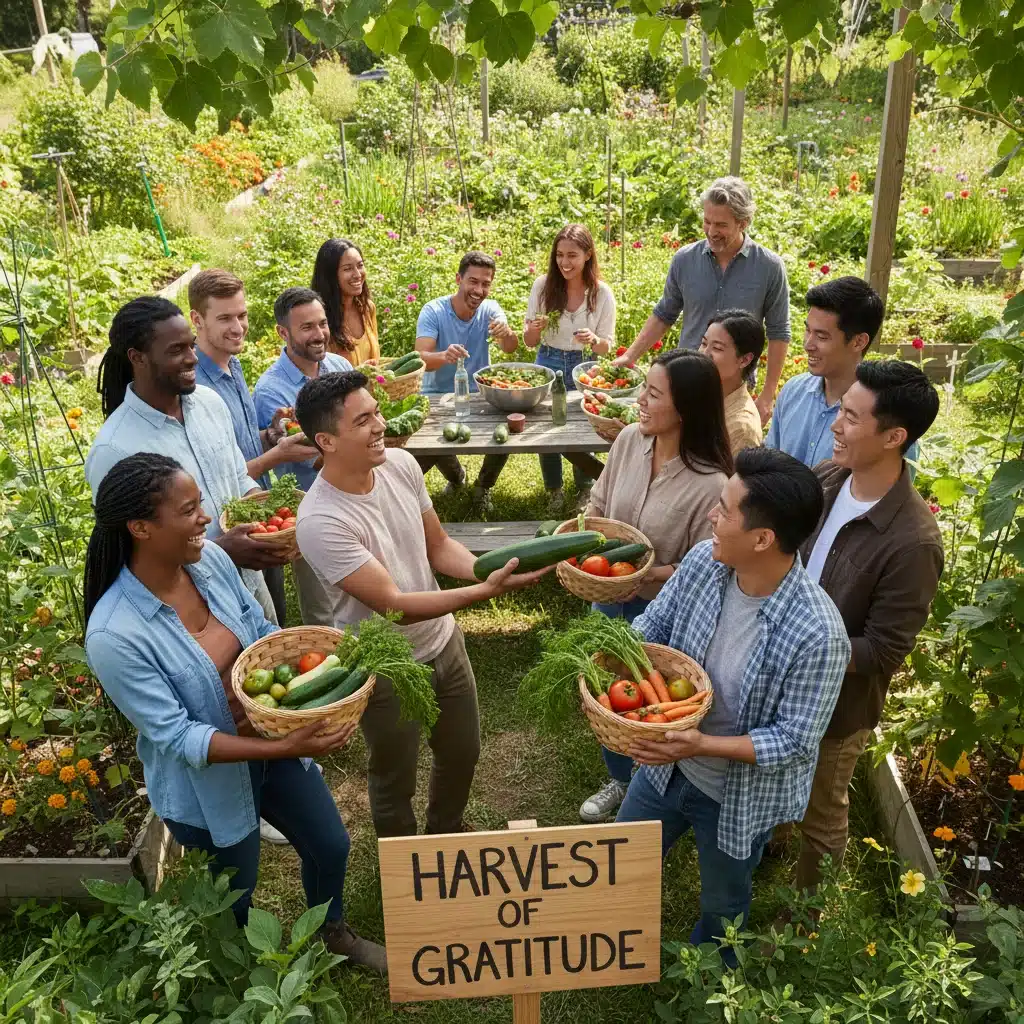
Grateful communities are often more engaged, supportive, and resilient. They are more likely to volunteer, help those in need, and work together for the common good. This collective mindset of appreciation can lead to significant societal improvements.
The Future of Gratitude Research and Application
The field of positive psychology continues to expand, with ongoing research further unraveling the complexities of gratitude and its full potential. Future studies may explore more personalized gratitude interventions, the long-term neurological changes associated with sustained practice, and the application of gratitude in clinical settings for various mental health conditions.
As our understanding deepens, the integration of gratitude practices benefits into educational systems, healthcare, and corporate wellness programs is likely to become more widespread. Imagine schools teaching children the power of thankfulness, or doctors prescribing gratitude journaling alongside traditional treatments. The possibilities are immense.
Conclusion: Embrace the Journey of Gratitude
The evidence is clear: cultivating gratitude is not a fleeting trend but a powerful and scientifically validated path to a more satisfying and fulfilling life. The 18% boost in life satisfaction reported in recent studies is a testament to the profound impact that simply appreciating the good in our lives can have.
By consciously integrating gratitude practices into your daily routine – whether through journaling, mindful appreciation, expressing thanks to others, or engaging in meditations – you are actively rewiring your brain for happiness, building resilience, strengthening relationships, and unlocking a deeper sense of contentment. It’s a journey, not a destination, and every step taken in gratitude brings you closer to a life lived with greater joy, purpose, and peace.
Start your gratitude journey today. You have nothing to lose and a world of increased life satisfaction to gain. Embrace the simple yet profound power of thankfulness, and watch as your world transforms.