
Smart Home Security in 2026: Comparing 3 Leading Ecosystems for Digital Integration and Protection
The year 2026 marks a significant turning point in smart home technology, particularly in the realm of security. What was once a collection of disparate gadgets has evolved into sophisticated, interconnected ecosystems offering unparalleled digital integration and protection. For homeowners looking to fortify their residences against both physical threats and digital vulnerabilities, understanding these advanced systems is paramount. This comprehensive guide delves into the top three leading smart home security ecosystems poised to dominate the market in 2026, helping you make an informed decision for your peace of mind.
As our lives become increasingly digital, so too do the methods we employ to secure our physical spaces. The concept of smart home security has moved far beyond simple alarms and surveillance cameras. Today, it encompasses a holistic approach, integrating artificial intelligence (AI), machine learning (ML), advanced sensors, and seamless connectivity to create intelligent, responsive, and proactive defense mechanisms. These systems are not just reacting to incidents; they are predicting and preventing them, offering a level of protection that was unimaginable just a few years ago.
Choosing the right smart home security ecosystem in 2026 is a critical decision. It’s not merely about selecting individual devices, but rather investing in a platform that will grow with your needs, integrate flawlessly with your existing smart home devices, and provide robust, reliable security for years to come. This article will provide an in-depth analysis of the leading contenders, examining their core features, integration capabilities, scalability, and overall value proposition. We’ll look at what makes each ecosystem unique and how they address the evolving challenges of home protection in a hyper-connected world.
The Evolution of Smart Home Security: What to Expect in 2026
Before diving into specific ecosystems, it’s crucial to understand the landscape of smart home security in 2026. Several key trends define this era:
- AI-Powered Predictive Analytics: Systems are no longer just recording events; they are analyzing patterns, identifying anomalies, and even predicting potential threats before they materialize. This includes advanced facial recognition, behavioral analysis for pets and residents, and sophisticated object detection.
- Hyper-Integration and Interoperability: The days of siloed smart devices are largely over. Leading ecosystems prioritize seamless integration with a wide array of third-party devices and services, from smart lighting and thermostats to smart locks and voice assistants.
- Enhanced Cybersecurity Measures: With more devices connected, the attack surface for cyber threats increases. Top-tier security ecosystems now incorporate robust encryption, secure boot processes, and continuous vulnerability monitoring to protect against digital intrusions.
- Edge Computing and Local Processing: To enhance privacy and reduce latency, more processing is happening at the ‘edge’ – directly on the devices themselves – rather than solely in the cloud. This means quicker responses and less reliance on constant internet connectivity for core functions.
- Modular and Scalable Designs: Modern systems are built to be flexible, allowing homeowners to start with a basic setup and expand their security infrastructure as their needs evolve, without having to overhaul the entire system.
- Subscription-Based Services with Value-Added Features: While core security functions remain, many advanced features, such as professional monitoring, extended cloud storage, and AI analytics, are offered through subscription models, providing continuous updates and support.
These advancements collectively contribute to a more intelligent, adaptable, and user-friendly smart home security experience. The focus has shifted from reactive measures to proactive prevention, offering homeowners unprecedented control and awareness over their property.
Ecosystem 1: The ‘Guardian AI’ by OmniSecure Solutions
Core Philosophy and Features
OmniSecure Solutions’ ‘Guardian AI’ ecosystem is built on the principle of proactive, intelligent defense. At its heart is a powerful AI engine that learns from your home’s unique patterns and behaviors. This system excels in predictive threat detection, often identifying potential issues before they escalate. For instance, its advanced algorithms can differentiate between a branch swaying in the wind and a person lurking, significantly reducing false alarms.
Key features include:
- Adaptive AI Surveillance: Cameras with 4K resolution and low-light enhancement are equipped with AI that learns your family’s routines and identifies unusual activity. This includes package theft detection, vehicle recognition, and even pet monitoring.
- Biometric Access Control: Integrated smart locks utilize facial recognition and fingerprint scanning, allowing keyless entry for authorized individuals and providing detailed logs of who enters and exits.
- Environmental Hazard Detection: Beyond intruders, Guardian AI monitors for smoke, carbon monoxide, water leaks, and even changes in air quality, integrating these alerts directly into the security protocol.
- Self-Healing Network: The system boasts a mesh network that automatically reroutes data if a node goes down, ensuring continuous operation even during partial failures.
- Voice Assistant Integration: Seamless compatibility with major voice assistants allows for hands-free control and status checks.
Digital Integration and Interoperability
Guardian AI prides itself on its robust API, allowing extensive integration with a wide range of smart home devices from various manufacturers. It supports Matter and Thread protocols, ensuring future compatibility and a truly connected home experience. This means your smart lights can flash red during an alarm, your thermostat can adjust if a window is left open, and your smart blinds can close automatically when you arm the system.
Scalability and Future-Proofing
The modular design of Guardian AI makes it highly scalable. Homeowners can start with a basic security package and add components like additional cameras, sensors, or smart locks as needed. OmniSecure Solutions also offers regular over-the-air (OTA) updates, continually improving the AI algorithms and adding new features, ensuring the system remains cutting-edge for years to come. Their commitment to open standards like Matter further future-proofs the investment.
Pros and Cons
- Pros: Superior AI-driven predictive analytics, robust biometric access, excellent environmental monitoring, strong interoperability, highly scalable.
- Cons: Higher initial investment, advanced features often require a premium subscription, learning curve for optimizing AI settings.
Ecosystem 2: The ‘ConnectGuard Pro’ by SecureLink Technologies
Core Philosophy and Features
SecureLink Technologies’ ‘ConnectGuard Pro’ is designed for the homeowner who prioritizes seamless connectivity and user-friendliness without compromising on security. This ecosystem is renowned for its intuitive interface and its ability to consolidate all smart home functions, not just security, into a single, cohesive platform. It’s an ideal choice for those who want a truly integrated smart home where security is just one facet of a broader automation strategy.
Key features include:
- Unified Dashboard: A highly customizable app and physical hub provide a single point of control for all connected devices, from security cameras and door sensors to smart lighting, climate control, and entertainment systems.
- Advanced Motion Detection Zones: Users can define specific zones for motion detection, minimizing false alarms from pets or passing vehicles, and receiving alerts only when activity occurs in critical areas.
- Dedicated Cellular Backup: ConnectGuard Pro offers reliable cellular backup for its core security functions, ensuring that your home remains protected even if your internet connection goes down.
- Smart Routines and Automation: Powerful automation capabilities allow users to create complex routines, such as ‘Away Mode’ which arms the alarm, locks doors, adjusts thermostat, and turns off lights with a single command.
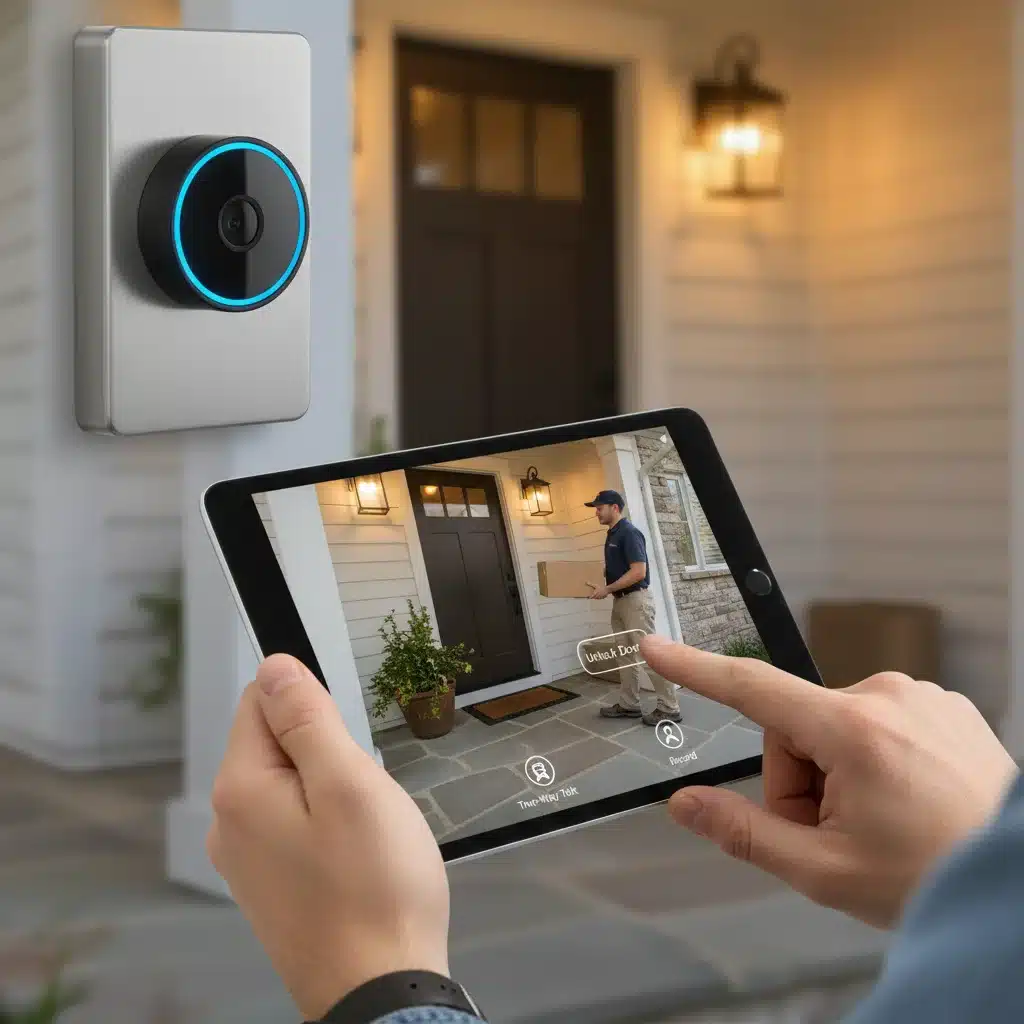
- Two-Way Audio Communication: Cameras and smart doorbells feature clear two-way audio, enabling communication with visitors or intruders.
Digital Integration and Interoperability
ConnectGuard Pro boasts an impressive list of integrations, supporting popular smart home protocols like Zigbee, Z-Wave, Wi-Fi, and Bluetooth. It’s particularly strong in its partnerships with major smart appliance manufacturers, making it easy to weave security into the fabric of your entire smart home. Their commitment to an open API also encourages third-party developers to create compatible devices and services, expanding its ecosystem continuously.
For example, if you have a smart refrigerator that detects a water leak, ConnectGuard Pro can immediately trigger an alert, shut off your smart water valve, and even send a notification to your plumber, all through its unified platform. This level of cross-device communication is a hallmark of SecureLink Technologies’ approach.
Scalability and Future-Proofing
SecureLink Technologies offers a wide array of proprietary and compatible third-party devices, providing ample options for expansion. Their cloud-based architecture allows for seamless software updates and feature enhancements. While not as heavily reliant on bleeding-edge AI as Guardian AI, ConnectGuard Pro’s focus on broad compatibility and robust core security features ensures its relevance for the foreseeable future. Their subscription tiers offer various levels of cloud storage, professional monitoring, and advanced automation features, allowing users to customize their experience.
Pros and Cons
- Pros: Excellent unified control dashboard, broad device compatibility, reliable cellular backup, strong automation capabilities, user-friendly interface.
- Cons: AI capabilities are good but not as advanced as Guardian AI, some proprietary devices can be more expensive, subscription required for professional monitoring and advanced features.
Ecosystem 3: The ‘Sentinel Shield’ by VeriSafe Systems
Core Philosophy and Features
VeriSafe Systems’ ‘Sentinel Shield’ is engineered for maximum reliability and professional-grade security, appealing to users who prioritize robust, tamper-proof systems and professional monitoring. While it integrates smart home features, its primary focus remains unwavering protection. Sentinel Shield is often the choice for those who want a security system first, with smart home conveniences built around it, rather than the other way around.
Key features include:
- Encrypted Communications: All communications within the Sentinel Shield ecosystem are heavily encrypted, protecting against eavesdropping and hacking attempts.
- Redundant Power and Connectivity: Systems come with integrated battery backups and multiple connectivity options (Wi-Fi, cellular, and even satellite in some premium packages) to ensure continuous operation during power outages or internet disruptions.
- Professional Monitoring 24/7: VeriSafe Systems offers some of the industry’s fastest response times for professional monitoring, with dedicated agents trained to handle various emergencies, including intrusion, fire, and medical alerts.
- Tamper Detection: Sensors and devices are designed to detect tampering or attempts to disable them, immediately triggering alarms and alerts.
- Perimeter Defense: Special emphasis on outdoor security with advanced perimeter sensors, ground vibration detectors, and long-range motion detectors that can distinguish between animals and humans.
Digital Integration and Interoperability
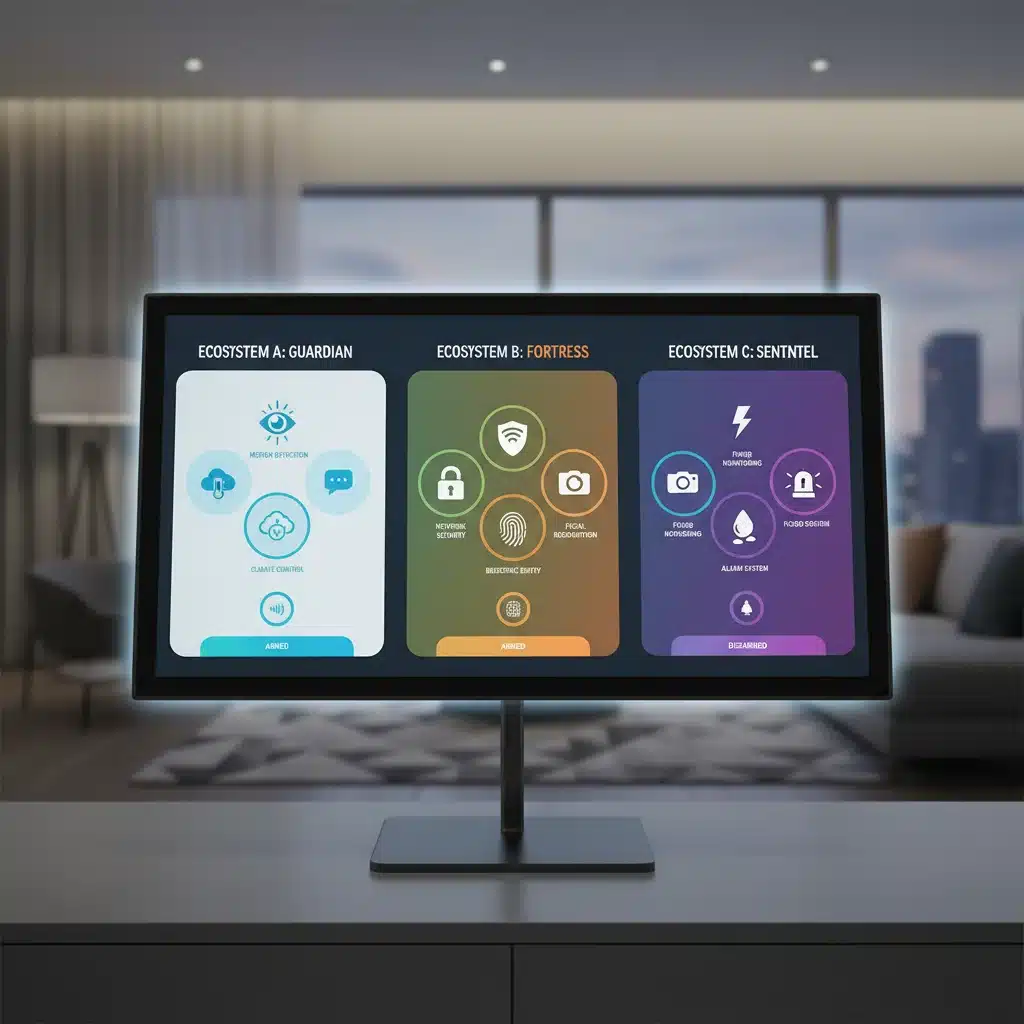
While Sentinel Shield integrates with popular smart home platforms like Google Home and Amazon Alexa, its interoperability is more curated compared to ConnectGuard Pro. VeriSafe Systems prioritizes integration with devices that meet their stringent security standards, ensuring that every connected component enhances the overall security posture rather than creating vulnerabilities. This means you might have fewer third-party options, but the ones available are rigorously vetted for compatibility and security.
Integrations typically include smart locks from trusted brands, smart lighting systems for deterrence, and smart thermostats that can adjust based on security modes. The focus is on a secure, reliable ecosystem rather than a sprawling, all-encompassing one.
Scalability and Future-Proofing
Sentinel Shield systems are highly scalable, offering a wide range of sensors, cameras, and access control devices that can be added to the core system. VeriSafe Systems provides consistent software updates, focusing on security patches and performance improvements. Their professional monitoring services are a cornerstone of their future-proofing strategy, as they continuously adapt to new threats and refine response protocols. The emphasis on robust hardware and secure communication protocols ensures a long operational lifespan for the system.
Pros and Cons
- Pros: Unparalleled reliability and redundancy, strong encryption, top-tier professional monitoring, robust tamper detection, excellent perimeter defense.
- Cons: Less emphasis on broad smart home integration compared to others, higher subscription costs for professional monitoring, initial setup might require professional installation.
Comparative Analysis: Choosing Your Smart Home Security Ecosystem
Now that we’ve explored each leading smart home security ecosystem, let’s consider how they stack up against each other in key areas:
AI and Predictive Capabilities
- Guardian AI: Leads the pack with its advanced, adaptive AI engine that excels in predictive analytics and intelligent threat differentiation. Best for those who want the smartest, most proactive system.
- ConnectGuard Pro: Offers solid AI features, particularly in motion detection and smart routines, but doesn’t reach the same level of predictive intelligence as Guardian AI.
- Sentinel Shield: AI is present for core functions like object recognition, but the system’s strength lies more in its robust hardware and professional monitoring than cutting-edge predictive AI.
Integration and Interoperability
- ConnectGuard Pro: The clear winner for broad smart home integration, supporting a vast array of protocols and third-party devices. Ideal for homeowners with diverse smart home ecosystems.
- Guardian AI: Very strong in integration, especially with Matter and Thread, offering excellent future compatibility.
- Sentinel Shield: Integrates securely but with a more curated list of vetted devices, prioritizing security over sheer breadth of compatibility.
Reliability and Redundancy
- Sentinel Shield: Unmatched in reliability, with redundant power, multiple connectivity options, and tamper detection as core tenets. Best for those who cannot compromise on uptime.
- ConnectGuard Pro: Offers reliable cellular backup and a stable platform, making it a very dependable choice.
- Guardian AI: Features a self-healing network, providing good reliability, but might rely more on a stable internet connection for some advanced AI functions.
User Experience and Ease of Use
- ConnectGuard Pro: Highly praised for its intuitive, unified dashboard and user-friendly app, making it accessible for all tech levels.
- Guardian AI: While powerful, the advanced AI settings might have a slight learning curve for some users. The core interface is generally intuitive.
- Sentinel Shield: Focuses on functionality over flashy interfaces. The app is robust and functional but might not be as aesthetically polished as others.
Cost and Subscription Models
- All three ecosystems typically offer a range of hardware costs and subscription tiers. Generally, Guardian AI and Sentinel Shield tend to have higher initial hardware costs and premium subscription options due to their advanced features or professional monitoring focus. ConnectGuard Pro often presents a more balanced entry point with scalable subscription plans. It’s crucial to factor in both upfront costs and ongoing monthly fees when making a decision.
Making the Right Choice for Your Home
The best smart home security ecosystem for you in 2026 ultimately depends on your specific priorities and lifestyle. Consider the following questions:
- What is your primary concern? Is it cutting-edge predictive AI (Guardian AI), seamless integration with all your smart devices (ConnectGuard Pro), or professional-grade, tamper-proof reliability (Sentinel Shield)?
- What is your budget? Factor in both initial hardware costs and ongoing subscription fees.
- How tech-savvy are you? Do you prefer a plug-and-play experience or are you comfortable configuring advanced settings?
- What existing smart home devices do you own? Ensure the chosen ecosystem offers robust compatibility.
- Do you require professional monitoring? If so, compare the monitoring services and response times offered by each system.
For the homeowner who wants the absolute pinnacle of intelligent, proactive defense and is willing to invest in advanced AI, Guardian AI by OmniSecure Solutions is an excellent choice. Its ability to learn and predict threats offers a truly next-generation security experience.
If your goal is a beautifully integrated smart home where security seamlessly blends with all other automation, providing a cohesive and user-friendly experience, then ConnectGuard Pro by SecureLink Technologies will likely be your preferred option. Its broad compatibility and unified control make it a joy to use.
And for those who prioritize unyielding, professional-grade security with maximum reliability, redundant systems, and top-tier monitoring, Sentinel Shield by VeriSafe Systems stands out. It’s the fortress for your home, built to withstand any challenge.
Conclusion: Securing Your Future with Smart Home Security
The landscape of smart home security in 2026 is rich with innovation and choice. The three ecosystems we’ve examined – Guardian AI, ConnectGuard Pro, and Sentinel Shield – each represent the pinnacle of digital integration and protection, albeit with different strengths and philosophies. By carefully evaluating your needs against their offerings, you can select a system that not only safeguards your property and loved ones but also enhances your daily living experience.
Investing in a robust smart home security ecosystem is an investment in peace of mind. As technology continues to advance, these systems will only become more intelligent, more integrated, and more essential for modern living. Choose wisely, and embrace the future of home protection.