Cybersecurity for Digital Citizens: 3 Essential Software Updates by June 2026

In an increasingly interconnected world, being a digital citizen cybersecurity is no longer an option but a necessity. Our lives are intricately woven into the digital fabric, from online banking and remote work to social interactions and smart home devices. This pervasive digital presence brings unparalleled convenience but also exposes us to a myriad of sophisticated cyber threats. As technology evolves, so do the tactics of cybercriminals, making continuous vigilance and proactive measures absolutely crucial. Ignoring software updates or postponing security patches can leave gaping vulnerabilities in your digital defenses, turning you into an easy target for data breaches, identity theft, and financial fraud. The landscape of cyber threats is dynamic, with new exploits and malware emerging daily. Therefore, staying ahead of these threats requires a commitment to regular security maintenance. This comprehensive guide will delve into three essential software updates you, as a digital citizen, must prioritize by June 2026 to fortify your digital citizen cybersecurity posture and ensure a safer online experience for yourself and your loved ones. We will explore why these updates are critical, what risks they mitigate, and how to implement them effectively.
The Ever-Evolving Threat Landscape: Why Digital Citizen Cybersecurity Matters More Than Ever
The digital world is a double-edged sword. While it offers immense opportunities for communication, learning, and commerce, it also harbors significant dangers. Cybercriminals are constantly innovating, developing new methods to exploit vulnerabilities in software, networks, and human behavior. Phishing scams are becoming more sophisticated, ransomware attacks are more frequent and damaging, and zero-day exploits can compromise systems before patches are even conceived. For the average digital citizen, these threats can seem overwhelming and abstract, but their impact is very real and can range from minor inconveniences to catastrophic financial losses and reputational damage. Your personal data – banking information, health records, login credentials, and private communications – is a valuable commodity on the dark web. Protecting this data is the cornerstone of effective digital citizen cybersecurity. Every device connected to the internet, from your smartphone to your smart refrigerator, represents a potential entry point for attackers. This is why a holistic approach to security, starting with fundamental software updates, is indispensable. By understanding the gravity of these threats, you can appreciate the urgency of the recommended updates and take decisive action to secure your digital life.
Moreover, the rise of IoT (Internet of Things) devices has expanded the attack surface exponentially. Many smart devices are designed with convenience over security, often lacking robust encryption or timely updates. This makes them attractive targets for botnet attacks or as gateways to your home network. Even seemingly innocuous devices can be compromised and used for malicious purposes, highlighting the need for comprehensive digital citizen cybersecurity strategies that extend beyond traditional computers and smartphones. The increasing reliance on cloud services also adds another layer of complexity. While cloud providers invest heavily in security, misconfigurations on the user’s end or vulnerabilities in client-side applications can still expose sensitive data. Thus, maintaining updated software on all your devices and applications is a critical first line of defense against these multifaceted and ever-present threats.
1. Operating System Updates: The Foundation of Your Digital Citizen Cybersecurity
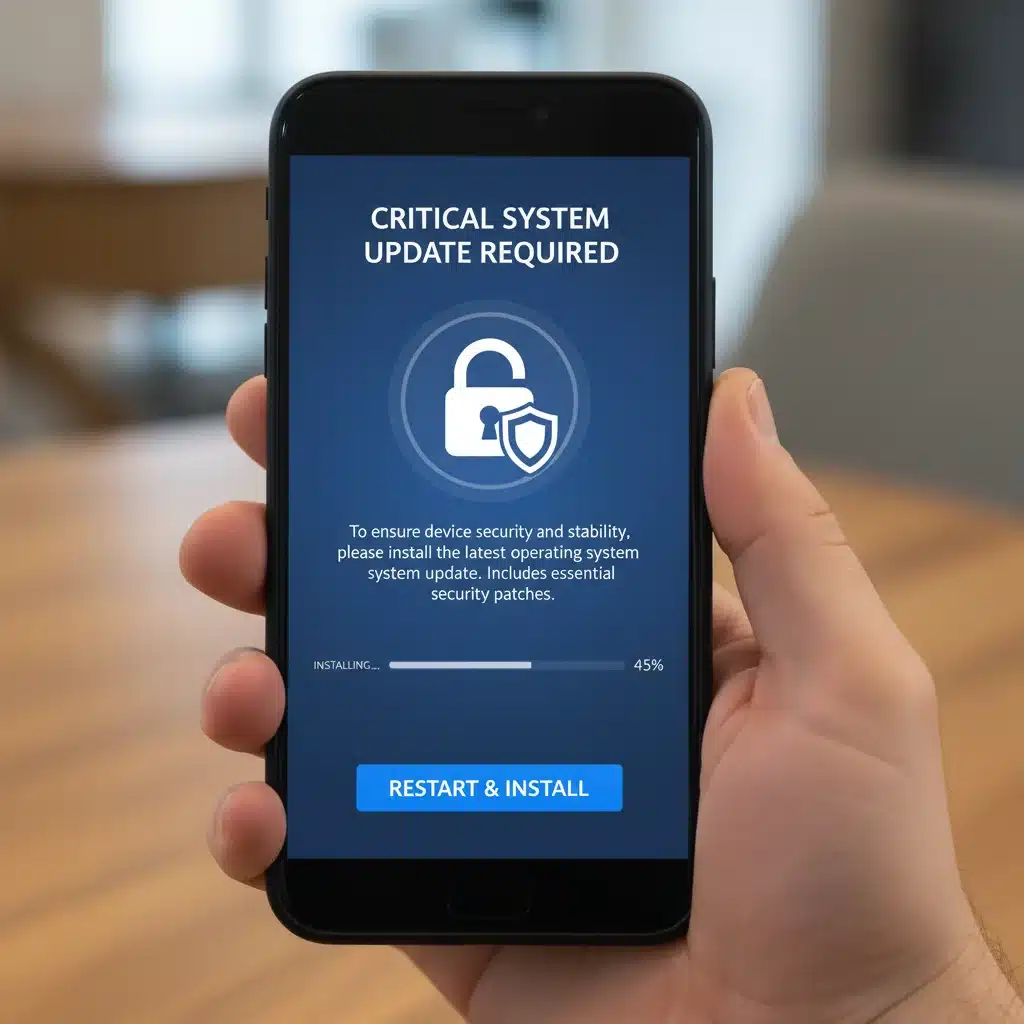
Your operating system (OS) – whether it’s Windows, macOS, Android, or iOS – is the bedrock upon which all your other software and applications run. It manages hardware, software resources, and provides the core functionalities of your device. Consequently, it is also the primary target for many cyberattacks. OS developers regularly release updates, which often include critical security patches designed to fix newly discovered vulnerabilities. These vulnerabilities, if left unaddressed, can be exploited by attackers to gain unauthorized access to your system, install malware, steal data, or even take complete control of your device. Think of these updates as regular maintenance for the foundation of your digital home; neglecting them is akin to leaving your front door unlocked.
Why OS Updates are Non-Negotiable by June 2026:
- Patching Known Vulnerabilities: Every day, security researchers and ethical hackers discover new flaws in operating systems. Companies like Microsoft, Apple, Google, and others quickly develop patches to close these loopholes. Without these updates, your system remains exposed to exploits that are already known to the cybercriminal community. By June 2026, many older vulnerabilities will have been widely publicized and weaponized, making unpatched systems extremely susceptible.
- Protection Against Zero-Day Exploits: While some updates address known vulnerabilities, others are proactive measures to strengthen the OS against potential future attacks, including zero-day exploits – vulnerabilities that are exploited before the developer has a chance to create a patch. OS updates often include enhanced security features and architectural improvements that make it harder for such exploits to succeed.
- Enhanced Performance and Features: Beyond security, OS updates often bring performance improvements, bug fixes, and new features that enhance user experience and productivity. While these are secondary to security, they contribute to a more stable and efficient computing environment.
- Compliance and Compatibility: Many modern applications and services require up-to-date operating systems to function correctly and securely. Running an outdated OS can lead to compatibility issues and prevent you from utilizing the latest security features offered by other software.
To ensure your digital citizen cybersecurity is robust, make it a habit to check for and install OS updates promptly. Most modern operating systems offer automatic update features, which should be enabled. However, it’s always wise to manually check periodically, especially if you’ve postponed an update or are experiencing unusual system behavior. By June 2026, the cumulative effect of unapplied OS updates could create a highly vulnerable environment, so prioritize this foundational aspect of your digital defense.
2. Browser Updates: Your Gateway to a Safer Web Experience
Your web browser is arguably the most frequently used piece of software on your devices, serving as your primary interface with the internet. Whether you’re using Chrome, Firefox, Edge, Safari, or another browser, it’s constantly interacting with diverse and potentially malicious websites. This makes browsers a prime target for cyberattacks, including drive-by downloads, cross-site scripting (XSS), phishing attempts, and malvertising. Regular browser updates are therefore absolutely critical for maintaining strong digital citizen cybersecurity.
The Imperative of Browser Updates by June 2026:
- Protection Against Web-Based Exploits: Browsers are complex pieces of software, and like operating systems, they can have vulnerabilities. Attackers can exploit these flaws to execute malicious code on your computer simply by you visiting a compromised website. Updates frequently patch these vulnerabilities, preventing such attacks.
- Enhanced Privacy Features: Modern browsers are increasingly incorporating advanced privacy features, such as enhanced tracking prevention, fingerprinting protection, and improved cookie management. These features, often introduced or refined in updates, help protect your online anonymity and prevent advertisers and malicious actors from tracking your activities across the web.
- Phishing and Malware Detection: Updated browsers often come with improved built-in security features, including real-time phishing and malware detection. They can warn you before you visit a known malicious site or download a suspicious file, acting as a crucial first line of defense against social engineering attacks.
- Support for Modern Security Protocols: The internet’s security protocols (like TLS/SSL for encrypted connections) are continually evolving. Browser updates ensure that your browser supports the latest, most secure versions of these protocols, preventing downgrade attacks and ensuring your communications remain private and integral.
- Performance and Compatibility: Beyond security, browser updates also deliver performance enhancements, bug fixes, and compatibility improvements with the latest web standards. This ensures a smoother, faster, and more reliable browsing experience.
Most popular browsers update automatically in the background, but it’s good practice to occasionally verify that your browser is indeed up to date. You can usually find this information in the ‘About’ or ‘Help’ section of your browser’s menu. By June 2026, outdated browsers will be significantly more vulnerable to sophisticated web-based attacks, jeopardizing your digital citizen cybersecurity. Make sure your browser is always running the latest version to navigate the internet safely.
3. Antivirus and Anti-Malware Software: Your Shield Against Malicious Intrusions
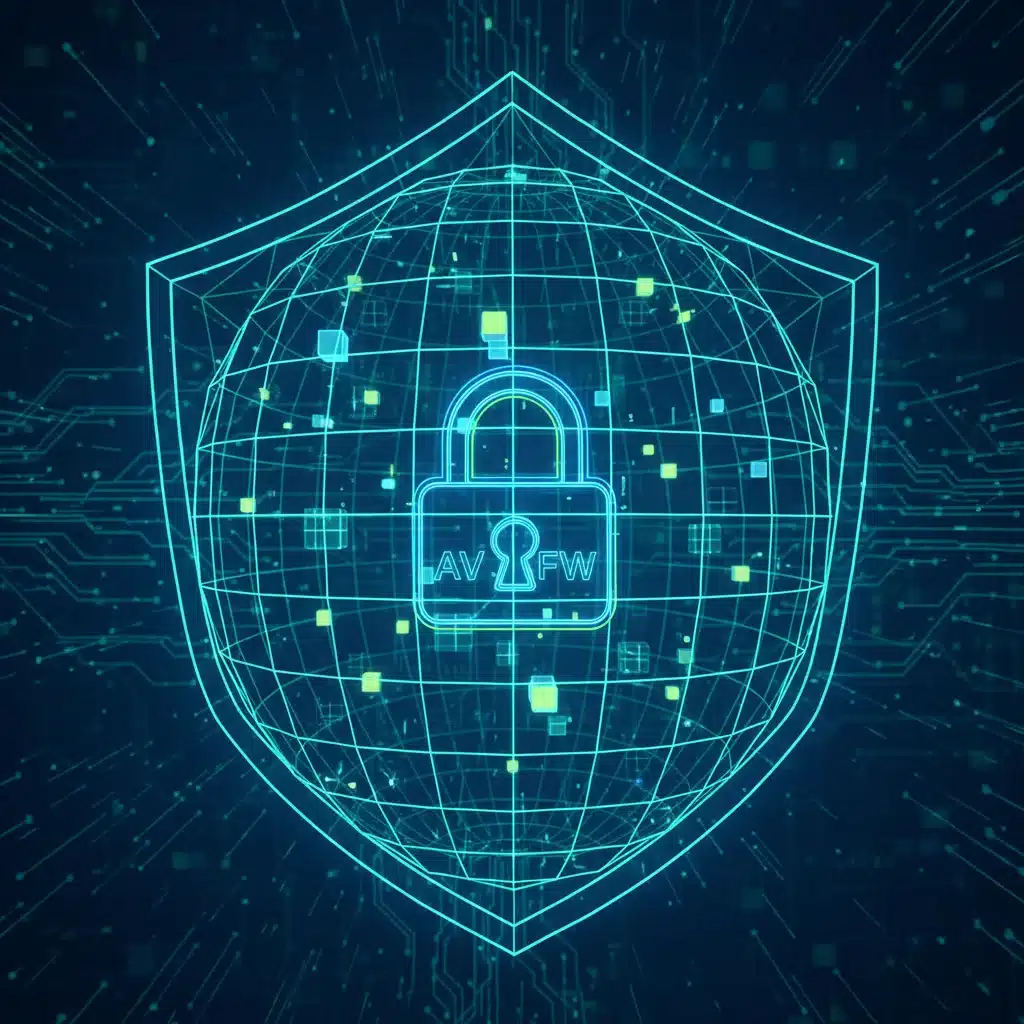
While OS and browser updates close known vulnerabilities, antivirus and anti-malware software provide a crucial layer of active protection against threats that attempt to bypass these defenses or exploit human error. This software continuously scans your system for viruses, ransomware, spyware, adware, and other forms of malicious software, quarantines or removes detected threats, and often includes features like real-time protection, firewall management, and safe browsing tools. For robust digital citizen cybersecurity, having up-to-date antivirus and anti-malware protection is non-negotiable.
Why Antivirus/Anti-Malware Updates are Vital by June 2026:
- Updated Threat Definitions: The most critical aspect of antivirus software is its threat definition database. Cybercriminals release thousands of new malware variants daily. Antivirus updates include the latest threat definitions, allowing the software to identify and neutralize new and emerging threats. Without these updates, your antivirus might not recognize the newest forms of malware, rendering it ineffective.
- Enhanced Detection Engines: Beyond definitions, antivirus software also relies on sophisticated detection engines that use heuristics, behavioral analysis, and machine learning to identify suspicious activity, even from previously unknown threats. Updates frequently improve these engines, making them more adept at catching sophisticated and polymorphic malware.
- Protection Against Ransomware and Zero-Day Attacks: Modern antivirus solutions are designed to combat specific threats like ransomware, which encrypts your files and demands a ransom. Updates often include specialized modules to detect and prevent ransomware attacks, as well as improved behavioral monitoring to catch zero-day malware that hasn’t yet been added to definition databases.
- Integrated Security Features: Many comprehensive antivirus suites offer integrated firewalls, email protection, web filtering, and parental controls. Updates ensure these features are working optimally and are equipped to handle the latest attack vectors.
- Real-Time Protection: The ability to scan files as they are accessed, downloaded, or executed is paramount. Updates ensure that your real-time protection mechanisms are using the most current information and techniques to intercept threats before they can cause damage.
Ensure your antivirus and anti-malware software is always active, configured for automatic updates, and performing regular scans. If you rely on a free solution, consider upgrading to a reputable paid version that offers more comprehensive protection and timely updates. By June 2026, the complexity and volume of malware will only increase, making a fully updated and robust antivirus solution an indispensable component of your digital citizen cybersecurity strategy.
Beyond the Big Three: Other Essential Digital Citizen Cybersecurity Practices
While operating system, browser, and antivirus updates form the core of your digital citizen cybersecurity, a comprehensive approach requires attention to other areas as well. These additional practices create a multi-layered defense, significantly reducing your attack surface and increasing your resilience against cyber threats.
Software for All Applications:
Don’t stop at the major software. All applications installed on your devices, from productivity suites (like Microsoft Office or Google Workspace) and messaging apps to video players and utility tools, can contain vulnerabilities. Software developers regularly release patches for these applications. Enable automatic updates wherever possible, or make it a routine to check for updates manually. Outdated applications can serve as easy entry points for attackers, even if your OS and browser are fully patched. By June 2026, the interconnectedness of applications means that a vulnerability in one could potentially compromise your entire system.
Firmware Updates for Hardware:
Many hardware devices, such as routers, modems, smart home devices, and even printers, run on firmware – a type of software embedded directly into the hardware. Firmware updates are less frequent but equally critical. They often address security vulnerabilities that could allow attackers to hijack your devices, spy on your network traffic, or use your devices in botnet attacks. Check your device manufacturer’s website for firmware updates periodically, especially for your home router, which is the gateway to your entire home network. An outdated router firmware by June 2026 could be a significant weak link in your digital citizen cybersecurity.
Strong, Unique Passwords and Multi-Factor Authentication (MFA):
Even with all software updated, a weak password remains a major vulnerability. Use strong, unique passwords for all your online accounts. A password manager can help you generate and store these securely. Furthermore, enable Multi-Factor Authentication (MFA) on every account that offers it. MFA adds an extra layer of security, typically requiring a second form of verification (like a code from your phone) in addition to your password. This drastically reduces the risk of account compromise, even if your password is stolen.
Regular Data Backups:
No security measure is foolproof. In the event of a successful cyberattack, such as ransomware, having recent backups of your important data can be a lifesaver. Regularly back up your files to an external hard drive or a reputable cloud storage service. Ensure these backups are tested periodically to confirm they are restorable. This practice is a critical component of digital citizen cybersecurity, providing a recovery mechanism when all other defenses fail.
Educate Yourself and Your Family:
Human error is often the weakest link in the security chain. Educate yourself and your family members about common cyber threats like phishing, social engineering, and suspicious links. Learn to recognize the signs of a scam and understand the importance of not clicking on unknown links or opening suspicious attachments. A well-informed digital citizen is a much more secure digital citizen.
The Deadline: June 2026 and Your Commitment to Digital Citizen Cybersecurity
The year 2026 might seem distant, but the digital threat landscape evolves at an astonishing pace. The vulnerabilities that are minor concerns today could become major attack vectors tomorrow. Setting a deadline like June 2026 emphasizes the urgency of adopting and maintaining robust digital citizen cybersecurity practices. This isn’t just about applying a few patches; it’s about cultivating a mindset of continuous security awareness and proactive defense.
By prioritizing these three essential software updates – operating systems, web browsers, and antivirus/anti-malware solutions – you are laying a strong foundation for your digital safety. These updates are your first, best line of defense against the vast majority of cyber threats you’ll encounter online. However, remember that cybersecurity is an ongoing process, not a one-time fix. Regularly reviewing your security posture, staying informed about new threats, and continuously updating all your software are habits that will serve you well in the digital age.
Don’t wait until you become a victim. Take control of your digital destiny now. Enable automatic updates, schedule regular checks, and educate yourself on best practices. Your commitment to strong digital citizen cybersecurity will not only protect your personal information and financial assets but also contribute to a safer and more trustworthy internet for everyone.
Conclusion: A Secure Future for the Digital Citizen Cybersecurity
In conclusion, the journey to becoming a truly secure digital citizen is paved with diligence, awareness, and proactive measures. The three essential software updates highlighted – your operating system, web browser, and antivirus/anti-malware software – are not merely suggestions but critical requirements for anyone navigating the complexities of the modern internet. By June 2026, the risks associated with outdated software will be too significant to ignore, making these updates absolutely indispensable for maintaining your digital citizen cybersecurity.
Remember that cybersecurity is a shared responsibility. While software developers work tirelessly to patch vulnerabilities, the ultimate responsibility for implementing these safeguards rests with you, the user. Embrace automatic updates, understand the importance of each patch, and integrate these practices into your daily digital routine. Beyond these core updates, cultivating good password hygiene, enabling multi-factor authentication, performing regular data backups, and continuously educating yourself about online threats will further fortify your defenses.
The digital world offers incredible opportunities, but it demands respect for its inherent risks. By committing to these essential updates and adopting a security-first mindset, you can confidently engage with the digital realm, protect your privacy, safeguard your assets, and truly thrive as a secure and responsible digital citizen. Let June 2026 be a milestone, not a deadline for regret, in your personal digital citizen cybersecurity journey. Stay updated, stay secure, and enjoy the vast benefits of the internet with peace of mind.