Community Initiatives Combatting Social Isolation in the US

Addressing Social Isolation: 4 Community-Driven Initiatives Gaining Traction Across the United States This Year (PRACTICAL SOLUTIONS)
Social isolation, often described as the subjective feeling of lacking social connection, is a pervasive issue impacting millions across the United States. It’s more than just being alone; it’s the absence of meaningful social relationships and the feeling of disconnect from one’s community. The consequences are far-reaching, affecting physical and mental health, economic well-being, and overall quality of life. From increased risks of heart disease and stroke to higher rates of depression and anxiety, the silent epidemic of loneliness demands our attention and, more importantly, our collective action. While the problem is complex, the solutions often lie within the very fabric of our communities. This article delves into four inspiring and effective community-driven initiatives that are actively combating social isolation, providing practical solutions and fostering a sense of belonging for countless individuals across the nation.
The rise of digital communication, while offering convenience, has also inadvertently contributed to a decline in face-to-face interactions, exacerbating feelings of isolation for many. Furthermore, demographic shifts, such as an aging population and increasing urbanization, mean that more people are living alone than ever before. The COVID-19 pandemic further highlighted the fragility of our social connections, bringing the issue of social isolation to the forefront of public discourse. Recognizing the urgency, communities nationwide are innovating, developing, and implementing programs designed to bridge these gaps. These initiatives are not just about creating events; they are about intentionally building structures and opportunities for genuine human connection, helping to rebuild the social infrastructure that is vital for a healthy society. Understanding these successful models can provide valuable insights for other communities looking to address their own challenges with social isolation.
1. Intergenerational Programs: Bridging the Age Divide to Foster Connection
One of the most powerful approaches to addressing social isolation involves bringing different generations together. Intergenerational programs are designed to create opportunities for meaningful interaction and mutual benefit between older adults and younger individuals. These initiatives recognize that both ends of the age spectrum often experience unique forms of isolation – seniors may feel disconnected from rapidly changing society or suffer from the loss of peers, while young people might lack mentorship, guidance, or a sense of historical continuity. By creating structured and informal settings for these groups to interact, communities are finding profound success in combating social isolation for all participants.
These programs take many forms. Some involve seniors volunteering in schools, offering tutoring, reading to children, or sharing life experiences. Others might see younger people providing technological assistance to older adults, teaching them how to use smartphones or navigate the internet, thereby empowering them and reducing their sense of digital exclusion. The beauty of intergenerational programs lies in their reciprocal nature; both parties gain invaluable benefits. Older adults often experience a renewed sense of purpose, reduced feelings of loneliness, and improved cognitive function through engaging with younger minds. Children and adolescents, in turn, gain wisdom, historical perspective, emotional support, and a deeper understanding of empathy and community. These connections often transcend the program’s formal structure, leading to lasting friendships and a stronger, more cohesive community fabric.
A prime example of this success can be seen in initiatives like ‘Generations United’ which promotes policies and programs that connect generations. Many local libraries and community centers have also launched their own versions, pairing senior volunteers with after-school programs or creating ‘grandparent’ reading circles. These programs are not just about filling time; they are about creating genuine bonds and fostering a sense of belonging that actively counteracts the isolating tendencies of modern life. They remind us that age is just a number when it comes to shared humanity and the desire for connection. By investing in intergenerational programs, communities are investing in a future where social isolation is less prevalent, and everyone feels valued and connected. The positive ripple effects of such initiatives extend beyond the direct participants, influencing families and the broader community by promoting understanding and respect across age groups. This proactive approach to community isolation solutions is proving highly effective.
2. Community Gardens and Urban Farms: Cultivating Connection and Green Spaces
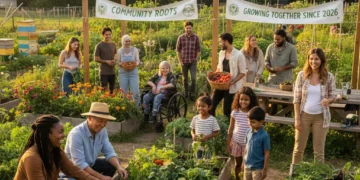
The rise of community gardens and urban farms across the United States offers a tangible and vibrant solution to social isolation. These green spaces serve as more than just places to grow food; they are thriving hubs of social interaction, learning, and shared purpose. In an increasingly urbanized world, access to nature and opportunities for hands-on, collaborative activities can be scarce. Community gardens fill this void, providing a common ground where people from diverse backgrounds can come together, literally sow seeds of connection, and watch their efforts bear fruit.
Working side-by-side in a garden fosters natural conversations, encourages mutual support, and builds a sense of collective ownership. Gardeners often share tips, exchange recipes, and help each other with tasks, naturally forming bonds and friendships. For individuals who might otherwise spend much of their time alone, these gardens offer a regular, low-pressure opportunity to engage with others. The act of nurturing plants can also be incredibly therapeutic, reducing stress and improving mental well-being, which are often negatively impacted by social isolation. Furthermore, community gardens often host workshops, potlucks, and harvest festivals, creating additional layers of social engagement and celebration.

Beyond the direct social benefits, community gardens contribute to food security, environmental sustainability, and local beautification. They can transform neglected urban lots into vibrant, productive spaces that benefit the entire neighborhood. This shared improvement of the local environment further strengthens community ties and pride. Initiatives like ‘The American Community Gardening Association’ support and promote the development of such gardens, highlighting their role in building healthier, more connected communities. By providing spaces for shared activity and fostering a sense of collective achievement, community gardens are powerful community isolation solutions that address multiple needs simultaneously, from food access to social connection. These green oases are vital in combating the feelings of loneliness and detachment prevalent in many modern societies.
3. Neighborhood Connector Programs: Empowering Local Liaisons
Another innovative approach gaining significant traction is the development of ‘Neighborhood Connector’ or ‘Community Navigator’ programs. These initiatives focus on identifying and empowering local residents to act as informal liaisons within their own neighborhoods, reaching out to those who might be isolated and connecting them with resources, activities, and other community members. The premise is simple yet profoundly effective: people are more likely to trust and engage with someone familiar from their own immediate surroundings than with a formal institution or an unknown outreach worker.
Neighborhood Connectors are often volunteers or paid part-time staff who are deeply embedded in their communities. They might be retired individuals, stay-at-home parents, or community activists who possess a strong understanding of local dynamics and a genuine desire to help their neighbors. Their role involves a mix of active listening, empathetic engagement, and practical support. This could mean checking in on an elderly neighbor, helping a new family navigate local services, organizing a small block party, or simply being a friendly face and a point of contact for someone who feels overlooked. The success of these programs hinges on the organic, relational nature of their work; it’s about building trust one conversation at a time.
These programs often provide training to their connectors in areas such as active listening, basic resource navigation, and recognizing signs of distress or isolation. They also create networks for the connectors themselves, ensuring they have support and can share best practices. The impact of such initiatives is significant, as they can identify and support individuals who might otherwise fall through the cracks of formal support systems. By fostering a culture of neighborliness and mutual care, Neighborhood Connector programs are proving to be effective community isolation solutions, creating stronger, more resilient local networks. They demonstrate that sometimes, the most effective way to combat isolation is by empowering ordinary people to be extraordinary neighbors, one connection at a time. This grassroots approach strengthens the social fabric from within, making communities more vibrant and supportive for everyone.
4. Digital Inclusion and Tech-Mentorship Initiatives: Bridging the Digital Divide
In an increasingly digital world, the inability to access or effectively use technology can be a significant driver of social isolation, particularly for older adults or those in low-income communities. Digital inclusion and tech-mentorship initiatives are emerging as crucial community isolation solutions, aiming to bridge this digital divide and reconnect individuals to the vast opportunities and connections available online. These programs recognize that while technology can sometimes contribute to isolation, it can also be a powerful tool for connection when used effectively and accessibly.
These initiatives typically involve providing access to devices and internet connectivity, often through community centers, libraries, or dedicated computer labs. More importantly, they offer hands-on training and mentorship, helping individuals develop the digital literacy skills necessary to navigate the internet safely and confidently. This can include everything from setting up an email account and using video call platforms to connecting with online community groups, accessing telehealth services, or even managing finances. The mentorship aspect is key; rather than just providing a manual, these programs pair learners with patient and knowledgeable mentors who can offer personalized support and build confidence.
The benefits are manifold. For older adults, learning to use video calls can mean regularly seeing distant family members, significantly reducing feelings of loneliness. Access to online communities tailored to their interests can provide new avenues for social engagement and intellectual stimulation. For individuals facing economic hardship, digital literacy can unlock opportunities for online learning, job searching, and access to essential services. These programs not only combat social isolation but also empower individuals, enhancing their independence and participation in society. Organizations like ‘Senior Planet’ and local library systems are at the forefront of these efforts, demonstrating how targeted digital training can transform lives and build more inclusive communities. By ensuring everyone has the skills to participate in the digital world, these initiatives are vital community isolation solutions that prevent further marginalization and foster widespread connection.

The Broader Impact: Why These Community Isolation Solutions Matter
The initiatives highlighted above represent just a fraction of the innovative work being done across the United States to combat social isolation. What unites them is a fundamental understanding that human connection is not a luxury, but a necessity. The investment in these community-driven programs yields significant returns, not only for the individuals directly involved but for the entire societal fabric. When people feel connected, supported, and valued, communities become stronger, more resilient, and more vibrant. The reduction of social isolation leads to a myriad of positive outcomes, from improved public health metrics to enhanced civic engagement and a greater sense of collective well-being.
For individuals, escaping the clutches of isolation often means improved mental health, reduced risks of chronic diseases, and a longer, more fulfilling life. The sense of purpose gained through intergenerational mentorship, the physical activity and social interaction in a community garden, the feeling of being seen and heard by a neighborhood connector, or the empowerment from digital literacy – all contribute to a holistic improvement in quality of life. These are not just social programs; they are investments in human capital and public health. The economic burden of social isolation, including increased healthcare costs and reduced productivity, is substantial. Therefore, these community isolation solutions also offer a sound economic argument for their widespread adoption and support.
Furthermore, these initiatives foster a culture of empathy and mutual support. They break down barriers between different age groups, socioeconomic statuses, and cultural backgrounds, promoting understanding and reducing prejudice. By creating opportunities for diverse individuals to interact and collaborate, they build social cohesion and strengthen the bonds that hold communities together. This is particularly crucial in an era where societal divisions often feel amplified. The success of these programs underscores the power of local action and the profound impact that dedicated individuals and organizations can have when they prioritize human connection.
Implementing and Scaling Community Isolation Solutions
For communities looking to adopt similar strategies, several key takeaways emerge from the success of these initiatives. First, local ownership and leadership are paramount. Programs that are designed and driven by community members themselves are more likely to be sustainable and genuinely meet local needs. Second, flexibility and adaptability are crucial. What works in one neighborhood might need to be adjusted for another, highlighting the importance of understanding specific community dynamics and demographics. Third, partnerships are essential. Collaborations between local governments, non-profits, businesses, schools, and faith-based organizations can leverage resources and expertise, creating a more comprehensive and impactful approach to tackling social isolation.
Funding and volunteer recruitment are also critical components. Grants from foundations, government funding, corporate sponsorships, and individual donations can provide the financial backbone, while a dedicated volunteer base provides the human power. Effective communication and outreach are necessary to inform residents about available programs and encourage participation, particularly among those who are most isolated. Measuring the impact of these initiatives, through surveys, testimonials, and health data, is also important for demonstrating their value and securing continued support. The stories of transformation and renewed connection are powerful motivators for continued investment in these vital programs.
The commitment to creating robust community isolation solutions must be ongoing. It is not a one-time fix but a continuous process of nurturing social infrastructure. As society evolves, so too will the challenges and opportunities for fostering connection. By learning from and replicating successful models, and by continually innovating, communities across the United States can build a future where loneliness is not an epidemic, but an anomaly – a future where every individual feels a profound sense of belonging and connection to their neighbors and their community. The journey to a more connected society begins at the local level, with dedicated individuals and communities working together to build bridges, one meaningful interaction at a time. The practical solutions discussed here offer a roadmap for achieving this vital goal, reminding us that collective action is the most potent antidote to isolation.