Mastering Work-Life Blend: 2026 Expert Strategies to Prevent Burnout
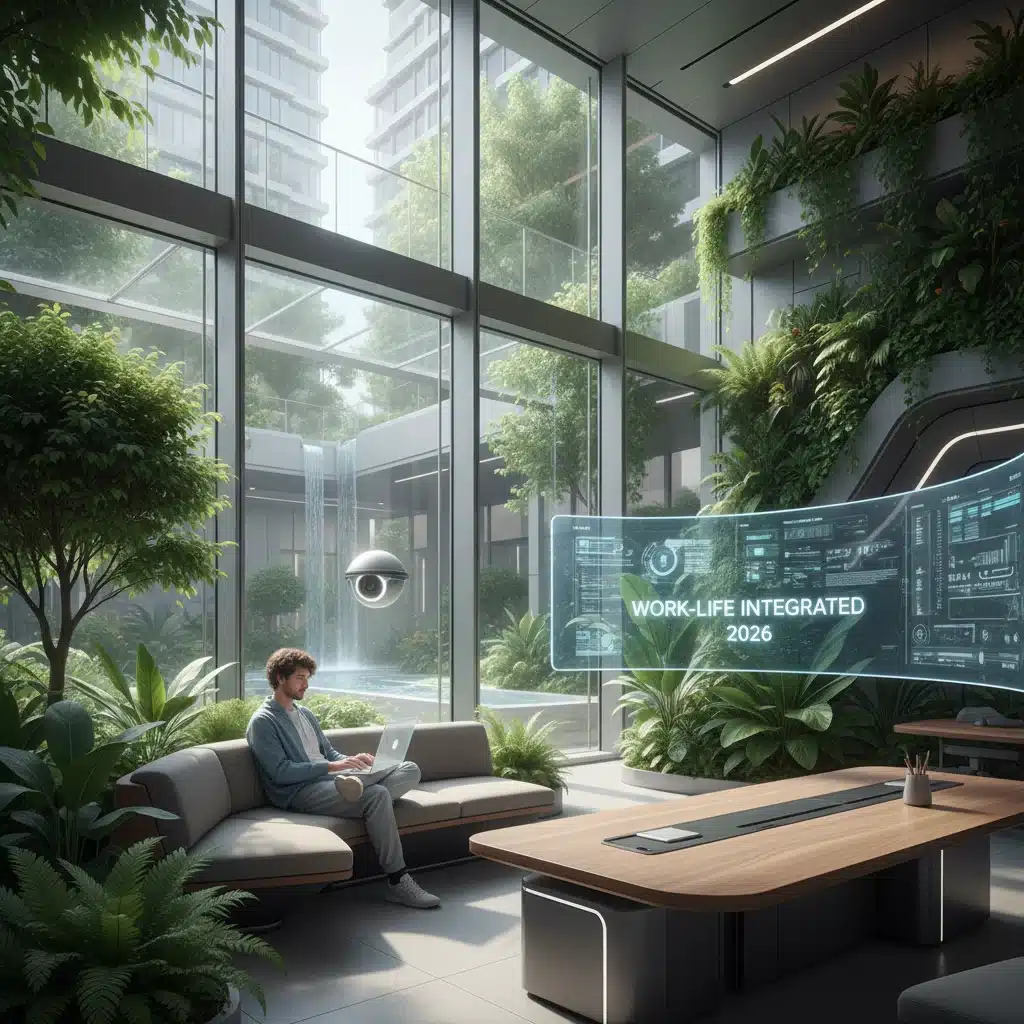
In an era defined by rapid technological advancement and shifting professional paradigms, the concept of a clear-cut work-life balance has largely given way to the more integrated, yet often challenging, idea of a work-life blend. As we navigate towards 2026, the lines between professional and personal lives continue to blur, making it more critical than ever to develop robust strategies for maintaining boundaries and preventing burnout. This comprehensive guide, informed by expert insights, will equip you with the knowledge and tools to not only survive but thrive in this evolving landscape, ensuring your well-being remains paramount.
The traditional 9-to-5 workday is increasingly a relic of the past for many. Remote work, hybrid models, and the ‘always-on’ culture fostered by pervasive digital connectivity have reshaped our daily routines. While these changes offer unparalleled flexibility and autonomy, they also present significant risks, primarily the insidious creep of work into personal time, leading to chronic stress, exhaustion, and ultimately, burnout. Understanding these dynamics is the first step towards mastering the work-life blend.
Burnout, recognized by the World Health Organization as an occupational phenomenon, is characterized by feelings of energy depletion or exhaustion, increased mental distance from one’s job, or feelings of negativism or cynicism related to one’s job, and reduced professional efficacy. It’s not merely feeling tired; it’s a profound state of physical, emotional, and mental exhaustion that can have severe long-term consequences for both individuals and organizations. Preventing it requires a proactive and intentional approach, focusing on sustainable practices rather than reactive measures.
This article delves into four crucial expert tips designed to help you proactively manage your work-life blend in 2026. We will explore strategies for setting clear boundaries, optimizing your digital presence, cultivating a culture of well-being, and leveraging technology mindfully. By implementing these insights, you can foster a healthier, more productive, and ultimately more fulfilling professional and personal life.
The Evolving Landscape of Work: Why the Work-Life Blend is the New Reality
Before diving into solutions, it’s essential to grasp the forces that have propelled us into this era of the work-life blend. The COVID-19 pandemic acted as a major catalyst, accelerating trends that were already in motion. Remote work, once a niche benefit, became a necessity, revealing both its advantages and its pitfalls. Organizations discovered that productivity could be maintained, and even enhanced, outside traditional office settings, leading to a permanent shift for many.
Technological Advancements and the ‘Always-On’ Culture
The proliferation of high-speed internet, collaborative software, and mobile devices means that work is no longer confined to a physical office or specific hours. Emails, messages, and project updates can arrive at any time, creating an expectation of immediate responsiveness. While this connectivity can boost efficiency, it also erodes the natural breaks that once separated work from personal life. The challenge is not to reject technology, but to learn how to harness it without letting it consume you.
The Gig Economy and Portfolio Careers
The rise of the gig economy and the increasing prevalence of portfolio careers further complicate the picture. Many professionals now juggle multiple projects, clients, or even different jobs simultaneously. This entrepreneurial approach offers flexibility and diverse income streams but demands exceptional self-management skills to prevent overwhelming one’s schedule and mental capacity. For these individuals, mastering the work-life blend is not just about avoiding burnout, but about sustaining their livelihood and passion.
Increased Focus on Employee Well-being and Mental Health
On a positive note, there’s a growing recognition among employers and society at large about the critical importance of employee well-being and mental health. Organizations are increasingly investing in programs and policies designed to support a healthier work-life blend, understanding that a thriving workforce is a productive one. However, individual responsibility in setting boundaries and advocating for one’s needs remains paramount.
Expert Tip 1: Establish Clear Digital and Physical Boundaries
The most fundamental step in preventing burnout and achieving a healthy work-life blend is to establish clear boundaries. This isn’t just about saying ‘no’ to extra tasks; it’s about creating structured divisions between your professional and personal life, both digitally and physically.
Define Your Work Hours and Stick to Them
Even if your job offers flexibility, define a start and end time for your workday. Communicate these hours to your colleagues and clients. While occasional exceptions are inevitable, make these the exception, not the rule. When your workday is officially over, close your laptop, put away work-related devices, and resist the urge to check emails.
Create a Dedicated Workspace (and Leave It)
If you work from home, designate a specific area for work. This could be a separate room, a corner of a room, or even just a specific desk. The act of physically entering and leaving this space can help your brain switch between ‘work mode’ and ‘home mode.’ When your workday ends, physically leave that space. Don’t work from your bed or your living room couch if you can avoid it, as this blurs the lines too much.
Implement Digital Detox Periods
Technology is a double-edged sword. While it enables the work-life blend, it can also destroy it. Schedule regular digital detox periods. This could mean no work emails after 6 PM, no checking social media during family dinners, or even a full day once a week where you minimize screen time. Use ‘do not disturb’ features on your devices for work-related apps outside of your defined work hours. Consider having separate work and personal phones, or at least distinct profiles on your devices.
Communicate Your Boundaries Effectively
Setting boundaries is only effective if others are aware of them. Clearly communicate your availability and expectations to your team, manager, and clients. For example, use automated email replies indicating your working hours or set up status messages on communication platforms. Don’t be afraid to politely decline requests that fall outside your established boundaries, explaining that you’ll address them during your next working period. This proactive communication is key to managing expectations and fostering a respectful work environment.
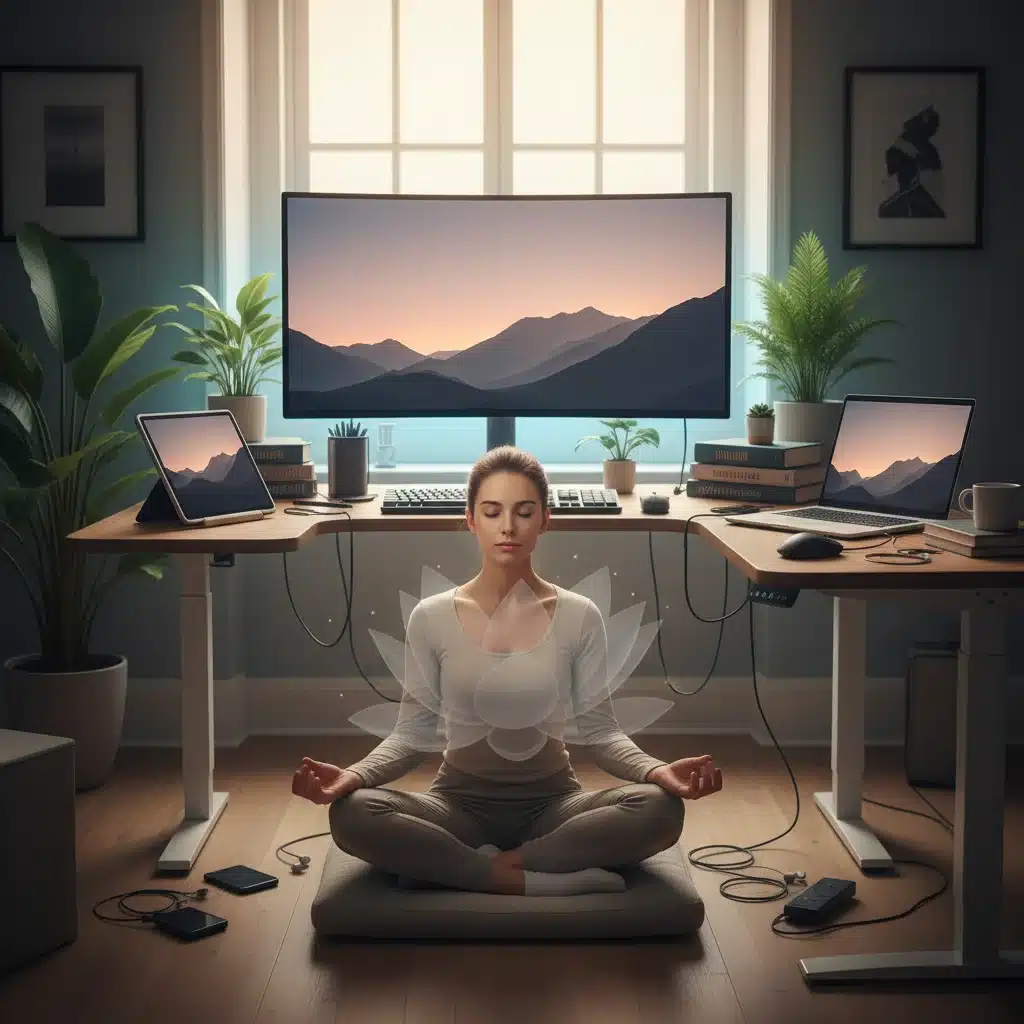
Expert Tip 2: Prioritize Well-being and Self-Care Routines
A sustainable work-life blend is impossible without a strong foundation of well-being and consistent self-care. It’s not a luxury; it’s a necessity for sustained performance and mental resilience. In 2026, self-care routines must be integrated intentionally into your daily life.
Schedule Non-Negotiable Self-Care Time
Just as you schedule important meetings, schedule time for yourself. This could be exercise, meditation, hobbies, time with loved ones, or simply quiet reflection. Make these appointments non-negotiable. Treat them with the same importance as a client meeting. Even 15-30 minutes dedicated to an activity that recharges you can make a significant difference in your ability to manage the demands of your work-life blend.
Practice Mindfulness and Stress Management Techniques
The constant demands of modern work can lead to chronic stress. Incorporate mindfulness practices into your day. This could be as simple as taking a few deep breaths before starting a task, a short meditation session, or a mindful walk. Apps and online resources offer guided meditations and stress reduction exercises that can be easily integrated into a busy schedule. Understanding your stress triggers and developing coping mechanisms is vital for long-term well-being.
Ensure Adequate Sleep and Nutrition
These are the foundational pillars of health, yet often the first to be sacrificed in the pursuit of productivity. Prioritize 7-9 hours of quality sleep per night. Establish a consistent sleep schedule and create a relaxing bedtime routine. Similarly, pay attention to your nutrition. Fueling your body with healthy, balanced meals can significantly impact your energy levels, mood, and cognitive function, making you more resilient to the stresses of work and better equipped to manage your work-life blend.
Foster Social Connections
Humans are social creatures, and strong social connections are crucial for mental health. Make time for friends, family, and community activities. Even if your work is remote, actively seek out opportunities for social interaction, whether through virtual hangouts, local clubs, or volunteer work. Isolation can exacerbate feelings of stress and burnout, so nurturing your social life is a powerful countermeasure.
Expert Tip 3: Optimize Your Workflows and Leverage Technology Smartly
While technology can be a source of distraction and overload, it can also be a powerful ally in creating an effective work-life blend. The key is to use it strategically to optimize your workflows, automate mundane tasks, and enhance your productivity without increasing your working hours.
Automate Repetitive Tasks
Identify tasks that are repetitive and time-consuming. Explore automation tools and software that can handle these for you. This could include email filters, scheduling tools, project management software with automated reminders, or even AI-powered assistants for data entry or report generation. Freeing up time from these tasks allows you to focus on more high-value work and reclaim personal time.
Batch Similar Tasks
Context switching, or rapidly moving between different types of tasks, is a major productivity killer. Instead, try batching similar tasks together. For example, designate specific times for checking and responding to emails, making phone calls, or working on creative projects. This reduces mental fatigue and allows for deeper focus, ultimately making your work more efficient and contributing to a better work-life blend.
Utilize Project Management and Communication Tools Effectively
Modern project management platforms (e.g., Asana, Trello, Monday.com) and communication tools (e.g., Slack, Microsoft Teams) are designed to streamline collaboration. Learn to use them to their full potential. Establish clear communication protocols with your team – for instance, using specific channels for different topics or setting expectations for response times. This reduces unnecessary interruptions and ensures that critical information is easily accessible without constant back-and-forth.
Leverage AI for Insights, Not Just Automation
Beyond simple automation, AI tools in 2026 can offer powerful insights. From data analysis to personalized learning recommendations, AI can help you make more informed decisions and develop new skills more efficiently. Use AI to augment your abilities, not to replace thoughtful engagement. For example, AI-powered writing assistants can help draft initial content, allowing you to focus on refining ideas rather than staring at a blank page. This smart application of AI can significantly enhance your professional efficacy within your desired work-life blend.
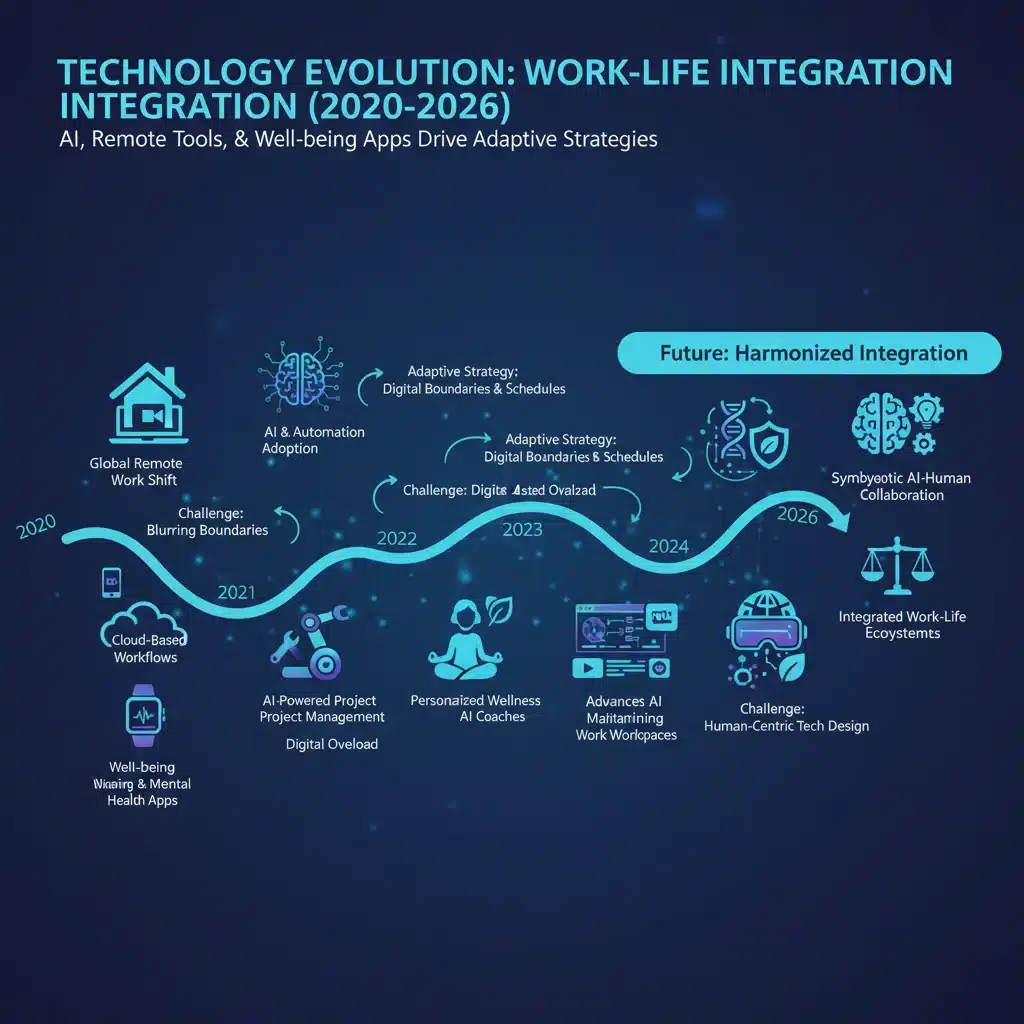
Expert Tip 4: Cultivate a Culture of Psychological Safety and Flexibility
While individual strategies are crucial, the organizational culture plays a monumental role in facilitating a healthy work-life blend. Both employees and leaders have a part to play in fostering an environment of psychological safety and flexibility, especially in 2026.
For Employees: Advocate for Your Needs
Don’t suffer in silence. If you’re feeling overwhelmed or struggling to maintain your boundaries, communicate this to your manager or HR department. A psychologically safe workplace is one where employees feel comfortable raising concerns without fear of reprisal. Propose solutions, discuss flexible work arrangements if needed, and be an active participant in shaping a healthier work environment. Your advocacy can not only benefit you but also pave the way for others.
For Leaders: Lead by Example and Empower Your Team
Leaders are instrumental in setting the tone for the entire organization. If managers are consistently sending emails at midnight or working through weekends, it implicitly creates an expectation for their teams to do the same. Lead by example: model healthy boundaries, take your own vacation time, and encourage your team to do the same. Empower your team members to manage their schedules, focus on results rather than hours, and trust them to deliver. Offer flexibility where possible, understanding that a one-size-fits-all approach to the work-life blend is no longer viable.
Promote Open Communication and Feedback
Regularly check in with your team members about their well-being, not just their performance. Create channels for open and honest feedback regarding workload, stress levels, and the effectiveness of current policies. Use anonymous surveys if necessary to gauge the true sentiment. A culture that values open communication can identify potential burnout risks early and implement preventative measures before they escalate.
Invest in Well-being Programs and Resources
Organizations in 2026 should actively invest in resources that support employee well-being. This can include access to mental health services, mindfulness training, subsidized fitness programs, flexible work options, and even dedicated ‘unplugged’ days or weeks. Demonstrating a tangible commitment to employee health goes a long way in fostering a positive work-life blend and retaining talent.
The Future of Work-Life Blend: Continuous Adaptation
The journey towards a perfect work-life blend is not a destination but a continuous process of adaptation and refinement. As technology evolves, societal norms shift, and individual circumstances change, so too will the strategies required to maintain this delicate balance. What works for one person might not work for another, and what works today might need adjustment tomorrow.
Regularly assess your own situation. Are your boundaries still effective? Are you feeling energized or drained? Are your self-care routines genuinely recharging you? Be honest with yourself and be willing to experiment with different approaches. The goal is not to eliminate stress entirely, but to build resilience and create a life where work contributes positively to your overall fulfillment, rather than detracting from it.
Embrace the flexibility that the modern work environment offers, but do so with intention. Use the tools at your disposal to create efficiencies, but never at the expense of your mental and physical health. Remember that your well-being is your most valuable asset, enabling you to perform at your best, both professionally and personally.
Conclusion: Thriving in the 2026 Work-Life Blend
The 2026 landscape of work demands a sophisticated understanding and proactive management of the work-life blend. By diligently establishing clear digital and physical boundaries, prioritizing your well-being through consistent self-care, intelligently leveraging technology to optimize workflows, and actively contributing to a supportive culture of psychological safety and flexibility, you can navigate the complexities of modern professional life with confidence and resilience.
Preventing burnout is not just about avoiding negative outcomes; it’s about unlocking your full potential and experiencing a richer, more balanced life. The insights provided by experts underscore a fundamental truth: a sustainable career is built on a foundation of personal well-being. As you implement these strategies, remember that consistency, self-compassion, and a willingness to adapt are your greatest allies. Embrace the future of work, master your work-life blend, and thrive in 2026 and beyond.