Digital Detox 7-Day Plan 2026: Reclaim Your Time & Focus

In an increasingly hyper-connected world, the lines between our digital and physical lives have blurred, often to the detriment of our well-being. From constant notifications to the endless scroll of social media, our devices demand an unprecedented amount of our attention. This relentless digital engagement can lead to increased stress, decreased productivity, sleep disturbances, and a feeling of being perpetually overwhelmed. The solution? A strategic and intentional break from the digital noise – a digital detox. As we head into 2026, the need for such a reset is more critical than ever. This comprehensive guide will walk you through a powerful digital detox plan, specifically designed as a 7-day journey to help you reclaim your time, sharpen your focus, and foster a healthier relationship with technology.
A digital detox plan isn’t about abandoning technology forever; it’s about creating conscious boundaries and rediscovering what truly matters beyond the screen. It’s about building resilience against digital distractions and cultivating habits that promote genuine connection, creativity, and inner peace. By committing to this 7-day challenge, you’ll gain invaluable insights into your digital consumption patterns and develop sustainable strategies for a more balanced life. Join us as we embark on this transformative journey, moving away from the constant pull of the digital world and towards a more mindful, present existence.
Understanding the Urgency: Why a Digital Detox in 2026?
The past few years have seen an exponential rise in screen time across all age groups. From remote work and online learning to entertainment and social interaction, digital platforms have become indispensable. While technology offers undeniable benefits, its pervasive nature has also brought forth a new set of challenges. In 2026, these challenges are amplified by increasingly sophisticated algorithms designed to maximize engagement, making it harder than ever to disconnect. The constant influx of information and notifications can lead to:
- Information Overload: Feeling overwhelmed by the sheer volume of news, updates, and messages.
- Decreased Attention Span: Difficulty concentrating on single tasks for extended periods.
- Sleep Disturbances: The blue light emitted from screens interferes with melatonin production, impacting sleep quality.
- Increased Anxiety and Stress: Fear of missing out (FOMO), social comparison, and constant connectivity can heighten anxiety levels.
- Reduced Productivity: Frequent interruptions from notifications derail focus and hinder deep work.
- Strained Relationships: Prioritizing digital interactions over in-person connections.
- Physical Ailments: Eye strain, neck pain, and sedentary lifestyles linked to prolonged screen use.
A well-executed digital detox plan addresses these issues head-on, offering a much-needed respite and the opportunity to recalibrate. It’s not just a trend; it’s a vital practice for mental, emotional, and physical well-being in the modern age. Embracing a digital detox in 2026 means taking proactive steps to safeguard your health and happiness against the relentless demands of the digital sphere.
Preparing for Your 7-Day Digital Detox Plan: Laying the Groundwork
Success in any challenge begins with thorough preparation. A digital detox plan is no different. Before you dive into your 7 days of digital abstinence, it’s crucial to set yourself up for success. This preparatory phase will help minimize potential friction and ensure a smoother, more effective detox experience. Think of it as creating a supportive environment for your digital reset.
1. Define Your ‘Why’: Set Clear Intentions
Before you begin, reflect on why you want to undertake this digital detox plan. Are you seeking more presence, better sleep, reduced anxiety, or increased productivity? Pinpointing your motivations will serve as a powerful anchor when temptations arise. Write down your ‘why’ and keep it visible as a constant reminder of your goals. This clarity will fuel your commitment throughout the 7 days.
2. Communicate Your Plan: Inform Your Network
One of the biggest hurdles can be the expectation of immediate digital availability from others. Inform your friends, family, and colleagues about your upcoming digital detox plan. Explain that you will be less accessible digitally for a week and provide alternative contact methods for emergencies (e.g., a specific phone number for urgent calls). This proactive communication can alleviate pressure and prevent misunderstandings.
3. Identify Your Digital Triggers: Where Do You Spend Most Time?
Take a day or two before your detox to observe your digital habits. Which apps consume most of your time? What situations trigger you to pick up your phone? Is it boredom, stress, or habit? Understanding these triggers is the first step towards breaking free. Tools like screen time trackers on your smartphone can provide valuable insights into your usage patterns, helping you target specific areas for reduction during your digital detox plan.
4. Plan Alternative Activities: Fill the Void Proactively
The biggest challenge during a digital detox is often knowing what to do with the newfound free time. Don’t leave it to chance! Brainstorm a list of engaging, screen-free activities you enjoy or have always wanted to try. This could include reading physical books, going for walks, pursuing a hobby, spending time in nature, cooking, journaling, or connecting with loved ones in person. Having a ready list of alternatives will prevent boredom from pulling you back to your devices.
5. Prepare Your Environment: Physical and Digital
- Physical Space: Designate tech-free zones in your home, especially your bedroom. Consider moving charging stations out of the bedroom.
- Digital Space: Delete non-essential apps from your phone (you can always reinstall them later). Log out of social media accounts on your computer. Set an out-of-office reply for work emails if feasible, or delegate urgent tasks.
- Notifications: Turn off all non-essential notifications across all devices.
- Essential Tools: If you rely on your phone for alarms, consider buying a traditional alarm clock. If you use it for navigation, print out maps for essential journeys.
By taking these preparatory steps, you’re not just starting a detox; you’re setting the stage for a profound and meaningful experience. This careful planning is a cornerstone of a successful digital detox plan, ensuring that you’re ready to embrace the challenges and reap the rewards.
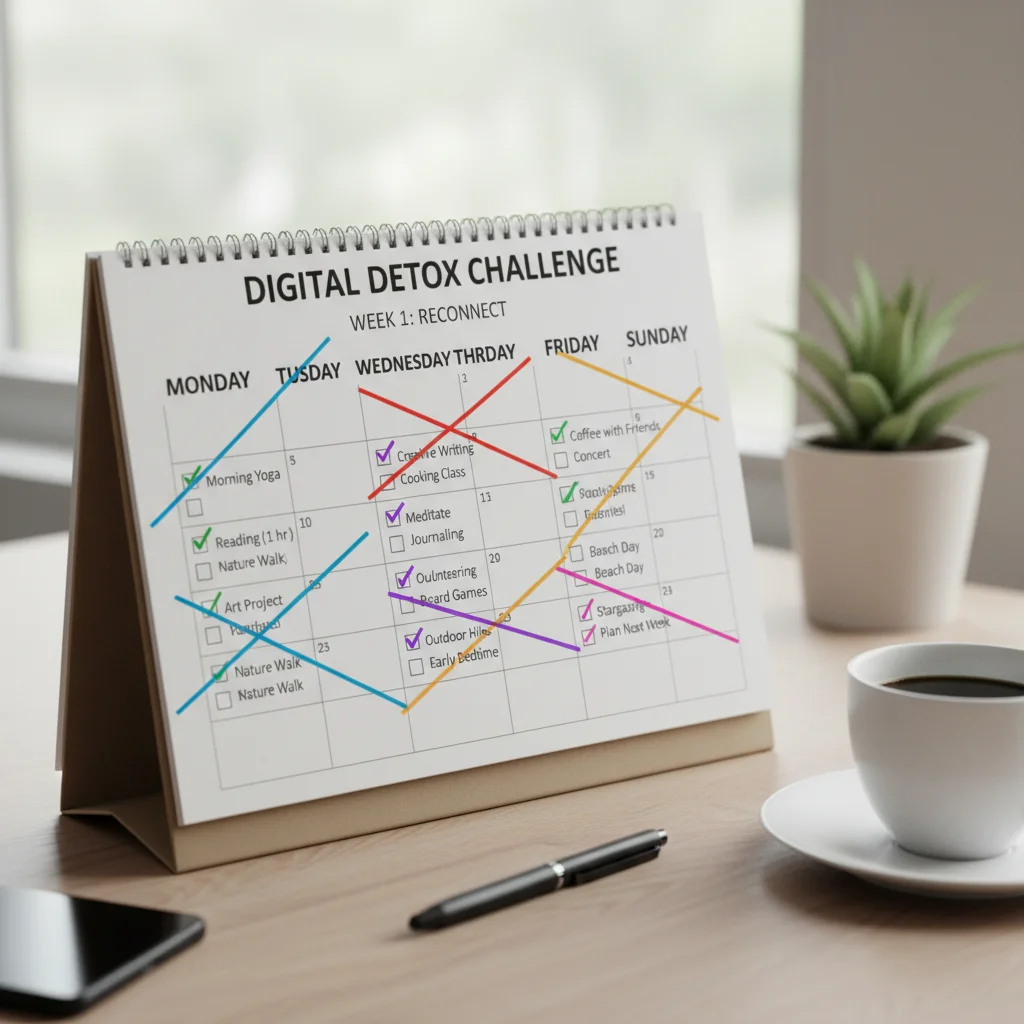
Your 7-Day Digital Detox Plan for 2026: A Day-by-Day Guide
This structured digital detox plan is designed to gradually ease you away from digital dependency and introduce healthier habits. Remember, flexibility is key, but try to stick as closely as possible to the guidelines for maximum benefit. Each day builds upon the last, fostering a deeper sense of presence and control.
Day 1: The Gentle Disconnect – Setting Boundaries
Focus: Awareness and initial reduction.
- Morning: Start your day tech-free. No checking your phone for the first hour after waking up. Instead, engage in a mindful activity: stretch, meditate, or enjoy a cup of coffee in silence.
- Daytime: Practice ‘batching’ your digital time. Instead of constantly checking, designate specific 15-30 minute slots to respond to emails or messages. Keep your phone out of reach during work or study periods.
- Evening: Implement a digital curfew. Put away all screens (phone, tablet, TV, computer) at least 2-3 hours before bedtime. This is crucial for improving sleep quality.
- Activity: Go for a walk without your phone. Observe your surroundings.
Day 2: Reclaiming Mealtime and Social Interactions
Focus: Mindful eating and real-world connections.
- Meals: Make all meals device-free. Enjoy your food, savor the flavors, and engage in conversation if you’re with others.
- Social: Prioritize in-person conversations over texting. If you meet a friend, keep your phones away.
- Work/Study: Continue batching digital tasks. Use a timer to stay focused on non-digital work.
- Activity: Call a friend or family member instead of texting. Have a genuine conversation.
Day 3: The Social Media Fast
Focus: Breaking the scroll habit.
- Challenge: Today, completely avoid all social media platforms. Delete the apps if necessary.
- Observation: Notice the urges to check social media. Journal about these feelings and how you cope without the instant gratification.
- Fill the Void: Engage deeply in one of your pre-planned alternative activities.
- Activity: Start a new book or pick up an old one. Dedicate at least an hour to reading.

Day 4: Embracing Boredom and Creativity
Focus: Allowing space for new ideas and self-reflection.
- Boredom: Don’t immediately reach for a device when you feel bored. Let boredom sit for a while. Often, this is where creativity sparks.
- Creation: Dedicate time to a creative pursuit: draw, write, play an instrument, or cook a new recipe.
- Reflection: Journal about your experiences so far. What changes are you noticing? What are you learning about yourself?
- Activity: Spend time outdoors. Go to a park, sit in your garden, or simply observe nature from a window.
Day 5: Digital-Free Work/Productivity Focus
Focus: Enhancing concentration and deep work.
- Work Block: Dedicate a significant block of your day (e.g., 2-4 hours) to work or study without any digital distractions. Turn off all notifications and put your phone in another room.
- Breaks: During breaks, avoid screens. Stand up, stretch, walk around, or do a quick mindfulness exercise.
- Efficiency: Notice how your focus improves and how much more you can accomplish without constant interruptions.
- Activity: Tidy up a physical space in your home. Organize a drawer, clean a room – engage in a task that provides a tangible sense of accomplishment.
Day 6: Reconnecting with Your Surroundings and Senses
Focus: Engaging with the physical world.
- Sensory Experience: Pay close attention to your five senses throughout the day. What do you see, hear, smell, taste, and feel?
- Exploration: Visit a local museum, art gallery, or a new part of your town. Engage with the environment without the urge to document it digitally.
- No Photography: Resist the urge to take photos or videos with your phone. Live in the moment.
- Activity: Cook a meal from scratch, focusing on the process and sensory experience of preparing food.
Day 7: Integration and Planning for the Future
Focus: Consolidating learning and sustainable habits.
- Review: Reflect on your entire 7-day digital detox plan. What were your biggest challenges? What were your greatest triumphs? How do you feel physically and mentally compared to Day 1?
- Planning: Based on your insights, develop a personal ‘digital wellness plan’ for going forward. What boundaries will you maintain? Which apps will you reinstall, and which will stay deleted?
- Celebration: Acknowledge your achievement! Treat yourself to a non-digital reward.
- Activity: Write down your new digital rules and commit to them. Share your experience with someone close to you.
Beyond the 7-Day Digital Detox Plan: Sustaining Healthy Habits
Completing a 7-day digital detox plan is a significant achievement, but it’s just the beginning. The real challenge lies in integrating the lessons learned into your daily life to cultivate a sustainable, healthier relationship with technology. This isn’t about permanent abstinence, but rather about mindful engagement.
1. Establish Digital Boundaries That Work for You
Based on your detox experience, identify the boundaries that made the most positive impact. This might include:
- No-Phone Zones: Keep bedrooms, dining tables, and bathrooms strictly tech-free.
- Digital Curfews: Maintain a consistent time to put away devices before bed.
- Batching Digital Tasks: Continue to check emails and social media at designated times rather than constantly.
- Notification Management: Keep most notifications turned off, allowing only essential alerts.
These boundaries should be realistic and adaptable to your lifestyle. The goal is to create structure, not deprivation.
2. Prioritize Screen-Free Activities
Actively schedule time for activities that don’t involve screens. This could be:
- Hobbies: Rediscover old passions or explore new ones, like painting, playing an instrument, gardening, or crafting.
- Nature: Spend regular time outdoors – walking, hiking, or simply sitting in a park.
- Reading: Make physical books a regular part of your routine.
- Socializing: Arrange more in-person meetups, coffee dates, or phone calls with friends and family.
- Mindfulness: Incorporate meditation, journaling, or quiet reflection into your daily routine.
By intentionally filling your time with enriching alternatives, you naturally reduce the urge to reach for your devices.
3. Practice Mindful Tech Use
When you do engage with technology, do so mindfully. Before picking up your phone or opening an app, ask yourself:
- What is my intention for using this device/app?
- Is this serving a purpose, or am I just mindlessly scrolling?
- How do I feel after using this? Energized or drained?
This conscious approach helps you distinguish between purposeful tech use and habitual consumption. Consider using apps that track your screen time and provide reports, helping you stay accountable to your goals. Many devices now include built-in tools for this, which can be invaluable in maintaining a healthy digital detox plan long-term.
4. Curate Your Digital Environment
Just as you declutter your physical space, declutter your digital one. Unfollow accounts that don’t add value, unsubscribe from unnecessary newsletters, and regularly delete apps you don’t use. A streamlined digital environment is less overwhelming and less likely to pull you into endless scrolling.
5. Embrace Digital ‘Mini-Detoxes’
You don’t need to wait for another 7-day challenge to reset. Integrate smaller, regular digital breaks into your life. This could be a tech-free Sunday, an hour of no-phone time each evening, or leaving your phone at home when you go for a walk. These mini-detoxes keep your digital habits in check and reinforce the benefits of disconnecting.
6. Seek Support and Accountability
Share your digital wellness goals with a trusted friend or family member. Having someone to check in with can provide motivation and accountability. You might even find a detox buddy to embark on future challenges with.
The Long-Term Benefits of a Sustainable Digital Detox Plan
The positive ripple effects of a well-maintained digital detox plan extend far beyond the initial 7 days. By consciously managing your relationship with technology, you can expect to experience a multitude of long-term benefits, profoundly enhancing your quality of life:
- Improved Mental Clarity and Focus: Reduced digital noise allows your brain to rest and process information more effectively, leading to better concentration and problem-solving skills.
- Enhanced Creativity: Boredom, when embraced, is a fertile ground for new ideas and creative breakthroughs. Disconnecting frees up mental space for imaginative thought.
- Better Sleep Quality: Adhering to digital curfews and avoiding screens before bed significantly improves melatonin production, leading to deeper, more restorative sleep.
- Reduced Stress and Anxiety: Less exposure to social comparison, news overload, and constant notifications lowers stress hormones and fosters a greater sense of calm.
- Stronger Real-World Connections: By being more present, you invest more deeply in face-to-face interactions, strengthening relationships with friends, family, and colleagues.
- Increased Productivity: Eliminating digital distractions during work or study periods allows for ‘deep work,’ leading to more efficient completion of tasks and higher-quality output.
- Greater Self-Awareness: Spending less time on devices encourages introspection and self-reflection, helping you better understand your emotions, needs, and desires.
- Improved Physical Health: Less sedentary screen time often translates to more physical activity, better posture, and reduced eye strain and neck pain.
- A Deeper Appreciation for Life: When you’re not constantly looking through a screen, you become more attuned to the beauty and nuances of the world around you, fostering gratitude and presence.
- Reclaimed Time: The most tangible benefit is the sheer amount of time you gain back – time that can be invested in personal growth, hobbies, relationships, and rest.
This digital detox plan isn’t just about what you give up; it’s about what you gain. It’s an investment in your mental, emotional, and physical capital, paving the way for a more intentional, fulfilling, and balanced life in 2026 and beyond. Embrace the challenge, commit to the process, and unlock a renewed sense of well-being.
Conclusion: Your Path to Digital Well-being in 2026
Embarking on a digital detox plan is more than just a temporary break from your devices; it’s a profound commitment to your overall well-being. In the fast-paced, hyper-connected landscape of 2026, taking intentional steps to manage your digital consumption is no longer a luxury but a necessity. This 7-day guide has provided you with a structured framework to navigate this journey, from preparation and daily challenges to establishing sustainable habits.
You’ve learned to identify your digital triggers, set clear boundaries, fill your time with enriching screen-free activities, and practice mindful tech use. The benefits of this journey are immense: improved focus, better sleep, reduced stress, stronger real-world connections, and a renewed sense of presence and creativity. Remember, the goal isn’t to demonize technology, but to master it, ensuring it serves you rather than controls you.
As you move forward, carry the insights and habits cultivated during this digital detox plan into your daily life. Be patient with yourself, celebrate small victories, and don’t be afraid to revisit the detox whenever you feel overwhelmed. Your journey to digital well-being is continuous, an ongoing practice of balancing the undeniable advantages of technology with the invaluable peace and richness of an unplugged life. Reclaim your time, sharpen your focus, and step into a more intentional and fulfilling 2026.