Neuroscience Breakthroughs: Boost Cognitive Performance by 20% in 3 Months

In an increasingly demanding world, the quest to enhance cognitive performance has moved from the realm of science fiction to a tangible reality. Modern neuroscience is unveiling unprecedented insights into how our brains work, offering practical, science-backed strategies to sharpen focus, improve memory, and boost overall mental acuity. Imagine achieving a 20% improvement in your cognitive capabilities in just three months. This isn’t wishful thinking; it’s an achievable goal with the right approach. This comprehensive guide delves into the latest neuroscience breakthroughs and provides insider strategies to help you unlock your brain’s full potential.
The Latest Neuroscience Breakthroughs for Enhanced Focus: Insider Strategies to Boost Your Cognitive Performance by 20% in 3 Months
Understanding Cognitive Performance: What It Is and Why It Matters
Before we dive into the ‘how,’ let’s clarify the ‘what.’ Cognitive performance encompasses a range of mental processes including attention, memory, problem-solving, decision-making, and learning. In essence, it’s how effectively your brain processes information and interacts with the world. High cognitive performance is crucial for success in professional life, academic pursuits, and even personal well-being. It allows for quicker learning, more efficient task completion, better retention of information, and enhanced creativity.
The human brain is an incredibly complex organ, constantly adapting and evolving. Neuroplasticity, the brain’s ability to reorganize itself by forming new neural connections throughout life, is at the heart of cognitive enhancement. Recent breakthroughs in neuroscience have illuminated the specific mechanisms behind neuroplasticity, revealing how we can actively stimulate this process to our advantage. The goal isn’t just to maintain cognitive function but to actively enhance cognitive performance to new levels.
The Neuroscience Behind Enhanced Focus and Memory
Focus and memory are two pillars of robust cognitive performance. Neuroscientific research has pinpointed several key areas and neurotransmitters involved in these functions:
- Prefrontal Cortex (PFC): Often called the brain’s CEO, the PFC is responsible for executive functions like attention, planning, and decision-making. Strengthening its connections can significantly improve focus.
- Hippocampus: This seahorse-shaped structure is vital for forming new memories and spatial navigation. Enhancing its activity can boost learning and recall.
- Neurotransmitters: Dopamine, acetylcholine, and norepinephrine play crucial roles. Dopamine is linked to motivation and reward, acetylcholine to attention and memory consolidation, and norepinephrine to alertness and arousal. Optimizing these neurotransmitter levels is key to sustained focus and effective memory.
- Brain-Derived Neurotrophic Factor (BDNF): Often referred to as ‘Miracle-Gro’ for the brain, BDNF promotes the growth of new neurons and synapses, directly supporting neuroplasticity and cognitive health.
Understanding these fundamental mechanisms provides a roadmap for targeted interventions to enhance cognitive performance. We’re moving beyond generic advice to science-driven strategies that yield measurable results.
Insider Strategies: The 3-Month Cognitive Enhancement Plan
Achieving a 20% boost in cognitive performance within three months requires a multi-faceted approach. This plan integrates lifestyle modifications, targeted exercises, and cutting-edge insights from neuroscience.
Month 1: Laying the Foundation – Sleep, Nutrition, and Hydration
You can’t build a strong edifice on a weak foundation. The first month focuses on optimizing the basic biological needs of your brain.
1. Prioritize Quality Sleep: The Brain’s Reset Button
Sleep is not just rest; it’s an active process during which your brain consolidates memories, clears metabolic waste, and prepares for the next day. Chronic sleep deprivation severely impairs focus, decision-making, and memory. Aim for 7-9 hours of high-quality sleep per night.
- Neuroscience Insight: During deep sleep (NREM stage 3), the brain’s glymphatic system is highly active, flushing out toxins like beta-amyloid, which are linked to cognitive decline. REM sleep is critical for memory consolidation and emotional processing.
- Actionable Steps: Establish a consistent sleep schedule, create a relaxing bedtime routine, optimize your sleep environment (dark, cool, quiet), and limit screen time before bed.
2. Fuel Your Brain: The Power of Nutrition
Your brain consumes about 20% of your body’s energy. What you eat directly impacts its function.
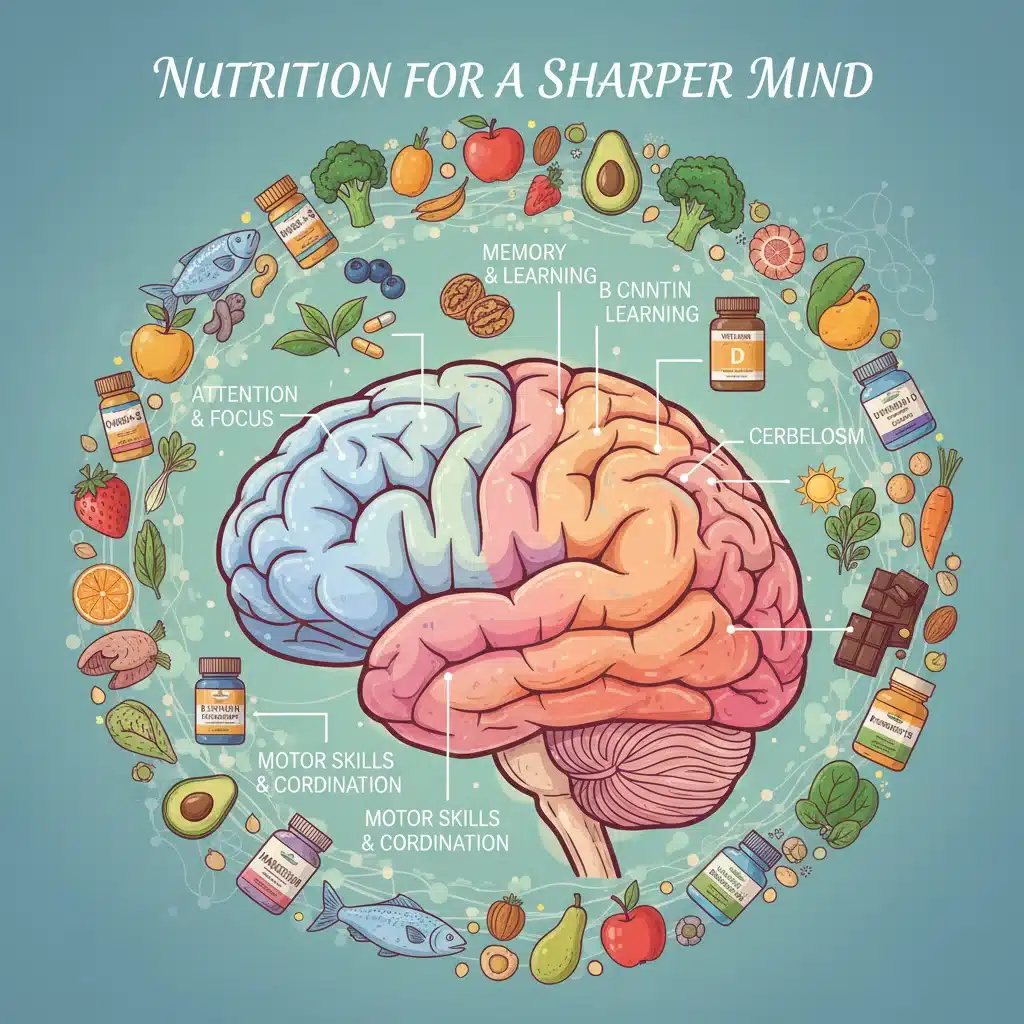
- Neuroscience Insight: A diet rich in omega-3 fatty acids, antioxidants, and B vitamins supports brain health. Omega-3s (DHA, EPA) are crucial components of brain cell membranes, while antioxidants protect against oxidative stress. B vitamins are essential for neurotransmitter synthesis.
- Actionable Steps: Incorporate fatty fish (salmon, mackerel), berries, leafy greens, nuts, seeds, and whole grains into your diet. Reduce processed foods, excessive sugar, and unhealthy fats. Consider a Mediterranean-style diet, which has strong evidence for cognitive benefits.
3. Hydration for Optimal Brain Function
Even mild dehydration can impair cognitive functions like concentration, memory, and mood.
- Neuroscience Insight: The brain is about 75% water. Proper hydration ensures efficient nutrient transport and waste removal, and maintains electrolytic balance crucial for nerve signaling.
- Actionable Steps: Drink plenty of water throughout the day. Keep a water bottle handy and aim for at least 8 glasses (2 liters) daily, adjusting for activity level and climate.
Month 2: Targeted Brain Training and Stress Reduction
With a solid foundation in place, month two focuses on active engagement and managing mental load.
1. Engage in Regular Physical Exercise: A Brain Booster
Physical activity isn’t just good for your body; it’s phenomenal for your brain.
- Neuroscience Insight: Exercise increases blood flow to the brain, delivering more oxygen and nutrients. It also stimulates the production of BDNF, promoting neurogenesis (the growth of new brain cells) and synaptic plasticity, which are vital to enhance cognitive performance.
- Actionable Steps: Aim for at least 150 minutes of moderate-intensity aerobic exercise per week (e.g., brisk walking, jogging, swimming) and incorporate strength training 2-3 times a week.
2. Practice Mindfulness and Meditation: Sharpening Focus
In our hyper-connected world, sustained focus is a rare commodity. Mindfulness can train your brain to stay present.

- Neuroscience Insight: Studies show that regular meditation can increase cortical thickness in areas related to attention and sensory processing. It also reduces activity in the amygdala, the brain’s fear center, leading to decreased stress and improved emotional regulation.
- Actionable Steps: Start with 5-10 minutes of guided meditation daily, gradually increasing the duration. Focus on your breath and observe your thoughts without judgment. Apps like Headspace or Calm can be excellent resources.
3. Cognitive Training and Novelty: Keep Your Brain Learning
Just like muscles, your brain needs to be challenged to grow stronger.
- Neuroscience Insight: Learning new skills creates new neural pathways and strengthens existing ones. Engaging in novel, mentally stimulating activities, rather than repetitive brain games, is more effective for long-term cognitive health.
- Actionable Steps: Learn a new language, pick up a musical instrument, solve complex puzzles (Sudoku, crosswords), or take on a new hobby that requires problem-solving and critical thinking.
4. Stress Management: Protecting Your Brain
Chronic stress is a silent killer for cognitive function.
- Neuroscience Insight: Prolonged exposure to cortisol (the stress hormone) can damage the hippocampus, impairing memory and learning. Effective stress management preserves brain structure and function.
- Actionable Steps: Implement stress-reducing techniques such as deep breathing exercises, spending time in nature, engaging in hobbies, and maintaining strong social connections. Consider cognitive behavioral therapy (CBT) if stress is overwhelming.
Month 3: Advanced Optimization and Sustained Growth
The final month focuses on fine-tuning your approach and exploring advanced strategies to cement your gains.
1. Targeted Supplementation (Consult a Professional)
While a balanced diet is paramount, certain supplements can provide additional support for cognitive function. Always consult with a healthcare professional before starting any new supplement regimen.
- Neuroscience Insight:
- Omega-3 Fatty Acids (DHA/EPA): Essential for brain cell structure and communication.
- Creatine: Can improve working memory and intelligence in vegetarians and those with lower baseline levels.
- L-Theanine: Found in green tea, it promotes relaxation without drowsiness and can enhance attention and focus, especially when combined with caffeine.
- Bacopa Monnieri: An adaptogenic herb shown to improve memory and reduce anxiety.
- Lion’s Mane Mushroom: Research suggests it may stimulate nerve growth factor (NGF) production, supporting brain health.
- Actionable Steps: Discuss these options with your doctor. If approved, choose high-quality supplements from reputable brands.
2. Intermittent Fasting: A Metabolic Boost for the Brain
Beyond weight loss, intermittent fasting (IF) has shown promise for brain health.
- Neuroscience Insight: IF can induce ketosis, where the brain uses ketones for fuel, potentially enhancing cognitive function. It also promotes autophagy, a cellular clean-up process that removes damaged cells, and increases BDNF production.
- Actionable Steps: Start with a simple 14-16 hour fasting window daily (e.g., skipping breakfast). Ensure you remain well-hydrated during fasting periods. This approach is not suitable for everyone; consult your doctor, especially if you have underlying health conditions.
3. Optimize Your Work/Study Environment
Your surroundings play a significant role in your ability to focus.
- Neuroscience Insight: A clutter-free, organized space reduces cognitive load and minimizes distractions. Natural light and ergonomic setups can also improve comfort and sustained attention.
- Actionable Steps: Declutter your workspace, minimize visual and auditory distractions, ensure good lighting, and consider using noise-canceling headphones if necessary.
4. Leverage Neurofeedback and Biofeedback (Advanced)
For those looking for cutting-edge approaches, neurofeedback offers a way to train brainwave patterns.
- Neuroscience Insight: Neurofeedback allows you to observe your brainwave activity in real-time and learn to regulate it. For instance, training to increase alpha waves can promote relaxation, while increasing beta waves can enhance focus. Biofeedback, in general, helps you gain control over physiological responses like heart rate and skin temperature.
- Actionable Steps: This requires working with a trained professional. Research reputable neurofeedback clinics in your area.
Measuring Your Progress and Sustaining Gains
To truly enhance cognitive performance by 20%, you need a way to track your progress. While a precise 20% measurement can be complex without specialized cognitive testing, you can observe significant improvements in daily tasks.
- Self-Assessment: Keep a daily journal to note improvements in focus duration, memory recall, problem-solving speed, and overall mental clarity.
- Cognitive Tests: Online cognitive assessment tools (e.g., Lumosity, CogniFit) can provide baseline scores and track changes over time. While not perfect, they offer a quantitative measure.
- Feedback from Others: Ask colleagues, friends, or family if they’ve noticed improvements in your attention, ability to learn, or decision-making.
Sustaining these gains is about consistency. The strategies outlined above are not a temporary fix but a lifestyle change. Continue to prioritize sleep, nutrition, exercise, mindfulness, and continuous learning. Your brain is a dynamic organ; continuous engagement is key to maintaining and further enhancing its capabilities.
The Future of Cognitive Enhancement: What’s Next?
The field of neuroscience is rapidly evolving, with exciting developments on the horizon. Research into personalized nutrition based on gut microbiome analysis, advanced neurostimulation techniques (like transcranial direct current stimulation – tDCS), and even AI-powered cognitive training programs promise even greater potential for individuals to enhance cognitive performance.
Understanding the interplay between genetics, lifestyle, and brain function is becoming increasingly sophisticated. As we unlock more secrets of the brain, the ability to optimize our mental faculties will become even more precise and effective. The journey to a sharper, more focused, and more resilient brain is an ongoing one, filled with discovery and immense potential.
Conclusion: Empowering Your Brain for a Brighter Future
Boosting your cognitive performance by 20% in three months is an ambitious yet entirely achievable goal with the right strategies. By diligently implementing the insights from neuroscience – prioritizing sleep, optimizing nutrition, engaging in regular exercise, practicing mindfulness, and embracing continuous learning – you can significantly improve your focus, memory, and overall mental acuity. These insider strategies are not quick fixes but sustainable lifestyle changes that empower you to unlock your brain’s full potential and thrive in all aspects of life. Start your journey today and experience the transformative power of an optimized mind.