Future of Online Communities: Thriving Digital Spaces 2026
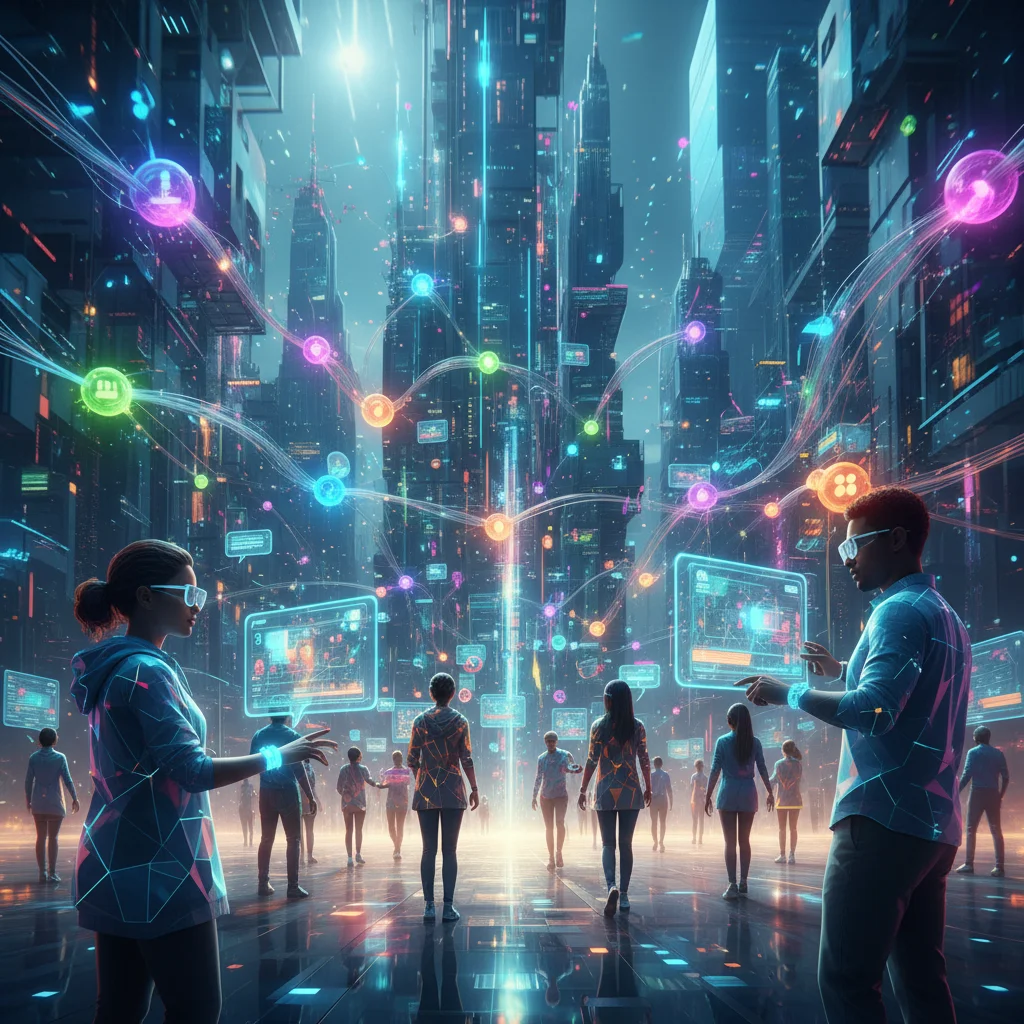
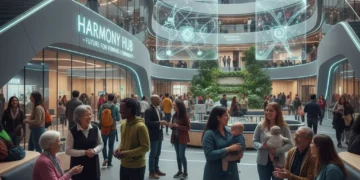
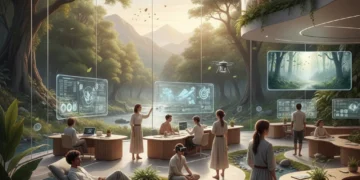
The digital world is a constantly shifting tapestry, and at its heart lie online communities – the vibrant hubs where individuals connect, share, and grow. As we hurtle towards 2026, the evolution of online communities is accelerating, driven by technological advancements, changing user expectations, and a renewed focus on authentic connection. What makes a digital space truly thrive in this dynamic environment? It’s a complex interplay of innovation, strategy, and a deep understanding of human psychology in the digital realm. This comprehensive guide will explore the pivotal trends and foundational principles that will define successful online communities in the coming years.
For decades, online communities have served as virtual gathering places, evolving from simple forums and chat rooms to sophisticated social networks and specialized platforms. The early days were marked by novelty, a sense of wonder at connecting with strangers across geographical boundaries. As the internet matured, so too did these spaces, becoming integral to personal and professional lives. However, this growth also brought challenges: issues of moderation, misinformation, and the sheer noise of an ever-expanding digital landscape. In 2026, the successful online community will be one that not only navigates these challenges but leverages them as opportunities for innovation.
The core essence of any thriving community, whether online or offline, remains the same: a shared sense of purpose, belonging, and mutual value. Yet, the mechanisms for fostering these elements in a digital context are undergoing a profound transformation. From the integration of artificial intelligence to the rise of decentralized architectures, the future online communities will be more intelligent, more personalized, and more resilient than ever before. Understanding these shifts is not just an academic exercise; it’s a necessity for anyone looking to build, manage, or participate in the digital spaces of tomorrow.
The AI Revolution: Personalization and Moderation Redefined
Artificial Intelligence (AI) is no longer a futuristic concept; it’s a present-day reality profoundly reshaping how future online communities function. In 2026, AI will be an indispensable tool for enhancing both the user experience and the operational efficiency of digital spaces. Its impact will be felt across two primary domains: hyper-personalization and intelligent moderation.
Hyper-Personalization: Tailoring the Community Experience
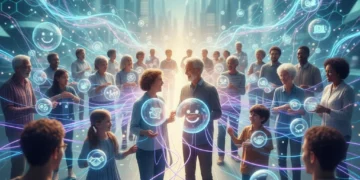
Gone are the days of one-size-fits-all community feeds. AI algorithms are becoming incredibly sophisticated at understanding individual user preferences, behaviors, and needs. This allows for a level of hyper-personalization that was previously unimaginable. Imagine a community where the content you see, the discussions you’re invited to, and even the people you’re recommended to connect with are precisely aligned with your interests and past interactions. This isn’t just about filtering out irrelevant noise; it’s about actively curating a highly engaging and valuable experience for each member.
For future online communities, AI-driven personalization means:
- Customized Content Feeds: AI analyzes consumption patterns to surface the most relevant posts, articles, and media for each user, increasing engagement and satisfaction.
- Proactive Connection Suggestions: Based on shared interests, professional backgrounds, and interaction history, AI can suggest meaningful connections between members, fostering organic networking and collaboration.
- Personalized Learning Paths: In educational or professional communities, AI can recommend specific courses, workshops, or resources tailored to a member’s skill gaps and career goals.
- Adaptive Notifications: Instead of generic alerts, AI can determine the optimal time and format for notifications, ensuring they are timely and non-intrusive, respecting user attention.
This level of personalization transforms a large, potentially overwhelming community into a series of intimate, relevant micro-experiences, making members feel seen and valued. It’s about creating a digital space that adapts to the individual, rather than forcing the individual to adapt to the space.
Intelligent Moderation: Ensuring Safety and Quality at Scale
One of the persistent challenges for future online communities has been effective moderation. As communities grow, the sheer volume of content and interactions can overwhelm human moderators, leading to issues like spam, harassment, and the spread of misinformation. AI offers a powerful solution to this scalability problem.
By 2026, AI-powered moderation tools will be far more advanced than their current counterparts. They will be capable of:
- Real-time Content Analysis: AI can instantly scan text, images, and even video for violations of community guidelines, flagging problematic content for human review or even automated removal in clear-cut cases.
- Sentiment Analysis: Understanding the emotional tone behind messages helps identify potential conflicts, hate speech, or distress signals, allowing moderators to intervene proactively.
- Pattern Recognition: AI can detect coordinated attacks, bot activity, and emerging trends in harmful behavior much faster than humans, enabling swift action to protect the community.
- Automated Dispute Resolution: For minor infractions or common queries, AI chatbots can guide users through resolution processes, freeing up human moderators for more complex issues.
It’s crucial to note that AI won’t replace human moderators entirely. Instead, it will augment their capabilities, allowing them to focus on nuanced decisions, community building, and direct member support, rather than sifting through endless reports. This hybrid approach ensures both efficiency and the human touch necessary for a healthy community culture. The future online communities will be safer, more inclusive, and better managed thanks to AI.

Web3 and Decentralization: Ownership and Empowerment
The emergence of Web3 technologies, particularly blockchain and decentralized autonomous organizations (DAOs), is poised to fundamentally alter the power dynamics within future online communities. In 2026, we will see a significant shift towards models that grant users greater ownership, control, and a direct stake in the communities they inhabit.
The Promise of Decentralized Communities
Traditional online communities often operate on centralized platforms owned by corporations. This model, while convenient, comes with inherent risks: data privacy concerns, platform censorship, and the potential for unilateral changes in policies or even platform shutdown. Web3 offers an alternative by enabling decentralized communities where control is distributed among members.
Key aspects of Web3’s influence on future online communities include:
- True Data Ownership: Users will have greater control over their personal data, deciding what information they share and with whom, rather than having it passively collected by platforms.
- Censorship Resistance: Decentralized architectures are inherently more resistant to single points of failure or censorship, ensuring that communities can operate freely and openly.
- Token-Gated Access: NFTs (Non-Fungible Tokens) can serve as access passes to exclusive community channels, events, or content, creating highly engaged and curated groups based on shared digital assets or contributions.
DAOs: Community Governance Reimagined
Perhaps the most transformative aspect of Web3 for future online communities is the rise of DAOs. A DAO is an organization represented by rules encoded as a transparent computer program, controlled by the organization’s members, and not influenced by a central government. In the context of communities, DAOs enable a truly democratic and transparent form of governance.
Within a DAO-governed community:
- Collective Decision-Making: Members can vote on critical decisions, such as moderation policies, treasury allocation, feature development, and even the community’s mission statement. This fosters a sense of collective ownership and responsibility.
- Incentivized Participation: Often, participation in DAOs is incentivized through native tokens, rewarding members for their contributions, engagement, and governance activities. This creates a stronger alignment between individual and community success.
- Transparency: All transactions and governance decisions are recorded on a public blockchain, ensuring transparency and accountability.
While DAOs are still in their nascent stages, their potential to empower future online communities is immense. They shift the paradigm from platforms dictating terms to communities collectively shaping their own future, fostering loyalty and deeper engagement.
The Metaverse and Immersive Experiences
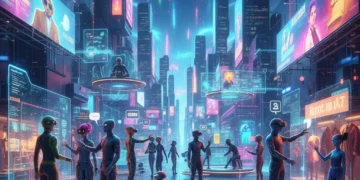
Beyond text-based forums and 2D social feeds, the metaverse promises a new dimension for future online communities: immersive, persistent virtual worlds. While a fully realized metaverse is still some years away, its foundational elements are already impacting how we conceive of digital interaction.
Beyond Avatars: Embodied Presence
The metaverse isn’t just about fancy avatars; it’s about the feeling of embodied presence. In 2026, many future online communities will offer more immersive ways to connect:
- Virtual Hangouts: Imagine attending a community event, workshop, or casual meet-up in a shared virtual space, where you can move, interact, and converse with other members as if you were physically together.
- Shared Experiences: Communities centered around gaming, art, or education can leverage the metaverse to create truly interactive and collaborative experiences, from co-creating virtual projects to attending live virtual concerts.
- Spatial Audio and Visuals: Advanced VR/AR technologies will enhance the sense of presence, making conversations feel more natural and interactions more engaging.
This allows for a richer form of communication, where non-verbal cues and environmental context add layers of meaning that are often lost in traditional text or video calls. The future online communities will be more vibrant and engaging because of these immersive experiences.
Building Persistent Digital Worlds
The metaverse is not just a collection of disconnected virtual rooms; it’s about creating persistent digital worlds that communities can own, build upon, and inhabit. This brings a new level of permanence and identity to online spaces.
- Community-Owned Spaces: Through NFTs and virtual land ownership, communities can collectively own and develop their own digital headquarters, event venues, or creative studios within the metaverse.
- Economic Opportunities: The metaverse opens up new avenues for community-driven economies, where members can create, trade, and monetize digital assets and services within their shared virtual world.
- Enhanced Identity and Expression: Avatars become powerful extensions of identity, allowing for greater self-expression and the formation of unique sub-cultures within the broader community.
While accessibility and technological barriers remain, the trajectory towards more immersive future online communities is clear. These virtual spaces offer unprecedented opportunities for connection and collaboration, pushing the boundaries of what it means to be ‘together’ online.
The Importance of Niche and Purpose-Driven Communities
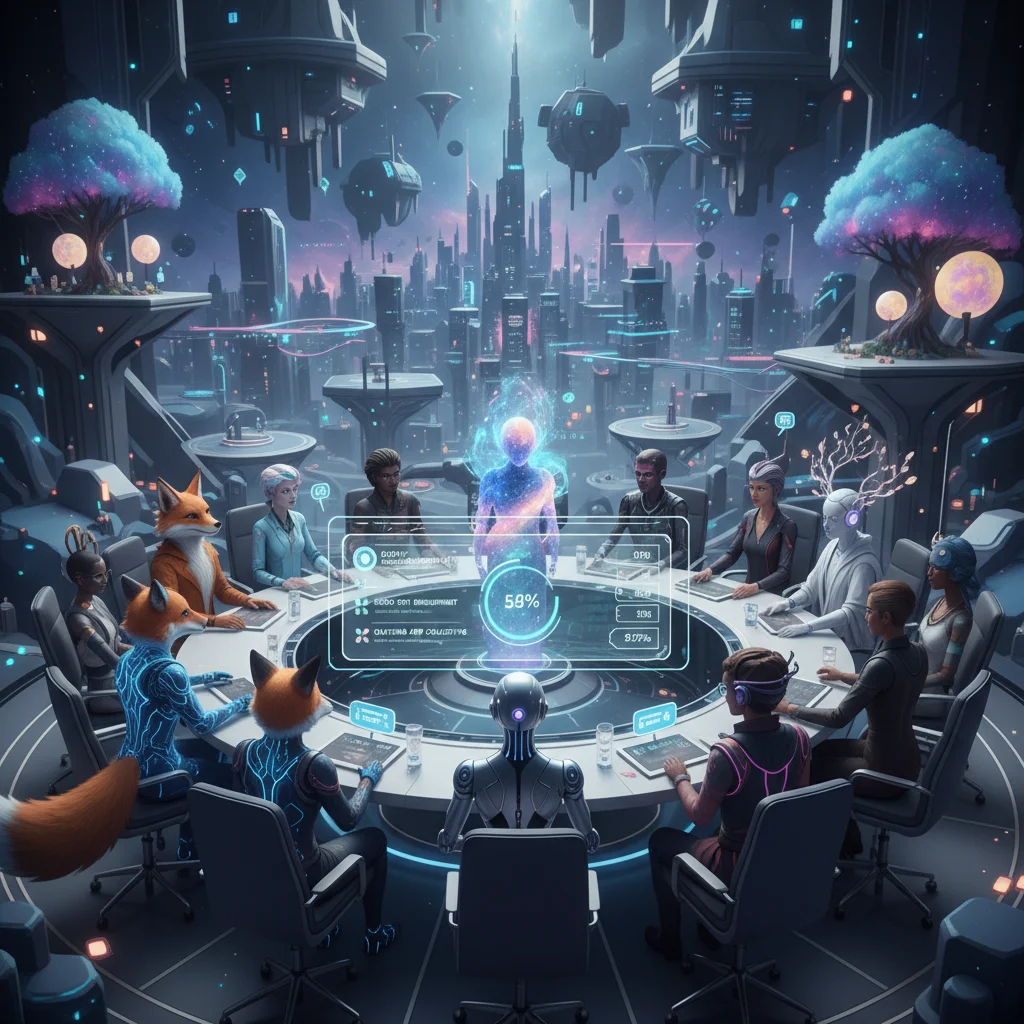
In an increasingly crowded digital landscape, the future online communities that will truly thrive in 2026 are those that embrace specificity and purpose. The era of generic, catch-all social networks is giving way to highly focused, niche communities built around shared passions, goals, or identities.
Finding Your Tribe: The Power of Specificity
As the internet matures, users are becoming more discerning about where they spend their time and attention. They are seeking spaces where they feel truly understood, where discussions are relevant, and where they can find genuine expertise and camaraderie. This drives the demand for niche communities.
Characteristics of thriving niche communities:
- Deep Engagement: Members are more likely to be deeply engaged when the content and discussions directly pertain to their core interests.
- High Quality Interactions: Specificity often leads to more informed and constructive conversations, as members share a common baseline of knowledge or experience.
- Stronger Identity: Being part of a niche community reinforces a sense of identity and belonging, fostering stronger bonds among members.
- Reduced Noise: By focusing on a specific topic, these communities naturally filter out irrelevant information and distractions.
Whether it’s a community for enthusiasts of a particular obscure hobby, professionals in a highly specialized field, or individuals navigating a unique life experience, the future online communities will find strength in their focused purpose.
Purpose-Driven Communities: Beyond Likes and Shares
Beyond niche interests, the most impactful future online communities will be those built around a clear, compelling purpose. This purpose can range from collective action and advocacy to mutual support and skill development. These communities are not just places to consume content; they are platforms for making a tangible difference, either in the lives of their members or in the wider world.
Examples of purpose-driven communities include:
- Support Groups: Providing a safe space for individuals facing similar challenges, offering emotional support and practical advice.
- Learning & Development Hubs: Communities dedicated to skill acquisition, professional development, or academic exchange, often featuring expert-led discussions and collaborative projects.
- Activist & Advocacy Networks: Mobilizing individuals around social, environmental, or political causes, facilitating information sharing and coordinated action.
- Creator Economies: Platforms where artists, writers, and other creators connect with their audience, collaborate, and build sustainable careers.
These communities offer more than just fleeting entertainment; they provide genuine value, foster personal growth, and enable collective impact. The future online communities will thrive by offering a clear ‘why’ that resonates deeply with their members.
Building Blocks of a Thriving Digital Space in 2026
While technology and trends are crucial, the enduring success of future online communities ultimately rests on fundamental principles of human interaction and community management. In 2026, these ‘soft skills’ will be more important than ever, adapted to the new digital landscape.
Authenticity and Trust
In an era of deepfakes and misinformation, authenticity is a precious commodity. Thriving future online communities will be built on a foundation of trust, where members feel safe to express themselves genuinely and where information is reliable. This requires transparent communication from community leaders, clear guidelines, and robust moderation practices that uphold integrity.
Empowerment and Contribution
Members who feel empowered to contribute and shape their community are more likely to remain engaged. This means creating opportunities for user-generated content, fostering peer-to-peer support, and involving members in decision-making processes (as seen with DAOs). The best communities are not just broadcast channels; they are collaborative ecosystems.
Accessibility and Inclusivity
A truly thriving digital space is one that is accessible to all, regardless of technical ability, physical limitations, or background. This means designing platforms with user-friendly interfaces, providing alternative formats for content, and actively working to create an inclusive culture where diverse perspectives are welcomed and respected. The future online communities will champion diversity.
Strong Leadership and Vision
Even in decentralized models, strong leadership is essential. This doesn’t necessarily mean a single authoritarian figure, but rather a collective of community builders who articulate a clear vision, set the tone, and actively nurture the community’s culture. They are the custodians of the community’s purpose and values.
Adaptability and Evolution
The digital landscape is constantly changing. Successful future online communities will be those that are agile and willing to adapt. This involves regularly soliciting feedback from members, experimenting with new features and technologies, and being prepared to pivot strategies when necessary. Stagnation is the enemy of growth in the online world.
The Challenges Ahead: Navigating the Complexities
While the future of online communities holds immense promise, it is not without its challenges. As technology advances, so do the complexities of managing digital spaces. Addressing these challenges proactively will be crucial for sustained success.
Combating Misinformation and Disinformation
The proliferation of misinformation remains a significant threat. While AI can assist in flagging problematic content, the nuanced nature of disinformation requires a multi-pronged approach involving critical thinking education, transparent fact-checking initiatives, and community-led efforts to promote accurate information. Future online communities must be vigilant.
Maintaining Privacy in a Data-Rich Environment
As personalization becomes more sophisticated, the line between helpful customization and privacy invasion can blur. Communities must prioritize user privacy, offering clear data policies and giving members granular control over their information. The ethical use of AI and data will be paramount.
Digital Well-being and Addiction
The immersive nature of future online communities, particularly with the rise of the metaverse, raises concerns about digital well-being and potential addiction. Responsible community design will incorporate features that encourage healthy usage patterns, offer tools for managing screen time, and promote a balanced digital life.
Bridging the Digital Divide
Technological advancements, especially in areas like Web3 and the metaverse, can exacerbate the digital divide if not carefully managed. Ensuring equitable access and providing educational resources for all potential members will be vital for fostering truly inclusive future online communities.
Conclusion: The Human Element Endures
The evolution of online communities towards 2026 is characterized by a fascinating convergence of cutting-edge technology and enduring human needs. AI will make these spaces smarter and more personalized, Web3 will empower users with ownership and decentralized governance, and the metaverse will offer unprecedented immersive experiences. Niche and purpose-driven approaches will cut through the noise, fostering deeper connections and greater impact. However, amidst all this technological marvel, the fundamental drivers of thriving communities remain the same: authenticity, trust, empowerment, inclusivity, and visionary leadership.
The future online communities will not just be platforms; they will be dynamic, living ecosystems where human connection is amplified and enriched by intelligent design. Success will belong to those who understand that technology is merely a tool, and the true magic lies in fostering genuine human interaction, shared purpose, and a sense of belonging in the digital age. As we look ahead, the most successful digital spaces will be those that master this delicate balance, creating environments where individuals can not only connect but truly thrive.