Personalized Digital Learning: Top 3 Platforms Revolutionizing Education by 2026
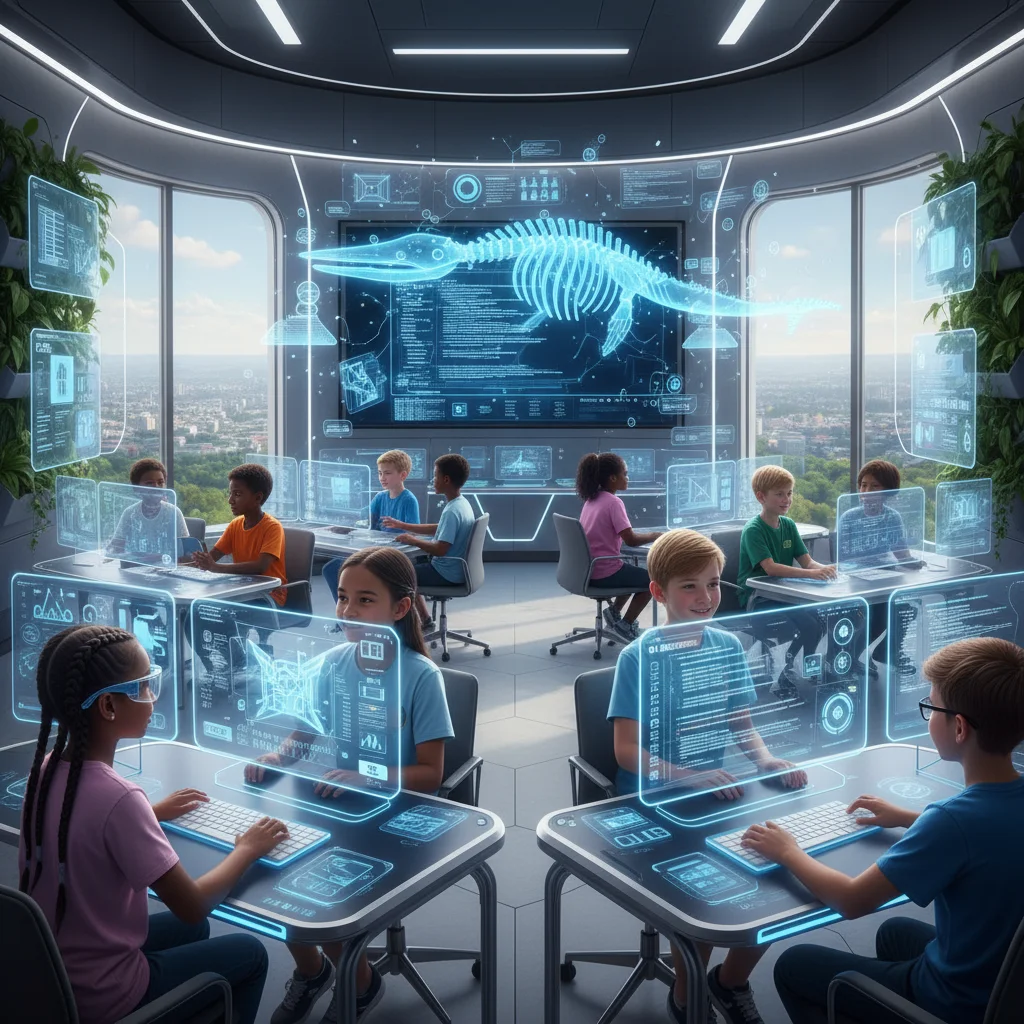
The landscape of education is undergoing a profound transformation, driven by technological advancements and a growing understanding of individual learning needs. The traditional one-size-fits-all model is rapidly being replaced by more dynamic, student-centric approaches. At the forefront of this revolution is Personalized Digital Learning, a paradigm that tailors educational content, pace, and methodology to each learner’s unique strengths, weaknesses, and preferences. By 2026, this approach is not just a trend but a fundamental shift, promising to unlock unprecedented academic potential and foster a genuine love for learning.
The promise of Personalized Digital Learning lies in its ability to adapt. Imagine a classroom where every student receives instruction perfectly suited to their current understanding, where challenges are presented just as they are ready for them, and where support is always available precisely when needed. This isn’t a futuristic fantasy; it’s the present and future reality being shaped by innovative digital platforms. These platforms leverage artificial intelligence (AI), machine learning, and vast datasets to create bespoke learning pathways, making education more effective, engaging, and equitable.
As we delve deeper into this exciting evolution, it’s crucial to identify the key players and technologies that are leading the charge. This article will explore the top three personalized digital learning platforms that are poised to revolutionize education by 2026, examining their unique features, impact, and what makes them stand out in an increasingly crowded EdTech market. From K-12 to higher education and professional development, these platforms are redefining what’s possible in learning.
The Evolution of Education: Why Personalized Digital Learning Matters
For centuries, education has largely followed a standardized model, assuming that all students learn at the same pace and in the same way. While this approach has its merits, it often leaves a significant portion of learners behind or fails to adequately challenge those who grasp concepts more quickly. The advent of digital technology, particularly the internet and advanced computing, has opened the door to a more nuanced and effective approach: Personalized Digital Learning.
The core philosophy behind personalized learning is simple yet powerful: every student is an individual with distinct learning patterns, prior knowledge, and motivational drivers. Digital platforms are uniquely positioned to address this individuality. They can collect data on student performance, identify areas of struggle, recommend tailored resources, and even adjust the difficulty of assignments in real-time. This adaptive capability transforms the learning experience from a passive reception of information into an active, guided exploration.
Moreover, personalized digital learning platforms offer unparalleled flexibility and accessibility. Students can often learn at their own pace, outside traditional classroom hours, and from virtually any location. This is particularly vital in a world that increasingly values lifelong learning and requires continuous skill development. For educators, these platforms provide invaluable insights into student progress, allowing them to intervene effectively and focus their efforts where they are most needed. The shift towards Personalized Digital Learning is not just about technology; it’s about fostering deeper understanding, greater engagement, and ultimately, more successful learners.
Criteria for Identifying Leading Personalized Digital Learning Platforms
To identify the top 3 personalized digital learning platforms revolutionizing education by 2026, we’ve established a rigorous set of criteria. These benchmarks ensure that the platforms selected are not only innovative but also impactful, scalable, and sustainable. The goal is to highlight solutions that genuinely push the boundaries of what Personalized Digital Learning can achieve.
1. Adaptive Learning Technology and AI Integration
At the heart of any effective personalized learning platform is its ability to adapt. This means leveraging sophisticated AI and machine learning algorithms to assess student proficiency, identify learning gaps, and deliver content that is precisely matched to their needs. A leading platform should offer dynamic content delivery, intelligent tutoring systems, and predictive analytics to anticipate student challenges and provide proactive support. The AI should not just recommend; it should learn and evolve with the student.
2. Comprehensive Content and Curriculum Coverage
A truly revolutionary platform must offer a broad and deep repository of high-quality educational content. This includes interactive lessons, multimedia resources, practice exercises, and assessments that align with various curricula and learning objectives. The content should be engaging, up-to-date, and accessible across different academic levels and subject matters, from foundational skills to advanced topics. The breadth and quality of content directly impact the platform’s utility and effectiveness in delivering comprehensive Personalized Digital Learning experiences.
3. User Experience and Engagement
Even the most advanced technology will fall short if it’s not user-friendly. Top platforms prioritize intuitive interfaces for both students and educators. For students, this means engaging design, clear navigation, and features that foster motivation and a sense of accomplishment. For educators, it includes robust dashboards, easy content customization tools, and seamless integration with existing learning management systems (LMS). High engagement is crucial for sustained learning and the successful implementation of Personalized Digital Learning.
4. Data Analytics and Reporting for Educators and Parents
Effective personalization relies on data. Leading platforms provide powerful analytics and reporting tools that offer actionable insights into student performance, progress, and engagement. Educators should be able to identify trends, pinpoint areas where students struggle, and understand the effectiveness of different instructional strategies. Similarly, parents should have access to clear, understandable reports that keep them informed about their child’s academic journey. This transparency and data-driven feedback loop are essential for continuous improvement in Personalized Digital Learning environments.
5. Scalability and Accessibility
A platform designed to revolutionize education must be scalable, capable of serving a wide range of users from individual learners to large educational institutions. It should also be highly accessible, supporting diverse learning needs, including those with disabilities, and offering compatibility across various devices and operating systems. Global reach and multilingual support are also important considerations for platforms aiming for widespread impact.
6. Pedagogical Soundness and Research-Backed Effectiveness
Finally, the most impactful platforms are built on sound pedagogical principles and are backed by research demonstrating their effectiveness. They should align with modern learning theories, promote critical thinking, problem-solving, and collaboration. Evidence of improved learning outcomes, student retention, and educator satisfaction are strong indicators of a platform’s revolutionary potential in Personalized Digital Learning.
By applying these stringent criteria, we can confidently identify the platforms that are not just innovative but are truly making a difference in shaping the future of education.
Top 3 Personalized Digital Learning Platforms Revolutionizing Education by 2026
Based on our comprehensive criteria, the following three platforms stand out as pioneers in the field of Personalized Digital Learning, each bringing unique strengths and innovative approaches to the educational landscape.
1. <strong>CogniLearn AI</strong>: The Adaptive Learning Powerhouse
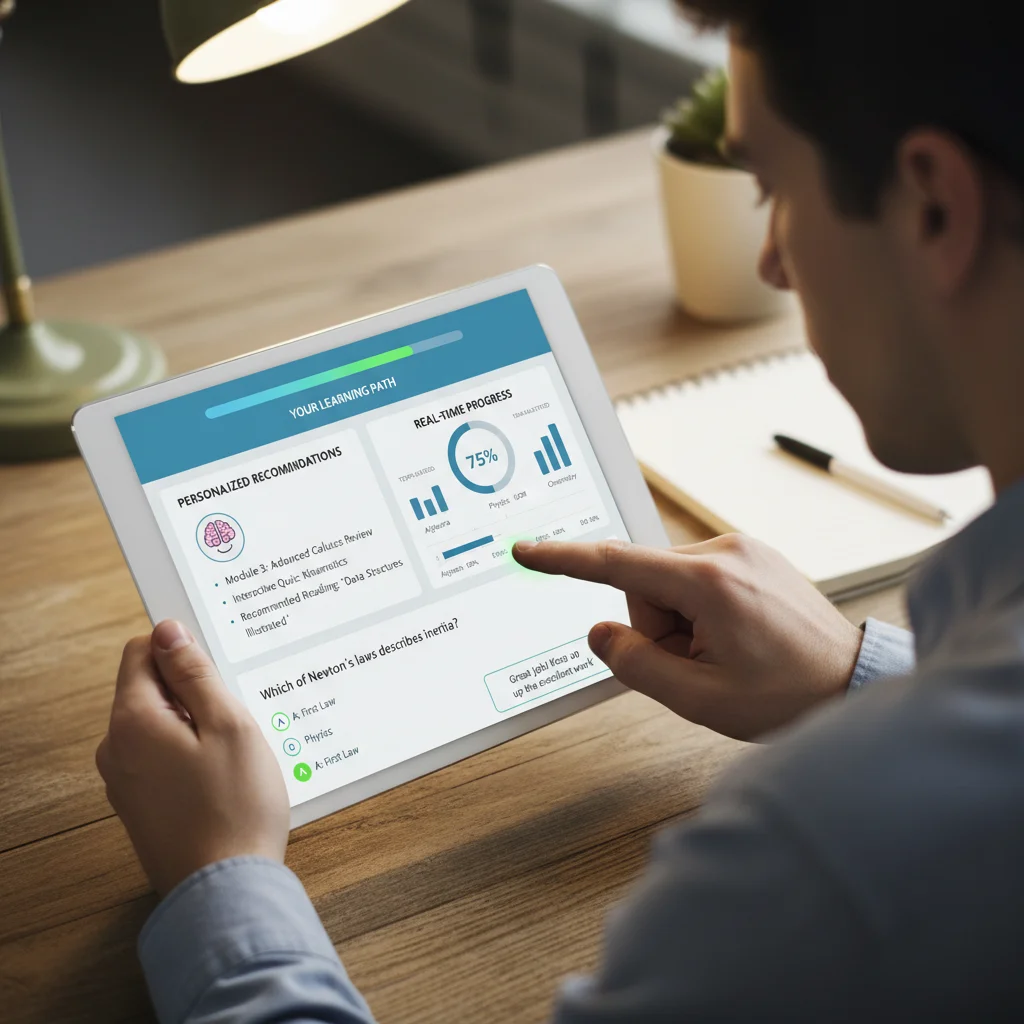
Overview: CogniLearn AI is rapidly gaining recognition as a leader in adaptive learning, leveraging cutting-edge artificial intelligence to create truly individualized learning paths. Its core strength lies in its sophisticated AI engine, which not only tracks student progress but also understands their cognitive patterns, preferred learning styles, and even emotional states to optimize content delivery. By 2026, CogniLearn AI is projected to be a dominant force in K-12 and early college education, particularly in STEM subjects.
Key Features and Innovations:
- Dynamic Content Adaptation: CogniLearn AI’s algorithms continuously analyze student responses, engagement levels, and biometric data (where ethically permissible and available) to adjust the difficulty, format, and sequence of learning materials in real-time. If a student struggles with a concept, the platform provides immediate, targeted remediation, often through a different instructional approach (e.g., video, interactive simulation, text).
- AI-Powered Tutoring Bots: The platform integrates intelligent tutoring bots that can answer student questions, provide hints, and guide them through complex problems, mimicking the interaction with a human tutor. These bots are designed to foster independent problem-solving rather than simply providing answers.
- Predictive Analytics for Intervention: CogniLearn AI excels at identifying students at risk of falling behind before they even realize it. Its predictive models alert educators to potential learning roadblocks, allowing for timely human intervention and personalized support strategies. This proactive approach is a game-changer for student retention and success.
- Personalized Goal Setting and Progress Tracking: Students are empowered to set their own learning goals, which the AI then helps them achieve through customized pathways. A clear, gamified interface tracks progress, celebrating milestones and maintaining motivation.
- Extensive Content Library: Boasting a vast and constantly updated library of curriculum-aligned content across multiple subjects, CogniLearn AI ensures that learners have access to diverse and high-quality resources. Content is often presented in multiple modalities to cater to different learning styles.
Impact and Future Outlook: CogniLearn AI’s focus on deep personalization and predictive capabilities is setting new standards for academic support. Its integration into various school systems is showing significant improvements in student test scores, engagement, and confidence. By 2026, expect CogniLearn AI to expand its reach into professional development and corporate training, demonstrating the universal applicability of its Personalized Digital Learning model.
2. <strong>SkillTree Global</strong>: The Competency-Based Learning Innovator
Overview: SkillTree Global is revolutionizing education by shifting the focus from time-based learning to competency-based mastery. This platform is designed for learners who thrive on demonstrating practical skills and understanding concepts thoroughly before moving on. It’s particularly impactful in higher education, vocational training, and corporate upskilling, where demonstrable skills are paramount. SkillTree Global is transforming how individuals acquire and validate their expertise, making Personalized Digital Learning synonymous with career readiness.
Key Features and Innovations:
- Mastery-Based Progression: Unlike traditional systems, students on SkillTree Global progress only when they have demonstrated mastery of a specific skill or concept. This ensures a solid foundational understanding, preventing knowledge gaps from accumulating. The platform provides infinite opportunities for practice and re-assessment until mastery is achieved.
- Granular Skill Mapping: The platform breaks down complex subjects into hundreds of discrete skills, each with its own learning resources and assessment criteria. Students can visualize their skill development path, identify areas for improvement, and track their progress towards certifications or degrees.
- Project-Based Learning Modules: SkillTree Global emphasizes practical application through real-world projects and simulations. Learners apply their acquired skills in authentic contexts, fostering deeper understanding and critical thinking. These projects are often peer-reviewed and instructor-evaluated.
- Digital Credentialing and Micro-Certifications: Upon mastering specific skill sets, learners receive digital badges and micro-certifications that are verifiable and shareable, providing tangible proof of their competencies to potential employers or academic institutions. This is a significant step towards a more flexible and recognized credentialing system.
- Personalized Learning Pathways to Career Goals: The platform uses AI to recommend learning pathways based on a student’s stated career aspirations, current skill set, and market demand for specific competencies. It acts as a personalized career coach, guiding learners toward relevant and valuable skills.
Impact and Future Outlook: SkillTree Global is addressing the critical need for a workforce equipped with relevant, verifiable skills. Its competency-based approach is reducing time-to-completion for many programs and significantly improving employability rates. By 2026, SkillTree Global is expected to play a pivotal role in bridging the skills gap in various industries and reshaping how universities and companies design their curricula and training programs, making Personalized Digital Learning a direct pathway to professional success.
3. <strong>SynergyEd Connect</strong>: The Collaborative Personalization Platform
Overview: SynergyEd Connect takes Personalized Digital Learning beyond individual adaptation by integrating robust collaborative tools and community-driven learning. While still providing individualized pathways, its unique strength lies in fostering peer-to-peer learning, group projects, and social interaction within a personalized framework. This platform is particularly effective in environments that value teamwork, communication, and diverse perspectives, from hybrid classrooms to global online communities.
Key Features and Innovations:
- AI-Powered Group Formation: SynergyEd Connect’s AI intelligently groups students for collaborative projects based on complementary strengths, learning styles, and even geographical location to facilitate diverse and effective teamwork. It also monitors group dynamics and suggests interventions if necessary.
- Personalized Collaborative Tasks: While working in groups, each student receives personalized tasks and roles that align with their individual learning objectives and contribute to the collective project. This ensures that even within a group setting, individual needs are met.
- Integrated Communication and Project Management Tools: The platform offers a full suite of tools for seamless communication (chat, video conferencing), document sharing, and project management, making collaborative learning efficient and effective.
- Peer Feedback and Moderation: Students are encouraged to provide constructive feedback to their peers, which is then analyzed by AI to ensure quality and provide additional insights. AI-powered moderation helps maintain a positive and productive learning environment.
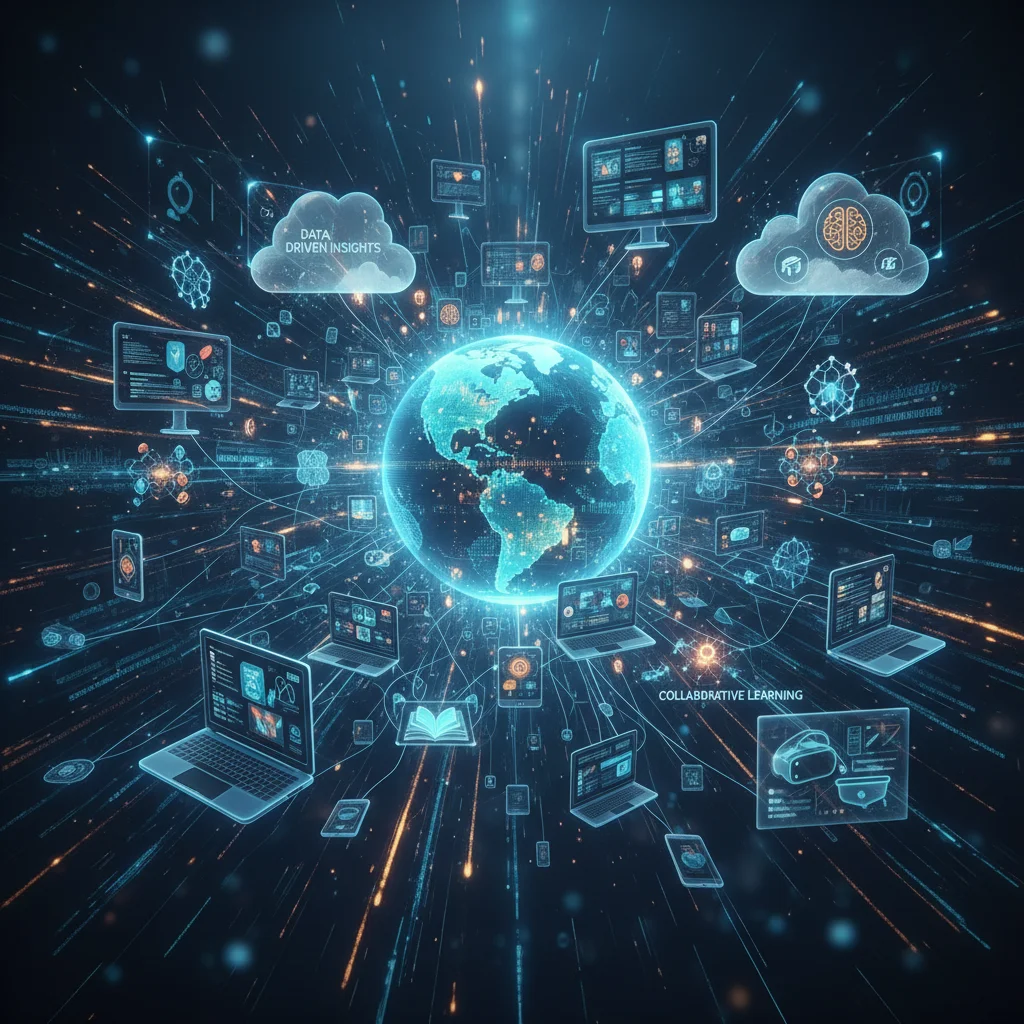
- Global Learning Communities: SynergyEd Connect facilitates connections between learners from different cultures and backgrounds, enabling cross-cultural collaboration and broadening perspectives. This global reach enhances the richness of the Personalized Digital Learning experience.
- Educator-Led Customization and Oversight: Educators have powerful tools to design, oversee, and assess collaborative learning experiences. They can customize group assignments, monitor individual contributions within groups, and provide targeted feedback.
Impact and Future Outlook: SynergyEd Connect is proving that personalized learning doesn’t have to be isolating. By seamlessly blending individual adaptation with social learning, it’s preparing students for a world where collaboration is key. It’s particularly impactful in fostering soft skills like communication, leadership, and problem-solving. By 2026, SynergyEd Connect is expected to be a staple in blended learning environments and global online courses, demonstrating that Personalized Digital Learning can also be deeply social and collaborative.
The Broader Impact of Personalized Digital Learning on Education
The rise of these innovative platforms signifies more than just technological advancement; it heralds a fundamental shift in educational philosophy and practice. Personalized Digital Learning is not merely an enhancement; it’s a recalibration of how we approach teaching and learning, with far-reaching implications for students, educators, and the entire educational ecosystem.
Empowering Students with Agency and Ownership
One of the most significant impacts is the empowerment of students. When learning is personalized, students gain greater agency over their educational journey. They move from being passive recipients of information to active participants in their own learning process. This ownership fosters intrinsic motivation, resilience, and a lifelong love for learning. Students learn to identify their learning styles, set goals, track progress, and advocate for their needs, skills that are invaluable far beyond the classroom.
Transforming the Role of Educators
For educators, Personalized Digital Learning platforms are not replacements but powerful tools that augment their capabilities. The role of the teacher evolves from a disseminator of information to a facilitator, mentor, and guide. With administrative tasks automated and data insights readily available, educators can focus more on individualized student support, critical thinking instruction, and fostering socio-emotional development. They can identify struggling students earlier, challenge advanced learners more effectively, and innovate their pedagogical approaches.
Addressing Equity and Accessibility Gaps
Personalized Digital Learning has immense potential to address long-standing equity and accessibility gaps in education. By providing tailored content and support, these platforms can help level the playing field for students from diverse backgrounds, with varying learning abilities, and in remote locations. Resources that were once scarce can now be personalized and delivered to anyone with an internet connection, breaking down geographical and socio-economic barriers to quality education.
Fostering 21st-Century Skills
Beyond academic content, these platforms are inherently designed to cultivate critical 21st-century skills. Problem-solving, critical thinking, digital literacy, collaboration, and adaptability are woven into the fabric of personalized digital learning experiences. As students navigate adaptive pathways, engage in project-based learning, and collaborate with peers globally, they are not just acquiring knowledge but developing the competencies essential for success in an ever-evolving world.
Data-Driven Educational Improvement
The vast amounts of data generated by personalized digital learning platforms offer unprecedented opportunities for continuous educational improvement. Educators, administrators, and policymakers can leverage these insights to refine curricula, optimize instructional strategies, and make data-informed decisions about resource allocation. This data-driven approach fosters a cycle of innovation and refinement, ensuring that educational systems are constantly evolving to meet the needs of learners.
Challenges and Considerations for Widespread Adoption
While the future of Personalized Digital Learning is bright, its widespread adoption is not without challenges. Addressing these considerations is crucial for realizing the full potential of these revolutionary platforms.
Digital Divide and Access
Despite advancements, the digital divide remains a significant hurdle. Not all students have reliable access to high-speed internet, suitable devices, or a conducive home learning environment. Ensuring equitable access to personalized digital learning requires concerted efforts from governments, educational institutions, and communities to provide infrastructure and support.
Teacher Training and Professional Development
The shift to personalized digital learning demands new skills and pedagogical approaches from educators. Adequate and ongoing professional development is essential to equip teachers with the expertise to effectively integrate these platforms, interpret data, and facilitate personalized learning experiences. Without proper training, even the best platforms may not achieve their intended impact.
Data Privacy and Security
Personalized Digital Learning platforms collect vast amounts of student data. Ensuring the privacy, security, and ethical use of this sensitive information is paramount. Robust data protection policies, transparent practices, and adherence to regulatory standards are critical to building trust and protecting learners.
Content Quality and Curriculum Alignment
The effectiveness of personalized learning heavily relies on the quality and relevance of the digital content. Platforms must ensure their content is pedagogically sound, culturally sensitive, and aligned with diverse curriculum standards. Continuous content development and curation are necessary to keep pace with evolving educational needs.
Integration with Existing Systems
For seamless adoption, personalized digital learning platforms must integrate smoothly with existing school and university IT infrastructures, including learning management systems (LMS), student information systems (SIS), and other educational tools. Interoperability is key to reducing friction and maximizing utility.
Cost and Funding
Implementing and maintaining advanced personalized digital learning platforms can be costly. Sustainable funding models are needed to ensure that these technologies are accessible to all educational institutions, regardless of their budget constraints. This may involve public-private partnerships, grant funding, and innovative financing strategies.
The Road Ahead: What to Expect by 2026 and Beyond
By 2026, Personalized Digital Learning will no longer be a niche concept but a mainstream approach in educational institutions worldwide. We can anticipate several key developments:
- Hyper-Personalization: AI will become even more sophisticated, offering hyper-personalized experiences that consider not just academic performance but also emotional intelligence, cognitive load, and even career aspirations in real-time.
- Ubiquitous Integration: Personalized learning tools will be seamlessly integrated into everyday classroom activities, blurring the lines between traditional and digital learning environments.
- Increased Interoperability: Platforms will become more interconnected, allowing for smoother data exchange and a more holistic view of a student’s learning journey across different tools and institutions.
- Focus on Soft Skills: While academic content remains crucial, there will be an increased emphasis on using personalized digital learning to develop critical soft skills, such as creativity, collaboration, and ethical reasoning.
- Global Collaboration: Platforms like SynergyEd Connect will facilitate more international learning experiences, connecting students and educators across borders for truly global educational endeavors.
- Lifelong Learning Ecosystems: The concept of personalized learning will extend beyond formal education, supporting individuals in continuous upskilling and reskilling throughout their careers.
The revolution is well underway, and the platforms discussed here are just the vanguard. As technology continues to evolve, so too will our ability to create truly bespoke, effective, and empowering learning experiences for every individual. The future of education is personalized, digital, and incredibly promising.
Conclusion
The journey towards a fully personalized educational experience is one of the most exciting and impactful transformations of our time. Personalized Digital Learning, driven by the ingenuity of platforms like CogniLearn AI, SkillTree Global, and SynergyEd Connect, is reshaping how we conceive of teaching and learning. These platforms are not just offering new tools; they are embodying a new philosophy that puts the individual learner at the center of the educational universe.
By 2026, the impact of these innovations will be palpable, leading to more engaged students, more effective educators, and a more equitable and accessible educational system for all. While challenges in implementation and access remain, the undeniable benefits of tailoring education to individual needs are propelling us towards a future where every learner can reach their full potential. The revolution in Personalized Digital Learning is not just coming; it’s already here, and it’s poised to redefine education for generations to come.