Smart Home Integration 2026: Achieving Seamless Digital Living
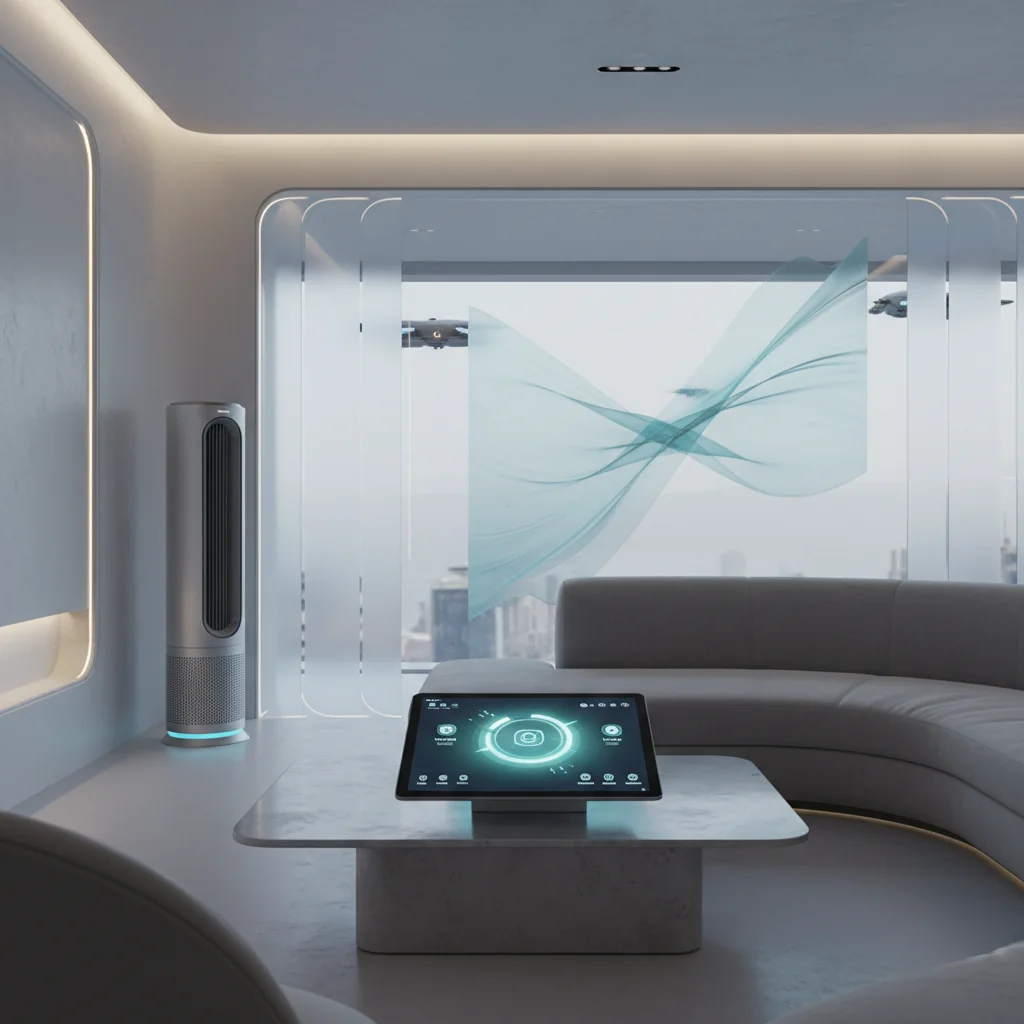
The concept of a ‘smart home’ has evolved dramatically over the past decade, transforming from a niche luxury to an increasingly accessible and desirable reality. As we approach 2026, the landscape of home automation is set to become even more sophisticated, offering unprecedented levels of convenience, efficiency, and security. The true power of a smart home lies not just in individual smart devices, but in their seamless smart home integration. This article delves into what smart home integration will look like in 2026, focusing on the five key devices that will be pivotal in creating a truly intelligent and interconnected living space, along with strategies to achieve this digital harmony.
The Evolution of Smart Home Integration: What to Expect by 2026
Gone are the days when a smart home meant merely controlling lights with a smartphone. By 2026, smart home integration will signify a holistic ecosystem where devices communicate effortlessly, anticipate needs, and adapt to lifestyles without constant manual input. This shift is driven by advancements in Artificial Intelligence (AI), Machine Learning (ML), and the Internet of Things (IoT), leading to more proactive and intuitive home environments. The goal is to move beyond mere automation to true environmental intelligence, where your home understands and responds to your presence, preferences, and even your mood.
Beyond Basic Connectivity: The Rise of Cognitive Homes
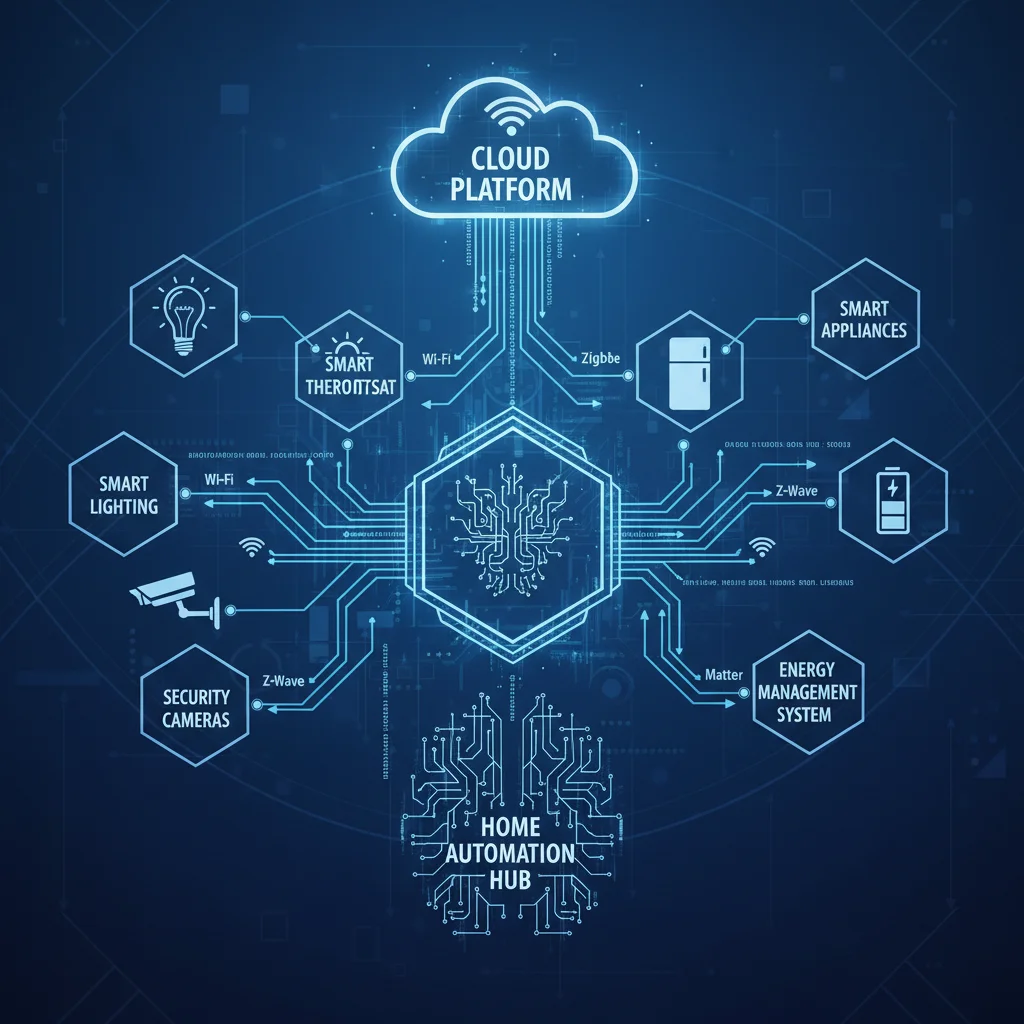
In the coming years, homes will not just be connected; they will be cognitive. This means systems will learn from your routines, optimize energy consumption based on predictive analytics, and even monitor your well-being through integrated sensors. The emphasis will be on creating a truly personalized experience, where every device contributes to a larger, unified intelligence. This advanced level of smart home integration will require robust communication protocols and a central intelligence layer capable of orchestrating complex interactions between disparate devices and platforms.
The Imperative of Interoperability in Smart Home Integration
One of the biggest hurdles in current smart home adoption is the fragmentation of ecosystems. Different brands often operate on different standards, making seamless smart home integration a challenge. However, by 2026, industry efforts towards universal interoperability standards like Matter and Thread will have matured significantly. This will allow devices from various manufacturers to communicate and work together seamlessly, simplifying setup, expanding possibilities, and reducing consumer frustration. The ability for devices to ‘speak the same language’ is fundamental to unlocking the full potential of a truly integrated smart home.
The 5 Key Devices Driving Smart Home Integration in 2026
While countless smart devices exist, certain categories are poised to become the foundational pillars of smart home integration by 2026. These devices, when integrated effectively, will create the most impactful and transformative smart home experiences.
1. Advanced Central Smart Home Hubs with Edge AI
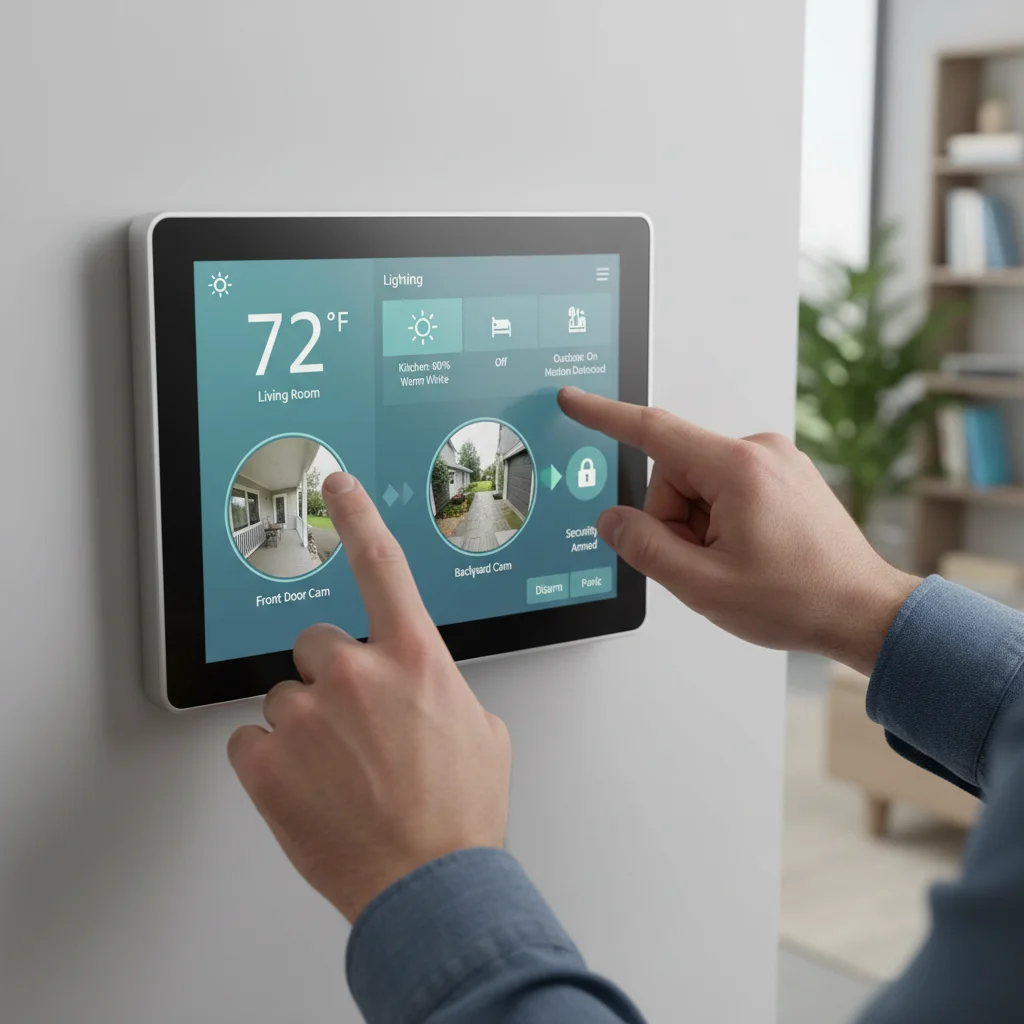
The smart home hub will evolve beyond a simple control point to become the brain of the entire ecosystem. By 2026, these hubs will incorporate powerful edge AI capabilities, allowing for faster, more private, and more reliable processing of data directly within the home, reducing reliance on cloud computing for everyday tasks. These hubs will be multimodal, responding to voice commands, gestures, and even biometric inputs, offering a truly intuitive interface for managing your entire home. They will be the ultimate orchestrator of smart home integration, ensuring all devices work in concert.
- Key Features: Local AI processing, advanced natural language understanding, multimodal interaction (voice, touch, gesture), proactive automation based on learned patterns, robust security features.
- Impact on Integration: Acts as the central nervous system, translating commands and data between diverse devices and platforms, enabling complex routines and predictive actions without latency.
2. Biometric and Context-Aware Security Systems
Home security in 2026 will be far more sophisticated than today’s motion sensors and door contacts. Integrated security systems will leverage facial recognition, gait analysis, and even thermal imaging to identify residents and visitors with high accuracy. These systems will be deeply integrated with lighting, climate control, and entertainment systems, creating dynamic responses to security events. For example, an unrecognized face at the door could trigger specific lighting sequences, audio alerts, and send real-time video feeds to your devices, all orchestrated through seamless smart home integration.
- Key Features: Advanced biometric authentication, AI-powered anomaly detection, integrated perimeter defense (drones, smart sprinklers), automated emergency response protocols, privacy-focused data handling.
- Impact on Integration: Provides unparalleled security and peace of mind by linking access control, surveillance, and environmental responses into a cohesive, intelligent defense system.
3. Adaptive Smart Lighting & Circadian Rhythm Integration
Smart lighting will move beyond mere color changes and dimming. By 2026, advanced smart lighting systems will automatically adjust not only brightness and color temperature but also spectral output to mimic natural light cycles, supporting human circadian rhythms. This will improve sleep, mood, and productivity. These systems will be deeply integrated with occupancy sensors, smart thermostats, and even personal health trackers to create optimal lighting environments throughout the day, showcasing a highly personalized form of smart home integration.
- Key Features: Circadian rhythm synchronization, dynamic spectral tuning, proactive occupancy-based control, energy harvesting capabilities, seamless integration with health and wellness platforms.
- Impact on Integration: Enhances well-being and energy efficiency by harmonizing lighting with human biology and environmental conditions, making lighting a truly intelligent and adaptive element of the home.
4. Predictive Smart Climate Control & Air Quality Management
Smart thermostats are already common, but by 2026, climate control systems will be far more proactive and comprehensive. They will integrate with hyper-local weather forecasts, window/door sensors, air quality monitors (detecting VOCs, pollen, CO2), and even personal preferences learned over time. These systems will pre-cool or pre-heat spaces, purify air based on real-time data, and optimize humidity levels, all while minimizing energy consumption. This level of environmental control is a prime example of sophisticated smart home integration.
- Key Features: AI-driven predictive climate optimization, multi-zone air quality monitoring and purification, integration with external environmental data, energy consumption analytics and optimization, silent operation.
- Impact on Integration: Creates a consistently comfortable and healthy indoor environment, automatically adjusting to external conditions and internal occupancy, while significantly reducing energy waste.
5. Integrated Smart Energy Management Systems (EMS)
As energy costs rise and sustainability becomes a greater concern, intelligent energy management systems will be crucial. By 2026, these systems will monitor real-time energy consumption of all connected devices, integrate with smart grids, solar panels, and home battery storage solutions. They will automatically shift energy usage to off-peak hours, prioritize renewable sources, and even sell excess energy back to the grid. This level of energy intelligence will be deeply embedded in the broader smart home integration strategy, offering both financial savings and environmental benefits.
- Key Features: Real-time energy monitoring and reporting, smart grid connectivity, solar and battery storage integration, automated load shifting, proactive energy saving recommendations.
- Impact on Integration: Optimizes energy usage across the entire home, reducing utility bills and carbon footprint, and fostering greater energy independence and resilience.
Strategies for Achieving Seamless Smart Home Integration in 2026
While the devices themselves are impressive, true seamlessness comes from thoughtful planning and strategic implementation of smart home integration. Here are key strategies to consider:
Start with a Strong Foundation: The Network is Key
A robust and reliable home network is the bedrock of any successful smart home integration. By 2026, Wi-Fi 7 and advanced mesh networking solutions will be standard, providing ultra-fast speeds, low latency, and extensive coverage. Invest in a high-quality router and consider a mesh system to eliminate dead zones, ensuring every smart device has a stable connection. Without a solid network, even the most advanced devices will struggle to communicate effectively.
Embrace Open Standards and Interoperability
As mentioned, the future of smart home integration hinges on interoperability. When purchasing new devices, prioritize those that support open standards like Matter, Thread, and Zigbee. This ensures compatibility across brands and future-proofs your smart home ecosystem, allowing for greater flexibility and avoiding vendor lock-in. Researching device compatibility before purchase will save significant headaches down the line.
Plan Your Automation Routines Thoughtfully
The real magic of smart home integration lies in its ability to automate tasks. Think about your daily routines and identify opportunities for automation. Start simple: ‘Good Morning’ routines that gradually open blinds, turn on lights, and start the coffee maker. Then, build up to more complex scenarios like ‘Away’ modes that arm security, adjust thermostats, and turn off unnecessary lights. Leveraging the learning capabilities of your central hub will allow these routines to become increasingly sophisticated and personalized over time.
Prioritize Security and Privacy from Day One
As more devices connect to your home network and collect data, security and privacy become paramount. Implement strong, unique passwords for all devices and your Wi-Fi network. Enable two-factor authentication wherever possible. Regularly update device firmware to patch vulnerabilities. Choose brands with a strong reputation for data privacy and transparent policies. A secure smart home is a trusted smart home, and robust security is integral to responsible smart home integration.
Consider Professional Installation for Complex Systems
While many smart devices are plug-and-play, achieving truly seamless and optimized smart home integration, especially for larger homes or complex systems like whole-home audio or advanced security, might benefit from professional installation. Experts can ensure proper configuration, network optimization, and create custom automations that perfectly fit your lifestyle, often uncovering possibilities you might not have considered.
Regularly Review and Optimize Your Ecosystem
Technology evolves rapidly, and your smart home ecosystem should too. Periodically review your automations, device performance, and energy usage. Look for new device updates or integrations that can enhance your experience. As your habits change, so too should your smart home respond. Continuous optimization ensures your smart home integration remains efficient, relevant, and truly intelligent.
The Benefits of Seamless Smart Home Integration
The rewards of a well-integrated smart home extend far beyond mere convenience:
- Enhanced Comfort and Convenience: Your home anticipates your needs, adjusting lighting, temperature, and entertainment automatically.
- Improved Security and Peace of Mind: Advanced security systems provide proactive protection and real-time monitoring, ensuring your home and family are safe.
- Significant Energy Efficiency: Intelligent energy management and climate control systems reduce waste, lowering utility bills and environmental impact.
- Personalized Wellness: Circadian lighting and air quality management contribute to a healthier living environment, promoting better sleep and overall well-being.
- Increased Property Value: A truly smart and integrated home is a highly desirable asset in the modern real estate market.
- Future-Proofing Your Home: By embracing open standards and a modular approach to smart home integration, you build a system that can adapt and grow with future technological advancements.
Challenges and Considerations for Smart Home Integration
Despite the immense potential, there are still challenges to navigate:
- Cost: While prices are decreasing, building a comprehensive smart home ecosystem still requires a significant initial investment.
- Complexity: Setting up and managing numerous interconnected devices can be daunting for some users, highlighting the need for intuitive interfaces and simplified integration processes.
- Data Privacy Concerns: The collection of personal data by smart devices raises legitimate privacy questions. Users must be diligent in understanding data policies and securing their networks.
- Reliability and Downtime: A dependency on internet connectivity and cloud services means that outages can disrupt smart home functionality. Edge AI helps mitigate this but doesn’t eliminate it entirely.
- Obsolescence: Rapid technological advancements mean devices can become outdated quickly. Choosing reputable brands with good software support is crucial.
Addressing these challenges will be critical for widespread adoption and the continued evolution of seamless smart home integration.
The Future is Integrated: Your Home, Your Intelligent Assistant
By 2026, the concept of a ‘dumb’ home will be a relic of the past. Homes will be active participants in our lives, acting as intelligent assistants that manage our environments, protect our families, and contribute to our well-being. The seamless smart home integration of key devices will not just be about convenience; it will be about creating a truly responsive, adaptive, and intuitive living space that enhances every aspect of daily life. The journey towards this cognitive home is exciting, filled with innovation, and promises a future where our homes work smarter, so we can live better.
Embracing these advancements and strategically planning your smart home integration will ensure you’re not just living in a connected house, but in a truly intelligent and future-ready home.