The year 2026 stands at a critical juncture, marked by an increasingly complex phenomenon: the Generational Divide 2026. This isn’t merely about differences in slang or fashion choices; it delves into fundamental disparities in values, priorities, and worldviews that are emerging and deepening across age groups. From Baby Boomers to Gen Z, each generation has been shaped by unique historical contexts, technological advancements, and socio-economic landscapes, leading to distinct perspectives on everything from work and family to politics and the environment. These diverging values are not just personal preferences; they are actively shaping societal norms, influencing policy-making, and, critically, impacting the very fabric of national cohesion. Understanding this Generational Divide 2026 is paramount for any society aiming for unity and sustainable progress.
The concept of a ‘generational divide’ is not new. Throughout history, older and younger generations have often found themselves at odds, a natural consequence of evolving societies. However, the pace of change in the 21st century, particularly driven by rapid technological advancements and global interconnectedness, has amplified these differences to an unprecedented degree. The digital native Gen Z, for instance, operates with a fundamentally different understanding of information, community, and privacy than their Baby Boomer grandparents. Millennials, caught between analog and digital worlds, navigate a unique set of challenges and opportunities. Gen X, often dubbed the ‘sandwich generation,’ juggles responsibilities to both older and younger generations while forging their own path.
The aim of this comprehensive article is to dissect the multifaceted nature of the Generational Divide 2026. We will explore the core values that define each major age group, analyze how these differences manifest in various aspects of national life – from the workplace and political arena to social justice movements and consumer behavior – and critically examine the potential consequences for national cohesion. More importantly, we will delve into actionable strategies and innovative approaches that can help bridge these divides, fostering a more understanding, collaborative, and unified society. As we look towards 2026 and beyond, addressing the generational divide is not just an academic exercise; it is an imperative for building a resilient and harmonious future for all.
The Generational Landscape in 2026: Defining the Cohorts
To truly grasp the Generational Divide 2026, it is essential to first understand the distinct characteristics and formative experiences of the generations currently coexisting and interacting. While exact birth years can vary slightly depending on the source, the generally accepted cohorts are:
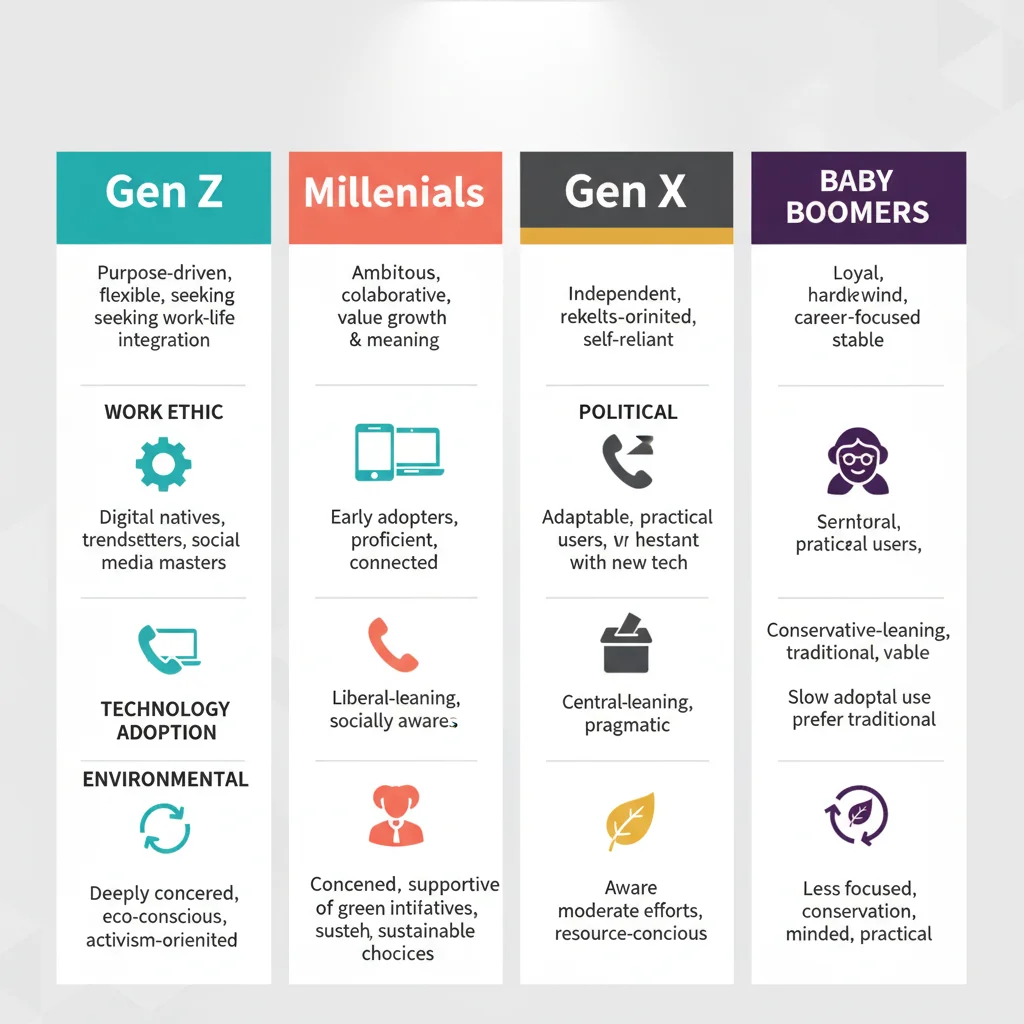
- Baby Boomers (born roughly 1946-1964): Shaped by post-World War II prosperity, the Cold War, and significant social movements like civil rights and women’s liberation, Boomers often value loyalty, hard work, and traditional institutions. They witnessed a period of significant economic growth and societal change, which often instilled a sense of optimism and a belief in collective action. Their patriotism was often linked to national achievements and a strong sense of community.
- Generation X (born roughly 1965-1980): Growing up in an era of increasing divorce rates, latchkey kids, and the rise of personal computing, Gen Xers are often characterized by independence, skepticism towards authority, and a pragmatic approach. They are often seen as resourceful and adaptable, bridging the gap between analog and digital worlds. Their values frequently lean towards self-reliance and work-life balance, having observed their Boomer parents’ dedication to work.
- Millennials (Generation Y, born roughly 1981-1996): The first truly digital native generation, Millennials came of age with the internet, global terrorism, and economic recessions. They are often civic-minded, value collaboration, diversity, and work with purpose. They tend to be more socially progressive, environmentally conscious, and seek immediate gratification and feedback. Their patriotism often manifests as a desire for a more inclusive and just society.
- Generation Z (born roughly 1997-2012): The true digital natives, Gen Z has never known a world without the internet or smartphones. They are highly connected, globally aware, and often entrepreneurial. They prioritize authenticity, social justice, mental health, and financial stability, having witnessed the economic struggles of Millennials. They are comfortable with fluid identities and expect instant access to information and personalized experiences. Their understanding of national identity is often intertwined with global issues and digital communities.
In 2026, these four generations comprise the bulk of the global population, workforce, and consumer base. Each brings a unique set of experiences, expectations, and values to the table, creating a rich tapestry of perspectives but also potential friction points. The Generational Divide 2026 is therefore a dynamic interplay of these distinct generational identities, constantly evolving and influencing national discourse.
Unraveling Value Disparities: Core Differences Driving the Divide
The core of the Generational Divide 2026 lies in fundamental value disparities. These differences are not superficial; they penetrate deep into how individuals perceive the world, make decisions, and interact with society. Let’s explore some key areas where these value gaps are most pronounced:
Work Ethic and Career Expectations
For Baby Boomers, the traditional career path often involved long-term commitment to a single company, climbing the corporate ladder, and deriving self-worth from hard work and material success. Loyalty to an employer was a highly valued trait. Gen X, while still valuing hard work, introduced a stronger emphasis on work-life balance and skepticism towards corporate loyalty. They prioritize skill development and adaptability.
Millennials, having entered a more volatile job market, seek purpose and meaning in their work, often prioritizing company culture, social impact, and flexibility over strict hierarchical structures. They are more willing to switch jobs to find a better fit. Gen Z, hyper-aware of economic instability and climate change, prioritizes financial security, mental well-being, and a clear sense of personal values alignment with their employer. They expect personalized career paths and immediate feedback, often favoring gig economy roles or entrepreneurship over traditional employment if it offers more autonomy and flexibility.
Technology Adoption and Digital Literacy
This is perhaps one of the most visible aspects of the Generational Divide 2026. Baby Boomers are often seen as ‘digital immigrants,’ adapting to technology later in life, sometimes with hesitation. Gen X are ‘digital settlers,’ having witnessed the rise of personal computing and the internet, adapting to new technologies as they emerged. Millennials are ‘digital pioneers,’ growing up with the internet becoming mainstream and witnessing the birth of social media.
Gen Z, however, are ‘digital natives’ in the truest sense. They have never known a world without ubiquitous internet access, smartphones, and social media. Their fluency with digital tools, rapid adoption of new platforms, and reliance on online communities profoundly shape their communication styles, information consumption, and social interactions. This disparity in digital literacy can lead to misunderstandings, communication breakdowns, and differing expectations in various settings, from education to customer service.
Political and Social Values
Political ideologies and social priorities also diverge significantly. Baby Boomers, having experienced the Cold War and periods of strong national identity, often hold more traditional political views, valuing stability, law and order, and established institutions. Gen X tends to be more politically independent and skeptical, often focusing on individual liberties and less on collective movements.
Millennials and Gen Z, on the other hand, are generally more progressive, advocating for social justice, environmental protection, LGBTQ+ rights, and racial equality. They are more likely to participate in activism, demand accountability from institutions, and question existing power structures. Their political engagement is often driven by a strong sense of moral imperative and a desire for systemic change. This clash of political and social values is a significant contributor to the Generational Divide 2026, manifesting in everything from voting patterns to public discourse.
Impact on National Cohesion: The Stakes of the Divide
The widening Generational Divide 2026 carries significant implications for national cohesion. When different age groups hold fundamentally different values and priorities, it can lead to a breakdown in understanding, empathy, and collective action, all of which are vital for a functioning society.
Fragmented Political Landscape
The divergence in political values contributes to a more polarized political landscape. Policies favored by one generation may be vehemently opposed by another, making consensus-building increasingly difficult. Issues like climate change, healthcare, social security, and economic policies are often viewed through vastly different generational lenses, leading to legislative gridlock and a perception of governmental inaction. This fragmentation can erode trust in democratic institutions and foster a sense of disenfranchisement among certain age groups.
Workplace Challenges and Productivity
In the workplace, the Generational Divide 2026 can manifest as communication breakdowns, differing expectations regarding management styles, and misunderstandings about professional conduct. Older generations may perceive younger workers as entitled or lacking loyalty, while younger generations may view older colleagues as resistant to change or overly rigid. These tensions can hinder collaboration, reduce productivity, and make it challenging to attract and retain diverse talent.
Social Tensions and Cultural Clashes
Beyond politics and work, the divide can fuel social tensions and cultural clashes. Differences in communication styles (e.g., text vs. phone call, formal vs. informal), media consumption habits, and views on social norms can create a sense of ‘otherness’ between generations. This can lead to stereotypes, prejudice, and a lack of empathy, making it harder to build bridges and find common ground on shared societal challenges. The rise of ‘cancel culture’ and generational ‘memes’ that mock specific age groups are symptoms of these underlying social tensions.
Economic Disparities and Resource Allocation
The Generational Divide 2026 also intersects with economic disparities. Younger generations often face higher student debt, less affordable housing, and a more competitive job market than previous generations did at the same age. This can lead to resentment towards older generations perceived as having benefited from more favorable economic conditions. Debates around social security, taxation, and public spending often highlight these intergenerational economic tensions, as different groups vie for limited resources and push for policies that benefit their cohort.
Bridging the Divide: Strategies for National Unity
Addressing the Generational Divide 2026 is not about erasing differences, but about fostering understanding, respect, and collaboration across age groups. It requires a multi-pronged approach involving individuals, communities, institutions, and policymakers.
Promoting Intergenerational Dialogue and Empathy
One of the most crucial steps is to create intentional spaces for intergenerational dialogue. This means moving beyond superficial interactions to genuine conversations where individuals from different age groups can share their experiences, perspectives, and values without judgment. Programs that pair mentors and mentees across generations, community forums that bring diverse age groups together to discuss local issues, and educational initiatives that teach about generational differences can all foster empathy and break down stereotypes. Encouraging active listening and seeking to understand rather than to persuade are key components of successful dialogue.
Adapting Institutions and Policies
Institutions must recognize and adapt to the evolving generational landscape. Workplaces, for instance, can implement flexible work arrangements that cater to the diverse needs of different generations, from remote work options for Millennials and Gen Z to phased retirement programs for Baby Boomers. Educational institutions can integrate digital literacy training for all ages and develop curricula that reflect contemporary social issues relevant to younger generations while also valuing historical context. Governments need to consider the long-term impact of policies on all generations, striving for equitable distribution of resources and opportunities. For example, policies addressing climate change are often a top priority for younger generations, while healthcare access is crucial for older cohorts. Finding common ground requires inclusive policy-making. The Generational Divide 2026 demands a re-evaluation of how our societal structures serve all citizens.
Leveraging Technology for Connection, Not Division
While technology can sometimes exacerbate divides, it also offers powerful tools for connection. Social media platforms can be utilized for intergenerational storytelling, allowing individuals to share their life experiences and learn from others. Online forums and communities can facilitate discussions on shared interests, transcending age boundaries. Educational apps and platforms can offer accessible learning opportunities for all generations, helping to bridge digital literacy gaps. The key is to design and use technology in ways that promote positive interaction and mutual understanding, rather than reinforcing echo chambers.
Emphasizing Shared Values and Common Ground
Despite their differences, all generations share fundamental human values: the desire for safety, security, well-being, community, and purpose. Focusing on these commonalities can be a powerful way to bridge the Generational Divide 2026. Campaigns that highlight intergenerational collaboration on shared goals – such as community improvement projects, environmental initiatives, or support for vulnerable populations – can demonstrate that collective action is possible and beneficial for everyone. Finding common narratives that celebrate national identity, not as a monolithic concept, but as a diverse and evolving tapestry, can help foster a sense of belonging for all.

Case Studies and Success Stories: Bridging the Generational Divide 2026
Examining real-world examples of successful intergenerational collaboration can provide valuable insights and inspiration for addressing the Generational Divide 2026. These examples demonstrate that bridging the gap is not only possible but can lead to innovative solutions and stronger communities.
Intergenerational Mentorship Programs
Many organizations have implemented formal or informal mentorship programs that pair experienced professionals from older generations with younger, aspiring talent. These programs provide a structured environment for knowledge transfer, skill development, and mutual learning. For example, a Baby Boomer executive might mentor a Gen Z intern on corporate strategy, while the intern might help the executive navigate new digital marketing trends. These relationships build trust, facilitate understanding of different work styles, and demonstrate the value each generation brings to the table.
Community-Based Initiatives
Across various cities, community centers and non-profit organizations are actively creating spaces for intergenerational interaction. Programs like ‘Grandparents as Foster Parents’ or ‘Youth and Senior Volunteer Partnerships’ bring together different age groups to work on common goals, such as tutoring children, assisting the elderly, or participating in neighborhood clean-ups. These initiatives not only address specific community needs but also foster social bonds and break down preconceived notions about other generations. They highlight that the Generational Divide 2026 can be overcome through shared purpose.
Policy-Making for All Ages
Some governments and municipalities are adopting ‘age-friendly’ policies that consider the needs of all generations. This can include urban planning that ensures accessibility for seniors while also providing green spaces and public transport options for younger residents. It can involve educational reforms that cater to diverse learning styles and career aspirations across the age spectrum. By involving representatives from all generations in the policy-making process, governments can create more inclusive and sustainable solutions that genuinely reflect the diverse needs of their populations. This proactive approach is crucial for mitigating the impact of the Generational Divide 2026.
Cross-Generational Entrepreneurship
The entrepreneurial landscape is also seeing a rise in cross-generational partnerships. Younger entrepreneurs often bring fresh ideas, technological prowess, and a deep understanding of emerging markets, while older entrepreneurs offer invaluable experience, networks, and business acumen. These collaborations can lead to highly successful ventures that combine innovation with stability, proving that diverse generational perspectives can be a significant competitive advantage. Such partnerships exemplify how the strengths of each generation can complement one another.
The Role of Education and Media in Addressing the Generational Divide 2026
Education and media play pivotal roles in shaping perceptions and potentially either widening or narrowing the Generational Divide 2026. Responsible engagement from both sectors is critical for fostering national cohesion.
Education as a Bridge
Educational institutions at all levels have a unique opportunity to teach about generational diversity and promote intergenerational understanding. Curriculum development can include modules on sociological aspects of generations, historical contexts that shaped different cohorts, and the importance of empathy and active listening. Schools can organize intergenerational projects, bringing students into contact with older community members for shared learning experiences. Furthermore, adult education programs can offer workshops on digital literacy for older generations and cultural competency for younger ones, addressing specific knowledge gaps that contribute to the divide. By fostering critical thinking and challenging stereotypes from a young age, education can lay the groundwork for a more unified future.
Media Responsibility
Media, including traditional news outlets, social media platforms, and entertainment, has a profound influence on public discourse. Unfortunately, media often sensationalizes generational differences, using clickbait headlines that pit one generation against another. This often reinforces negative stereotypes and exacerbates the Generational Divide 2026. Responsible media should instead focus on nuanced reporting, highlighting successful intergenerational collaborations, exploring the root causes of generational disparities, and providing platforms for respectful dialogue. Documentaries, podcasts, and articles that share diverse generational perspectives can build empathy and expose audiences to different worldviews. Media literacy education is also crucial to help individuals critically evaluate generational narratives and resist falling prey to divisive content.
Promoting Digital Citizenship
Given the central role of digital platforms in contemporary communication, promoting digital citizenship across all age groups is vital. This includes teaching responsible online behavior, critical evaluation of information, and understanding the impact of online interactions. For younger generations, it means understanding the permanence of digital footprints and the nuances of online communication. For older generations, it involves navigating the complexities of social media and identifying misinformation. By fostering a shared understanding of digital ethics and responsible online engagement, we can mitigate some of the communication challenges that contribute to the Generational Divide 2026.
Conclusion: Building a Unified Future Beyond 2026
The Generational Divide 2026 presents both a challenge and an opportunity. While the divergence in values and experiences across Baby Boomers, Gen X, Millennials, and Gen Z is undeniable, it does not have to lead to insurmountable divisions. Instead, it can be a catalyst for growth, innovation, and a richer, more diverse national identity.
Bridging this divide requires a conscious, sustained effort from every segment of society. It demands empathy and a willingness to step outside one’s own generational bubble to understand the perspectives of others. It necessitates institutions and policies that are adaptable, inclusive, and forward-thinking, recognizing that what worked for one generation may not serve the next. It calls for media that informs and unites, rather than divides and sensationalizes. Most importantly, it requires individuals to engage in respectful dialogue, seeking common ground and celebrating the unique strengths that each generation brings.
As we navigate the complexities of 2026 and look towards the future, the goal should not be to homogenize values or erase generational identities. Rather, it should be to cultivate a society where differences are understood, respected, and leveraged for collective good. By actively working to bridge the Generational Divide 2026, we can build a more cohesive, resilient, and prosperous nation for all its citizens, ensuring that the rich tapestry of experiences and perspectives contributes to a stronger, more unified future.