Generational Wealth Transfer: The $70 Trillion Shift Reshaping American Society by 2030

The dawn of a new decade brings with it an economic phenomenon of unprecedented scale: the generational wealth transfer. Over the next decade, an estimated $70 trillion will shift from the Baby Boomer generation to Millennials and Gen Z, fundamentally reshaping the economic, social, and cultural landscape of the United States. This monumental shift, often dubbed ‘The Great Wealth Transfer,’ is not merely a statistical anomaly but a profound reordering of financial power that will impact everything from investment strategies and philanthropic endeavors to consumer spending habits and political priorities. Understanding the mechanisms, implications, and opportunities within this massive transfer is crucial for individuals, financial institutions, and policymakers alike.
For decades, wealth accumulation in the U.S. has largely been concentrated within the Baby Boomer generation, born between 1946 and 1964. As this demographic ages, their accumulated assets—ranging from real estate and investment portfolios to businesses and personal property—are beginning to pass on to their heirs. This isn’t just about inheritance; it’s about a fundamental redistribution of capital that will fuel new economic engines, address long-standing wealth disparities, and potentially redefine what it means to be financially secure in America. The sheer volume of this transfer, projected by research firms like Cerulli Associates, makes it one of the most significant economic events of our time, dwarfing previous wealth shifts in both scale and scope.
The implications of this generational wealth transfer extend far beyond individual bank accounts. It will influence housing markets, drive innovation in financial technology, and likely prompt a reevaluation of tax policies and estate planning strategies. Younger generations, often burdened by student loan debt and facing a more competitive economic landscape than their predecessors, will suddenly find themselves with significant capital. How they choose to deploy this capital—whether for immediate consumption, long-term investment, entrepreneurial ventures, or philanthropic causes—will have ripple effects across the entire economy. This article will delve into the various facets of this impending shift, exploring its historical context, economic consequences, and the strategies necessary to navigate its complexities.
The Scale and Scope of the Generational Wealth Transfer
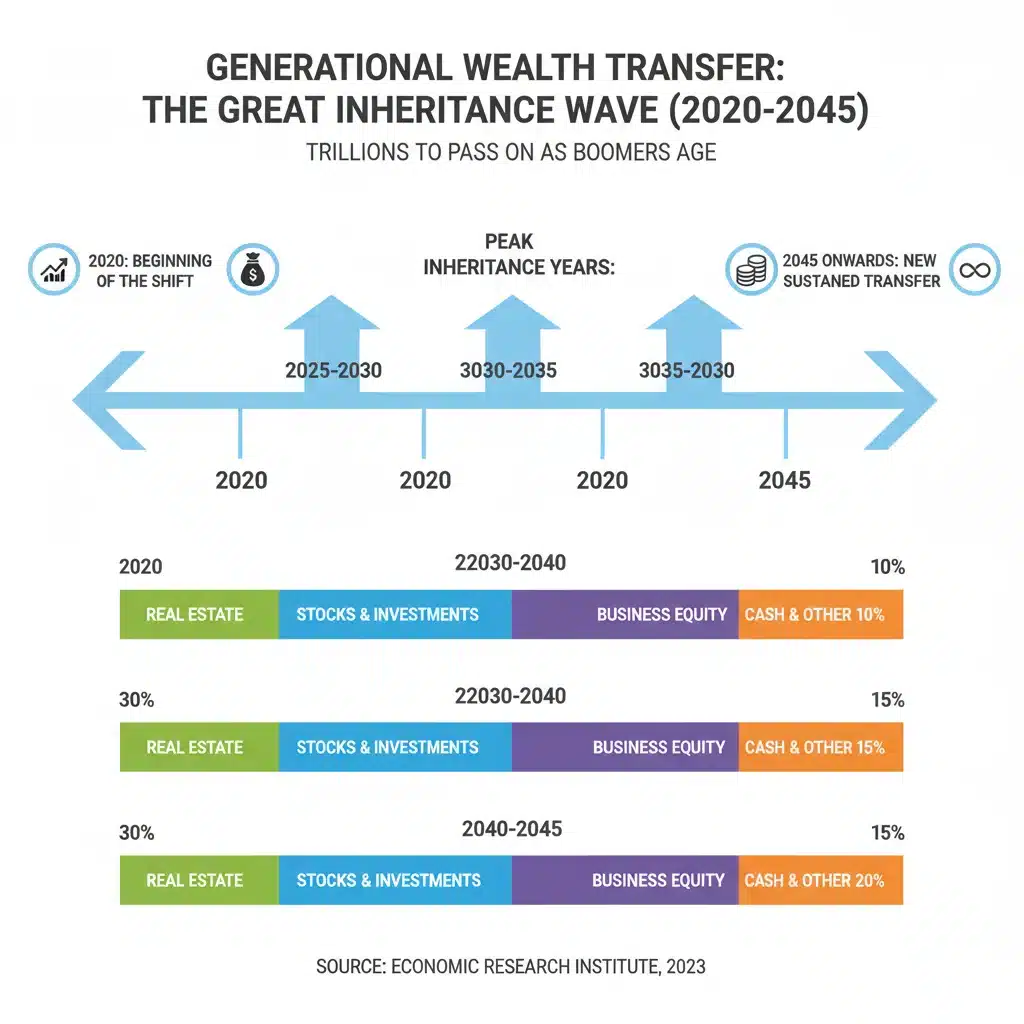
To truly grasp the magnitude of the generational wealth transfer, it’s essential to quantify the figures involved. Estimates suggest that between $68 trillion and $70 trillion will be transferred from Baby Boomers to their heirs by 2030. This figure represents an unprecedented accumulation of wealth, primarily driven by decades of economic growth, rising asset values (especially in real estate and equities), and prudent saving by the Boomer generation. This transfer is not a uniform event; it will occur gradually, with significant peaks expected as the older demographic reaches later stages of life.
Who are the Beneficiaries?
The primary beneficiaries of this transfer will be Millennials (born 1981-1996) and, increasingly, members of Gen Z (born 1997-2012). These generations, often characterized by different financial priorities and values than their parents and grandparents, will inherit a diverse array of assets. While some inheritances will be substantial, others will be more modest, but collectively, they represent a colossal injection of capital into a younger demographic. This influx of wealth has the potential to significantly alter the financial trajectories of millions, offering opportunities for debt repayment, homeownership, business investment, and retirement planning that might otherwise have been out of reach.
What Assets are Being Transferred?
The wealth being transferred is not solely in cash. It encompasses a wide range of assets, including:
- Real Estate: Often the largest single asset, homes, and other properties represent a significant portion of Boomer wealth. The transfer of these assets will impact housing markets, potentially increasing homeownership rates among younger generations or fueling rental property investments.
- Investment Portfolios: Stocks, bonds, mutual funds, and other financial instruments make up a substantial part of inherited wealth. How these portfolios are managed and reallocated by beneficiaries will influence capital markets.
- Businesses: Many Baby Boomers are small business owners, and the succession of these businesses to younger family members or external buyers will be a critical component of the transfer. This can lead to new entrepreneurial ventures or the continuation of existing legacies.
- Retirement Accounts: IRAs, 401(k)s, and other retirement savings accounts will also be inherited, often with specific rules regarding their distribution and taxation.
- Personal Property and Collectibles: While often smaller in monetary value compared to other assets, these items carry significant sentimental weight and contribute to the overall transfer.
The diversity of these assets presents both opportunities and challenges. Beneficiaries may need specialized advice to manage complex portfolios, navigate real estate transactions, or oversee business transitions. The nature of the assets also means that the impact of the generational wealth transfer will be felt across multiple sectors of the economy, not just in financial services.
Economic and Social Implications
The $70 trillion generational wealth transfer is poised to create profound economic and social shifts. These changes will not be uniform and will present both opportunities and challenges for different segments of society.
Reshaping Consumer Behavior and Spending
Younger generations, particularly Millennials and Gen Z, have different spending priorities and values than their predecessors. They are often more digitally native, environmentally conscious, and socially aware. An influx of inherited wealth could lead to:
- Increased Spending on Experiences: Rather than just material goods, younger generations often prioritize experiences, travel, and personal development.
- Investment in Sustainable and Ethical Brands: A greater emphasis on companies with strong ESG (Environmental, Social, Governance) credentials is likely.
- Reduced Debt Burden: Many beneficiaries will use inherited funds to pay off student loans, mortgages, or other debts, freeing up disposable income for other uses.
- Boost in Entrepreneurship: Capital infusion can enable younger individuals to start new businesses, fostering innovation and job creation.
Impact on Housing Markets
The transfer of real estate will have a significant impact on housing markets. For many Millennials, homeownership has been a distant dream due to rising prices and stagnant wages. Inherited wealth can provide the down payment or even outright purchase funds needed to enter the housing market, potentially:
- Increasing Homeownership Rates: Especially in areas where properties are inherited or where funds enable purchases.
- Stabilizing or Inflating Prices: Depending on supply and demand dynamics, a surge in buyers with significant capital could either stabilize or further inflate housing prices in desirable areas.
- Investment in Rental Properties: Some beneficiaries may choose to hold inherited properties as rental income generators, influencing the rental market.
Shifting Investment Strategies
As wealth transfers, so too will investment styles and preferences. Baby Boomers, generally more conservative in their later years, often prioritize capital preservation. Younger generations, with longer investment horizons, may be more inclined to:
- Embrace Growth-Oriented Investments: Higher allocation to equities, technology stocks, and emerging markets.
- Invest in Sustainable and Impact Investing: Aligning investments with personal values, focusing on companies with positive social and environmental impact.
- Explore Alternative Investments: Increased interest in private equity, venture capital, cryptocurrency, and other non-traditional assets.
This shift will compel financial advisors and asset managers to adapt their offerings and strategies to meet the evolving demands of a new generation of wealthy clients.
Philanthropic Renaissance
Younger generations are known for their strong sense of social responsibility. The generational wealth transfer could usher in a new era of philanthropy, with beneficiaries directing significant funds towards causes they care deeply about, such as:
- Environmental Conservation: Climate change and sustainability initiatives.
- Social Justice: Addressing inequality, promoting diversity and inclusion.
- Education and Healthcare: Supporting access and innovation in these critical sectors.
This could transform the non-profit sector, requiring organizations to engage with new donors who have different expectations and preferences regarding impact and transparency.
Challenges and Considerations for the Generational Wealth Transfer
While the generational wealth transfer presents immense opportunities, it also comes with a unique set of challenges. Navigating these complexities effectively will be key to maximizing the positive impact of this wealth redistribution.
Estate Planning Complexities
For the transferring generation (Baby Boomers), effective estate planning is paramount. Without proper planning, significant portions of wealth can be lost to taxes, legal fees, or family disputes. Key considerations include:
- Wills and Trusts: Ensuring clear directives for asset distribution.
- Tax Implications: Understanding federal and state estate taxes, gift taxes, and capital gains taxes.
- Multi-Generational Planning: Strategies for passing wealth down through multiple generations, potentially using trusts to protect assets.
- Business Succession: Planning for the smooth transition of family businesses.
- Digital Assets: Addressing the inheritance of cryptocurrency, online accounts, and other digital property.
Financial Literacy and Preparedness of Beneficiaries
Not all beneficiaries are equally prepared to manage a sudden influx of wealth. A lack of financial literacy can lead to poor investment decisions, overspending, or even financial exploitation. This highlights the need for:
- Financial Education: Programs and resources to educate beneficiaries on managing large sums of money, investing, and tax implications.
- Professional Guidance: The importance of working with financial advisors, estate attorneys, and tax professionals.
- Communication: Open and honest discussions within families about wealth, values, and expectations before the transfer occurs.
Potential for Family Discord
Inheritance can sometimes be a source of conflict among family members. Disputes over asset distribution, perceived fairness, or differing values can strain relationships. Proactive measures can mitigate these risks:
- Clear Communication: Establishing transparency in estate plans.
- Fairness vs. Equality: Recognizing that ‘fair’ doesn’t always mean ‘equal’ when distributing assets, especially with complex family structures.
- Mediation: Utilizing professional mediators if disputes arise.
Wealth Inequality and Social Justice
While the generational wealth transfer will empower many, it also has the potential to exacerbate existing wealth inequalities. Wealth tends to transfer within families, meaning those from already affluent backgrounds will receive the largest inheritances. This raises questions about:
- Access to Opportunity: How can society ensure that this wealth transfer doesn’t further widen the gap between the rich and the poor?
- Policy Responses: The role of government policies, such as inheritance taxes or wealth redistribution programs, in addressing inequality.
- Philanthropic Impact: The potential for beneficiaries to use their wealth to support social justice initiatives and reduce inequality.
Navigating the Generational Wealth Transfer: Strategies for Success
Successfully navigating the generational wealth transfer requires foresight, planning, and expert guidance. Whether you are part of the transferring generation, a beneficiary, or a financial professional, understanding key strategies is vital.
For the Transferring Generation (Baby Boomers)
- Comprehensive Estate Planning: Work with an estate attorney to create or update wills, trusts, powers of attorney, and healthcare directives. Consider strategies to minimize estate taxes.
- Open Family Communication: Discuss your wishes, values, and financial situation with your heirs. This can prevent misunderstandings and disputes later on.
- Consider Gifting Strategies: Utilize annual gift tax exclusions to transfer wealth gradually, potentially reducing your taxable estate and allowing you to see your heirs enjoy the benefits.
- Plan for Business Succession: If you own a business, create a clear succession plan, whether that involves family members, employees, or an external sale.
- Philanthropic Giving: Integrate charitable giving into your estate plan through donor-advised funds, charitable trusts, or direct bequests.
For Beneficiaries (Millennials and Gen Z)
- Seek Financial Education: Educate yourself on investment principles, budgeting, tax implications of inheritance, and wealth management.
- Assemble a Professional Team: Work with a financial advisor, estate attorney, and tax professional who can help you manage your inheritance, develop an investment strategy, and navigate legal and tax complexities.
- Define Your Financial Goals: Determine how this inherited wealth can best serve your short-term and long-term objectives, whether it’s debt reduction, homeownership, career change, or retirement planning.
- Develop an Investment Strategy: Create a diversified investment portfolio that aligns with your risk tolerance, time horizon, and personal values. Consider impact investing or sustainable options if they align with your beliefs.
- Plan for Longevity: With increased life expectancies, plan how inherited wealth can support a longer retirement and potential future healthcare needs.
- Consider the Emotional Aspect: Inheritance can bring complex emotions. Seek support if needed and take time to process the changes this wealth brings.

For Financial Professionals and Institutions
- Adapt Service Offerings: Develop specialized services tailored to the needs and values of younger, digitally savvy clients, including sustainable investing options and digital wealth management platforms.
- Focus on Intergenerational Planning: Facilitate conversations between generations to ensure smooth transitions and alignment of financial goals.
- Enhance Financial Literacy Programs: Offer educational resources and workshops for beneficiaries to help them manage their new wealth responsibly.
- Stay Abreast of Tax Law Changes: Continuously monitor changes in estate, gift, and income tax laws that impact wealth transfer strategies.
- Embrace Technology: Utilize FinTech solutions to provide personalized advice, automated investing, and transparent reporting.
The Broader Societal Impact and Future Outlook
The generational wealth transfer is more than just a financial event; it’s a societal transformation. It will influence demographics, political landscapes, and cultural norms. As younger generations gain more financial power, their perspectives and priorities will increasingly shape national discourse.
Demographic Shifts and Political Influence
With greater financial stability, Millennials and Gen Z may exert more political influence, advocating for policies that align with their values, such as climate action, social equity, and affordable healthcare. This could lead to a reorientation of political priorities and increased engagement from these demographics in civic life.
Innovation and Economic Growth
The influx of capital into younger, often more entrepreneurial, hands could spur significant innovation. New businesses, technologies, and industries may emerge, driven by the capital and vision of these generations. This could lead to periods of sustained economic growth and job creation, particularly in sectors aligned with younger demographic interests.
Re-evaluation of Retirement and Work
For some, inherited wealth might alter traditional views on retirement and work. It could enable earlier retirement, career changes into less lucrative but more fulfilling fields, or the pursuit of entrepreneurial ventures without the immediate pressure of financial survival. This could lead to a more flexible and diversified workforce.
Addressing Wealth Disparities
While the overall transfer is massive, it is crucial to acknowledge that wealth is not evenly distributed. The impact on wealth inequality will be a complex issue. While some individuals will experience significant upward mobility, others may not benefit directly. This underscores the importance of continued discussions around policies aimed at promoting broader economic equity and access to opportunities for all segments of society.
In conclusion, the $70 trillion generational wealth transfer is a defining economic event of the early 21st century. It represents a colossal shift of capital that will reverberate through every aspect of American society. By understanding its scale, implications, and the strategies required to navigate it, individuals, families, and institutions can better prepare for a future shaped by this unprecedented redistribution of wealth. The coming decade will not just be about passing on assets; it will be about passing on legacies, values, and the opportunity to build a new economic future.