Digital Detox 2.0: Reclaim 10 Hours Weekly for Personal Growth in 2026

In an increasingly hyper-connected world, the concept of a digital detox 2.0 is not just a trend; it’s a necessity. As we hurtle towards 2026, the lines between our digital and physical lives become ever more blurred, often at the expense of our mental well-being, productivity, and personal growth. This comprehensive guide will equip you with the strategies and mindset to reclaim a significant portion of your week — specifically, 10 hours — dedicated entirely to your personal development. Imagine the possibilities: learning a new skill, deepening relationships, pursuing a passion, or simply finding more moments of quiet reflection. This isn’t about abandoning technology; it’s about mastering it, so it serves you, rather than consuming you.
The Ubiquitous Digital Overload: Why Digital Detox 2.0 is Critical Now
The average person spends several hours a day glued to screens. From checking emails to scrolling social media, consuming endless content, and engaging in virtual meetings, our digital footprint has expanded exponentially. While technology offers unparalleled convenience and connectivity, its constant presence can lead to digital fatigue, decreased attention spans, disrupted sleep patterns, and a pervasive sense of being ‘always on.’ The traditional digital detox, often seen as a complete, albeit temporary, abstinence from all digital devices, is evolving. Digital detox 2.0 acknowledges that complete disconnection is often impractical in modern life. Instead, it advocates for intentional, sustainable practices that integrate mindful technology use with periods of purposeful disconnection.
Think about it: how many times have you picked up your phone out of habit, only to find yourself lost in a labyrinth of apps and notifications minutes later? This unconscious engagement siphons away precious time — time that could be invested in activities that genuinely enrich your life. By 2026, with AI-driven content feeds becoming even more sophisticated and persuasive, the challenge to maintain digital boundaries will only intensify. This makes understanding and implementing a robust digital detox 2.0 strategy more crucial than ever.
Understanding the Hidden Costs of Constant Connectivity
- Cognitive Overload: Our brains are constantly processing information, leading to mental fatigue and reduced capacity for deep work or creative thinking.
- Decreased Attention Span: The instant gratification loop of digital platforms trains our brains to expect quick shifts in focus, making sustained concentration difficult.
- Impact on Sleep: Blue light emitted from screens interferes with melatonin production, disrupting natural sleep cycles.
- Erosion of Real-World Connections: Time spent online often comes at the expense of face-to-face interactions, weakening social bonds.
- Increased Anxiety and Stress: The pressure to respond instantly, fear of missing out (FOMO), and constant comparison to others’ curated online lives contribute to mental health challenges.
- Lost Time for Personal Development: This is perhaps the most significant cost when considering our goal of reclaiming 10 hours weekly. Every minute spent mindlessly scrolling is a minute not spent learning, creating, exercising, or reflecting.
The time drain is real. A recent study indicated that individuals spend an average of 3-4 hours daily on their smartphones, not including computer use for work. If you can shave off even a portion of this unconscious usage, you’re well on your way to finding those 10 extra hours.
The 10-Hour Challenge: Setting Your Intentions for 2026
Reclaiming 10 hours weekly for personal development is an ambitious yet entirely achievable goal. It requires a shift in mindset from passive consumption to active creation and intentional living. This isn’t about deprivation; it’s about empowerment. It’s about consciously choosing how you spend your most valuable non-renewable resource: time.
Defining Your Personal Development Goals
Before you embark on your digital detox 2.0 journey, clearly define what ‘personal development’ means to you. What skills do you want to acquire? What hobbies do you want to pursue? What relationships do you want to nurture? What aspects of your health do you want to improve? Having clear goals will provide motivation and direction for how you utilize your reclaimed time.
- Skill Acquisition: Learning a new language, coding, playing an instrument.
- Physical Well-being: Dedicated exercise, yoga, meditation, meal prepping.
- Mental & Emotional Health: Journaling, therapy, mindfulness practices, reading non-fiction.
- Creative Pursuits: Writing, painting, photography, crafting.
- Relationship Building: Spending quality time with loved ones, volunteering.
- Financial Literacy: Budgeting, investing, financial planning.
Once you have a clear vision, the 10 hours will feel less like a burden and more like a gift you’re giving yourself. This intentionality is a cornerstone of an effective digital detox 2.0.
Phase 1: The Audit & Awareness – Unmasking Your Digital Habits
The first step in any successful transformation is awareness. You can’t change what you don’t acknowledge. This phase of digital detox 2.0 involves meticulously tracking your digital consumption to understand where your time truly goes.
Tools for Digital Habit Tracking
- Native Phone Trackers: Most smartphones (iOS Screen Time, Android Digital Wellbeing) offer detailed reports on app usage, pick-ups, and notifications. Utilize these to gain insights.
- Third-Party Apps: Apps like RescueTime, Forest, or Freedom can provide more granular data across devices (phone, tablet, computer) and block distracting websites/apps.
- Manual Journaling: For a more qualitative approach, keep a simple notebook by your side and jot down every time you pick up your phone, what you do, and for how long. This can reveal surprising patterns.
Commit to a week of honest tracking. Don’t try to change anything yet; just observe. At the end of the week, analyze the data. You’ll likely be surprised by the cumulative hours spent on non-essential digital activities. Identify your biggest time sinks: social media, news feeds, casual browsing, endless email checking, or even certain games.
Identifying Your Digital Triggers
Beyond just tracking usage, consider *why* you reach for your devices. Are you bored? Stressed? Avoiding a task? Seeking connection? Understanding these triggers is vital for developing sustainable strategies for your digital detox 2.0.
- Boredom: The instant gratification of scrolling often fills idle moments.
- Stress/Anxiety: Digital distractions can be a temporary escape mechanism.
- Procrastination: Avoiding important tasks by engaging in easier, digital ones.
- Social Connection: The desire to connect with others, even superficially.
- Fear of Missing Out (FOMO): The urge to constantly check for updates and notifications.
Once you’ve identified your triggers, you can start devising alternative, healthier responses. For example, if boredom is a trigger, keep a book handy or have a list of quick, offline activities you enjoy.
Phase 2: Strategic Disengagement – Implementing Your Digital Detox 2.0
This is where you put your insights into action, systematically reducing your digital consumption to free up those 10 hours. Remember, this is about intentionality, not perfection.
Setting Clear Boundaries and Schedules
One of the most effective strategies for a digital detox 2.0 is to establish clear ‘digital-free’ zones and times.
- No-Phone Bedrooms: Make your bedroom a sanctuary. Charge your phone outside the room. Use a traditional alarm clock. This dramatically improves sleep quality.
- Digital-Free Meals: Enjoy meals with family or friends without screens. Engage in conversation and savor your food.
- Designated ‘Deep Work’ Blocks: Schedule specific times for focused work where all non-essential notifications are turned off and distracting apps are blocked.
- Morning & Evening Unplug: Avoid checking your phone for the first hour after waking up and the last hour before bed. This sets a calm tone for your day and prepares you for restful sleep.
- Weekend Windows: Dedicate entire blocks of time on weekends to be completely offline. Go for a hike, visit a museum, spend time with loved ones, or engage in a hobby.
Optimizing Your Devices for Minimal Distraction
Your devices can be your greatest allies or your worst enemies. Configure them to support your digital detox 2.0 efforts.
- Turn Off Notifications: This is perhaps the single most impactful step. Disable all non-essential notifications. For important communications, rely on a few key channels you check consciously.
- Grayscale Mode: Experiment with turning your phone screen to grayscale. The lack of vibrant colors makes apps less appealing and addictive.
- Declutter Your Home Screen: Remove distracting apps from your primary home screen. Bury social media apps in folders or off main screens to add friction to access.
- Set App Limits: Use built-in or third-party tools to set daily time limits for specific apps. Once the limit is reached, the app becomes inaccessible.
- Unfollow & Unsubscribe: Prune your social media feeds and email subscriptions. Remove anything that doesn’t add value or sparks negativity.
- Use ‘Do Not Disturb’ Modes Strategically: Schedule ‘Do Not Disturb’ for work blocks, family time, and sleep.
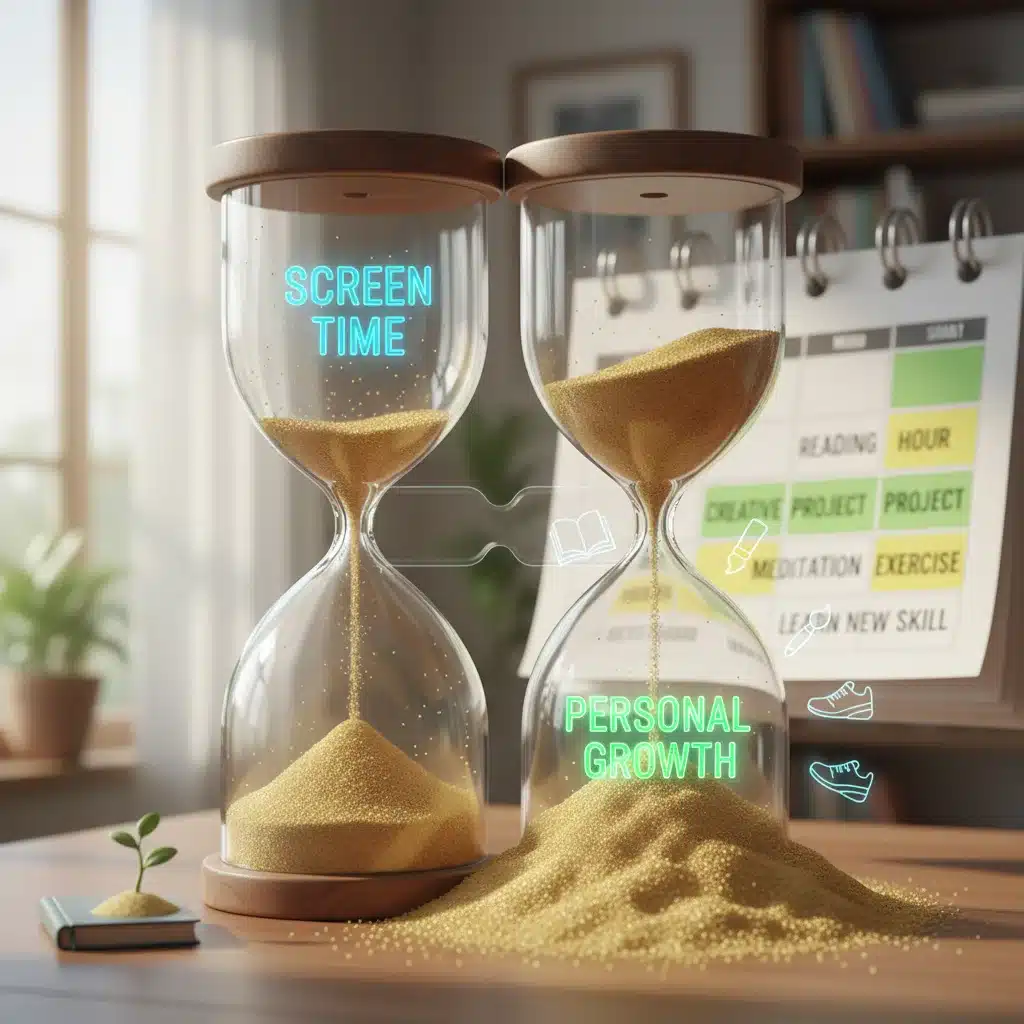
Phase 3: Reinvesting Your Reclaimed Time – Fueling Personal Growth
This is the exciting part! Once you’ve successfully carved out those 10 hours, it’s time to intentionally invest them in your personal development goals. This proactive reinvestment is what truly defines a successful digital detox 2.0.
Structuring Your Reclaimed Hours
Don’t let your newly found time evaporate. Treat it with the same respect you would a work meeting or an important appointment.
- Schedule It: Block out your 10 hours (or portions thereof) in your calendar. If it’s not scheduled, it’s less likely to happen.
- Batch Similar Activities: If you’re learning a language, dedicate 30-minute blocks daily rather than sporadic 5-minute sessions.
- Create a ‘To-Do’ List for Offline Activities: When you feel the urge to pick up your phone, consult this list instead. It could include reading, writing, going for a walk, calling a friend, or tackling a household chore.
- Mindful Transitions: Before switching from a digital task to an offline one, take a moment to pause, breathe, and consciously shift your focus.
Examples of How to Spend Your 10 Reclaimed Hours
Learning & Skill Development (3-4 hours)
- Reading: Dive into non-fiction books related to your field, personal growth, or new interests.
- Online Courses (Mindfully): While paradoxical, some online learning can be part of personal development. The key is intentional engagement, not passive consumption. Schedule specific times and avoid getting sidetracked.
- Practicing a New Skill: Dedicate time to a musical instrument, coding exercises, drawing, or a new craft.
- Journaling: Reflect on your thoughts, goals, and experiences.
Physical & Mental Well-being (3-4 hours)
- Exercise: Go for a run, practice yoga, lift weights, or take a dance class.
- Meditation/Mindfulness: Dedicate time to quiet contemplation, even if it’s just 10-15 minutes daily.
- Nature Walks: Spend time outdoors, connecting with the natural world.
- Cooking Healthy Meals: Plan and prepare nutritious food, turning it into a mindful activity.
- Adequate Sleep: By reducing screen time before bed, you’ll naturally improve your sleep quality and duration.
Relationships & Hobbies (2-3 hours)
- Quality Time with Loved Ones: Engage in conversation, play games, or share experiences without digital distractions.
- Volunteering: Contribute to your community and connect with others for a cause you care about.
- Creative Hobbies: Dedicate time to painting, writing, gardening, or any activity that brings you joy and fosters creativity.
- Deep Conversations: Call a friend or family member for a meaningful chat, rather than just exchanging texts.
Overcoming Challenges in Your Digital Detox 2.0 Journey
Implementing a digital detox 2.0 is not without its hurdles. You’ll encounter resistance, both internal and external. Prepare for these challenges to maintain momentum.
The Urge to Revert
Old habits die hard. You’ll feel the pull of your devices, especially during moments of boredom or stress. This is normal. Acknowledge the urge without judgment, and then consciously redirect your attention to your pre-planned offline activity.
Social Pressure & FOMO
Friends might wonder why you’re not instantly replying to messages or engaging as much on social media. Communicate your intentions clearly. Explain that you’re focusing on personal growth and a healthier relationship with technology. You might even inspire them to join you!
Work-Related Demands
For many, complete digital disconnection is impossible due to work. This is where the ‘2.0’ aspect comes in. Focus on intentional use: only check work emails during designated hours, use productivity tools to block distracting websites during work, and communicate clear boundaries to colleagues about your response times.
The ‘All or Nothing’ Trap
Don’t aim for perfection. A slip-up doesn’t mean failure. If you spend an hour mindlessly scrolling, acknowledge it, learn from it, and recommit to your plan for the next block of time. Consistency over perfection is key.
Advanced Strategies for Digital Detox 2.0 in 2026
As technology evolves, so too must our strategies for managing it. Here are some advanced tactics for your digital detox 2.0 in the coming years:
Leveraging AI for Your Benefit
Ironically, AI can be a tool in your digital detox arsenal. Use AI-powered scheduling assistants to block out your offline time, or leverage AI-driven content filters to minimize exposure to distracting or negative information. Some apps are even developing AI to help you identify and reduce your digital triggers.
Digital Minimalism: A Lifestyle Approach
Beyond simply detoxing, consider adopting principles of digital minimalism. This philosophy, popularized by Cal Newport, advocates for drastically reducing your digital footprint to only those tools that serve a specific, high-value purpose. It’s about being highly intentional with every digital interaction, rather than passively allowing technology to invade all aspects of your life.
- Define Your Core Values: What truly matters to you?
- Audit Your Tools: Which digital tools directly support these values?
- Ruthless Pruning: Eliminate everything else.
- Intentional Reintroduction: Slowly and deliberately reintroduce tools if they prove genuinely valuable and align with your values, but with strict rules of engagement.
Creating Tech-Free Zones and Experiences
Beyond individual habits, actively seek out and create environments that are naturally tech-free. This could include:
- Designated ‘No-Tech’ Rooms: A study, a living room, or even a corner of your home where devices are explicitly forbidden.
- Tech-Free Vacations: Plan trips to remote areas or choose accommodations that encourage disconnection.
- Offline Meetups: Organize social gatherings with friends and family where phones are put away or even collected at the door.

The Ripple Effect: Beyond 10 Hours
The benefits of a successful digital detox 2.0 extend far beyond the initial 10 hours you reclaim. You’ll likely experience a ripple effect across various aspects of your life:
- Improved Focus and Concentration: As your brain re-learns to sustain attention, you’ll find yourself more productive in all areas.
- Enhanced Creativity: Boredom, often filled by digital distractions, is a fertile ground for creativity. Allowing your mind to wander can spark new ideas.
- Deeper Relationships: Real-world interactions become more meaningful when you are fully present.
- Reduced Stress and Anxiety: Less comparison, less information overload, and more control lead to a calmer state of mind.
- Better Sleep: Consistent digital boundaries before bed will lead to more restorative sleep.
- Increased Self-Awareness: Spending more time in reflection helps you understand yourself better and align your actions with your values.
- A Sense of Empowerment: Taking control of your digital life instills a powerful sense of agency.
The Future of Digital Wellness: Your Role in 2026 and Beyond
As we look to 2026 and beyond, the discussion around digital wellness will only intensify. By actively engaging in your own digital detox 2.0, you’re not just improving your life; you’re becoming a part of a larger movement towards more conscious and humane technology use. You’re demonstrating that it’s possible to thrive in a digital age without being consumed by it.
This isn’t about shunning innovation; it’s about shaping it. It’s about demanding — through your choices — that technology serves human flourishing first. Your reclaimed 10 hours weekly for personal development are a testament to this commitment. They are a declaration that your growth, your well-being, and your intentional living are paramount.
Conclusion: Embrace Your Digital Freedom
The journey to reclaim 10 hours weekly for personal development through a digital detox 2.0 is a continuous one. It requires patience, self-compassion, and consistent effort. But the rewards — a richer, more fulfilling, and more present life — are immeasurable.
Start today. Audit your habits, set your boundaries, and intentionally reinvest your time. You have the power to redefine your relationship with technology and unlock a wealth of opportunities for growth. In 2026, let your story be one of digital mastery, not digital slavery. Reclaim your time, reclaim your life, and unlock the incredible potential within you.
What will you do with your first reclaimed hour?