Workplace 2026: Redefining Employer-Employee Dynamics & Societal Norms
The year 2026 is not just another date on the calendar; it represents a significant inflection point in the evolution of the global workforce. The traditional paradigms that once defined the relationship between employers and employees are rapidly dissolving, replaced by a dynamic, fluid, and often unpredictable landscape. This transformation, accelerated by technological advancements, shifting societal values, and unprecedented global events, is not merely about how we work, but fundamentally about how we live and interact. Understanding these emerging Workplace 2026 Dynamics is crucial for businesses, employees, and policymakers alike, as they collectively shape the future of our economies and communities.
For decades, the employer-employee relationship was largely transactional: labor for wages. Loyalty was often expected, and career paths were typically linear. However, the advent of sophisticated digital tools, the rise of the gig economy, and a heightened awareness of work-life balance have dismantled these old structures. We are witnessing a monumental shift from a hierarchical, command-control management style to one that emphasizes autonomy, empathy, and shared purpose. This article delves deep into the multifaceted changes defining the Workplace 2026 Dynamics, exploring the core elements that are redefining employer-employee relations and, by extension, societal norms.
The Hybrid Revolution: Beyond Remote Work
While remote work gained prominence during recent global crises, by 2026, the concept has matured into a sophisticated ‘hybrid’ model. This isn’t just about working from home a few days a week; it’s about intentional design and strategic integration of physical and virtual presences. Organizations are no longer simply reacting to circumstances but are proactively crafting flexible work frameworks that optimize productivity, foster collaboration, and enhance employee well-being. The Workplace 2026 Dynamics are heavily influenced by this hybrid revolution, where physical offices are reimagined as hubs for innovation, social connection, and specific tasks requiring in-person interaction, rather than mandatory daily attendance.
Redefining the Office Space
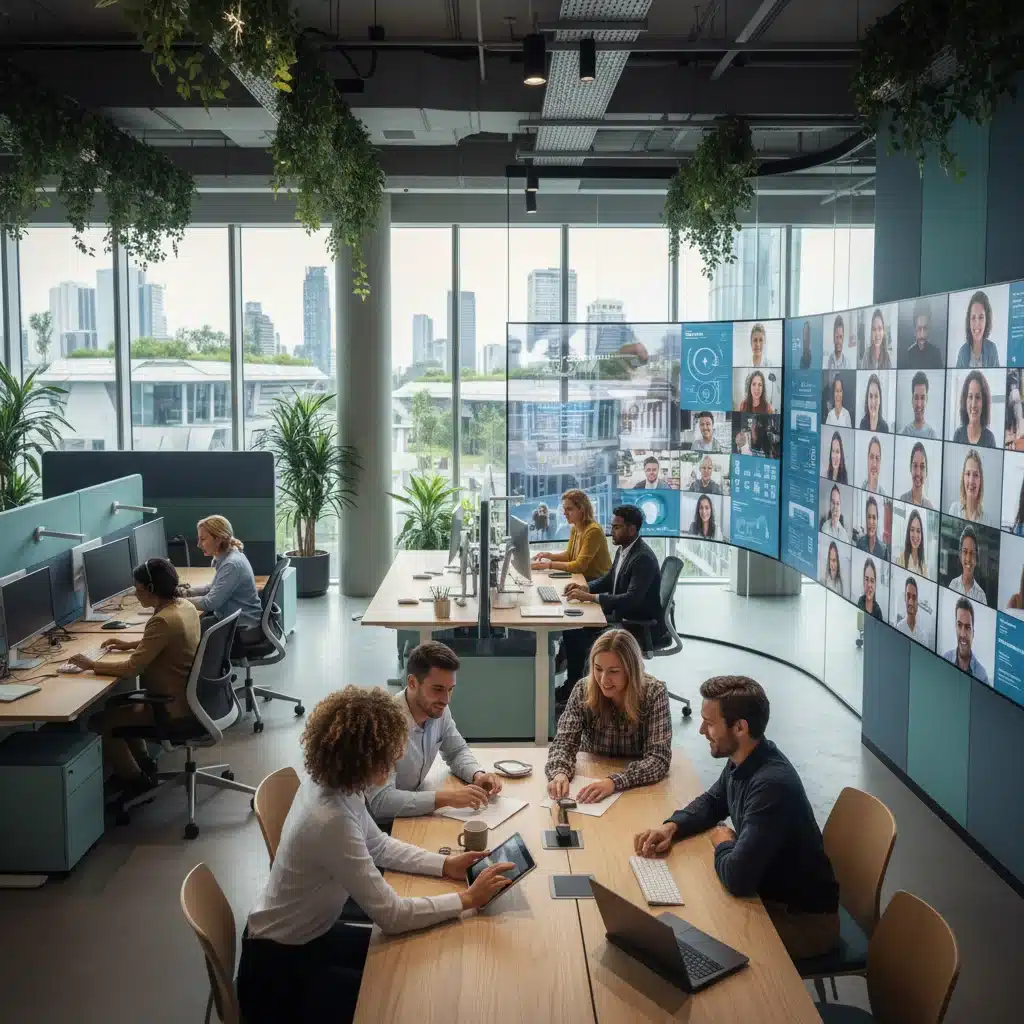
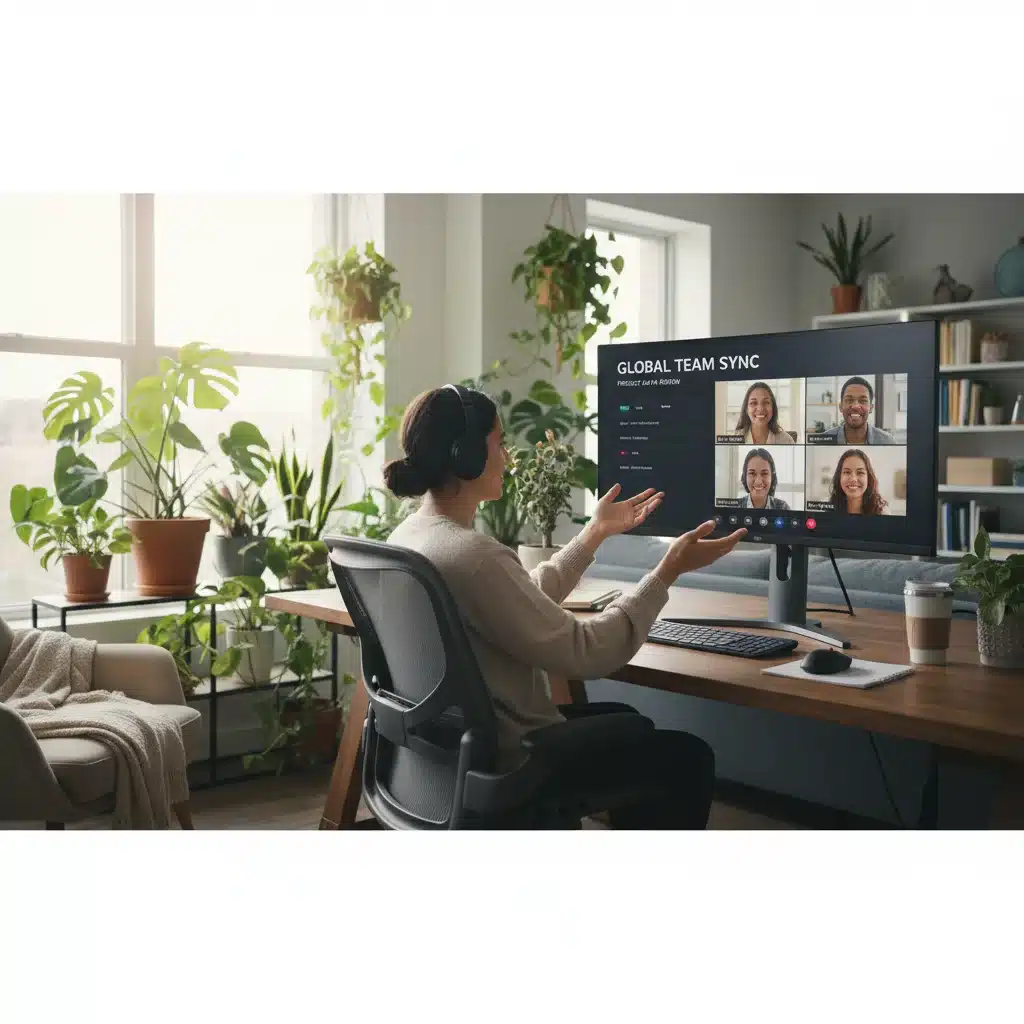
The office of 2026 is less about rows of desks and more about versatile, technology-rich environments. These spaces are designed for activity-based working, offering quiet zones for focused tasks, collaborative areas for brainstorming, and social spaces for informal networking. The emphasis is on flexibility and choice, empowering employees to select the environment that best suits their current task and personal working style. This requires significant investment in smart office technologies, from booking systems that manage desk and room availability to advanced video conferencing tools that seamlessly connect remote and in-office teams. The goal is to create an equitable experience, ensuring that remote employees feel just as connected and engaged as their in-office counterparts.
Challenges and Opportunities in Hybrid Management
Managing a hybrid workforce presents unique challenges. Leaders must develop new competencies in virtual communication, trust-building, and performance assessment that transcend physical proximity. Ensuring fair access to opportunities, preventing proximity bias, and maintaining a cohesive company culture become paramount. However, the opportunities are vast: access to a wider talent pool, reduced operational costs, improved employee satisfaction, and enhanced resilience to disruptions. The success of Workplace 2026 Dynamics hinges on organizations’ ability to navigate these complexities with foresight and empathy.
Employee Well-being and Mental Health at the Forefront
Perhaps one of the most profound shifts in Workplace 2026 Dynamics is the elevated importance of employee well-being and mental health. What was once considered a ‘nice-to-have’ perk has become a strategic imperative. Employers are increasingly recognizing that a healthy, engaged workforce is directly correlated with productivity, innovation, and retention. The stigma surrounding mental health in the workplace is diminishing, replaced by proactive initiatives and supportive policies.
Holistic Well-being Programs
By 2026, well-being programs extend far beyond basic health insurance. They encompass mental health support (counseling services, mindfulness training), financial wellness resources, physical health initiatives (subsidized gym memberships, ergonomic assessments for home offices), and social connections. Companies are investing in platforms and partnerships that provide personalized well-being resources, recognizing that each employee’s needs are unique. This holistic approach signals a fundamental change in the employer’s responsibility, moving towards a more paternalistic, yet empowering, role in an employee’s overall life quality.
The Role of Leadership in Fostering Well-being
Leadership plays a critical role in embedding a culture of well-being. Leaders are expected to model healthy behaviors, promote work-life boundaries, and openly discuss mental health. Training for managers on recognizing signs of burnout and stress, and how to effectively support their teams, is becoming standard. The empathy and emotional intelligence of leaders are now considered as important as their technical skills, reflecting a more human-centered approach to management that defines the Workplace 2026 Dynamics.
Technology as an Enabler: AI, Automation, and Data-Driven HR
Technology continues to be the primary engine of transformation in the workplace. By 2026, Artificial Intelligence (AI), automation, and advanced data analytics are not just buzzwords but integral components of daily operations and strategic decision-making. These technologies are reshaping job roles, enhancing efficiency, and providing unprecedented insights into employee behavior and organizational health.
AI and Automation: Augmenting Human Capabilities
Rather than replacing humans en masse, AI and automation are primarily augmenting human capabilities. Repetitive, mundane tasks are increasingly handled by intelligent systems, freeing up employees to focus on more complex, creative, and strategic work. AI-powered tools assist in everything from scheduling and project management to data analysis and personalized learning recommendations. This shift requires a workforce that is adaptable and continuously upskilling, with a focus on uniquely human skills like critical thinking, emotional intelligence, and creativity. These advancements are central to understanding the evolving Workplace 2026 Dynamics.
Data-Driven HR and Personalized Employee Experience
Human Resources (HR) departments are leveraging data analytics to move beyond traditional administrative functions. Predictive analytics help identify potential attrition risks, optimize talent acquisition strategies, and personalize employee experiences. AI-driven platforms can tailor learning and development paths, suggest mentorship opportunities, and even provide real-time feedback on performance. This data-centric approach allows organizations to be more proactive in addressing employee needs and fostering a truly individualized career journey. However, ethical considerations around data privacy and algorithmic bias are paramount and must be carefully managed to maintain trust.
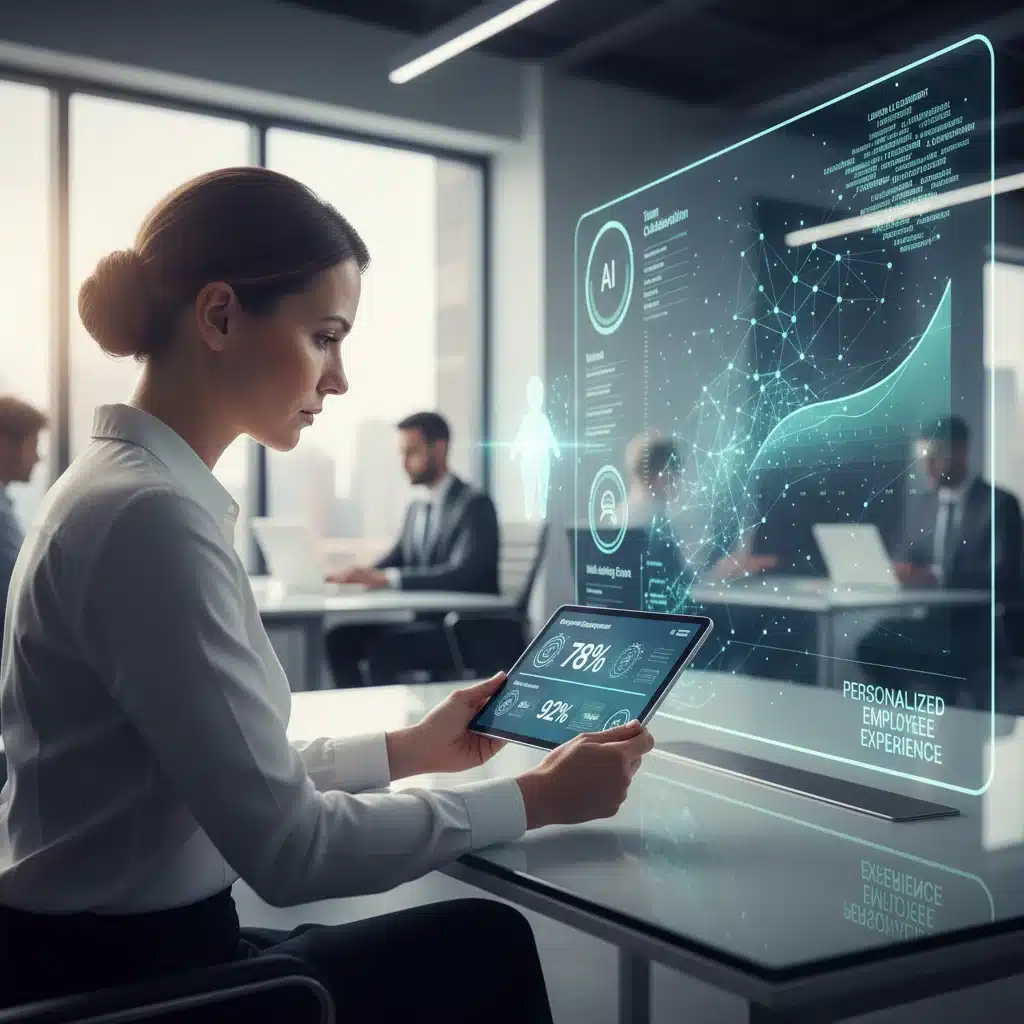
The Rise of the Skills-Based Economy and Continuous Learning
The rapid pace of technological change and market demands means that static job descriptions and one-time training programs are obsolete. The Workplace 2026 Dynamics are characterized by a pronounced shift towards a skills-based economy, where an individual’s value is determined by their current and emerging skill sets rather than solely by their job title or academic qualifications. Continuous learning and reskilling are no longer optional but essential for both employees and organizations.
Internal Mobility and Talent Marketplaces
Companies are increasingly investing in internal talent marketplaces, platforms that match employees’ skills and career aspirations with internal projects, roles, and mentorship opportunities. This fosters internal mobility, reduces recruitment costs, and enhances employee engagement and retention. It also encourages a culture of continuous learning, as employees are motivated to acquire new skills to pursue diverse internal opportunities. The focus shifts from ‘filling a position’ to ‘leveraging skills,’ creating a more agile and dynamic workforce.
Lifelong Learning and Micro-credentials
Traditional degrees are being supplemented, and in some cases replaced, by micro-credentials, certifications, and online courses that focus on specific, in-demand skills. Employees are taking ownership of their learning journey, constantly updating their skillsets to remain relevant in a rapidly evolving job market. Employers, in turn, are providing access to these learning resources, recognizing that investing in employee development is an investment in the company’s future competitiveness. This symbiotic relationship is a defining feature of the Workplace 2026 Dynamics.
Purpose-Driven Work and Ethical Considerations
Today’s workforce, particularly younger generations, seeks more than just a paycheck. They are increasingly driven by purpose, seeking organizations whose values align with their own and whose work contributes positively to society. This demand for purpose-driven work is fundamentally altering employer-employee relations, making ethical considerations and corporate social responsibility (CSR) non-negotiable elements of employer branding and talent attraction.
ESG Factors in Employer Branding
Environmental, Social, and Governance (ESG) factors are no longer just for investors; they are critical components of an organization’s appeal to prospective and current employees. Companies that demonstrate a genuine commitment to sustainability, social equity, and ethical governance are more likely to attract and retain top talent. Employees want to be part of something bigger than themselves, and organizations that articulate a clear, positive societal impact will thrive in the Workplace 2026 Dynamics.
Ethical AI and Fair Algorithms
As AI and data analytics become pervasive, ethical considerations surrounding their use in HR and management are gaining prominence. Ensuring fairness, transparency, and accountability in algorithmic decision-making (e.g., in hiring, performance reviews, or promotion recommendations) is crucial. Employees expect their data to be handled responsibly, and they demand that AI tools are free from bias. Organizations that prioritize ethical AI development and deployment will build greater trust with their workforce.
The Gig Economy and the Blurring Lines of Employment
The gig economy, once a fringe phenomenon, has become a significant component of the global workforce. By 2026, the lines between traditional employment and contingent work are increasingly blurred, creating new opportunities and challenges for both employers and workers. This shift profoundly impacts Workplace 2026 Dynamics, requiring new legal frameworks, benefits structures, and management approaches.
Flexible Work Arrangements and Project-Based Teams
Many organizations are adopting a more flexible approach to staffing, leveraging independent contractors, freelancers, and project-based teams to access specialized skills and scale operations efficiently. This provides workers with greater autonomy and flexibility, allowing them to choose projects that align with their interests and schedules. However, it also raises questions about job security, benefits, and career development for gig workers.
Rethinking Benefits and Protections for Contingent Workers
As the gig economy grows, there is increasing pressure to provide contingent workers with more comprehensive benefits and protections traditionally associated with full-time employment. This includes access to health insurance, retirement plans, and training opportunities. Governments and companies are exploring innovative models, such as portable benefits, to address these needs, ensuring a more equitable and sustainable future for all types of workers within the Workplace 2026 Dynamics.
Diversity, Equity, Inclusion, and Belonging (DEIB) as a Business Imperative
Diversity, Equity, Inclusion, and Belonging (DEIB) have moved beyond mere compliance to become strategic business imperatives. Organizations in 2026 recognize that diverse teams are more innovative, productive, and resilient. Creating truly inclusive environments where every employee feels a sense of belonging is essential for attracting and retaining top talent and fostering a thriving workplace culture.
Inclusive Leadership and Allyship
Inclusive leadership is a cornerstone of DEIB efforts. Leaders are trained to recognize and mitigate unconscious biases, foster psychological safety, and actively champion diversity within their teams. Allyship is encouraged, with employees empowered to support and advocate for colleagues from underrepresented groups. These practices are critical for shaping positive Workplace 2026 Dynamics.
Equitable Pay and Opportunity
Addressing pay gaps and ensuring equitable opportunities for advancement are key priorities. Companies are leveraging data to identify and rectify systemic inequalities, implementing transparent compensation structures, and developing clear pathways for career progression regardless of background. The focus is on creating a meritocracy that truly values contributions and potential over demographic characteristics.
The Societal Impact of Evolving Workplace Dynamics
The transformation of employer-employee relations in 2026 extends far beyond the confines of individual organizations, profoundly impacting societal norms and structures. From urban planning to family dynamics, the ripple effects are significant and far-reaching.
Reshaping Urban and Rural Landscapes
The widespread adoption of hybrid and remote work is reshaping urban and rural landscapes. Major metropolitan centers may see a decrease in daily commuter traffic and a repurposing of commercial real estate. Simultaneously, rural areas and smaller towns may experience revitalization as individuals and families relocate, seeking a better quality of life, lower cost of living, and proximity to nature. This demographic shift influences housing markets, local economies, and infrastructure development, presenting both opportunities and challenges for communities.
Changing Family Structures and Gender Roles
Increased flexibility in work arrangements can have a profound impact on family structures and gender roles. Shared parenting responsibilities become more feasible when both partners have greater control over their schedules. The traditional division of labor within households may continue to evolve, leading to more equitable domestic partnerships. This contributes to a broader societal shift towards greater gender equality and work-life integration. The flexibility inherent in Workplace 2026 Dynamics supports these evolving social structures.
New Educational Paradigms
The emphasis on continuous learning and skills-based employment is pushing educational institutions to adapt. Traditional degree programs are being complemented by shorter, more specialized certifications, vocational training, and lifelong learning initiatives. Universities and colleges may partner more closely with industries to ensure curricula are aligned with current and future job market demands. This fosters a culture of lifelong learning, where education is not a one-time event but an ongoing process throughout one’s career.
Policy and Regulatory Evolution
Governments and regulatory bodies are challenged to keep pace with these rapid changes. New policies are needed to address issues such as the rights and benefits of gig workers, data privacy in the context of AI-driven HR, and the legal implications of a globally distributed workforce. Striking a balance between fostering innovation and protecting worker rights will be a critical task for policymakers in the coming years. The legislative landscape must evolve to support the new Workplace 2026 Dynamics.
Navigating the Future: Strategies for Success in 2026
For organizations and individuals to thrive in the 2026 workplace, proactive strategies are essential. Adaptability, foresight, and a human-centric approach will be key differentiators.
For Employers: Building a Resilient and Attractive Workplace
- Embrace Flexibility by Design: Move beyond ad-hoc remote work to intentionally design hybrid models that support all employees, regardless of location. Invest in the right technology and infrastructure.
- Prioritize Well-being and Mental Health: Implement comprehensive, accessible well-being programs and train leaders to foster a supportive, empathetic culture.
- Invest in Learning and Development: Create a culture of continuous learning, offering opportunities for upskilling and reskilling through internal marketplaces, micro-credentials, and personalized learning paths.
- Champion DEIB: Embed diversity, equity, inclusion, and belonging into every aspect of the organization, from hiring to leadership development, ensuring fair and equitable opportunities for all.
- Lead with Purpose and Ethics: Clearly articulate organizational values and societal impact. Ensure ethical considerations, especially around AI and data, are at the forefront of decision-making.
For Employees: Thriving in the Evolving Landscape
- Cultivate Adaptability and Resilience: Be open to new ways of working and embrace change as a constant. Develop strategies for managing stress and maintaining work-life balance in flexible environments.
- Become a Lifelong Learner: Proactively identify and acquire new skills, focusing on both technical competencies and uniquely human skills like critical thinking, creativity, and emotional intelligence.
- Build a Strong Network: Leverage both in-person and virtual opportunities to connect with colleagues, mentors, and industry peers. Networking remains crucial for career growth.
- Advocate for Your Needs: Communicate openly with your employer about your needs regarding flexibility, well-being, and career development. Seek out organizations that align with your values.
- Understand Your Value: Recognize that your value is increasingly tied to your skills and contributions, not just your job title. Be prepared to demonstrate your capabilities in diverse contexts.
Conclusion
The Workplace 2026 Dynamics represent a fascinating and complex tapestry woven from technological innovation, evolving societal expectations, and a deeper understanding of human potential. The employer-employee relationship is transforming from a transactional exchange to a partnership built on trust, empathy, and shared purpose. Organizations that proactively embrace these changes, investing in their people, technology, and culture, will not only survive but thrive. Employees who commit to continuous learning, adaptability, and self-advocacy will find themselves well-positioned for success. Ultimately, the reimagined workplace of 2026 is not just about economic efficiency; it’s about creating a more human-centric, equitable, and sustainable future for all.
The journey to 2026 is one of continuous evolution, demanding constant reflection, adaptation, and innovation. By understanding and actively shaping these dynamics, we can collectively build a future of work that benefits individuals, organizations, and society at large.