Future-Proofing Your Home: 3 Smart Tech Integrations Gaining Traction in Early 2026
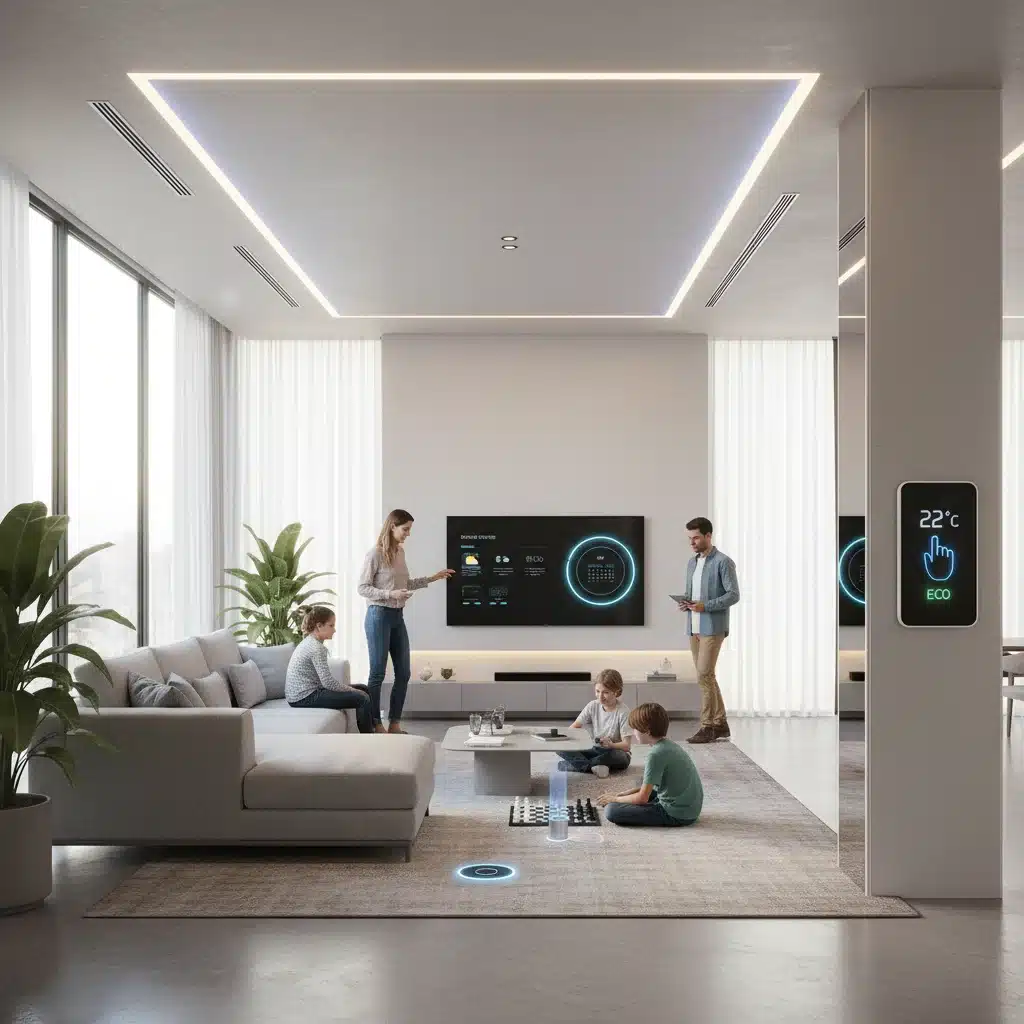
The landscape of home technology is ever-evolving, and as we step into early 2026, the concept of a ‘smart home’ is less about individual gadgets and more about seamless, intelligent smart home integrations. Homeowners are no longer content with isolated devices; they crave a harmonious ecosystem where every component communicates, anticipates needs, and operates with unparalleled efficiency. This isn’t just about convenience; it’s about creating living spaces that are intuitive, sustainable, and secure, truly future-proofing your home for years to come. The next wave of innovation is focusing on deep integration, where artificial intelligence, advanced sensors, and interconnected platforms work in concert to elevate daily living.
Gone are the days when smart home technology was a niche luxury. Today, it’s becoming an essential aspect of modern living, driven by advancements in AI, IoT (Internet of Things), and sustainable energy solutions. The market is maturing, and with it, the expectations of consumers are rising. They seek systems that are not only powerful but also user-friendly, adaptable, and capable of growing with their evolving lifestyles. Understanding these emerging trends is crucial for anyone looking to invest in their home’s technological future.
In this comprehensive guide, we’ll delve into the three most significant smart home integrations gaining traction in early 2026. These aren’t just passing fads; they represent fundamental shifts in how we interact with our homes, promising enhanced comfort, significant energy savings, and robust security. From hyper-personalized AI assistants that truly understand your routines to integrated sustainable energy grids and sophisticated biometric security systems, the future of home living is here, and it’s more connected than ever before.
1. AI-Driven Hyper-Personalization: The Brain of Your Smart Home
The first and perhaps most transformative trend in smart home integrations for early 2026 is the rise of AI-driven hyper-personalization. While voice assistants have been a staple for years, the new generation of AI takes personalization to an entirely new level. Imagine a home that doesn’t just respond to commands but anticipates your needs, learns your habits, and proactively adjusts its environment to optimize your comfort and well-being. This is the promise of hyper-personalized AI.
These advanced AI systems go beyond simple scheduling or routine automation. They leverage machine learning algorithms to analyze vast amounts of data collected from various sensors and devices throughout your home. This data includes everything from your preferred lighting levels at different times of day, your ideal temperature settings based on external weather conditions, your music preferences in various rooms, and even your sleep patterns. By understanding these intricate details, the AI can create a truly bespoke living experience.
How it Works: Deeper Learning and Predictive Capabilities
At the core of AI-driven hyper-personalization are sophisticated neural networks that continuously learn and adapt. For instance, if you consistently dim the lights and play calming music at 9 PM, the AI will eventually learn this pattern and begin to initiate these actions automatically as the time approaches. But it doesn’t stop there. It can also consider external factors: if it’s a particularly stressful day, as indicated by calendar entries or even wearable tech data, the AI might suggest a more relaxing ambiance or a warm bath, truly acting as a proactive companion rather than just a reactive tool.
Predictive capabilities are another key feature. The AI can forecast energy usage based on upcoming weather changes, suggest optimal times for laundry to take advantage of off-peak electricity rates, or even pre-heat your oven when it senses you’re on your way home and have a meal planned. This level of foresight not only enhances convenience but also contributes significantly to efficiency and cost savings, making these smart home integrations incredibly valuable.
Impact on Daily Life and Home Management
The impact of AI-driven hyper-personalization on daily life is profound. It frees up mental bandwidth by automating mundane tasks and optimizing your environment without constant intervention. For families, it can create individualized profiles for each member, ensuring everyone’s preferences are met. For the elderly or those with specific needs, it offers an unprecedented level of support and independence, adjusting environmental settings for accessibility and comfort.
Moreover, these systems are designed to be intuitive and easy to interact with. While voice commands remain, advanced gesture controls, contextual awareness (e.g., knowing who is in which room), and even subtle biometric inputs (like heart rate data from wearables) can contribute to a seamless and natural interaction. The goal is for the technology to fade into the background, becoming an invisible yet indispensable part of your home, always working to enhance your comfort and efficiency. Investing in these advanced AI smart home integrations means investing in a home that truly understands and cares for its inhabitants.
2. Integrated Sustainable Energy Management Systems: Powering a Greener Future
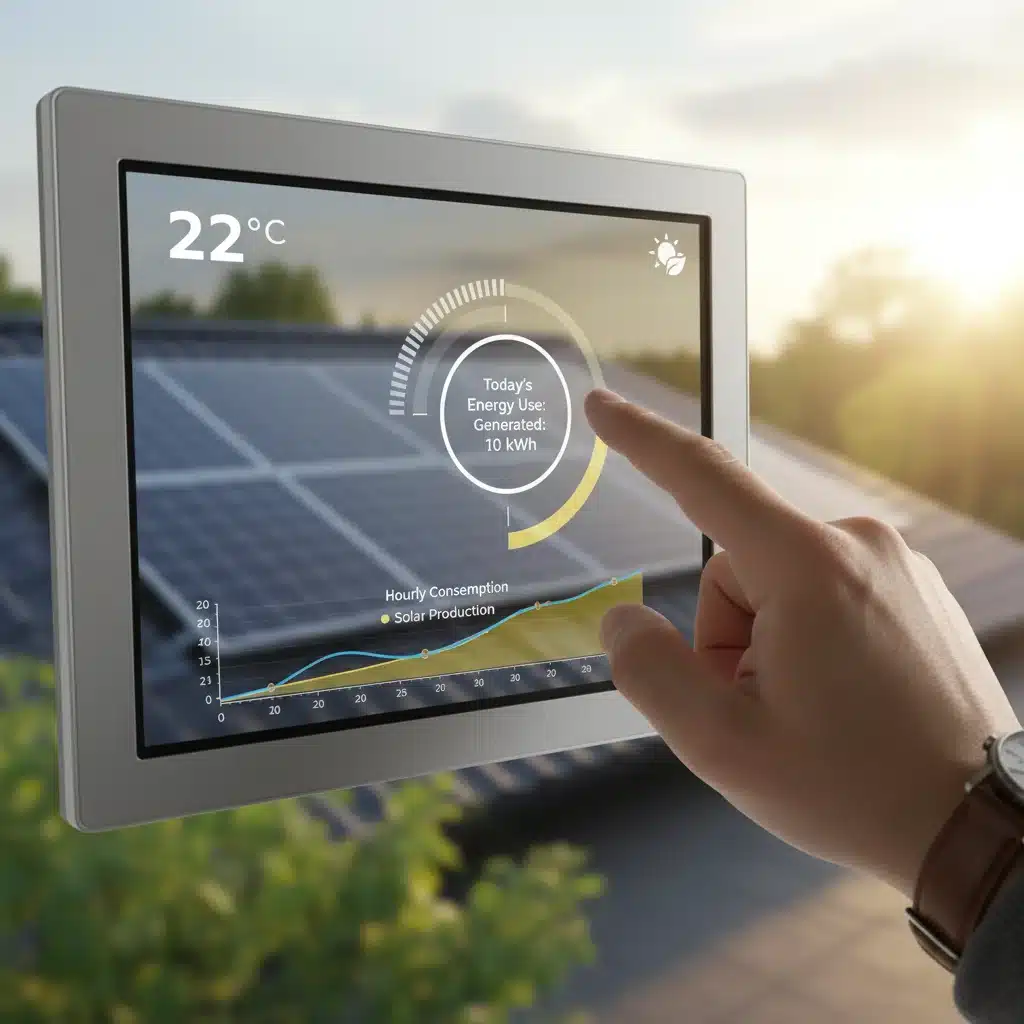
As environmental consciousness grows and energy costs fluctuate, the second major trend in smart home integrations is the widespread adoption of integrated sustainable energy management systems. This isn’t just about installing solar panels; it’s about creating a holistic system where renewable energy generation, efficient consumption, and intelligent storage work together to minimize your carbon footprint and reduce utility bills.
Early 2026 sees these systems becoming more sophisticated, moving beyond simple monitoring to active management and optimization. Homeowners are looking for ways to not only produce their own clean energy but also to use it as efficiently as possible, and even contribute back to the grid, transforming their homes into active participants in a sustainable energy ecosystem.
Components of a Modern Sustainable Energy System
A truly integrated sustainable energy management system typically comprises several key components:
- Solar Photovoltaic (PV) Panels: The primary source of renewable energy, now more efficient and aesthetically integrated into roofing materials.
- Battery Storage Solutions: Advanced home batteries that store excess solar energy for use during peak hours or at night, reducing reliance on the grid.
- Smart Inverters and Converters: Intelligent devices that manage the flow of electricity between solar panels, batteries, and the home grid, optimizing energy usage.
- Energy Monitoring and Management Software: The brain of the system, often AI-powered, that tracks energy production and consumption, identifies inefficiencies, and makes real-time adjustments.
- Smart Appliances and HVAC Systems: Energy-efficient appliances and heating/cooling systems that can be controlled and optimized by the central energy management system.
- Electric Vehicle (EV) Charging Integration: Seamless integration with home EV charging stations, allowing for optimized charging during periods of high solar production or low grid demand.
These components, when linked through robust smart home integrations, create a powerful and efficient energy hub for your residence.
Intelligent Energy Optimization and Grid Interaction
The real innovation lies in the intelligent optimization capabilities. The energy management system, often integrated with the hyper-personalization AI, learns your energy consumption patterns. It can then make smart decisions, such as charging your EV when solar production is highest, discharging battery power during peak utility rates, or automatically adjusting your thermostat based on forecasted weather and your stored energy reserves. This dynamic management ensures you’re always using energy in the most cost-effective and environmentally friendly way possible.
Furthermore, these systems are increasingly designed for seamless interaction with the broader energy grid. Through concepts like ‘virtual power plants’ and ‘demand response programs,’ homeowners can actively participate in balancing the grid, selling excess energy back or reducing consumption during peak demand periods, often receiving financial incentives in return. This transforms your home from a passive consumer into an active energy contributor, a crucial step in future-proofing against energy price volatility and promoting environmental stewardship. The integration of these sustainable energy smart home integrations is not just a trend but a necessity for the modern, responsible homeowner.
3. Advanced Biometric and AI-Enhanced Security Systems: Uncompromised Protection
The third major trend shaping smart home integrations in early 2026 is the evolution of home security into advanced biometric and AI-enhanced systems. Moving beyond traditional keypads and motion sensors, these new systems offer unparalleled levels of protection, convenience, and peace of mind. The focus is on proactive threat detection, seamless access control, and intelligent monitoring that can differentiate between a family member and an intruder with remarkable accuracy.
As homes become more connected, securing them against both physical and digital threats becomes paramount. The latest security integrations combine cutting-edge hardware with sophisticated AI algorithms to create a protective shield around your property, making these smart home integrations indispensable.
Biometric Access Control: Your Identity is Your Key
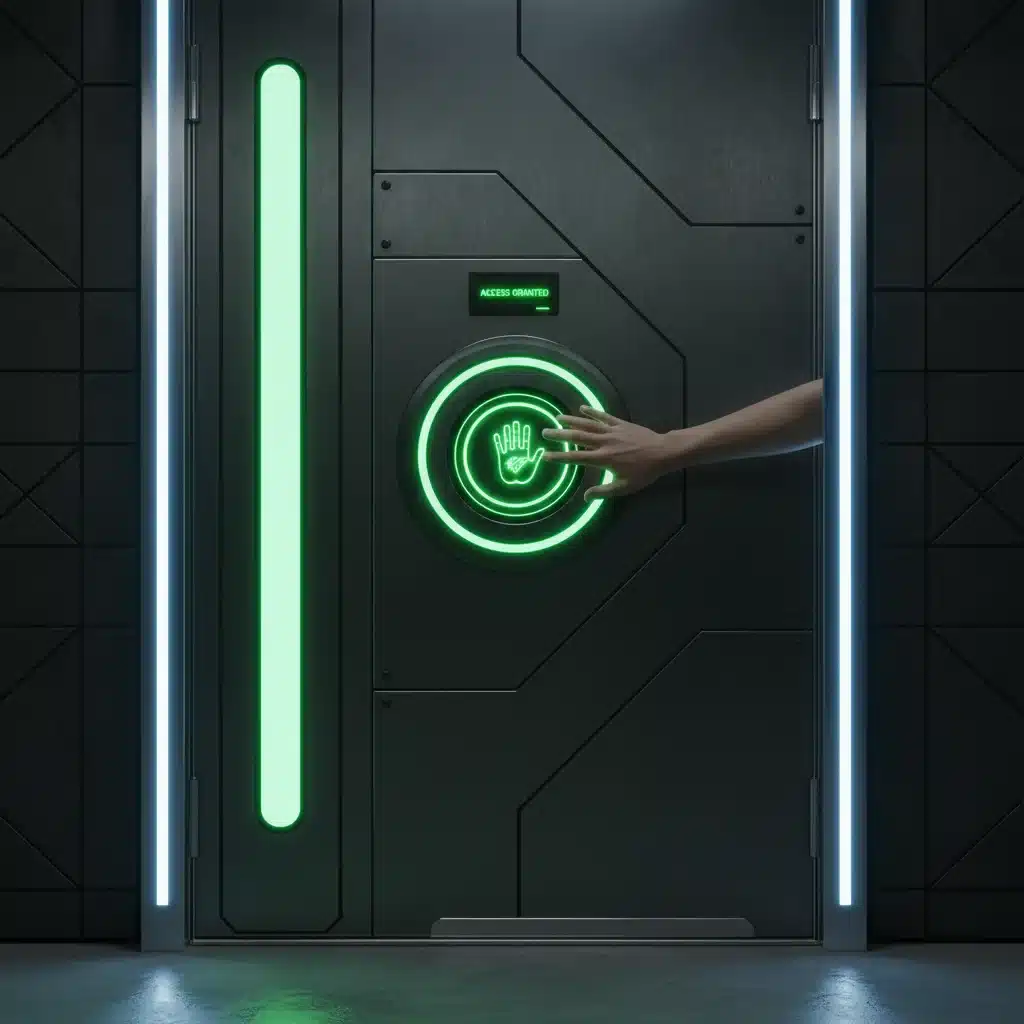
Biometric authentication is at the forefront of modern home security. Fingerprint scanners, facial recognition, and even iris scanning are becoming common methods for granting access. These systems offer several advantages over traditional keys or codes:
- Enhanced Security: Biometric data is incredibly difficult to replicate or steal, providing a much higher level of security.
- Keyless Convenience: No more fumbling for keys or remembering complex codes. Access is granted instantly and seamlessly.
- Personalized Access: Different family members can have different access privileges, and the system can log who enters and exits the home.
- Guest Management: Temporary biometric access can be granted to visitors or service providers, with automated expiration.
These systems are often integrated directly into smart locks, video doorbells, and even garage door openers, creating a unified and highly secure entry point for your home. The sophistication of these smart home integrations ensures that only authorized individuals gain entry.
AI-Enhanced Surveillance and Threat Detection
Beyond access control, AI is revolutionizing home surveillance. Smart cameras are no longer just recording video; they are actively analyzing it in real-time. AI algorithms can:
- Differentiate Between Humans, Animals, and Vehicles: Reducing false alarms caused by pets or passing cars.
- Recognize Known Individuals: Alerting you if an unrecognized person is on your property, or even sending a welcome message if a family member arrives.
- Detect Suspicious Behavior: Identifying unusual patterns like someone lingering near windows, attempting to tamper with locks, or unauthorized package removal.
- Integrate with Other Smart Devices: If a suspicious activity is detected, the system can automatically trigger floodlights, sound alarms, or even lock all doors and windows, creating an immediate and comprehensive response.
- Cybersecurity for Smart Devices: AI also plays a crucial role in securing the network of smart devices itself, monitoring for unusual data traffic or attempted cyber-attacks, ensuring the integrity of your smart home integrations.
These AI capabilities mean your security system is not just a passive observer but an active guardian, capable of intelligent threat assessment and rapid response. The integration of these advanced security features offers a level of protection previously only seen in commercial or government facilities, truly future-proofing your home against modern security challenges.
The Synergy of Smart Home Integrations: A Unified Ecosystem
While we’ve discussed these three trends independently, their true power lies in their synergy. The most advanced smart home integrations in early 2026 are not just standalone systems but a cohesive, interconnected ecosystem where each component enhances the others. Imagine a scenario:
Your AI-driven hyper-personalization system learns your morning routine. As you wake up, the integrated sustainable energy system has already pre-heated your water using stored solar power. The smart blinds open gently, and the lighting adjusts to a soft, natural glow, all orchestrated by the AI anticipating your needs. As you leave for work, the biometric security system confirms your departure, automatically locking all doors, arming the surveillance cameras, and optimizing the HVAC system for energy savings while you’re away. If an unfamiliar face approaches your door later, the AI-enhanced security camera immediately alerts you and can even communicate with your smart lock to prevent unauthorized entry.
This level of seamless interaction and proactive management is what defines the future of smart home integrations. It’s about creating a living environment that is not only convenient and comfortable but also highly efficient, secure, and responsive to your unique lifestyle. The integration extends to health and wellness monitoring, smart kitchen appliances that assist with meal planning, and even advanced entertainment systems that adapt to your mood and presence.
Challenges and Considerations for Adoption
Despite the immense benefits, there are considerations for homeowners looking to embrace these advanced smart home integrations:
- Cost of Entry: While prices are decreasing, initial investment in these comprehensive systems can be substantial.
- Interoperability Standards: Ensuring all devices and platforms can communicate effectively is crucial. The industry is moving towards more open standards, but it’s still a factor to consider.
- Privacy Concerns: With more data being collected and analyzed, concerns about data privacy and security are paramount. Choosing reputable brands with strong privacy policies is essential.
- Installation and Maintenance: These complex systems often require professional installation and periodic maintenance to ensure optimal performance.
- Future-Proofing for Upgrades: Selecting systems that are modular and easily upgradable will prevent obsolescence as technology continues to advance.
Addressing these challenges involves careful planning, research, and potentially consulting with smart home integration specialists. However, the long-term benefits in terms of comfort, efficiency, and security far outweigh these initial hurdles.
Conclusion: Embracing the Future of Smart Home Integrations
The dawn of early 2026 marks a pivotal moment in the evolution of home technology. The focus has shifted from individual smart devices to a comprehensive, interconnected ecosystem driven by advanced smart home integrations. AI-driven hyper-personalization, integrated sustainable energy management, and advanced biometric and AI-enhanced security systems are not just trends; they are the foundational pillars of the future smart home.
These innovations promise a living experience that is more intuitive, efficient, secure, and sustainable than ever before. By understanding and strategically adopting these technologies, homeowners can transform their residences into truly future-proof spaces that adapt to their needs, contribute positively to the environment, and provide unparalleled peace of mind. The journey towards a smarter, more connected home is an exciting one, and the advancements gaining traction now are setting the stage for a revolutionary decade in home living. Prepare to embrace a home that doesn’t just house you, but actively works to enhance your life, powered by the intelligence of seamless smart home integrations.