Mindful Consumption 2026: Reduce Waste 15% with Insider Strategies
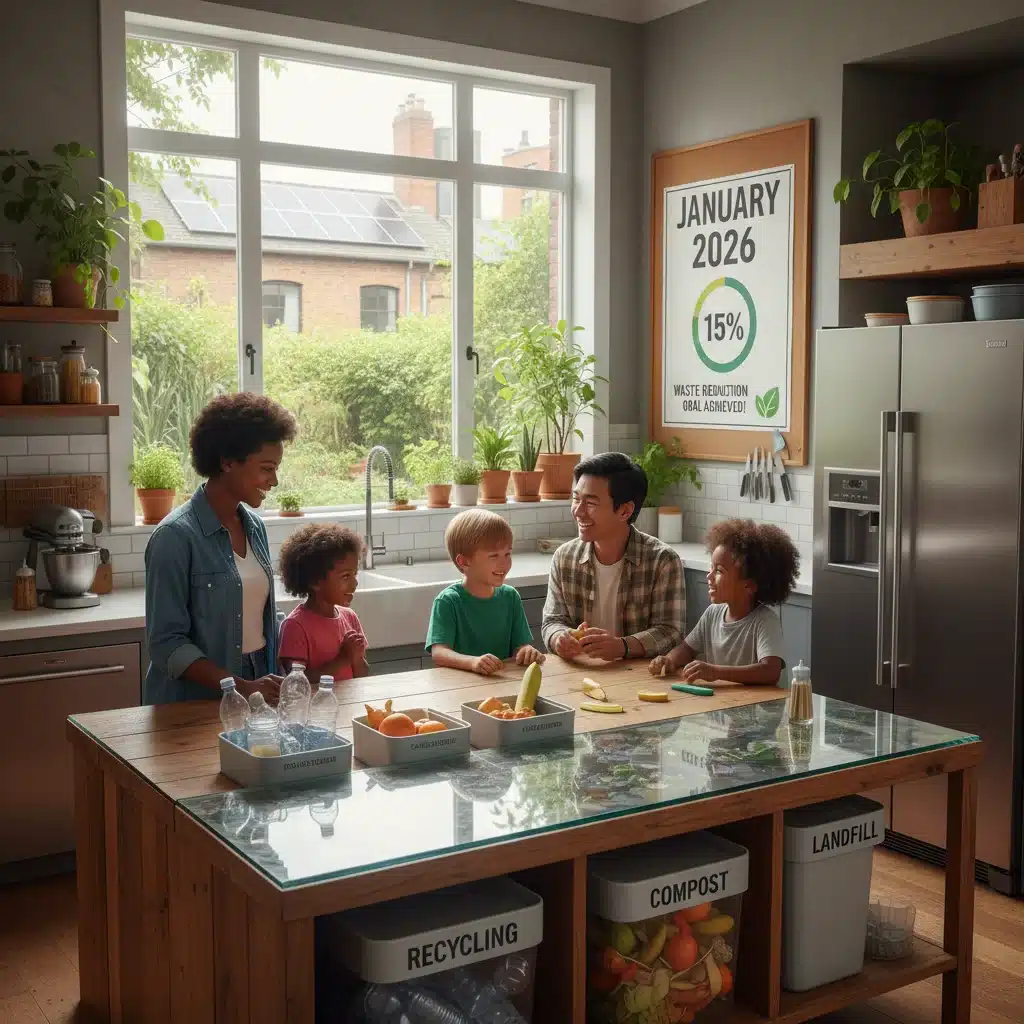
In an era where environmental consciousness is no longer a niche concern but a global imperative, the concept of reduce household waste has taken center stage. As we look towards 2026, the urgency to adopt more sustainable practices intensifies. Many households are grappling with the sheer volume of waste they produce, often feeling overwhelmed by the challenge of making a significant impact. However, with the right strategies and a commitment to mindful consumption, achieving a 15% reduction in household waste is not just an ambitious goal, but an entirely attainable reality. This comprehensive guide will equip you with five insider strategies that go beyond the basics, offering actionable insights and practical tips to transform your home into a beacon of sustainable living.
The journey to significantly reduce household waste begins with understanding its origins. Our consumption habits, often driven by convenience and societal norms, are the primary culprits. From excessive packaging to food waste, and from disposable goods to fast fashion, the modern lifestyle contributes heavily to landfills. But what if we told you that making a tangible difference doesn’t require a complete overhaul of your life, but rather a series of thoughtful adjustments? These insider strategies are designed to be integrated seamlessly into your daily routine, empowering you to make conscious choices that collectively lead to a remarkable reduction in your environmental footprint. By 2026, imagine the collective impact if every household committed to these principles. Let’s delve into the actionable steps that will guide you towards a more sustainable and waste-free future.
The Imperative to Reduce Household Waste by 15% by 2026
The year 2026 isn’t just a number; it’s a benchmark for sustainable progress. Scientists and environmentalists worldwide are calling for drastic reductions in waste generation to mitigate climate change and protect our planet’s delicate ecosystems. While governmental policies play a crucial role, individual household efforts are equally, if not more, impactful. Every piece of plastic avoided, every food scrap composted, and every reusable item chosen contributes to a larger tapestry of environmental stewardship. Our target of a 15% reduction in household waste is not arbitrary. It’s a challenging yet achievable goal that, if adopted widely, could lead to monumental shifts in our waste management systems and natural resource consumption. This article is your blueprint for achieving that goal, focusing on practical, effective, and often overlooked methods to reduce household waste.
Understanding the ‘why’ behind waste reduction is just as important as knowing the ‘how’. Landfills are overflowing, oceans are choking with plastic, and the extraction of new resources continues to deplete our planet. By committing to reduce household waste, you’re not just cleaning up your own backyard; you’re participating in a global movement for a healthier planet. This commitment brings numerous benefits, from saving money on groceries and products to fostering a deeper connection with your consumption habits. It’s about living more intentionally, valuing resources, and recognizing the interconnectedness of our actions with the environment. Let’s explore the strategies that will empower you to be a part of this vital change.
Strategy 1: Master the Art of Conscious Purchasing and Pre-Cycling
The first and most powerful step in the journey to reduce household waste lies at the point of purchase. Pre-cycling, a term gaining traction in zero-waste communities, means thinking about the waste a product will generate *before* you buy it. This goes beyond simply choosing recyclable materials; it involves actively seeking out products with minimal or no packaging, opting for durable over disposable items, and prioritizing local, unpackaged goods. Imagine the impact if every shopping trip began with the question: “How much waste will this item create?”
One of the most effective ways to implement conscious purchasing is to embrace bulk buying. Many stores now offer bulk sections for grains, nuts, spices, and even cleaning supplies. Bringing your own reusable containers and bags can drastically cut down on plastic and paper packaging. This not only helps to reduce household waste but often proves more economical in the long run. Furthermore, consider the entire lifecycle of a product. Can it be repaired? Can it be repurposed? Is it designed to last? Investing in quality, long-lasting items, even if they have a higher upfront cost, often results in less waste and better value over time. For instance, instead of buying disposable razors, invest in a safety razor with replaceable blades. Choose reusable coffee cups, water bottles, and lunch containers over single-use alternatives. These small shifts in purchasing habits accumulate into significant waste reduction.
Another critical aspect of conscious purchasing is supporting businesses committed to sustainability. Research brands that use eco-friendly packaging, offer refill programs, or have take-back initiatives for their products. Your consumer choices have power, and by directing your money towards sustainable businesses, you encourage a market shift towards more responsible production. This strategy requires a bit more intentionality and planning but yields substantial results in your efforts to reduce household waste. Before you even bring an item into your home, you’ve already made a powerful statement against waste.

Strategy 2: Revolutionize Your Kitchen with Food Waste Prevention
Food waste is a colossal problem, accounting for a significant portion of household waste. Globally, nearly one-third of all food produced is either lost or wasted. In many homes, perfectly edible food ends up in the bin due to poor planning, improper storage, or misunderstanding expiration dates. By adopting smart kitchen practices, you can dramatically reduce household waste related to food, saving money and resources in the process.
The cornerstone of food waste prevention is meal planning. Before you shop, plan your meals for the week, taking stock of what you already have. Create a precise shopping list and stick to it, avoiding impulse buys that often lead to unused ingredients. Once groceries are home, proper storage is key. Learn the best ways to store different fruits and vegetables to maximize their shelf life. For example, storing herbs in a glass of water like a bouquet, or keeping apples separate from other produce, can make a big difference. Utilizing airtight containers and understanding your refrigerator’s optimal settings can also extend food freshness, helping you to reduce household waste from spoilage.
Another insider tip is to embrace ‘root-to-stem’ or ‘nose-to-tail’ cooking. This means using every edible part of your produce, from broccoli stems to carrot tops, and transforming leftover ingredients into new dishes. Vegetable scraps can be frozen and used to make flavorful broths, while overripe fruits can become smoothies or baked goods. Understanding the difference between ‘best by’ and ‘use by’ dates is also crucial. Many foods are perfectly safe and delicious to consume past their ‘best by’ date. Implement a ‘first in, first out’ (FIFO) system in your pantry and fridge to ensure older items are used before newer ones. Finally, for unavoidable food scraps, composting is an invaluable tool. Whether you have a backyard compost bin, a worm farm, or access to a municipal composting program, diverting organic waste from landfills is a powerful way to reduce household waste and enrich your garden.
Strategy 3: Embrace the Circular Economy: Repair, Reuse, Repurpose
In a consumer-driven society, the default reaction to a broken item is often to replace it. However, a significant strategy to reduce household waste is to challenge this mindset and embrace the principles of the circular economy: repair, reuse, and repurpose. This approach not only keeps items out of landfills but also fosters creativity and self-sufficiency.
Repairing items extends their lifespan and prevents them from becoming waste. From mending clothes to fixing appliances, learning basic repair skills or seeking out local repair shops can save you money and significantly reduce household waste. Many communities have ‘repair cafes’ where volunteers help fix broken items, promoting a culture of mending over discarding. Before throwing something away, ask yourself: “Can this be fixed?” Often, a simple repair can give an item a new lease of life.
Reusing items is another powerful strategy. This goes beyond simply using reusable bags. Think about items that typically get one use and find ways to give them multiple lives. Glass jars from food products can become storage containers, drinking glasses, or craft supplies. Old towels can become cleaning rags. Before you discard something, consider if it could be useful to someone else. Donating gently used clothes, furniture, and electronics to charities or giving them away through platforms like Freecycle or Buy Nothing groups ensures they find a new home rather than ending up in a landfill. This act of giving and receiving not only helps to reduce household waste but also builds stronger community ties.
Repurposing takes reuse a step further, transforming an item into something new with a different function. An old ladder can become a bookshelf, pallet wood can be turned into furniture, and even plastic bottles can be crafted into planters. The internet is brimming with DIY ideas for repurposing almost anything. By looking at discarded items with a creative eye, you unlock their hidden potential and contribute significantly to reducing your waste footprint. This mindset shift from consumer to creator is a crucial element in our goal to reduce household waste by 15% by 2026.
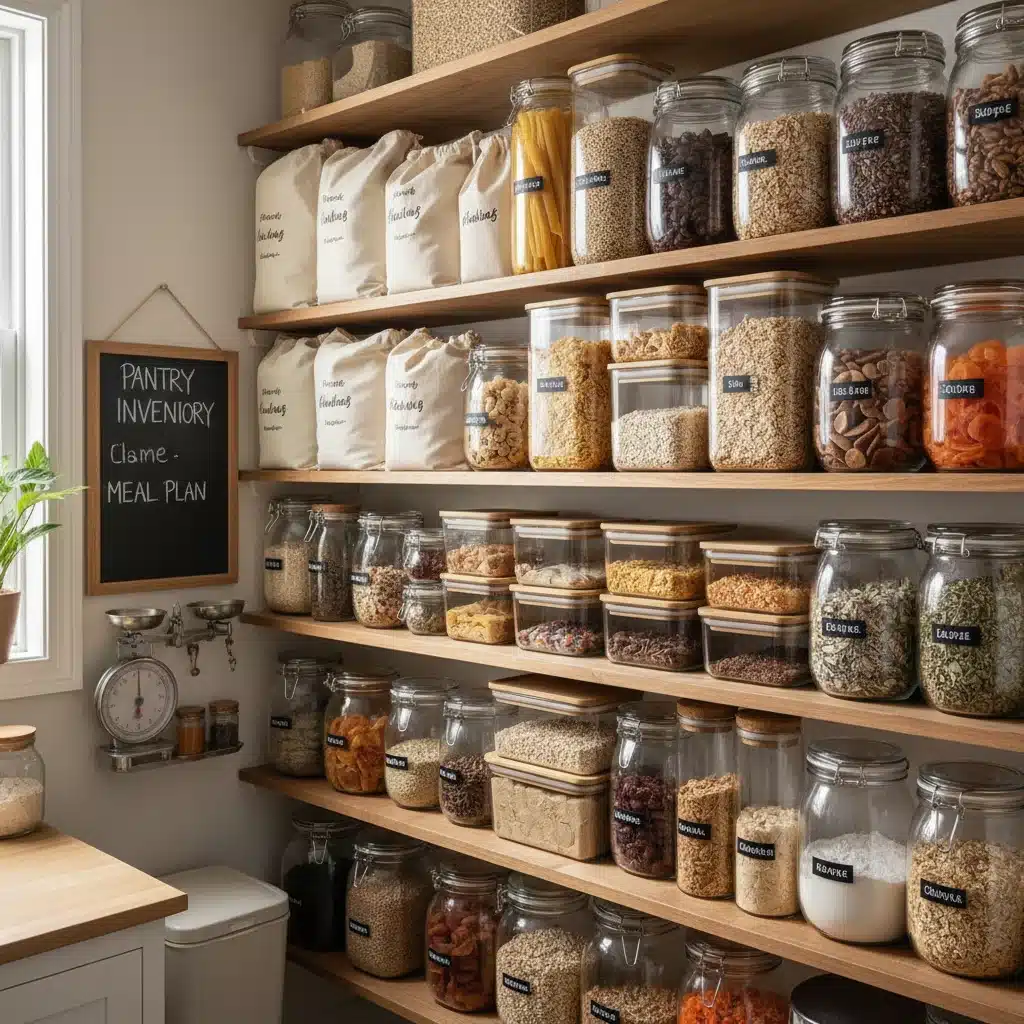
Strategy 4: Optimize Your Recycling and Composting Efforts
While the first three strategies focus on prevention and reduction, effective management of unavoidable waste is equally important. Optimizing your recycling and composting efforts ensures that materials are properly diverted from landfills and given a chance at a new life. Many people believe they are good at recycling, but common mistakes can lead to contamination and render entire batches unrecyclable. By understanding your local guidelines and adopting best practices, you can significantly enhance your ability to reduce household waste.
Firstly, familiarize yourself with your local recycling rules. What materials are accepted? Are there specific preparation requirements, such as rinsing containers or removing lids? Recycling guidelines vary significantly by municipality, so what’s recyclable in one area might not be in another. ‘Wish-cycling’ – putting items in the recycling bin hoping they are recyclable – is a major problem, as it can contaminate loads and send otherwise recyclable materials to the landfill. When in doubt, it’s often better to throw it out than to contaminate the recycling stream. Clearly label your recycling bins at home to make it easy for everyone in the household to sort correctly, further helping to reduce household waste that ends up in the wrong place.
Beyond traditional recycling, embrace composting for all organic waste. As mentioned earlier, food scraps and yard waste make up a substantial portion of household trash. Composting transforms these materials into nutrient-rich soil amendment, closing the loop on organic waste. If backyard composting isn’t an option, explore municipal composting programs, community gardens that accept scraps, or even local food waste collection services. Even small steps, like collecting coffee grounds and fruit peels for a friend’s compost pile, contribute to the larger goal to reduce household waste. Consider investing in a small kitchen compost bin for convenience, making it easier to collect scraps before transferring them to a larger outdoor bin or collection point. The impact of diverting organic matter from landfills is immense, as it prevents the production of methane, a potent greenhouse gas.
Strategy 5: Embrace Digitalization and Minimalist Living
Our final insider strategy to reduce household waste by 15% by 2026 involves a dual approach: leveraging digitalization and adopting principles of minimalist living. These strategies work hand-in-hand to reduce physical clutter, paper waste, and the overall consumption of new goods.
Digitalization offers countless opportunities to reduce paper waste. Switch to online billing, statements, and subscriptions wherever possible. Opt for digital documents instead of printing. Use digital note-taking apps instead of physical notebooks. While seemingly small, the cumulative effect of these choices can be substantial. For example, instead of buying physical books, consider using an e-reader or borrowing from a digital library. This not only saves paper but also reduces the energy and resources associated with manufacturing and transporting physical copies. Embrace digital communication over paper correspondence. These shifts are not only eco-friendly but often add convenience to your life, streamlining processes and reducing the physical clutter that often accompanies paper documents. This intentional move towards a paperless lifestyle is a powerful way to reduce household waste.
Minimalist living, on the other hand, encourages a conscious reduction of possessions. It’s not about deprivation, but about intentionality – owning only what you truly need and value. This philosophy naturally leads to less consumption and, consequently, less waste. Before making a new purchase, ask yourself: “Do I truly need this? Do I already own something that serves a similar purpose?” Decluttering your home regularly, donating or selling items you no longer use, prevents them from becoming future waste. The ‘one in, one out’ rule can be incredibly effective: for every new item you bring into your home, one old item must leave. This mindful approach to possessions helps to stem the tide of accumulating goods that eventually become trash, making it a cornerstone strategy to reduce household waste.
Minimalism also extends to conscious consumption of experiences over material goods. Instead of buying another gadget, invest in a memorable trip, a class, or a shared activity. These experiences enrich your life without adding to your waste stream. By combining the efficiency of digitalization with the intentionality of minimalism, you create a lifestyle that is inherently less wasteful, more organized, and ultimately more fulfilling. This holistic approach is essential for achieving and sustaining our 15% waste reduction goal by 2026.
The Collective Impact of Mindful Consumption
Achieving a 15% reduction in household waste by 2026 might seem like a daunting task for an individual household, but the power lies in collective action. Each of these five insider strategies, when consistently applied, contributes significantly to the overall goal. Imagine the global impact if millions of households adopted these practices. The demand for new resources would decrease, landfills would shrink, and our planet would breathe a sigh of relief. This isn’t just about waste; it’s about fostering a deeper respect for our planet’s finite resources and promoting a more sustainable way of life for future generations.
The journey to reduce household waste is ongoing, requiring continuous learning, adaptation, and commitment. It’s about progress, not perfection. Start with one or two strategies that resonate most with you, and gradually integrate others into your routine. Share your successes and challenges with friends and family, inspiring others to join the movement. Educate yourself on new sustainable products and practices as they emerge. By 2026, let’s not just hope for a cleaner planet; let’s actively build it, one mindful consumption choice at a time. Your household’s contribution, however small it may seem individually, is a vital piece of the global sustainability puzzle. Embrace these insider strategies, and become a leader in the movement to reduce household waste and champion a healthier, more sustainable future.