Sustainable Living Trends 2026: Eco-Friendly Home Products Impact
Sustainable Living Trends 2026: A Deep Dive into Eco-Friendly Home Products and Their Real Impact
The global conversation around sustainability continues to intensify, and with it, the market for eco-friendly home products is exploding. As we look towards 2026, consumers are not just seeking greener alternatives; they demand transparency, verifiable impact, and genuine innovation. This article will explore the most prominent sustainable living trends shaping our homes in 2026, comparing various eco-friendly home products and critically evaluating their real-world environmental impact. Our goal is to empower you with the knowledge to make truly sustainable choices for your living space.
The Evolving Landscape of Sustainable Living
Sustainable living is no longer a niche concept; it’s a mainstream movement. In 2026, we’re seeing a more sophisticated understanding of what ‘eco-friendly’ truly means. It’s not enough for a product to be made from recycled materials; consumers are scrutinizing the entire lifecycle, from sourcing and manufacturing to transportation and end-of-life disposal. This holistic view is driving innovation and pushing brands to be more accountable. The demand for eco-friendly home products is influencing design, material science, and even supply chain logistics.
One of the most significant shifts is the move from simply ‘less bad’ to ‘actively good.’ This means products that not only minimize harm but actively contribute positively to the environment, such as those that are carbon-negative, regenerative, or support biodiversity. This evolving mindset is crucial for understanding the trends we’ll discuss.
Trend 1: Circular Economy Dominates Home Furnishings
From Linear to Loop: Furniture and Decor
The traditional ‘take-make-dispose’ model is rapidly being replaced by circular economy principles, especially in home furnishings. In 2026, you’ll find an abundance of furniture designed for disassembly, repair, and recycling. Brands are offering buy-back programs, rental services, and modular designs that can be updated rather than replaced. The focus is on maximizing product lifespan and resource efficiency. When considering eco-friendly home products for your living room or bedroom, look for certifications like Cradle to Cradle or B Corp status, which indicate a commitment to circularity.
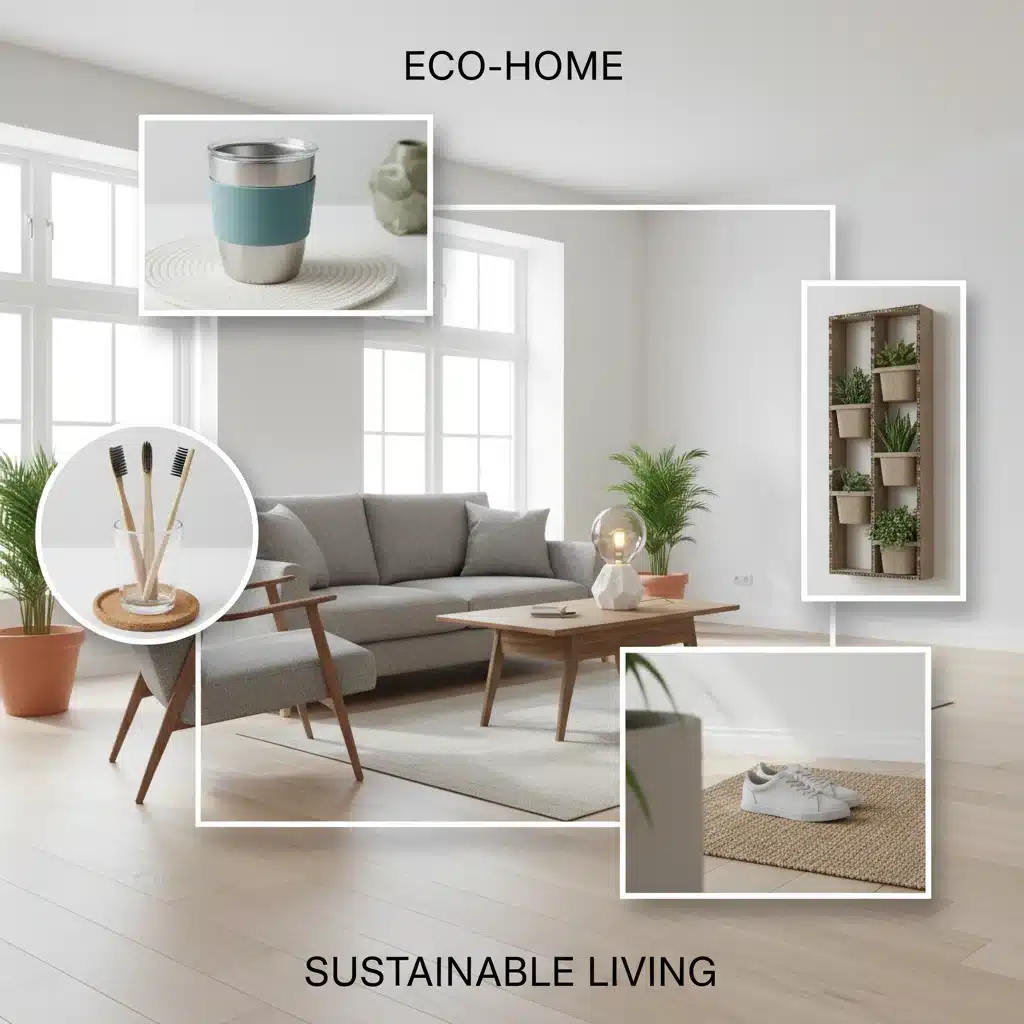
Materials are also undergoing a revolution. Beyond recycled plastics and reclaimed wood, we’re seeing innovative use of mycelium (mushroom-based materials), agricultural waste, and even 3D-printed furniture using biodegradable polymers. The aesthetic is often minimalist, emphasizing durability and timeless design over fleeting trends. This approach not only reduces waste but also lowers the carbon footprint associated with manufacturing new items. The real impact here is a significant reduction in landfill waste and virgin resource extraction.
Trend 2: Smart Home Technology for Resource Efficiency
Beyond Convenience: Smart Tech as an Eco-Ally
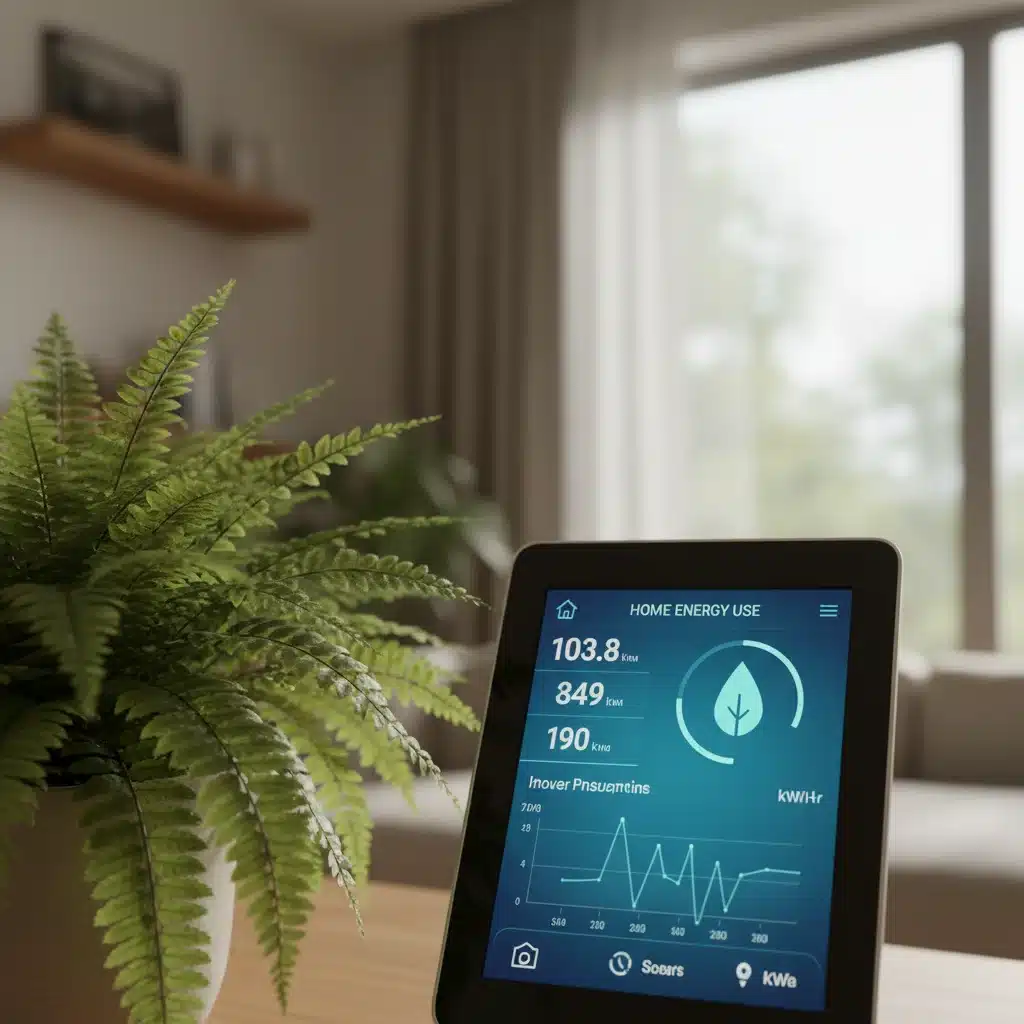
Smart home technology, once primarily about convenience, has become a cornerstone of sustainable living. In 2026, integrated systems that monitor and optimize energy, water, and waste are standard. Smart thermostats that learn your habits and adjust heating/cooling, intelligent lighting systems that respond to natural light, and even smart irrigation systems that use hyper-local weather data are becoming commonplace. These eco-friendly home products are designed to reduce consumption without sacrificing comfort.
The real impact of these technologies lies in their ability to provide granular data on resource usage, empowering homeowners to make informed decisions. AI-driven analytics can identify inefficiencies and suggest improvements, leading to substantial reductions in utility bills and carbon emissions. Furthermore, smart appliances are increasingly designed with energy efficiency ratings (like Energy Star 7.0 or higher) and often include features for off-peak energy consumption, further reducing grid strain and costs.
Trend 3: The Rise of Bio-Based and Non-Toxic Cleaning Products
Clean Home, Clean Planet: Safer Alternatives
The cleaning aisle has seen a dramatic overhaul. Consumers are increasingly aware of the health and environmental risks associated with conventional cleaning chemicals. By 2026, bio-based, non-toxic, and refillable cleaning solutions are the norm. Brands are leveraging natural enzymes, plant-derived surfactants, and essential oils to create powerful yet gentle cleaners. Packaging is also a key consideration, with concentrate refills, dissolvable pods, and aluminum or glass bottles replacing single-use plastics.
The impact of these eco-friendly home products is multifaceted. Firstly, they reduce indoor air pollution, leading to healthier living environments. Secondly, they prevent harmful chemicals from entering waterways, protecting aquatic ecosystems. Thirdly, the shift to refillable and minimal packaging significantly cuts down on plastic waste. Look for certifications like EPA Safer Choice or Ecocert to ensure genuine environmental credentials.
Trend 4: Water Conservation Innovations Take Center Stage
Every Drop Counts: Smart Water Management
Water scarcity is a growing concern globally, and home innovations are responding. In 2026, advanced water-saving fixtures, appliances, and systems are essential. Low-flow toilets, water-efficient showerheads, and smart faucets with motion sensors are standard. Beyond fixtures, greywater recycling systems that reuse water from sinks and showers for irrigation or toilet flushing are gaining traction, especially in new constructions and renovations. Rainwater harvesting systems are also becoming more sophisticated, integrated seamlessly into home design.
The real impact here is a drastic reduction in household water consumption, alleviating pressure on local water resources. This is particularly crucial in drought-prone regions but beneficial everywhere. These eco-friendly home products not only save water but also reduce the energy required to treat and transport water, offering a double environmental benefit. Some advanced systems even offer real-time water leak detection, preventing costly waste and property damage.
Trend 5: Hyper-Local and Regenerative Food Systems at Home
Grow Your Own: From Windowsills to Vertical Farms
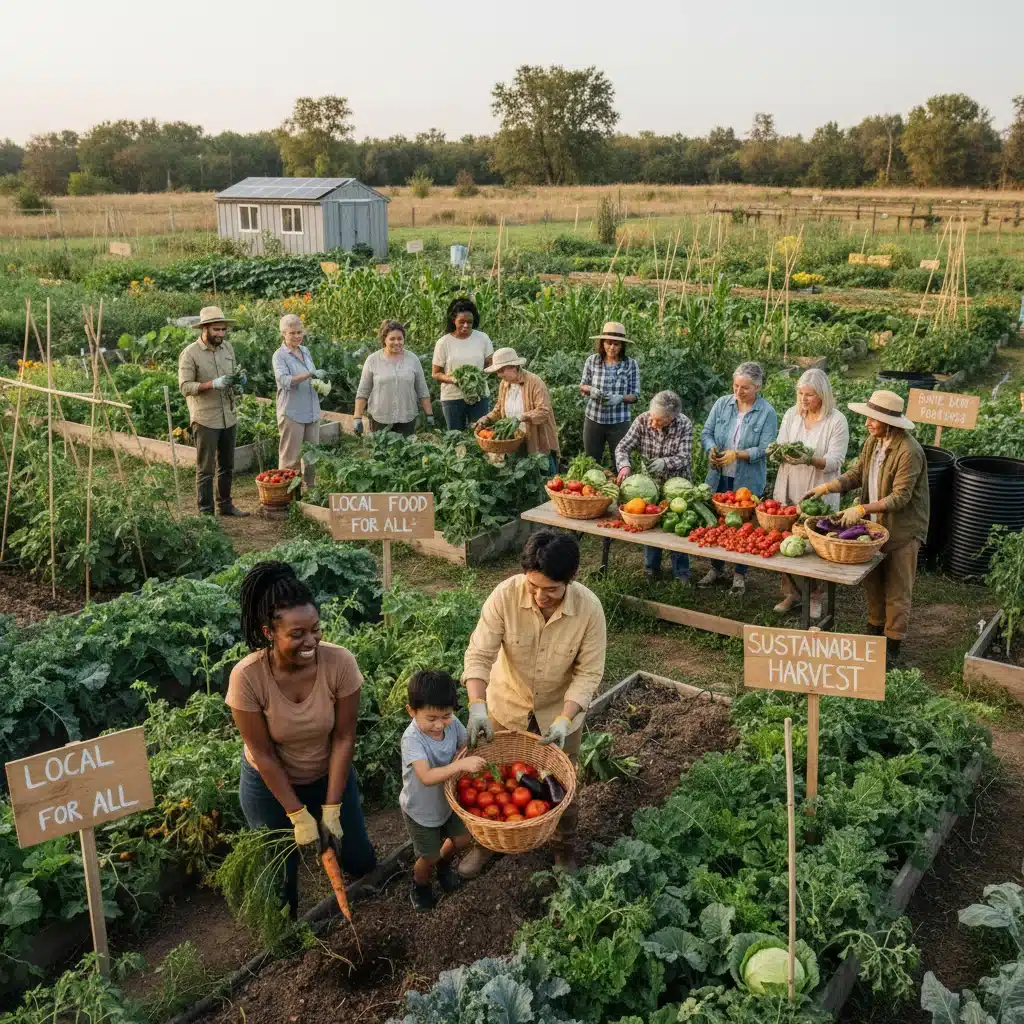
The desire for fresh, healthy food with a minimal carbon footprint is driving a surge in home-based food production. In 2026, indoor vertical gardens, hydroponic systems, and compact composting solutions are widely available and increasingly automated. From herb walls in urban apartments to backyard chicken coops and advanced composting systems, consumers are taking greater control over their food sources. These systems reduce reliance on long supply chains, minimize food waste, and often provide fresher, more nutritious produce.
The impact of these eco-friendly home products is profound: reduced food miles, lower carbon emissions from agriculture, decreased packaging waste, and enhanced food security. Composting also diverts organic waste from landfills, where it would otherwise produce potent greenhouse gases. This trend fosters a deeper connection to nature and a greater understanding of food’s journey from soil to plate.
Trend 6: Sustainable Textiles and Materials for Home Linens
Beyond Organic Cotton: Innovative Fabrics
The textile industry has a significant environmental footprint, but innovation in sustainable home linens is rapidly changing this. In 2026, you’ll find bedding, towels, and curtains made from a wider array of sustainable materials. Beyond certified organic cotton, popular choices include hemp, linen (flax), Tencel (lyocell from eucalyptus), and even fabrics made from recycled plastic bottles or ocean waste. The dyeing processes are also becoming greener, utilizing natural dyes or closed-loop systems that recycle water and chemicals.
When selecting these eco-friendly home products, consider not just the material but also the manufacturing process. Look for certifications like GOTS (Global Organic Textile Standard) or Oeko-Tex Standard 100, which ensure ecological and social criteria are met throughout the supply chain. The real impact is a reduction in pesticide use, water consumption, and chemical pollution associated with conventional textile production, leading to healthier homes and a healthier planet.
Evaluating Real Impact: Beyond Greenwashing
With the proliferation of eco-friendly home products, greenwashing remains a significant concern. It’s crucial for consumers to look beyond catchy labels and delve into the verifiable impact of products. Here’s how to critically evaluate:
- Certifications: Look for reputable third-party certifications (e.g., Energy Star, USDA Organic, Cradle to Cradle, Fair Trade, B Corp, GOTS, EPA Safer Choice). These indicate that a product has met stringent environmental and social standards.
- Life Cycle Assessment (LCA): A true eco-friendly product considers its entire life cycle. Brands that provide LCA data are demonstrating transparency and a commitment to genuine sustainability.
- Material Sourcing: Understand where materials come from. Are they responsibly harvested, recycled, or rapidly renewable? Avoid products linked to deforestation or exploitative labor.
- Manufacturing Process: Does the company use renewable energy, minimize waste, and conserve water in its production? Transparency about manufacturing is key.
- Packaging: Is the packaging minimal, recyclable, compostable, or made from recycled content? Packaging waste is a huge environmental problem.
- Durability and Repairability: A durable product that can be repaired or upgraded has a far lower environmental footprint than a disposable one.
- End-of-Life Options: Can the product be recycled, composted, or safely returned to the manufacturer?
By asking these questions, you can distinguish genuinely sustainable eco-friendly home products from those merely capitalizing on the green trend.
The Economic and Social Benefits of Eco-Friendly Choices
Choosing eco-friendly home products isn’t just good for the planet; it also offers tangible economic and social benefits. Economically, investing in energy-efficient appliances and water-saving systems can lead to significant long-term savings on utility bills. Durable, high-quality sustainable products often last longer, reducing the need for frequent replacements. The growth of the green economy also creates new jobs and fosters innovation.
Socially, opting for non-toxic products creates healthier indoor environments, particularly beneficial for children, pets, and individuals with sensitivities. Supporting companies committed to ethical labor practices and fair wages contributes to a more equitable global economy. Furthermore, adopting sustainable practices at home often inspires broader community engagement and a sense of collective responsibility for our planet’s future. It’s a ripple effect where individual choices contribute to a larger, positive societal transformation.
Challenges and the Path Forward
While the momentum for sustainable living is strong, challenges remain. The initial cost of some eco-friendly home products can be higher, though this is often offset by long-term savings and increased durability. Availability can also be an issue in some regions, though online marketplaces are rapidly expanding access. Greenwashing continues to confuse consumers, making critical evaluation skills more important than ever.
The path forward involves continued innovation in sustainable materials and manufacturing processes, coupled with stronger regulatory frameworks that incentivize eco-friendly practices and penalize misleading claims. Consumer education is paramount, empowering individuals to make informed choices and demand greater transparency from brands. As we move further into 2026 and beyond, the collective power of conscious consumers will continue to drive the market towards a truly sustainable future for our homes and our planet.
Conclusion: Building a Greener Future, One Home at a Time
The sustainable living trends of 2026 paint a hopeful picture of a future where our homes are not just places of comfort but also bastions of environmental responsibility. From circular economy furnishings and smart resource management to bio-based cleaning solutions and home-grown food, the options for integrating eco-friendly home products into our daily lives are diverse and impactful. By understanding the real environmental benefits, scrutinizing claims, and prioritizing products with verifiable sustainability credentials, we can all contribute to a healthier planet and a more sustainable lifestyle. The journey to a greener home is continuous, but with each conscious choice, we build a better world for ourselves and for generations to come. Embrace these trends, educate yourself, and be a part of the movement towards a truly sustainable future.