Urban Exodus to Suburban Sprawl: Reshaping American Communities in 2026
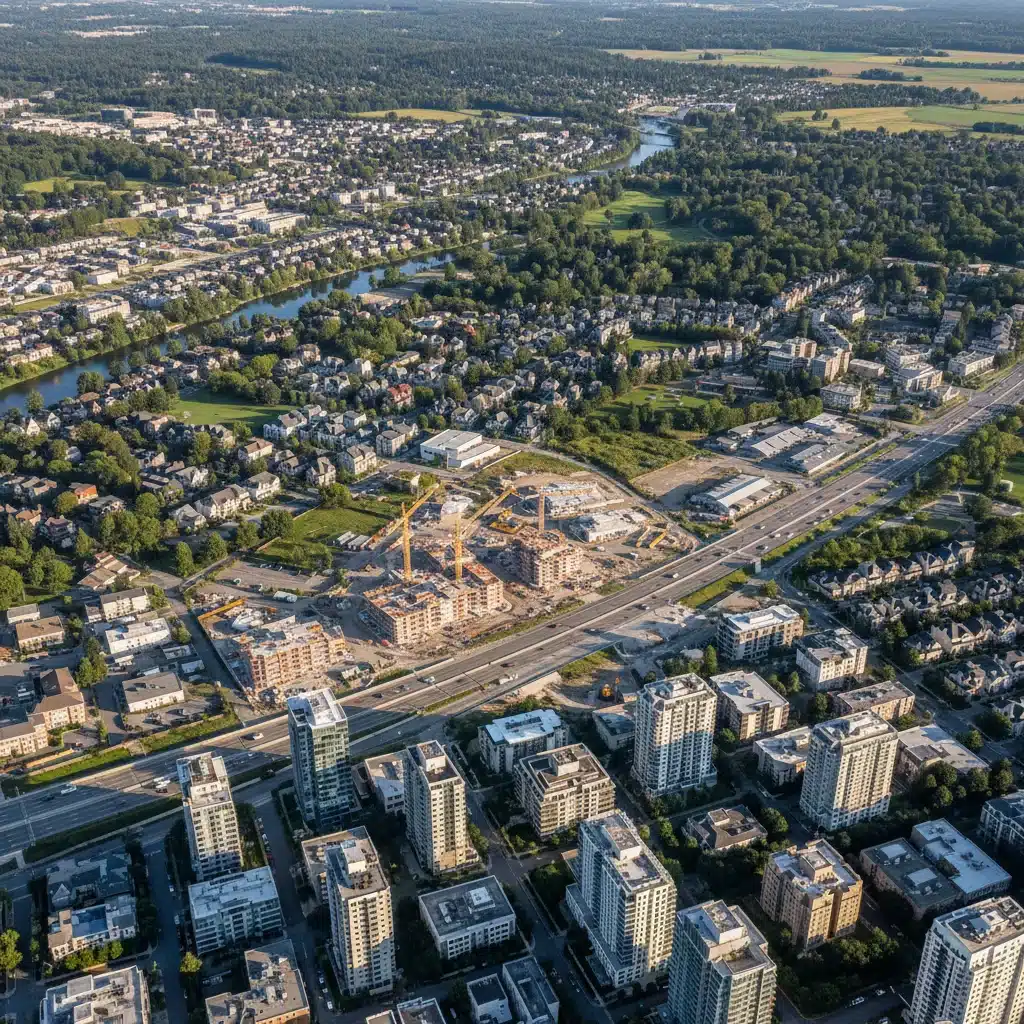
The landscape of American communities is in a perpetual state of flux, a dynamic interplay of economic forces, technological advancements, and shifting societal values. As we approach 2026, several profound trends are not merely shaping but actively reshaping the fabric of where and how Americans live, work, and interact. The narrative of the bustling city versus the tranquil suburb is evolving, giving way to more nuanced patterns of settlement and community development. Understanding these American community trends is crucial for policymakers, urban planners, businesses, and indeed, every citizen invested in the future of their locale.
The COVID-19 pandemic acted as an accelerant, intensifying pre-existing movements and catalyzing new ones. The allure of dense urban centers, once an undeniable magnet for talent and innovation, has been tempered by a renewed appreciation for space, affordability, and a different quality of life. This has fueled what many are calling the ‘urban exodus,’ but it’s not a simple flight; rather, it’s a complex redistribution with significant implications for both the areas people are leaving and the areas they are moving to. This article will delve into four pivotal societal trends that are fundamentally altering American communities, offering a comparative analysis of their impacts and what we can anticipate in the coming years.
The Urban Exodus and the Rise of Exurban Living
The first and arguably most visible trend reshaping American communities is the continued urban exodus, leading to a significant rise in exurban living. For decades, urbanization was the dominant narrative, with cities growing in population and economic power. However, the pandemic, coupled with persistent issues like high cost of living, congestion, and perceived quality of life challenges in major metropolitan areas, has prompted a reevaluation for many Americans. The ability to work remotely, which we will explore further, has liberated a substantial portion of the workforce from the necessity of living within a commutable distance to their offices.
This isn’t just a simple move from city to suburb; it’s a move to exurbs and even smaller, more rural towns that offer greater space, lower housing costs, and often a slower pace of life. These exurban areas, typically located beyond the traditional suburbs but still within a reasonable drive of a major city, are experiencing unprecedented growth. They offer a blend of rural charm with suburban amenities, often boasting larger homes, bigger yards, and access to nature that is increasingly difficult to find or afford in closer-in areas. The demand for single-family homes in these regions has surged, driving up property values and straining existing infrastructure.
The consequences of this shift are multifaceted. For the cities experiencing an outflow, there are concerns about shrinking tax bases, declining vibrancy in certain neighborhoods, and the potential for a downward spiral if not managed effectively. Cities are being forced to innovate, focusing on retaining residents through improved public services, reimagined public spaces, and fostering unique cultural identities that cannot be replicated elsewhere. For the exurbs, the challenges include rapid population growth outpacing infrastructure development, leading to increased traffic, strain on schools, and demand for new public services. Balancing growth with preserving the character that attracted people in the first place is a delicate act.
Moreover, this trend has significant environmental implications. Increased sprawl often means more vehicle miles traveled, higher energy consumption, and greater pressure on undeveloped land. Planners are grappling with how to accommodate this growth in a sustainable manner, promoting denser development within exurban centers, investing in public transit options where feasible, and protecting natural habitats. The American community trends towards exurban living underscore a fundamental human desire for space and connection to nature, but also highlight the complex planning and resource allocation challenges that accompany such large-scale demographic shifts.
The Pervasive Impact of Remote Work on Community Design
The second transformative trend, intrinsically linked to the urban exodus, is the pervasive impact of remote work. What was once a niche benefit has become a mainstream expectation for many industries, fundamentally decoupling work from a specific physical location. This shift has profound implications for American community trends, influencing everything from housing demand to the revitalization of smaller towns and the reimagining of urban spaces.
With fewer people needing to commute daily to a central office, the criteria for choosing a place to live have expanded dramatically. Factors like proximity to work are now often secondary to quality of life metrics: access to good schools, recreational opportunities, community amenities, and overall affordability. This newfound flexibility has empowered individuals and families to seek out communities that better align with their lifestyle preferences, rather than being dictated by job location. This has fueled the growth of exurbs, but also breathed new life into many smaller cities and towns that were previously struggling with population decline.
The impact on housing markets is undeniable. Demand for larger homes with dedicated office spaces has skyrocketed, as has the appeal of communities that offer reliable high-speed internet – a non-negotiable utility for remote workers. This has led to a geographical redistribution of housing demand, with some traditionally expensive urban markets seeing a softening, while more affordable, amenity-rich exurban and rural areas experience heated competition and rising prices. This shift can create affordability challenges for existing residents in newly popular areas, underscoring the need for thoughtful community planning.
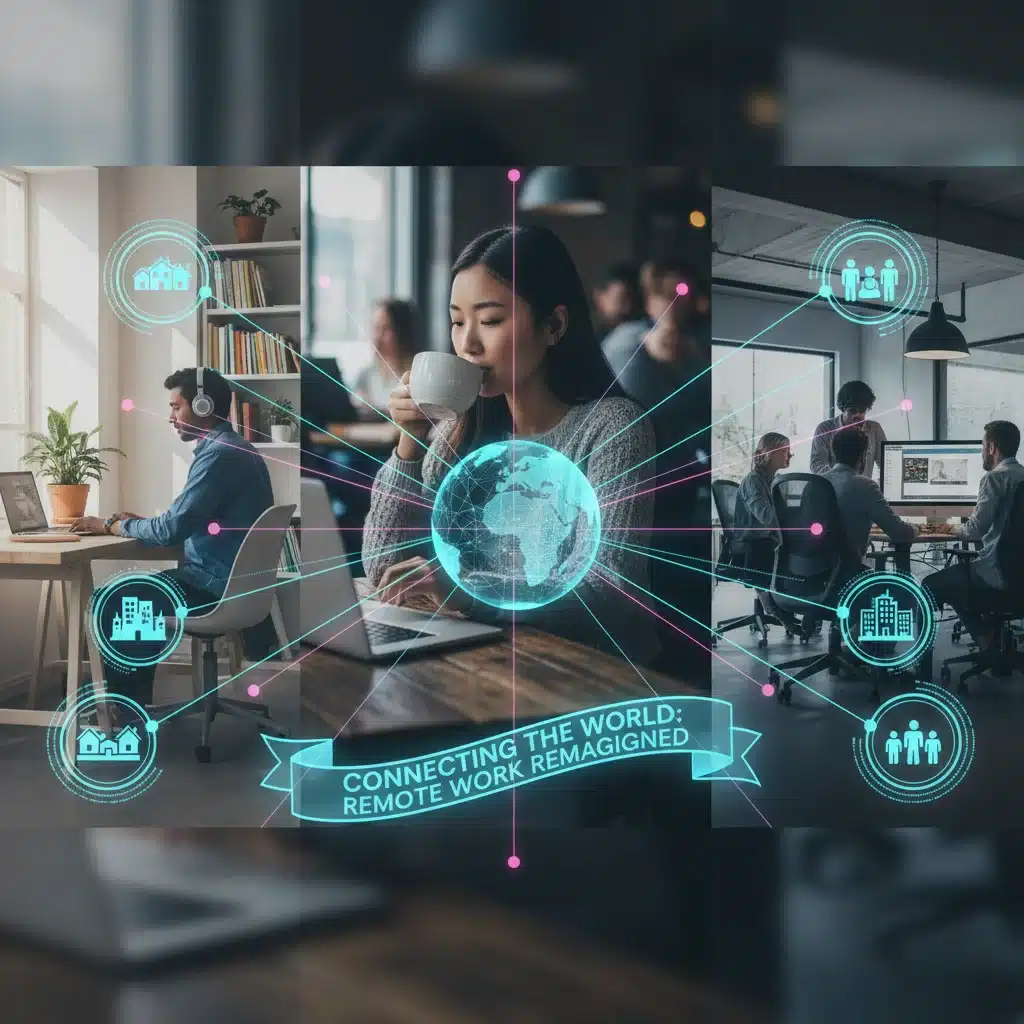
Beyond housing, remote work is reshaping the physical and social infrastructure of communities. There’s a growing need for co-working spaces in suburban and exurban areas, allowing remote workers to maintain a sense of professional community and escape home distractions. Local businesses, from coffee shops to restaurants, are seeing increased patronage during weekdays, as more residents are present in their communities throughout the day. This can foster a stronger sense of local identity and economic vitality, provided these businesses can adapt to the new patterns of demand.
For urban centers, the challenge is to repurpose commercial real estate that was once solely dedicated to office use. This presents an opportunity to convert office buildings into residential units, mixed-use developments, or vibrant community hubs, potentially revitalizing downtowns with a more diverse and resident-focused economy. The future of American community trends is one where the lines between work, home, and leisure are increasingly blurred, demanding flexible and adaptable urban and suburban planning.
The Aging Population and Its Influence on Community Needs
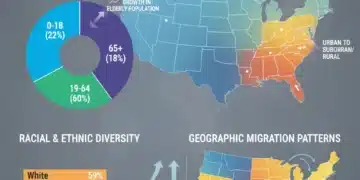
A third significant trend influencing American community trends is the demographic shift towards an increasingly aging population. The baby boomer generation is reaching retirement age, and subsequent generations are also aging, leading to a substantial increase in the proportion of older adults within communities across the nation. This demographic shift presents unique challenges and opportunities, requiring communities to rethink their infrastructure, services, and social structures to accommodate the needs of their senior residents.
The implications for housing are considerable. There’s a growing demand for age-friendly housing options, including single-story homes, accessible apartments, and communities designed with senior living in mind. This includes features like wider doorways, grab bars, and proximity to essential services. Many older adults also express a desire to ‘age in place,’ remaining in their homes and communities as long as possible. This necessitates investments in home modification programs, in-home care services, and community support networks that enable independent living.
Transportation is another critical area. As some older adults reduce or cease driving, communities need robust and accessible public transportation options, ride-sharing services, and even volunteer-based transport programs. Sidewalks, crosswalks, and public spaces must be designed with accessibility in mind, ensuring ease of mobility for individuals with varying levels of physical ability. The American community trends towards an older population demand a focus on universal design principles in urban planning.
Beyond physical infrastructure, the social and economic needs of an aging population are paramount. Access to healthcare services, including specialized geriatric care, becomes increasingly important. Communities must also foster social engagement and combat isolation among seniors. This can involve creating senior centers, intergenerational programs, volunteer opportunities, and accessible recreational activities. The wisdom and experience of older adults represent a valuable resource, and communities that successfully integrate them into civic life will thrive.
Economically, an aging population can impact the workforce and local economies. While some seniors continue to work part-time or volunteer, there can be a reduced tax base from working professionals and increased demand for social security and healthcare spending. However, older adults also represent a significant consumer market and can contribute to the local economy through their spending and continued engagement. Addressing the needs of an aging population is not just a matter of social responsibility; it’s a strategic imperative for the long-term health and vitality of American communities.
The Drive for Sustainable and Resilient Communities
The fourth major trend shaping American communities is the accelerating drive for sustainability and resilience. Faced with the undeniable impacts of climate change, resource scarcity, and increasingly frequent extreme weather events, communities are recognizing the urgent need to adapt and build for a more sustainable future. This encompasses everything from energy consumption and waste management to green infrastructure and disaster preparedness, fundamentally altering how communities are planned, built, and managed.
One key aspect of this trend is the push for renewable energy. Communities are investing in solar panels, wind farms, and other clean energy sources to reduce their carbon footprint and increase energy independence. This also involves improving energy efficiency in buildings, promoting smart grid technologies, and encouraging sustainable transportation options like electric vehicles, cycling, and public transit. The American community trends towards greener living are becoming a defining characteristic of forward-thinking municipalities.
Green infrastructure is another vital component. This involves integrating natural systems into urban and suburban environments to manage stormwater, improve air quality, reduce urban heat island effects, and enhance biodiversity. Examples include permeable pavements, rain gardens, green roofs, and urban forests. These solutions not only provide environmental benefits but also improve the aesthetic appeal and quality of life within communities, offering recreational spaces and fostering a connection to nature.
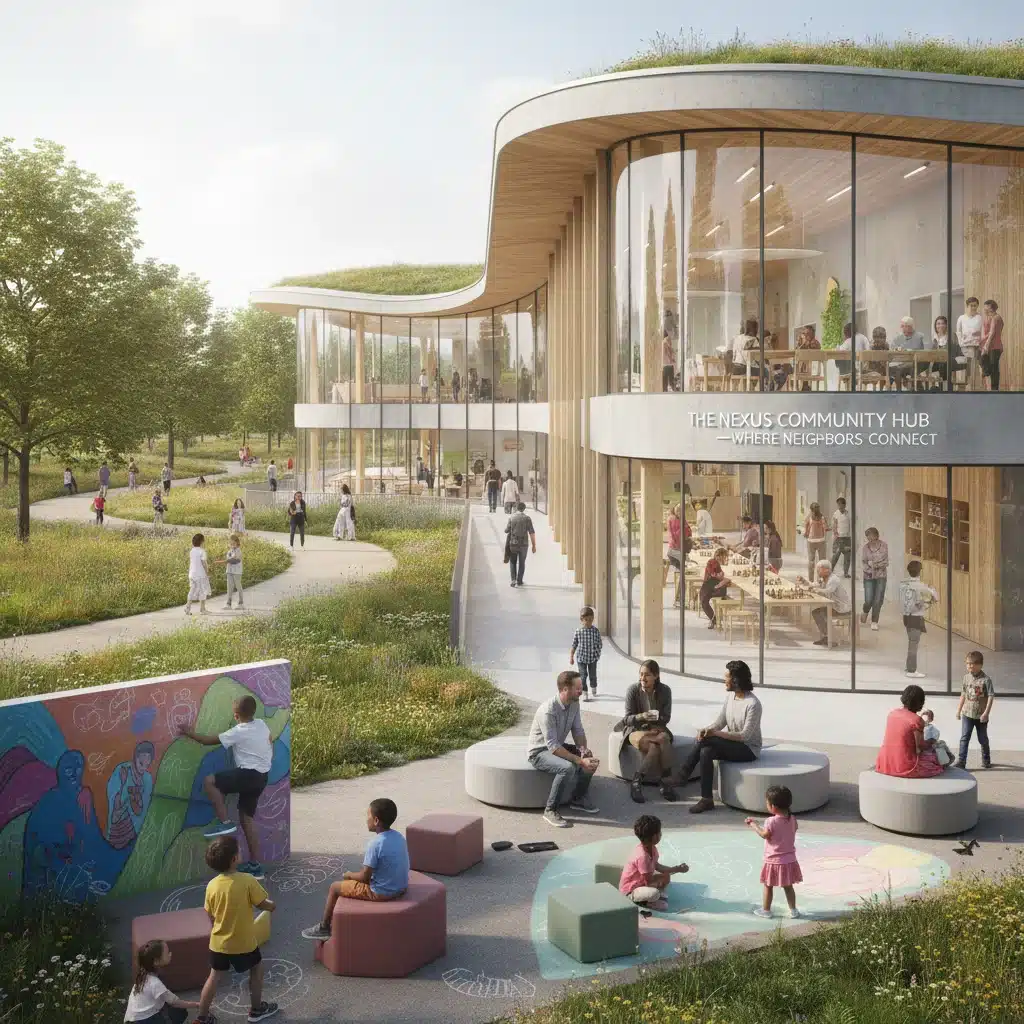
Resilience, in this context, refers to a community’s ability to withstand and recover from shocks and stresses, whether they are natural disasters, economic downturns, or public health crises. This involves developing comprehensive disaster preparedness plans, strengthening critical infrastructure against extreme weather, and fostering social cohesion and adaptive capacity within the population. It also means building diversified local economies that are less vulnerable to single-industry downturns and investing in local food systems to enhance food security.
The pursuit of sustainable and resilient communities often involves significant public and private investment, as well as strong community engagement. It requires a long-term vision and a willingness to innovate and collaborate across different sectors. While the initial costs can be substantial, the long-term benefits in terms of environmental protection, economic stability, and improved public health are immeasurable. As American community trends continue to evolve, the imperative for sustainability and resilience will only grow stronger, becoming a central pillar of future development.
Conclusion: Navigating the Future of American Communities
The American community is a living, breathing entity, constantly adapting to the forces that shape its existence. The four societal trends discussed – the urban exodus and rise of exurban living, the pervasive impact of remote work, the influence of an aging population, and the drive for sustainable and resilient communities – are not isolated phenomena. Instead, they are deeply interconnected, forming a complex web of challenges and opportunities that will define the landscape of American life in 2026 and beyond.
The urban exodus, fueled by remote work, is redistributing populations and challenging traditional notions of urban and suburban boundaries. This necessitates a rethinking of infrastructure, resource allocation, and public services in both growing exurbs and evolving urban centers. Simultaneously, the aging demographic demands communities that are more accessible, supportive, and engaging for older adults, ensuring their continued contributions and well-being. Overlaying all of this is the urgent call for sustainability and resilience, driving innovations in energy, infrastructure, and community planning to safeguard our future.
For communities to thrive in this evolving environment, proactive planning, flexible governance, and inclusive engagement are paramount. This means investing in diverse housing options, expanding high-speed internet access, developing robust public transportation, creating age-friendly environments, and prioritizing green infrastructure. It also requires fostering a strong sense of local identity and social cohesion, recognizing that vibrant communities are built not just on physical infrastructure but on the strength of human connections.
The future of American community trends is not predetermined; it is being actively shaped by the choices we make today. By understanding these powerful forces and responding with foresight and adaptability, we can build communities that are not only economically prosperous and environmentally sound but also socially equitable and profoundly livable for all their residents. The journey from urban exodus to suburban sprawl, and beyond, is a testament to the enduring American spirit of adaptation and reinvention, promising a dynamic and diverse future for our towns and cities.