The Rise of Conscious Consumerism: How 3 New Trends are Redefining Ethical Spending in 2026
The Rise of Conscious Consumerism: How 3 New Trends are Redefining Ethical Spending in 2026
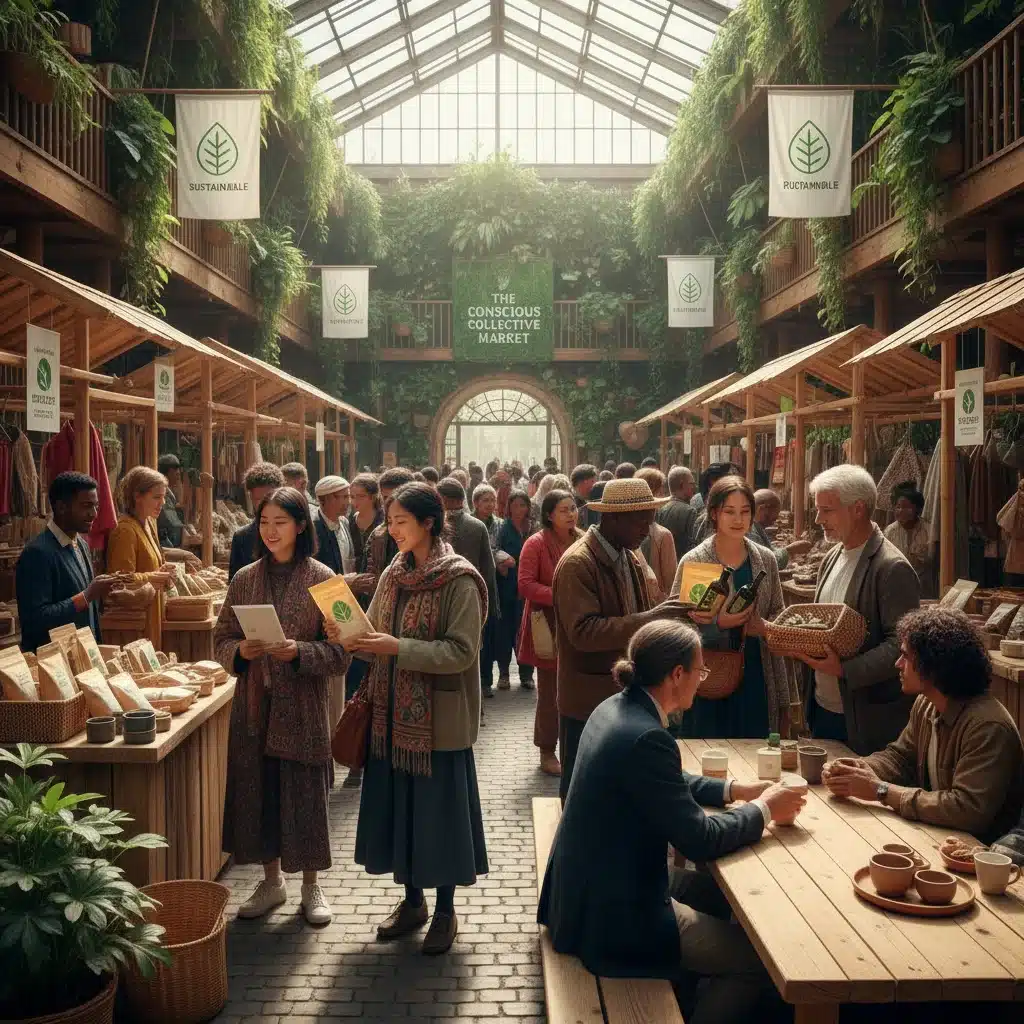
In an increasingly interconnected and environmentally aware world, the way we spend our money has become a powerful statement of our values. Welcome to the era of conscious consumerism trends, a movement that has been steadily gaining momentum and is set to reach new heights by 2026. No longer content with simply acquiring goods and services, today’s consumers are scrutinizing every aspect of a brand’s operations, from its environmental footprint to its social impact and ethical labor practices.
The landscape of consumption is undergoing a profound transformation. What was once a niche concern for a select few has now permeated mainstream buying habits, driven by a confluence of factors: heightened awareness of climate change, social justice movements, technological advancements enabling greater transparency, and a generational shift towards purpose-driven living. As we look ahead to 2026, three distinct and powerful conscious consumerism trends are emerging as dominant forces, poised to redefine ethical spending and reshape the global marketplace.
This comprehensive guide will delve deep into these pivotal trends, offering insights into their origins, their current impact, and their projected trajectory. Understanding these shifts is not just crucial for ethical consumers; it’s imperative for businesses aiming to thrive in a future where values are as important as price and quality. Join us as we explore how hyper-transparency, the pervasive adoption of circular economy principles, and the rise of impact-driven investing are collectively forging a new paradigm for conscious consumption.
Trend 1: Hyper-Transparency and the Demand for Verifiable Ethics
The first and perhaps most foundational of the conscious consumerism trends for 2026 is the unyielding demand for hyper-transparency. Consumers are no longer satisfied with vague claims of sustainability or ethical sourcing. They want proof, and they want it verifiable. This trend is fueled by a growing distrust in corporate greenwashing and a desire to make genuinely informed decisions about their purchases.
The End of Greenwashing: Authenticity as the New Currency
For years, companies have used ambiguous language and clever marketing to project an image of environmental or social responsibility without necessarily implementing substantive changes. This practice, known as greenwashing, is rapidly losing its efficacy. Today’s conscious consumers are savvier, equipped with tools and information to cut through the marketing fluff. Social media platforms, independent review sites, and investigative journalism have empowered individuals to expose misleading claims, holding brands accountable in real-time. Authenticity has become the new currency, and brands that fail to demonstrate it risk alienating a significant portion of their customer base.
Blockchain and Supply Chain Traceability: The Ultimate Proof
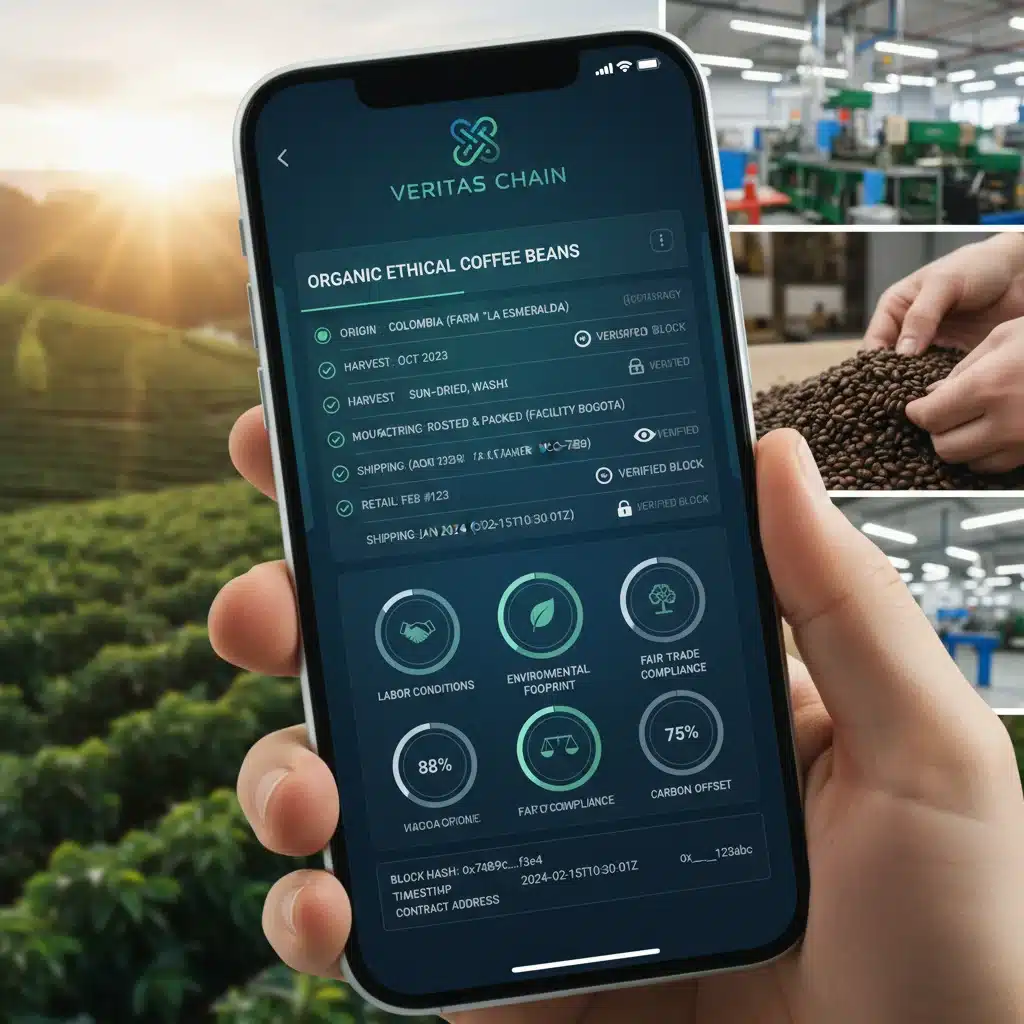
One of the most significant technological enablers of hyper-transparency is blockchain technology. By 2026, we expect to see widespread adoption of blockchain for supply chain traceability across various industries. Imagine scanning a QR code on a product and instantly accessing an immutable ledger detailing its entire journey: from the source of raw materials, through every stage of manufacturing, to its distribution. This includes information about labor conditions, energy consumption, waste management, and certifications at each step.
For instance, a coffee brand could provide verifiable data on the specific farm where the beans were grown, the fair wages paid to farmers, the organic certification process, and the carbon footprint of its transportation. Similarly, a fashion brand could trace every fiber of a garment back to its origin, ensuring ethical labor practices and sustainable material sourcing. This level of granular detail leaves no room for doubt or deception, building unparalleled trust between consumers and brands. The demand for such verifiable ethics is a cornerstone of the evolving conscious consumerism trends.
Impact Reporting and Certifications: Beyond the Label
Beyond supply chain data, consumers are also demanding comprehensive impact reporting. This goes beyond simple certifications and asks for measurable outcomes. Brands will be expected to publish detailed reports on their environmental impact (e.g., carbon emissions reduction, water conservation, waste diversion) and social impact (e.g., fair wages, community development, diversity and inclusion metrics). Independent third-party certifications will continue to play a vital role, but consumers will seek out those that offer the most rigorous standards and transparent auditing processes.
The implications for businesses are profound. It means investing in robust data collection systems, collaborating closely with supply chain partners, and being prepared to openly share information, even when it reveals imperfections. For conscious consumers, it means having unprecedented power to make choices that truly align with their values, knowing that the claims they read are backed by verifiable data. This shift towards hyper-transparency is not just a passing fad; it’s a fundamental recalibration of trust in the marketplace, defining the future of conscious consumerism trends.
Trend 2: The Pervasive Adoption of Circular Economy Principles
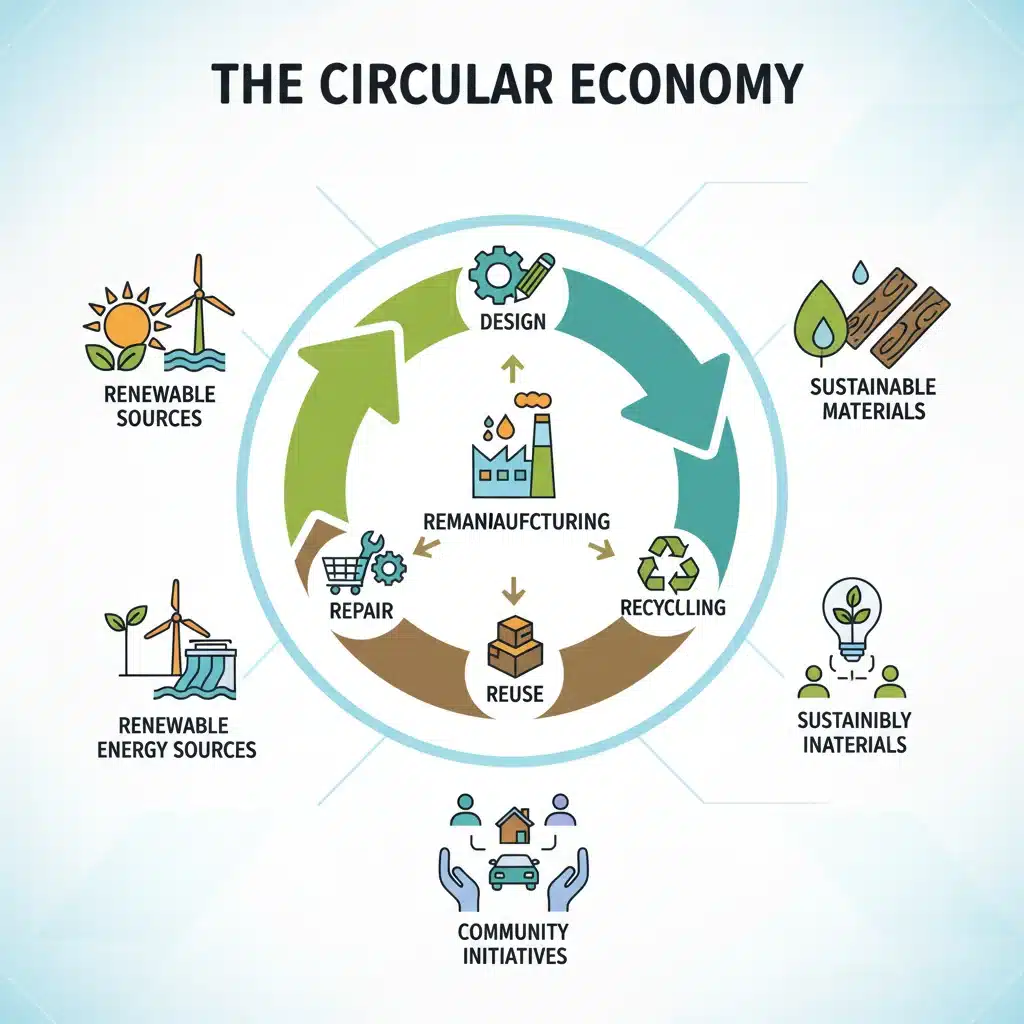
The second major force shaping conscious consumerism trends by 2026 is the widespread embrace of circular economy principles. Moving away from the traditional linear ‘take-make-dispose’ model, the circular economy focuses on keeping resources in use for as long as possible, extracting the maximum value from them while in use, then recovering and regenerating products and materials at the end of their service life. This paradigm shift is crucial for addressing global challenges like resource depletion, waste accumulation, and climate change.
From Ownership to Access: The Rise of Product-as-a-Service
A key manifestation of the circular economy is the shift from product ownership to product-as-a-service (PaaS) models. Instead of buying a product outright, consumers pay for its use, maintenance, and eventual return to the manufacturer for refurbishment or recycling. This model incentivizes manufacturers to design durable, repairable, and upgradable products, as they retain ownership and are responsible for the product’s entire lifecycle. Examples include subscription services for clothing, tools, electronics, and even furniture.
By 2026, PaaS will be a common offering across many sectors. Consumers will benefit from reduced upfront costs, access to higher-quality goods, and the convenience of not having to worry about waste disposal. For businesses, it creates new revenue streams, fosters stronger customer relationships, and provides valuable data on product usage, leading to continuous improvement. This fundamental change in how we interact with products is a powerful driver within conscious consumerism trends.
Design for Durability, Repairability, and Recyclability
The circular economy demands a radical rethinking of product design. Products must be conceived from the outset with their end-of-life in mind. This means prioritizing durability, using high-quality, long-lasting materials, and ensuring components can be easily repaired, replaced, or upgraded. Modular design, where parts can be swapped out rather than replacing the entire item, will become standard.
Furthermore, products must be designed for easy disassembly and material recovery. This involves avoiding mixed materials that are difficult to separate for recycling and clearly labeling components. Manufacturers will increasingly take responsibility for their products post-consumer, establishing robust take-back schemes and recycling infrastructure. This commitment to ‘design for circularity’ is not just an environmental imperative; it’s a competitive advantage for brands seeking to appeal to the growing segment of conscious consumers.
Waste as a Resource: Upcycling and Industrial Symbiosis
In a truly circular system, waste ceases to exist as a concept; instead, it becomes a valuable resource. Upcycling, where discarded materials are transformed into new products of higher value, will move beyond artisan crafts into industrial-scale operations. Imagine fashion lines made from recycled ocean plastics, building materials derived from industrial by-products, or furniture crafted from reclaimed timber.
Industrial symbiosis, where the waste or by-products of one industry become the raw materials for another, will also become more prevalent. This collaborative approach minimizes waste across entire industrial ecosystems, fostering greater efficiency and sustainability. The shift from a linear to a circular mindset is perhaps the most transformative of the conscious consumerism trends, requiring systemic changes from production to consumption.
Trend 3: The Ascent of Impact-Driven Investing and Brand Alignment
The third significant development in conscious consumerism trends by 2026 is the blurring lines between consumer spending and impact investing. Consumers are increasingly viewing their purchasing decisions as a form of micro-investment in companies that align with their values. This goes beyond simply buying ‘ethical’ products; it’s about actively supporting businesses that are committed to creating positive social and environmental change, and even investing in them directly.
Personal Values as Investment Criteria
For a growing number of individuals, personal values are becoming as important as financial returns when it comes to investment decisions. This trend, often referred to as Environmental, Social, and Governance (ESG) investing, is moving from institutional portfolios to individual consumers. People are not only choosing products from ethical brands but are also seeking out opportunities to invest in companies that demonstrate strong ESG performance, knowing that their capital can drive positive change.
By 2026, platforms facilitating accessible impact investing will be commonplace, allowing individuals to easily invest in sustainable startups, renewable energy projects, social enterprises, and companies with exemplary ethical practices. This means consumers are not just buying a product; they are buying into a brand’s mission and its long-term vision for a better world. This deeper level of engagement is a critical aspect of evolving conscious consumerism trends.
Brands as Agents of Change: Beyond CSR
Corporate Social Responsibility (CSR) programs have been a standard for decades, but conscious consumers now expect more than just philanthropic initiatives. They expect brands to be active agents of change, integrating social and environmental impact into their core business model. This means that a brand’s purpose extends beyond profit, encompassing a genuine commitment to addressing societal and ecological challenges.
Companies that excel in this area will be rewarded with fierce customer loyalty and advocacy. They will be seen not just as product providers but as partners in creating a more sustainable and equitable future. This involves transparent reporting on their impact initiatives, engaging in advocacy for policy changes, and collaborating with non-profits and communities to achieve shared goals. Brands that merely pay lip service to these ideals will be quickly identified and potentially abandoned by the discerning conscious consumer.
Community and Collective Impact: The Power of the Crowd
The rise of digital platforms has also amplified the power of collective action. Conscious consumers are forming communities around shared values, pooling resources, and advocating for change. This can manifest in crowdfunding campaigns for ethical businesses, collective boycotts of unethical brands, or grassroots movements demanding greater corporate accountability. The collective voice of conscious consumers is becoming a formidable force, capable of influencing corporate strategies and even public policy.
This trend highlights that conscious consumption is not just an individual act but a collective movement. Brands that actively engage with these communities, listen to their feedback, and genuinely respond to their concerns will build stronger, more resilient relationships. The interplay between individual choices and collective power is a defining feature of the future of conscious consumerism trends.
The Interconnectedness of Conscious Consumerism Trends
It’s important to recognize that these three conscious consumerism trends – hyper-transparency, circular economy adoption, and impact-driven investing – are not isolated phenomena. They are deeply interconnected and mutually reinforcing. Hyper-transparency makes it possible for consumers to verify a brand’s circular economy practices and its overall social and environmental impact. The adoption of circular economy principles inherently leads to more sustainable and ethical products, which in turn attracts impact-driven consumers and investors.
For example, a company that utilizes blockchain to track its recycled materials (circular economy) and openly shares its carbon footprint data (hyper-transparency) will naturally appeal to consumers who want to invest their money in brands making a positive difference (impact-driven investing). This synergy creates a powerful feedback loop, accelerating the shift towards a more responsible and sustainable economy.
Challenges and Opportunities for Businesses
While these trends present immense opportunities for innovation and growth, they also pose significant challenges for businesses accustomed to traditional models. Adapting to hyper-transparency requires fundamental changes in data management and corporate culture. Embracing the circular economy demands a complete overhaul of product design, supply chains, and business models. Catering to impact-driven consumers means embedding purpose at the heart of the brand, not just as an add-on.
However, companies that proactively embrace these changes stand to gain significant competitive advantages. They will attract and retain a loyal customer base, build a strong reputation, enhance brand value, and future-proof their operations against increasing regulatory pressures and resource scarcity. Ignoring these conscious consumerism trends, on the other hand, risks obsolescence.
The Role of Technology in Amplifying Conscious Choices
Technology plays a pivotal role in amplifying these trends. Beyond blockchain, AI and big data analytics are enabling brands to optimize resource use, predict consumer preferences for sustainable products, and personalize ethical shopping experiences. Augmented reality (AR) and virtual reality (VR) can offer immersive experiences that educate consumers about product origins and environmental impact. Mobile applications are making it easier than ever to research brands, compare ethical ratings, and participate in community initiatives.
These technological advancements empower both consumers and businesses, making ethical choices more accessible, transparent, and impactful. The digital infrastructure supporting conscious consumerism trends will only grow more sophisticated by 2026, further embedding these values into the fabric of everyday commerce.
Conclusion: Shaping a More Conscious Future
The rise of conscious consumerism trends by 2026 marks a pivotal moment in the history of consumption. It signifies a profound paradigm shift where economic transactions are increasingly intertwined with ethical considerations, social responsibility, and environmental stewardship. Hyper-transparency, the pervasive adoption of circular economy principles, and the ascent of impact-driven investing are not merely fleeting fads; they are fundamental forces reshaping the global marketplace, driven by a generation of consumers who demand more than just products – they demand purpose.
For individuals, this means a greater ability to align their spending with their values, contributing to a more sustainable and equitable world with every purchase. For businesses, it represents a call to action: to innovate, to be truly authentic, and to build models that prioritize long-term value creation over short-term gains. The companies that embrace these trends will not only thrive economically but will also play a crucial role in building a more responsible and resilient future.
As we move towards 2026 and beyond, the influence of conscious consumerism will only intensify. It’s a journey towards a marketplace where every product tells a story of its origin, its impact, and its contribution to a better world. Are you ready to be a part of this transformative movement?