The Ethical Consumer’s Dilemma: A 2026 Analysis of Supply Chain Transparency in Everyday Products
In an increasingly interconnected world, the journey of an everyday product from its raw material origins to our shopping carts is often a complex, opaque labyrinth. For years, consumers have voiced concerns about the ethical implications of their purchases, from labor practices and environmental impact to sourcing integrity. As we navigate 2026, the concept of supply chain transparency has moved beyond a niche concern to a mainstream expectation, fundamentally reshaping the landscape for both businesses and consumers.
The ethical consumer’s dilemma is no longer about *if* they should care, but *how* they can effectively make informed choices. This comprehensive analysis will delve into the current state of supply chain transparency in 2026, examining the progress made, the persistent challenges, and the future outlook for everyday products. We’ll explore how technology, regulation, and shifting consumer values are converging to create a new era of accountability.
The Evolution of Transparency: From Niche to Non-Negotiable
Just a few years ago, detailed information about a product’s origins was a rarity, often confined to specialty organic foods or fair-trade items. Today, however, the demand for supply chain transparency has permeated nearly every sector, from fast fashion to consumer electronics. This shift is driven by several critical factors:
Increased Consumer Awareness and Activism
The digital age has empowered consumers with unprecedented access to information. Social media platforms, investigative journalism, and non-governmental organizations (NGOs) have played a pivotal role in exposing unethical practices within global supply chains. Scandals related to forced labor, environmental pollution, and unsafe working conditions have fueled a collective desire for greater accountability. Consumers, particularly younger generations, are not just buying products; they are buying into brands’ values and ethical commitments.
Technological Advancements Enabling Traceability
The rise of technologies like blockchain, AI, and IoT (Internet of Things) has made granular supply chain transparency not just a dream, but a tangible reality. Blockchain, with its immutable ledger, offers a secure and verifiable way to track products at every stage, from raw material extraction to final delivery. AI and machine learning can analyze vast datasets to identify patterns, predict risks, and even verify certifications. IoT devices embedded in products or containers can provide real-time data on location, temperature, and other critical conditions, enhancing traceability and ensuring product integrity.
Regulatory Pressures and Legislative Initiatives
Governments worldwide are increasingly recognizing the importance of supply chain transparency. New regulations, such as mandatory due diligence laws in Europe and stricter import controls in the US targeting forced labor, are compelling companies to scrutinize their entire supply network. These legislative efforts are pushing transparency from a voluntary best practice to a legal imperative, carrying significant penalties for non-compliance.
The Business Case for Transparency
Beyond ethical considerations, businesses are discovering a compelling economic argument for enhanced supply chain transparency. It can lead to improved brand reputation, increased consumer trust and loyalty, and ultimately, higher sales. Furthermore, a transparent supply chain allows companies to identify and mitigate risks more effectively, optimize operations, and gain a competitive edge. It’s no longer just about doing good; it’s about good business.
Key Pillars of Supply Chain Transparency in 2026
In 2026, achieving true supply chain transparency involves focusing on several interconnected pillars:
1. Data Collection and Management
The foundation of transparency lies in robust data. Companies are investing heavily in systems that can collect, store, and analyze data from every node of their supply chain. This includes information on suppliers, raw materials, manufacturing processes, labor conditions, environmental impact, and logistics. The challenge remains in standardizing data formats and ensuring interoperability across diverse systems and international borders.
2. Traceability and Verification
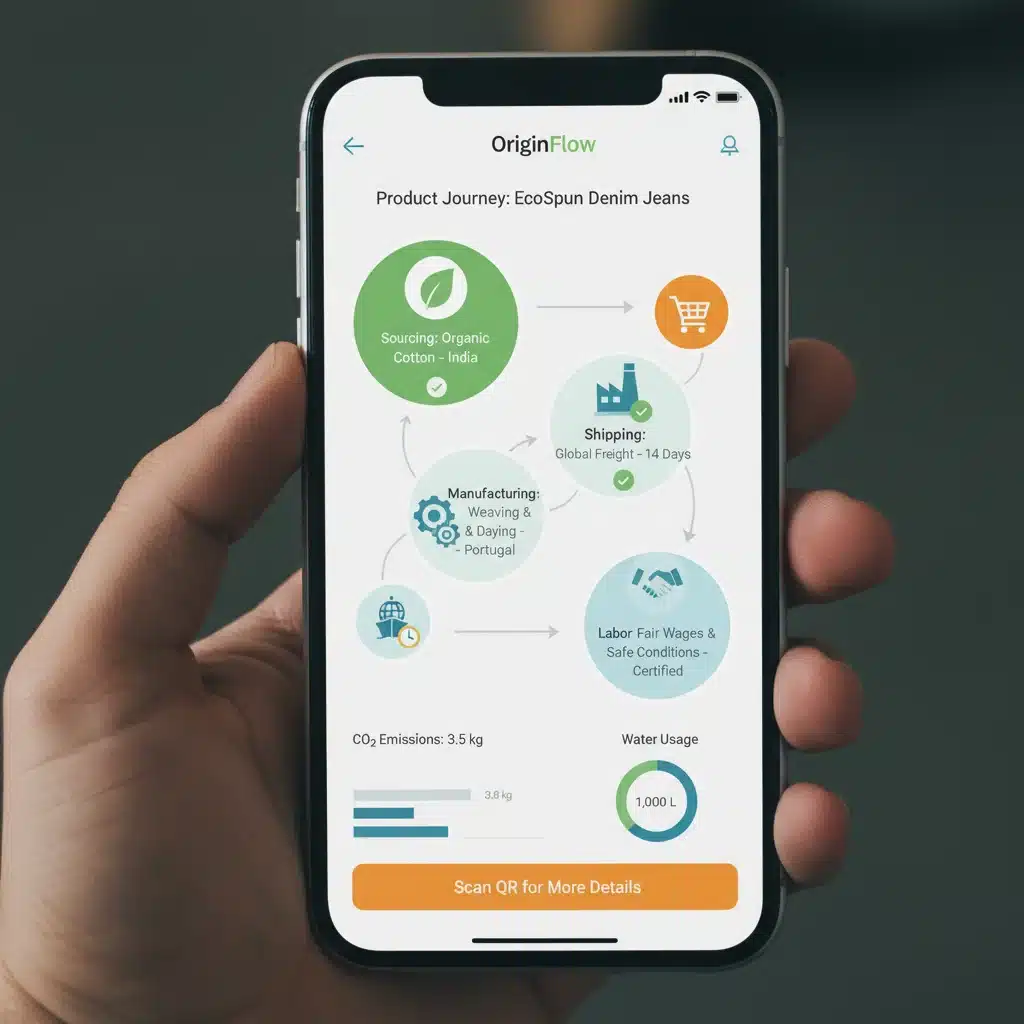
Simply collecting data isn’t enough; it must be verifiable. Technologies like blockchain are proving invaluable here, creating a tamper-proof record of a product’s journey. QR codes on products that link to detailed origin stories, digital passports for raw materials, and third-party audits are all becoming commonplace tools for verifying claims of ethical sourcing and sustainable production.
3. Communication and Reporting
Transparency is about sharing information. Companies are increasingly expected to communicate their supply chain transparency efforts clearly and accessibly to consumers. This includes detailed reports on sustainability, ethical sourcing policies, and even interactive digital platforms where consumers can explore a product’s journey. Annual sustainability reports are no longer just for investors; they are public-facing documents scrutinized by ethical consumers.
4. Collaboration and Partnerships
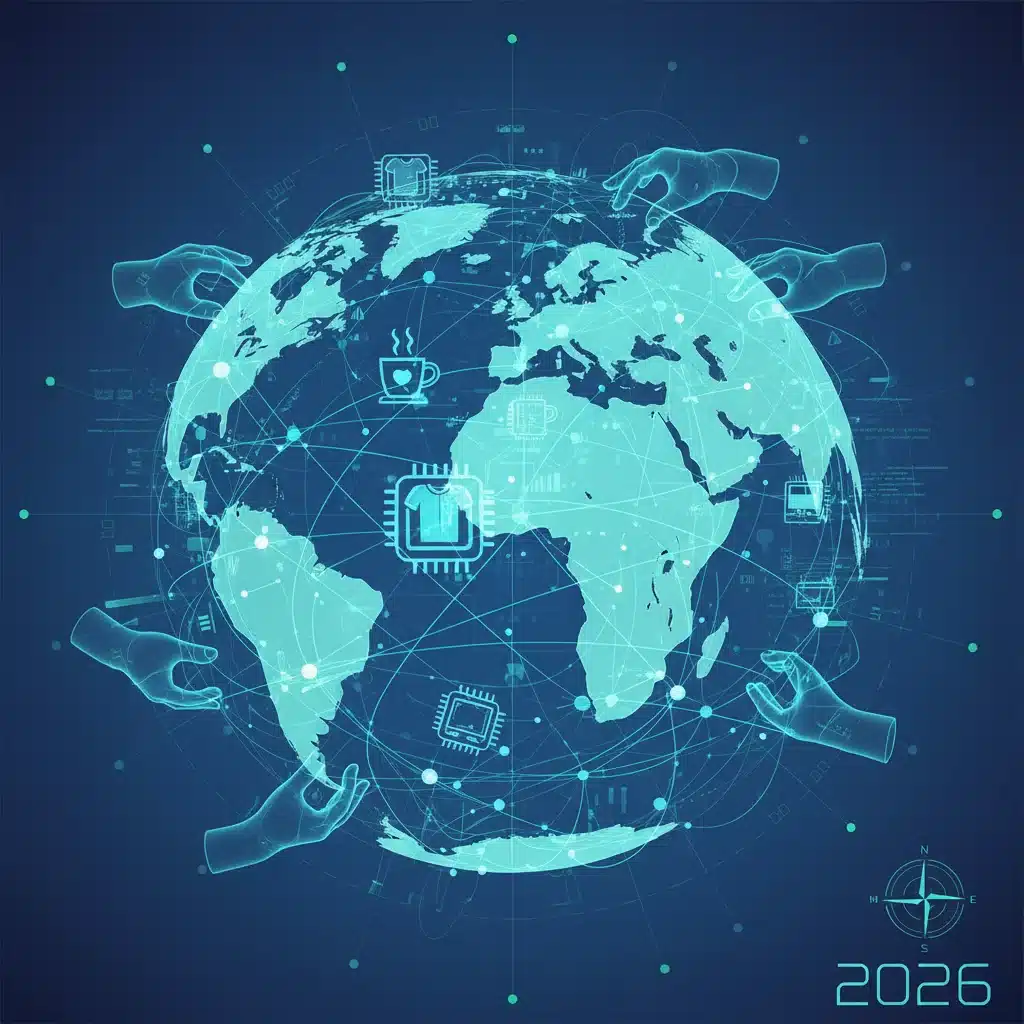
No single entity can achieve full supply chain transparency alone. It requires collaboration across the entire ecosystem, from raw material suppliers to manufacturers, logistics providers, retailers, and even competitors. Industry alliances, multi-stakeholder initiatives, and partnerships with NGOs are crucial for setting common standards, sharing best practices, and addressing systemic issues.
Challenges Persisting in the Pursuit of Transparency
Despite significant progress, the path to universal supply chain transparency is not without its hurdles. Several challenges continue to test the resolve of businesses and advocates alike:
Complexity of Global Supply Chains
Modern supply chains are incredibly intricate, often involving dozens or even hundreds of suppliers across multiple countries. Mapping every single tier, especially down to the raw material source, remains a monumental task. The sheer volume of data, coupled with varying international regulations and cultural practices, adds layers of complexity.
Resistance from Lower-Tier Suppliers
While large corporations are increasingly embracing transparency, smaller, lower-tier suppliers may lack the resources, technical capabilities, or even the willingness to share sensitive information. Concerns about intellectual property, competitive advantage, or simply the administrative burden can create significant resistance, making it difficult to gain full visibility.
Greenwashing and Ethics-Washing
As transparency becomes a market differentiator, there’s an increased risk of companies engaging in ‘greenwashing’ or ‘ethics-washing’ – making misleading claims about their sustainability or ethical practices without genuine commitment. Consumers face the challenge of discerning authentic transparency from superficial marketing tactics, highlighting the need for independent verification and robust reporting standards.
Cost and Investment
Implementing comprehensive supply chain transparency systems, from new software to auditing processes and training, requires significant financial investment. While the long-term benefits are clear, the upfront costs can be a barrier, particularly for small and medium-sized enterprises (SMEs) within the supply chain.
Data Privacy and Security Concerns
Sharing vast amounts of data across a supply chain raises legitimate concerns about data privacy and security. Companies must navigate the delicate balance between providing sufficient information for transparency and protecting proprietary data, employee privacy, and sensitive business intelligence from cyber threats.
The Ethical Consumer’s Toolkit in 2026
For the ethical consumer in 2026, navigating the marketplace requires a proactive approach. Fortunately, new tools and resources are making informed decision-making easier:
Product Traceability Apps and Platforms
A growing ecosystem of mobile applications and online platforms allows consumers to scan QR codes on products or input product IDs to access detailed information about their origin, manufacturing process, and ethical certifications. These tools often aggregate data from various sources, providing a holistic view of a product’s journey.
Certification Labels and Standards
While the proliferation of labels can sometimes be confusing, reputable certifications (e.g., Fair Trade, B Corp, organic, specific environmental labels) continue to serve as reliable indicators of a company’s commitment to ethical and sustainable practices. Consumers are becoming more adept at recognizing and understanding the meaning behind these certifications.
Independent Watchdogs and Consumer Guides
NGOs, consumer advocacy groups, and ethical consumer guides play a crucial role in vetting company claims and providing unbiased ratings. These resources help consumers identify truly transparent and responsible brands, acting as a counterbalance to corporate marketing efforts.
Social Media and Community Engagement
Online communities and social media continue to be powerful platforms for sharing information, discussing ethical concerns, and holding brands accountable. Consumers can leverage these networks to crowdsource information, share experiences, and collectively pressure companies for greater transparency.
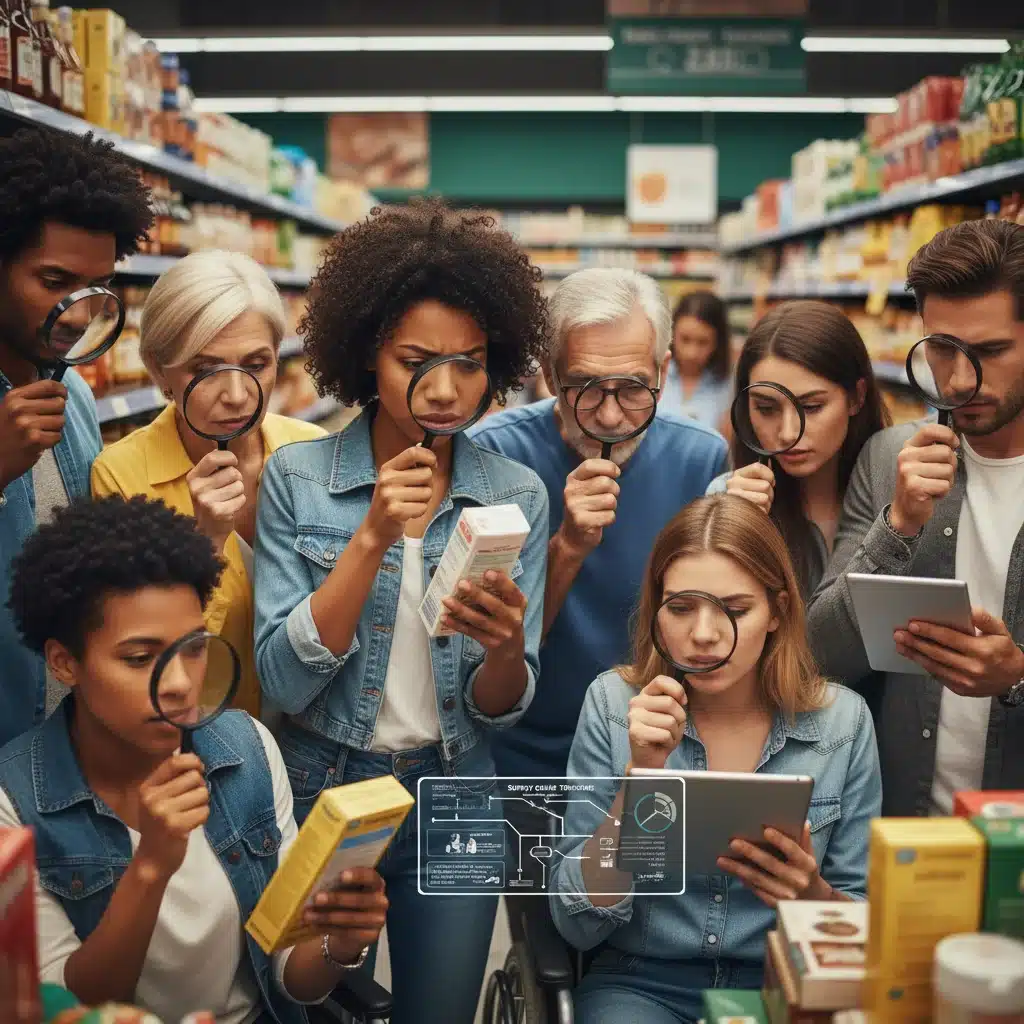
Industry Spotlights: Progress in Everyday Products
Let’s look at how supply chain transparency is manifesting in some key everyday product categories:
Fashion and Apparel
The fashion industry, long criticized for its opaque supply chains and ethical lapses, is undergoing a significant transformation. Many brands are now publishing their tier-1 and tier-2 supplier lists, detailing factory locations, worker conditions, and environmental impact. Innovations like digital product passports, powered by blockchain, allow consumers to trace garments from cotton field to finished product, verifying organic certifications or fair labor practices.
Food and Beverages
From coffee beans to fresh produce, consumers increasingly demand to know the origin of their food. Blockchain is being used to track everything from seafood catches to organic vegetables, ensuring authenticity and safety. Companies are providing detailed farm-to-fork narratives, often through QR codes on packaging, allowing consumers to learn about the farmers, growing conditions, and transportation methods.
Electronics and Technology
The electronics sector faces complex challenges related to conflict minerals, rare earth elements, and e-waste. However, pressure from consumers and regulations is driving greater transparency. Companies are publishing reports on their mineral sourcing policies, engaging in responsible recycling programs, and working towards more circular economy models. While still a difficult area, strides are being made in mapping out the intricate networks involved in device manufacturing.
Home Goods and Furniture
Consumers are increasingly questioning the sustainability of materials used in their homes. Brands are responding by providing transparency on wood sourcing (e.g., FSC certification), recycled content, and non-toxic finishes. Some companies offer interactive maps showing the origin of their materials and the factories where their furniture is made, empowering consumers to choose more responsibly.
The Future Outlook: What to Expect Beyond 2026
The journey towards complete supply chain transparency is ongoing, but the trajectory is clear. Looking beyond 2026, we can anticipate several key developments:
Hyper-Transparency as the Norm
What is considered transparent today will be the baseline tomorrow. Consumers will expect hyper-transparency, demanding real-time data and granular details about every aspect of a product’s lifecycle. Brands that fail to meet this expectation will struggle to compete.
AI and Predictive Analytics for Proactive Risk Management
AI will move beyond just tracking data to proactively identifying potential risks and ethical breaches in the supply chain before they occur. Predictive analytics will allow companies to anticipate issues related to labor, environment, or sourcing, enabling them to intervene and prevent problems rather than just react to them.
Standardization and Interoperability
Expect greater standardization of data formats and protocols across industries and international borders. This will facilitate seamless data exchange, making it easier for companies to integrate various parts of their supply chain into a unified transparency system. Interoperability will be key to unlocking the full potential of blockchain and other traceability technologies.
Increased Regulatory Harmonization
As more countries implement supply chain transparency regulations, there will be a push for greater harmonization of these laws. This will simplify compliance for multinational corporations and create a more level playing field globally, further accelerating the adoption of transparent practices.
The Rise of the ‘Transparency Premium’
Ethical consumers are often willing to pay a premium for products from brands that demonstrate genuine transparency and commitment to ethical practices. This ‘transparency premium’ will become a significant driver of market share, incentivizing more companies to invest in robust transparency initiatives.
Consumer-Driven Accountability
The power of the ethical consumer will continue to grow. Collective action, digital activism, and the ability to easily access and share information will make it increasingly difficult for brands to hide unethical practices. Consumer scrutiny will remain a powerful force, pushing for continuous improvement in supply chain transparency.
Conclusion: Navigating the Ethical Landscape of Tomorrow
The ethical consumer’s dilemma in 2026 is less of a dilemma and more of an opportunity. An opportunity for consumers to align their purchasing power with their values, and an opportunity for businesses to build trust, foster loyalty, and drive sustainable growth through genuine supply chain transparency. While challenges persist, the confluence of technological innovation, evolving consumer expectations, and increasing regulatory pressure is creating an irreversible momentum towards a more visible, accountable, and ethical global marketplace.
As we move forward, companies that embrace transparency not as a burden, but as a core strategic imperative, will be the ones that thrive. And consumers, armed with better tools and information, will continue to shape this future, demanding that every everyday product tells a story they can believe in.