Eco-Friendly Home Design: 7 Must-Have Features for New Builds in 2026
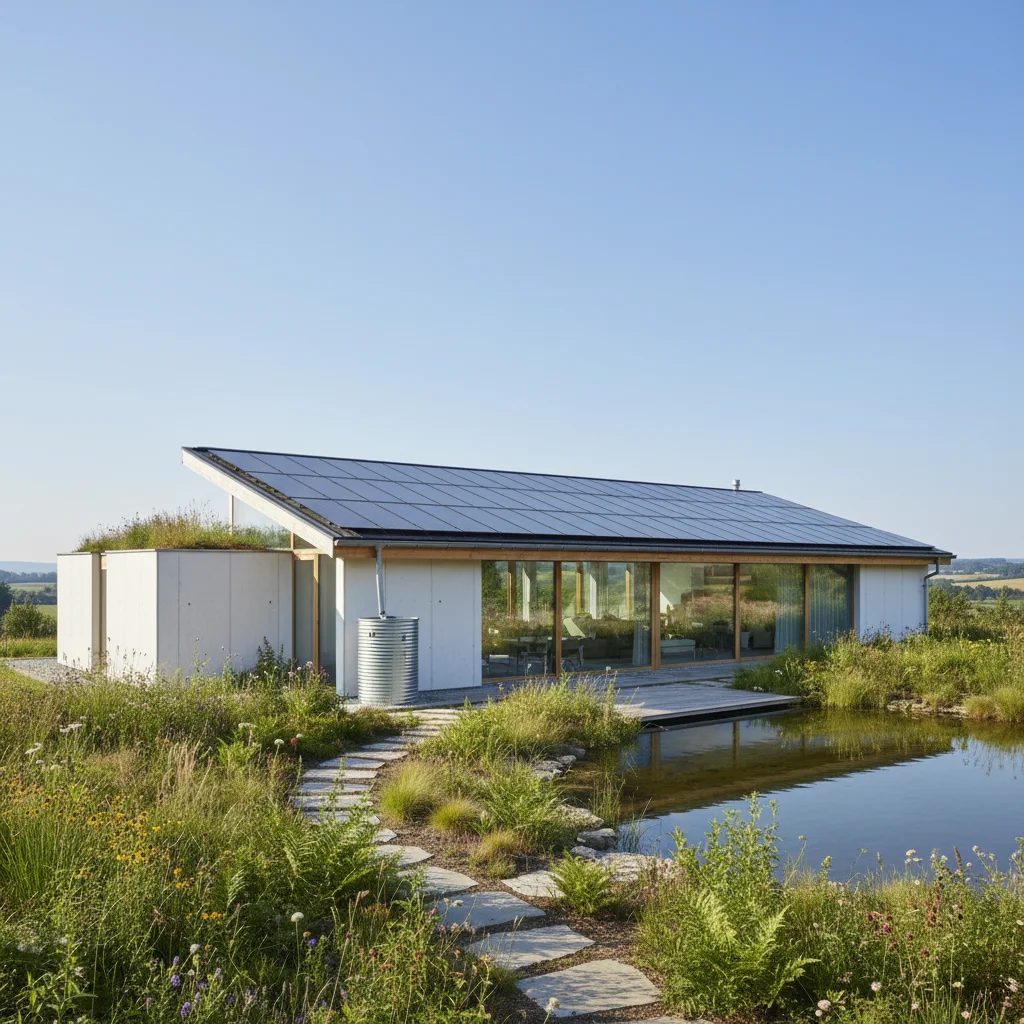
The world is rapidly shifting towards a more sustainable future, and nowhere is this more evident than in the realm of home construction. As we look towards 2026, the demand for eco-friendly home design is not just a trend; it’s a fundamental requirement for new builds. Homeowners and developers alike are recognizing the immense benefits of sustainable practices, from reduced energy bills and a smaller carbon footprint to enhanced indoor air quality and a more comfortable living environment. This comprehensive guide will delve into the seven must-have features that will define eco-friendly home design in new constructions by 2026, ensuring your next build is not only modern but also truly sustainable.
Building an eco-friendly home design is no longer about making sacrifices; it’s about making smarter choices. Advancements in technology and materials have made it easier and more affordable than ever to incorporate green elements into every aspect of a new home. These features go beyond simple aesthetics, impacting the long-term cost of ownership, the health of occupants, and the planet’s well-being. From the foundational elements to the finishing touches, every decision contributes to the overall sustainability of the structure. Understanding these key features is crucial for anyone planning to build or invest in new construction in the coming years.
1. Advanced Solar Energy Systems with Battery Storage
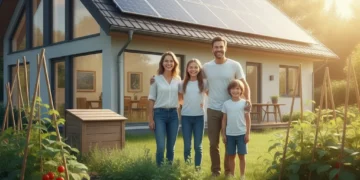
At the forefront of eco-friendly home design are advanced solar energy systems. While solar panels have been around for decades, the technology is continuously evolving, becoming more efficient, aesthetically pleasing, and integrated. By 2026, it won’t be enough to just have solar panels; robust battery storage solutions will be a non-negotiable component. These batteries allow homeowners to store excess energy generated during the day and use it during peak hours or at night, significantly reducing reliance on the grid and providing energy independence. This not only slashes electricity bills but also offers a reliable power source during outages, a growing concern for many.
The integration of smart inverters and energy management systems will further optimize these solar setups. These systems can learn a household’s energy consumption patterns and intelligently manage power flow, prioritizing battery charging, direct consumption, or selling excess energy back to the grid. The economic incentives for solar energy, combined with decreasing costs and increasing efficiency, make it an indispensable feature for any new eco-friendly home design. Furthermore, the aesthetic integration of solar tiles or invisible solar solutions will become more common, blending seamlessly with the home’s architecture rather than standing out as a separate installation.
2. High-Performance Building Envelopes and Insulation
A home’s envelope – its roof, walls, windows, and foundation – is its first line of defense against the elements and a critical factor in energy efficiency. For eco-friendly home design in 2026, high-performance building envelopes are paramount. This involves superior insulation, airtight construction, and high-quality windows and doors. The goal is to minimize heat transfer, preventing heat loss in winter and heat gain in summer, thereby reducing the need for extensive heating and cooling.
Materials like structural insulated panels (SIPs), insulated concrete forms (ICFs), and advanced spray foam insulation offer R-values (a measure of thermal resistance) far superior to traditional fiberglass batting. Coupled with meticulous air sealing techniques, these materials create an incredibly airtight structure that prevents drafts and energy leakage. Triple-pane windows with low-emissivity (Low-E) coatings and inert gas fills will become standard, offering excellent thermal performance and UV protection. Investing in a high-performance building envelope might seem like an upfront cost, but the long-term savings on energy bills and improved indoor comfort make it one of the most impactful eco-friendly home design features.
3. Smart Home Energy Management and Automation
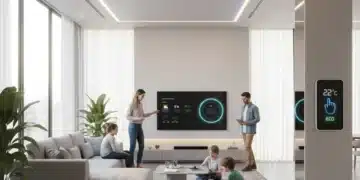
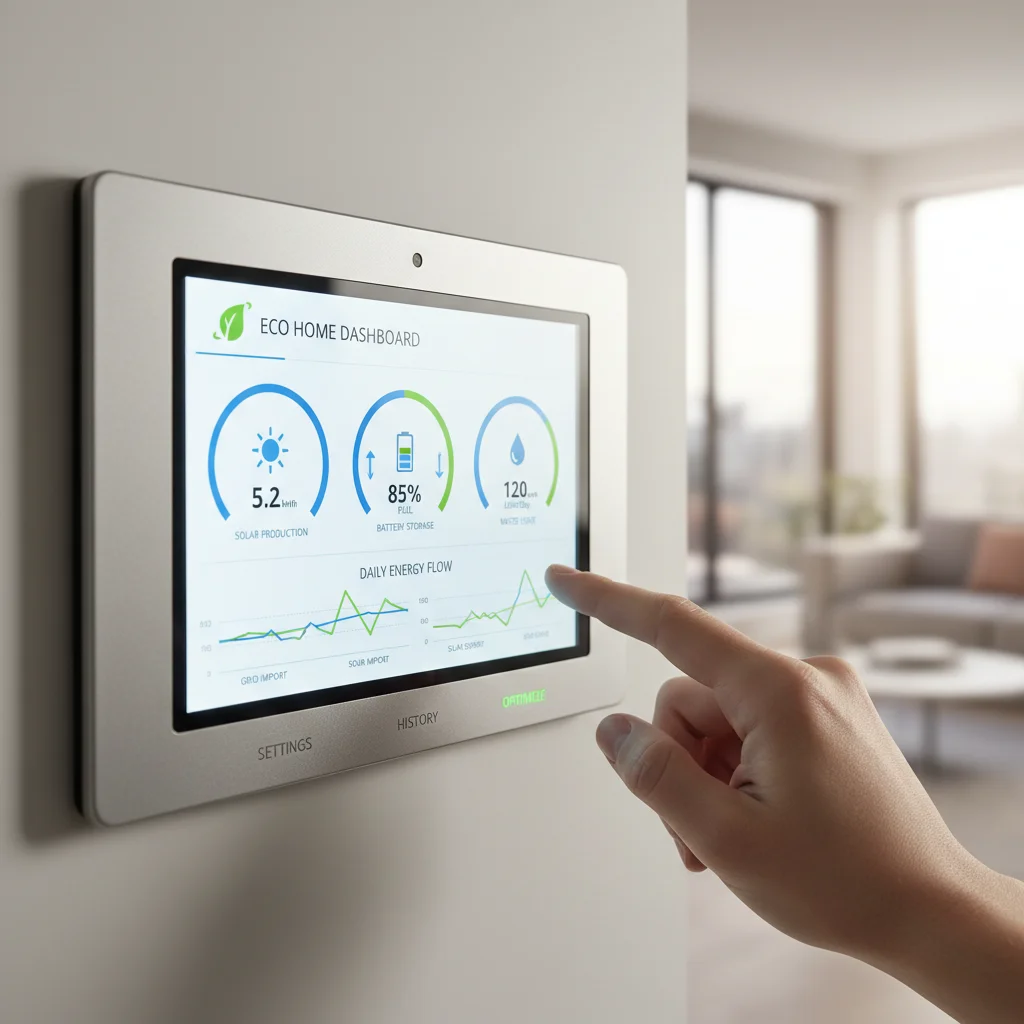
The concept of a smart home has been evolving, and by 2026, its core function will revolve around energy management and optimization. Smart thermostats, lighting systems, and appliance controls will be standard, but the next generation of eco-friendly home design will feature integrated platforms that provide a holistic view and control over a home’s energy consumption. These systems will analyze data from solar panels, battery storage, utility grids, and occupant behavior to make intelligent decisions that minimize energy use and maximize efficiency.
Imagine a home that automatically adjusts lighting based on natural light availability, optimizes HVAC operation based on occupancy and weather forecasts, and even schedules appliance usage during off-peak electricity hours. These systems can be controlled via voice commands, smartphone apps, or even autonomously based on pre-set preferences and learning algorithms. Beyond energy savings, smart home automation enhances convenience and security, making it an indispensable part of modern sustainable living. This level of integration transforms a house into a truly responsive and efficient living machine, a cornerstone of future eco-friendly home design.
4. Advanced Water Conservation Systems
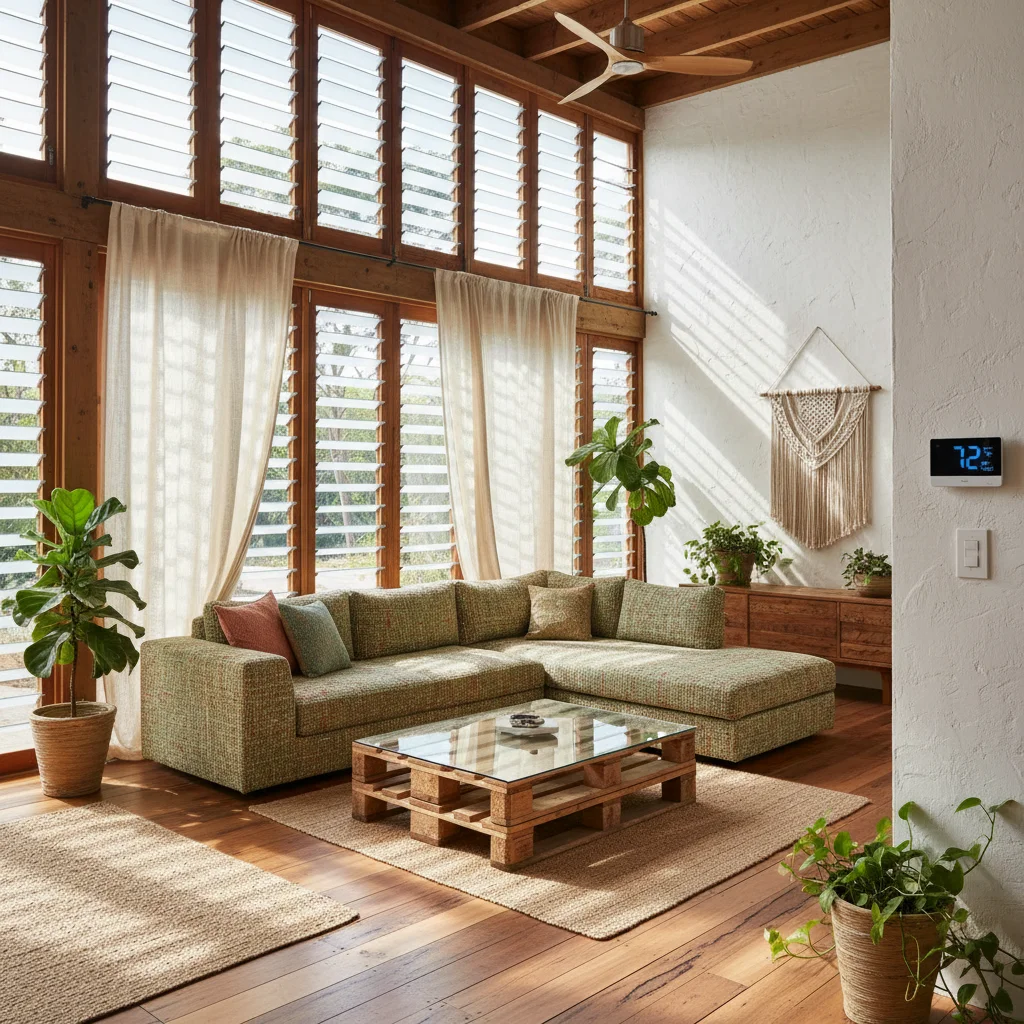
Water scarcity is a growing global concern, making water conservation a critical element of eco-friendly home design. In 2026, new builds will incorporate sophisticated systems to drastically reduce water consumption. Rainwater harvesting systems will collect and filter rainwater for irrigation, toilet flushing, and even laundry, significantly reducing reliance on municipal water supplies. Greywater recycling systems will treat water from sinks, showers, and washing machines for reuse in non-potable applications, further conserving this precious resource.
Beyond these larger systems, individual fixtures will also play a role. Low-flow faucets, showerheads, and dual-flush toilets are already common, but future designs will push for even greater efficiency without compromising user experience. Smart irrigation systems that use weather data and soil moisture sensors to water landscapes only when necessary will prevent wasteful overwatering. These comprehensive water management strategies are essential for minimizing a home’s environmental impact and ensuring long-term sustainability, making them a key feature in any eco-friendly home design.
5. Sustainable and Recycled Building Materials
The choice of building materials has a profound impact on a home’s environmental footprint. Eco-friendly home design in 2026 will prioritize materials that are sustainably sourced, recycled, non-toxic, and have a low embodied energy (the energy consumed by all processes associated with the production of a building, from the mining and processing of natural resources to manufacturing, transport and product delivery). This means moving away from resource-intensive materials and embracing innovative alternatives.
Expect to see widespread use of reclaimed wood, recycled steel and concrete, bamboo flooring, and insulation made from recycled denim or newspaper. Natural materials like straw bales, rammed earth, and cork will also gain traction for their excellent thermal properties and minimal environmental impact. Furthermore, manufacturers are developing advanced composites that utilize recycled plastics and other waste materials, offering durable and aesthetically pleasing options. By selecting materials with care, builders can significantly reduce waste, conserve natural resources, and create healthier indoor environments, all integral to a truly eco-friendly home design.
6. Enhanced Indoor Air Quality Systems
While often overlooked, indoor air quality (IAQ) is a crucial aspect of eco-friendly home design and occupant health. Modern, airtight homes can inadvertently trap pollutants, leading to a build-up of volatile organic compounds (VOCs), allergens, and other harmful particles. By 2026, new builds will feature advanced IAQ systems designed to ensure a constant supply of fresh, clean air.
Energy recovery ventilators (ERVs) or heat recovery ventilators (HRVs) will be standard. These systems continuously exchange stale indoor air with fresh outdoor air while recovering heat or coolness, minimizing energy loss. High-efficiency particulate air (HEPA) filters will be integrated into HVAC systems to capture microscopic pollutants. Furthermore, the use of low-VOC paints, finishes, and building materials will be prioritized to prevent off-gassing of harmful chemicals. Smart IAQ monitors will track air quality in real-time, alerting homeowners to potential issues and automatically triggering ventilation or filtration systems. A healthy indoor environment is a non-negotiable component of modern eco-friendly home design.
7. Passive House Principles and Bioclimatic Design
The ultimate goal of eco-friendly home design is to create structures that work with nature, not against it. Passive House principles and bioclimatic design are at the core of this philosophy. Passive House is a rigorous standard for energy efficiency that results in ultra-low energy buildings requiring minimal heating and cooling. This is achieved through a combination of superior insulation, airtight construction, high-performance windows, and heat recovery ventilation.
Bioclimatic design takes this a step further by considering the local climate and optimizing the home’s orientation, window placement, shading, and natural ventilation strategies to maximize natural heating, cooling, and lighting. For example, strategically placed overhangs can block high summer sun while allowing low winter sun to penetrate and warm the interior. Natural ventilation paths can create cooling breezes, reducing the need for air conditioning. By integrating these principles from the initial design phase, new builds in 2026 can achieve remarkable levels of energy independence and comfort, truly embodying the spirit of eco-friendly home design.
The Future is Green: Embracing Eco-Friendly Home Design
As we move closer to 2026, the features discussed above will transition from desirable upgrades to essential components of any new home construction. The benefits extend far beyond environmental stewardship, offering tangible advantages to homeowners in the form of reduced operating costs, increased comfort, and improved health. Investing in eco-friendly home design is not just an investment in a property; it’s an investment in a sustainable future.
The convergence of technological innovation, growing environmental awareness, and evolving building codes is driving this green revolution in residential construction. Developers who embrace these features will not only meet the demands of a discerning market but also contribute positively to global sustainability efforts. For future homeowners, understanding these elements empowers them to make informed decisions that align with their values and provide a healthier, more efficient living space. The pathway to a greener future for our homes is clear, and the time to build sustainably is now.
The commitment to eco-friendly home design also fosters a sense of community and responsibility. As more homes adopt these sustainable practices, the collective impact on local ecosystems and global climate change becomes significant. It encourages innovation in related industries, driving down costs and making green technologies more accessible to everyone. This virtuous cycle ensures that what starts as an individual choice for a better home blossoms into a widespread movement for a better planet.
Furthermore, the resale value of homes with robust eco-friendly home design features is likely to increase. As energy costs continue to fluctuate and environmental regulations tighten, properties that are already optimized for sustainability will be more attractive to future buyers. This makes the initial investment in green technologies not just a lifestyle choice, but a financially sound decision. The market is increasingly valuing homes that offer lower utility bills, cleaner indoor air, and a reduced carbon footprint, positioning them as premium properties in the real estate landscape.
Educating oneself about these advancements is the first step towards realizing the dream of an eco-friendly home design. Whether you are a prospective homeowner, a builder, or an architect, staying abreast of these seven must-have features will be crucial for success in the evolving landscape of residential construction. The future of housing is undeniably green, and by integrating these innovative solutions, we can build homes that are not only beautiful and comfortable but also profoundly respectful of our planet.
In conclusion, the journey towards truly sustainable living begins at home, and the blueprint for that home is being drawn with these seven key features in mind. From harnessing the power of the sun and conserving every drop of water to creating a healthy indoor sanctuary and building with nature’s wisdom, eco-friendly home design is setting a new standard for residential construction. Embrace these innovations, and step into a future where your home actively contributes to a healthier planet and a more fulfilling life.