Automation and the Future of Work: A 2026 Outlook on Societal Adaptation and Skill Development
Automation and the Future of Work: A 2026 Outlook on Societal Adaptation and Skill Development
The relentless march of technological progress continues to reshape our world, and few areas are experiencing as profound a transformation as the world of work. As we hurtle towards 2026, the discussion around automation and the future of work is no longer theoretical; it’s an immediate, pressing reality. This article delves into the intricate dynamics of how automation is poised to redefine industries, job roles, and the very fabric of society, offering a comprehensive outlook on what lies ahead and how we can strategically adapt.
The year 2026 is often cited as a critical juncture, a moment when the cumulative effects of decades of automation, artificial intelligence (AI), and advanced robotics will become undeniably evident in the global economy. This isn’t just about robots replacing human labor; it’s about a fundamental restructuring of how value is created, how businesses operate, and how individuals contribute to the workforce. Understanding this shift is paramount for policymakers, educators, business leaders, and every individual seeking to thrive in the evolving landscape.
The Accelerating Pace of Automation: What to Expect by 2026
Automation, once confined to manufacturing assembly lines, has now permeated virtually every sector. From customer service chatbots and algorithmic trading to autonomous vehicles and AI-powered medical diagnostics, its reach is expanding exponentially. By 2026, we can anticipate several key trends to solidify:
Increased Integration of AI and Machine Learning
AI and machine learning will move beyond specialized applications to become foundational components of business operations. Expect more sophisticated predictive analytics, personalized customer experiences, and automated decision-making processes across a multitude of industries. This will not only enhance efficiency but also create demand for professionals skilled in AI ethics, data governance, and human-AI collaboration.
Robotics Beyond the Factory Floor
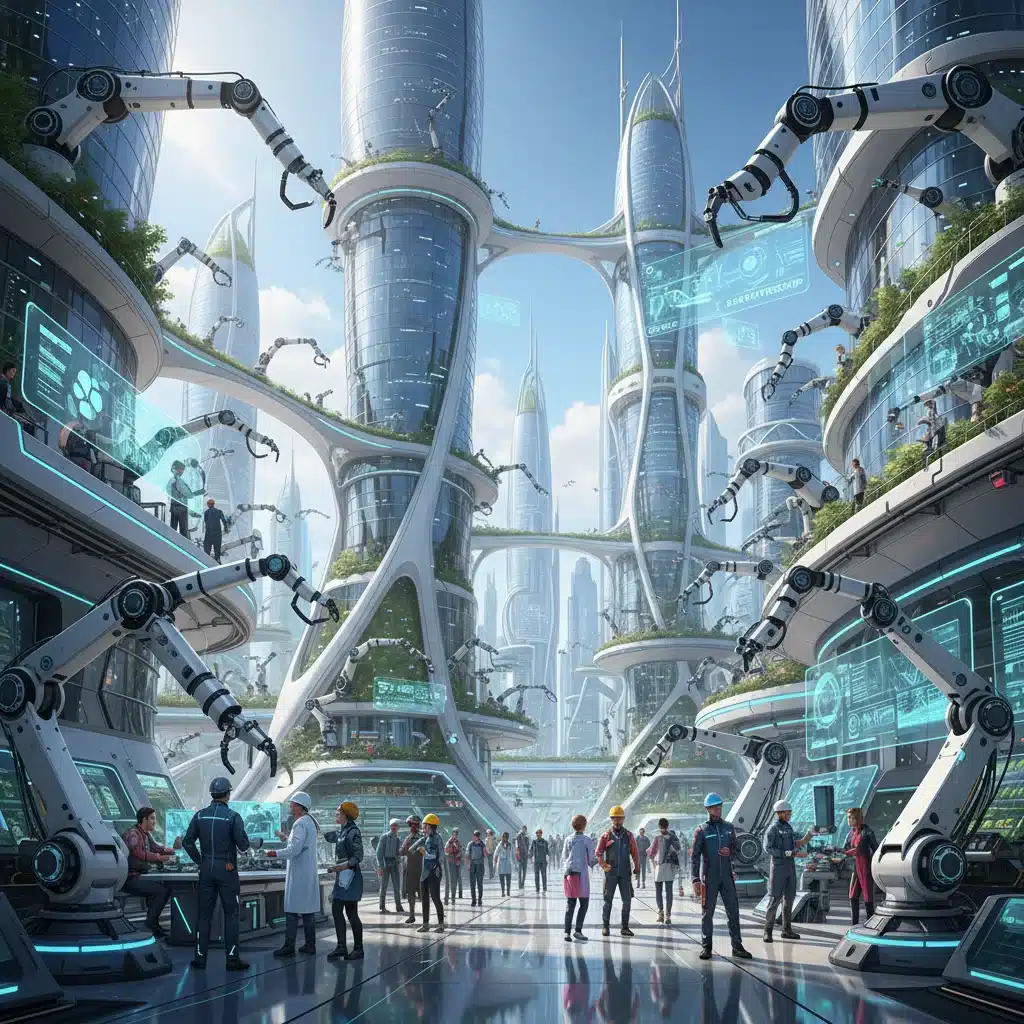
While industrial robots will continue to evolve, 2026 will see a significant uptick in service robots – from logistics and healthcare to hospitality and personal assistance. These robots will interact more seamlessly with humans, performing tasks that are repetitive, dangerous, or require high precision. This expansion necessitates a workforce capable of managing, maintaining, and developing these advanced systems.
Hyper-automation and Process Orchestration
The concept of hyper-automation, which involves orchestrating multiple technologies like Robotic Process Automation (RPA), AI, machine learning, and process mining, will become more prevalent. Businesses will seek to automate end-to-end processes, not just individual tasks. This holistic approach will optimize workflows, reduce operational costs, and free up human capital for more strategic, creative endeavors.
The Rise of Low-Code/No-Code Platforms
To democratize automation, low-code and no-code platforms will gain further traction. These tools empower business users, not just professional developers, to create applications and automate workflows. This trend will foster a more agile and responsive workforce, but also demands a new kind of digital literacy and an understanding of underlying logic and ethical implications.
Societal Adaptation: Navigating the New Normal
The impact of automation extends far beyond the workplace, touching upon societal structures, educational systems, and even our understanding of human purpose. Successful societal adaptation by 2026 hinges on proactive measures and a collective commitment to fostering resilience and inclusivity.
Redefining Work and Value
As routine and predictable tasks become increasingly automated, the definition of ‘work’ itself will evolve. Greater emphasis will be placed on uniquely human attributes: creativity, critical thinking, emotional intelligence, complex problem-solving, and interpersonal skills. Societies will need to grapple with questions of universal basic income, welfare systems, and alternative forms of contribution that extend beyond traditional employment models.
Addressing Job Displacement and Creation
While automation will undoubtedly displace some jobs, it will also create new ones. The challenge lies in managing this transition effectively. Governments and organizations must invest in robust social safety nets, career counseling, and job placement services to support those affected by displacement. Simultaneously, efforts must be made to identify emerging job roles and proactively train the workforce to fill them. The Future of Work 2026 demands a fluid and adaptable labor market.
Ethical Considerations and Governance
The widespread deployment of AI and automation raises significant ethical dilemmas concerning data privacy, algorithmic bias, accountability, and the potential for job surveillance. By 2026, there will be an urgent need for comprehensive regulatory frameworks and ethical guidelines to ensure that these technologies are developed and deployed responsibly, serving humanity’s best interests rather than exacerbating inequalities.
The Importance of Lifelong Learning Culture
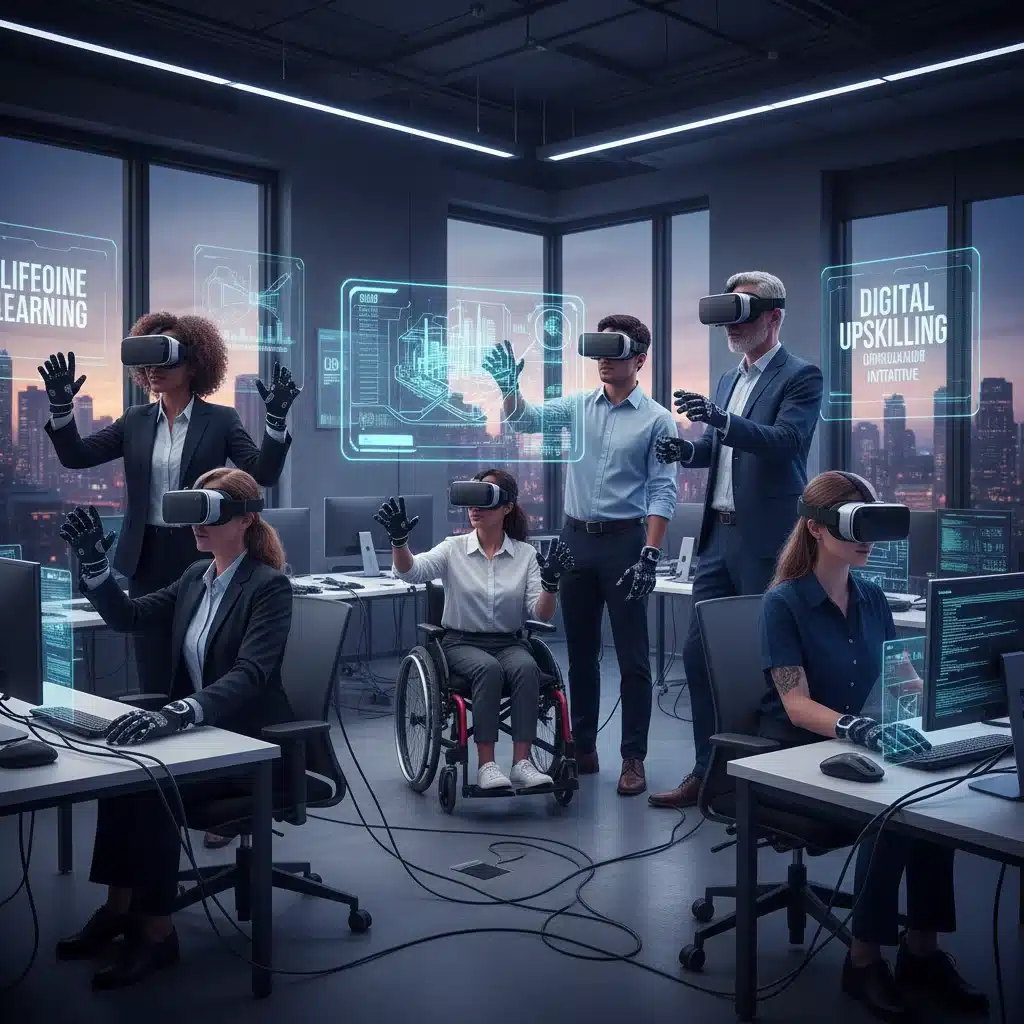
The concept of a static career path is rapidly becoming obsolete. Societal adaptation requires a fundamental shift towards a culture of continuous, lifelong learning. Educational institutions, businesses, and individuals must embrace the idea that learning is a perpetual journey, essential for staying relevant in a dynamically changing job market. This includes not just formal education but also micro-credentials, online courses, and on-the-job training.
Skill Development for the Future of Work 2026
To thrive in the automated world of 2026, individuals must cultivate a blend of technical proficiency and distinctly human capabilities. The focus shifts from rote memorization and procedural tasks to higher-order cognitive and socio-emotional skills.
Cognitive Flexibility and Critical Thinking
The ability to adapt to new situations, learn new tools, and solve novel problems will be paramount. Critical thinking, which involves analyzing information, identifying biases, and making reasoned judgments, will be crucial for navigating complex, data-rich environments where automated systems may present information without context.
Creativity and Innovation
While AI can generate content and optimize existing processes, genuine creativity and groundbreaking innovation remain firmly in the human domain. The capacity to imagine new possibilities, design novel solutions, and think divergently will be highly valued in a world where machines handle routine tasks. Fostering creativity from early education through professional development is vital.
Emotional Intelligence and Collaboration
As human-machine collaboration becomes the norm, emotional intelligence (EQ) will be a cornerstone skill. Understanding and managing one’s own emotions, as well as empathizing with and influencing others, will be critical for effective teamwork, leadership, and customer interaction. The ability to collaborate effectively with both human colleagues and AI systems will define success.
Digital Literacy and Data Fluency
A foundational understanding of digital tools, data analysis, and cybersecurity is no longer optional. While not everyone needs to be a coder, everyone will need to be ‘data literate’ – capable of interpreting data, understanding algorithmic logic, and recognizing the implications of digital technologies on their work and lives. This includes understanding how AI works, its limitations, and how to effectively leverage it as a tool.
Complex Problem-Solving
Automation excels at solving well-defined problems with clear parameters. Humans, however, will be increasingly responsible for tackling ‘wicked problems’ – those that are ill-defined, constantly changing, and involve multiple interdependent factors. This requires systems thinking, an iterative approach, and the ability to synthesize information from various sources to devise innovative solutions.
Leadership and Management in Automated Environments
Leaders in 2026 will need to manage hybrid teams of humans and AI, optimize automated workflows, and guide their organizations through continuous technological disruption. This requires new leadership competencies, including the ability to foster a culture of continuous learning, promote ethical AI use, and inspire human workers to adapt and embrace change.
Strategic Approaches for a Successful Transition to Future of Work 2026
Preparing for the Future of Work 2026 requires a multi-faceted approach involving individuals, businesses, educational institutions, and governments working in concert.
For Individuals: Proactive Skill Development and Adaptability
- Embrace Lifelong Learning: Actively seek out opportunities to learn new skills, whether through formal education, online courses, or industry certifications.
- Cultivate Soft Skills: Prioritize developing uniquely human skills like creativity, emotional intelligence, and critical thinking.
- Networking and Community Building: Connect with peers and mentors to stay informed about industry trends and potential opportunities.
- Digital Fluency: Develop a strong understanding of digital tools, data, and the basics of AI.
- Personal Branding: Articulate your unique value proposition and how your skills align with emerging job market needs.
For Businesses: Investing in People and Technology
- Reskilling and Upskilling Programs: Implement robust internal training programs to equip employees with the skills needed for new roles created by automation.
- Human-AI Collaboration: Design workflows that optimize the strengths of both humans and AI, fostering symbiotic relationships rather than replacement.
- Ethical AI Deployment: Prioritize ethical considerations in the development and deployment of AI, ensuring fairness, transparency, and accountability.
- Agile Organizational Structures: Adopt flexible and adaptive organizational models that can respond quickly to technological changes and market demands.
- Focus on Employee Well-being: Address the psychological impact of automation, ensuring employees feel supported and valued during periods of change.
For Educational Institutions: Reimagining Curricula
- Future-Proof Curricula: Integrate future-oriented skills, including digital literacy, critical thinking, problem-solving, and ethical AI, into all levels of education.
- Experiential Learning: Emphasize hands-on projects, internships, and real-world problem-solving to develop practical skills.
- Partnerships with Industry: Collaborate with businesses to understand skill demands and tailor programs accordingly.
- Promote STEM and Humanities Integration: Encourage interdisciplinary studies that combine technical knowledge with critical thinking, ethics, and communication skills.
For Governments: Policy and Infrastructure Development
- Investment in R&D: Support research and development in AI and automation to maintain national competitiveness and ethical leadership.
- Social Safety Nets: Strengthen social welfare programs and explore new models like universal basic income to support citizens during economic transitions.
- Regulatory Frameworks: Develop clear and adaptable regulations for AI and automation that balance innovation with ethical considerations and societal protection.
- Digital Infrastructure: Ensure widespread access to high-speed internet and digital resources to enable equitable participation in the digital economy.
- Public Awareness Campaigns: Educate the public about the opportunities and challenges presented by automation, fostering informed dialogue and preparedness.
The Role of Data and Analytics in the Automated Future
In the Future of Work 2026, data will be the new oil, and analytics will be the engine. The ability to collect, process, interpret, and act upon vast amounts of data will be a critical differentiator for businesses and individuals alike. Automated systems thrive on data, learning patterns and making predictions based on the information they consume.
Data-Driven Decision Making
Businesses will increasingly rely on data analytics to inform strategic decisions, optimize operations, and personalize customer experiences. This means a surge in demand for data scientists, data analysts, and professionals who can translate complex data insights into actionable business strategies.
Ethical Data Governance
With the proliferation of data, ethical data governance becomes paramount. Protecting privacy, ensuring data security, and preventing algorithmic bias will be critical. Professionals skilled in data ethics and privacy regulations will be indispensable.
Personalized Learning and Development
Data will also play a crucial role in personalized learning. AI-powered platforms can analyze individual learning styles, progress, and skill gaps to recommend tailored educational pathways, making skill development more efficient and effective for the evolving demands of the Future of Work 2026.

Addressing the Human Element: Beyond Efficiency
While automation brings unparalleled efficiency, it’s crucial not to lose sight of the unique value of the human element. The Future of Work 2026 is not just about what machines can do, but what humans can do that machines cannot.
Empathy and Human Connection
Roles requiring high levels of empathy, care, and human connection – such as healthcare professionals, educators, counselors, and creative artists – are less susceptible to full automation. These professions will likely see increased demand as societies prioritize human-centric services.
Creative Arts and Entertainment
The ability to create original art, tell compelling stories, and entertain remains a distinctly human endeavor. While AI can assist in these processes, the spark of human creativity and emotional resonance is irreplaceable. The entertainment industry, design, and artistic fields will continue to be vibrant sectors for human talent.
Complex Negotiation and Diplomacy
Situations requiring nuanced understanding of human psychology, cultural sensitivities, and intricate negotiation strategies are beyond the current capabilities of AI. High-stakes diplomacy, complex legal cases, and intricate business negotiations will remain human-dominated fields.
Conclusion: Embracing the Transformation for the Future of Work 2026
The year 2026 will undoubtedly mark a significant milestone in the journey of automation and its impact on the world of work. Rather than viewing it as a threat, we must embrace it as an opportunity – an opportunity to redefine human potential, to create more meaningful work, and to build more resilient and equitable societies. The key to navigating this transformation lies in proactive adaptation, continuous skill development, and a collaborative effort from all stakeholders.
By fostering a culture of lifelong learning, investing in human-centric skills, and developing robust ethical frameworks, we can ensure that the Future of Work 2026 is one of progress, innovation, and shared prosperity. The time to prepare is now, to shape a future where technology augments humanity, allowing us to reach new heights of achievement and well-being.
The journey ahead is complex, but with foresight, strategic planning, and a commitment to human development, we can successfully transition into an automated era that benefits everyone. Let’s work together to make the Future of Work 2026 a testament to human ingenuity and adaptability.