Navigating the Metaverse: A 2026 Guide to Digital Identity and Virtual Asset Security

Navigating the Metaverse: A 2026 Guide to Digital Identity and Virtual Asset Security
The metaverse is no longer a futuristic concept; it is a rapidly evolving digital frontier that, by 2026, has become an integral part of our daily lives. From virtual workspaces and immersive entertainment to digital commerce and social interactions, the metaverse offers unprecedented opportunities. However, with great opportunity comes significant responsibility, especially when it concerns your Metaverse Digital Identity and the security of your virtual assets. This comprehensive guide will equip you with the knowledge and strategies needed to navigate this complex landscape safely and effectively in 2026.
The Evolving Landscape of Metaverse Digital Identity
Your Metaverse Digital Identity is far more than just a username and password. It encompasses your avatar, your digital footprint, your reputation, and the sum of your interactions across various virtual worlds. In 2026, this identity is often decentralized, portable, and increasingly intertwined with real-world identities. Understanding its components is the first step towards securing it.
What Constitutes Your Metaverse Digital Identity?
- Avatars and Digital Representations: These are your visual manifestations in the metaverse. They can range from simple 2D images to highly detailed 3D models, often customized with unique digital wearables and attributes.
- Digital Wallets and Credentials: Essential for storing cryptocurrencies, NFTs, and other virtual assets, these wallets are the key to your economic life in the metaverse.
- Reputation and Social Graph: Your interactions, contributions, and behavior within virtual communities build your reputation, influencing trust and opportunities.
- Data Footprint: Every action, every transaction, every interaction leaves a trail of data. This data, if not managed carefully, can be exploited.
- Interoperable Identities: The ideal metaverse allows your identity to seamlessly transition between different platforms, requiring robust underlying standards for authentication and data sharing.
The concept of a persistent Metaverse Digital Identity is both empowering and challenging. On one hand, it offers a consistent presence and the ability to carry your digital achievements and assets with you. On the other hand, it creates a larger attack surface for malicious actors, making security paramount.
Virtual Asset Security: Protecting Your Digital Treasures
Virtual assets are the lifeblood of the metaverse economy. From NFTs representing art, land, and collectibles to cryptocurrencies used for transactions, these assets hold real-world value. Securing them is critical to preventing financial loss and maintaining trust in the digital ecosystem.
Understanding Virtual Assets in 2026
By 2026, the virtual asset market has matured significantly. NFTs (Non-Fungible Tokens) are no longer just speculative art pieces; they represent ownership of digital land, access passes to exclusive metaverse experiences, fractional ownership of real-world assets, and even components of your avatar’s identity. Cryptocurrencies underpin most metaverse economies, facilitating instant and borderless transactions.
Key Threats to Virtual Asset Security
- Phishing Scams: Malicious actors impersonate legitimate platforms or individuals to trick users into revealing private keys or signing over assets.
- Wallet Exploits: Vulnerabilities in digital wallet software or smart contracts can be exploited to drain funds.
- Rug Pulls and Scams: Deceptive projects that disappear after raising funds, leaving investors with worthless tokens or NFTs.
- Supply Chain Attacks: Compromising a legitimate service or platform that interacts with your assets.
- Social Engineering: Manipulating individuals into performing actions that compromise their security.
The decentralized nature of many virtual assets means that once they are lost or stolen, recovery is often impossible. This underscores the need for proactive and robust security measures for your Metaverse Digital Identity and assets.
Blockchain: The Foundation of Trust and Security
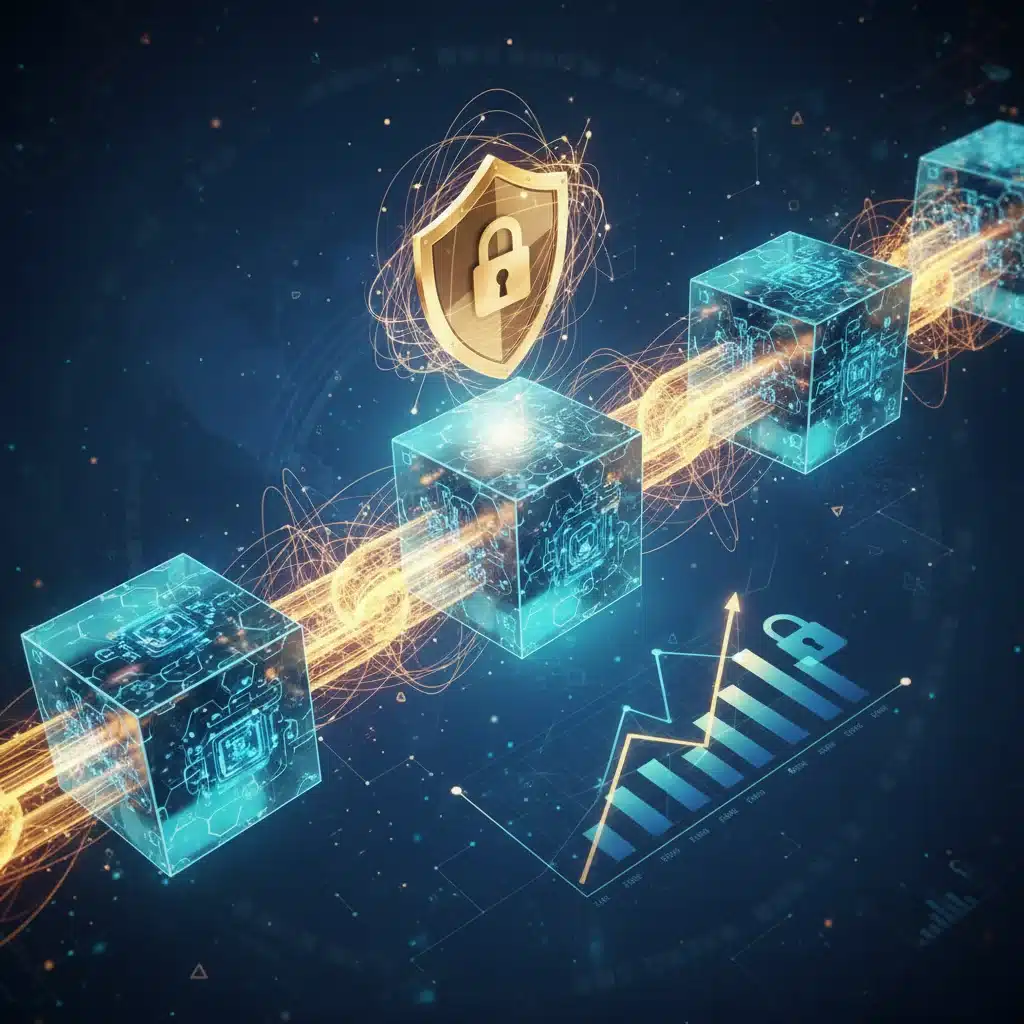
At the core of much of the metaverse’s security infrastructure lies blockchain technology. Blockchain provides a decentralized, immutable, and transparent ledger for recording transactions and ownership. This makes it a powerful tool for establishing trust in a trustless environment.
How Blockchain Secures Metaverse Digital Identity and Assets
- Immutability: Once a transaction or ownership record is added to the blockchain, it cannot be altered or deleted, providing a verifiable history of all assets.
- Decentralization: No single entity controls the network, making it resistant to censorship and single points of failure.
- Transparency: All transactions are publicly verifiable, increasing accountability and reducing fraud (though privacy considerations remain).
- Smart Contracts: Self-executing contracts with the terms of the agreement directly written into code. These automate transactions and enforce rules for NFTs and other digital assets.
- Digital Signatures: Cryptographic keys ensure that only the rightful owner can authorize transactions, protecting your Metaverse Digital Identity.
While blockchain offers significant security advantages, it’s not a silver bullet. The security of your assets still heavily relies on how you manage your private keys and interact with blockchain-based applications. User error remains a significant vulnerability.
Best Practices for Securing Your Metaverse Digital Identity in 2026
As the metaverse becomes more sophisticated, so too must your approach to security. Here are essential best practices to safeguard your Metaverse Digital Identity and virtual assets:
1. Robust Authentication and Access Control
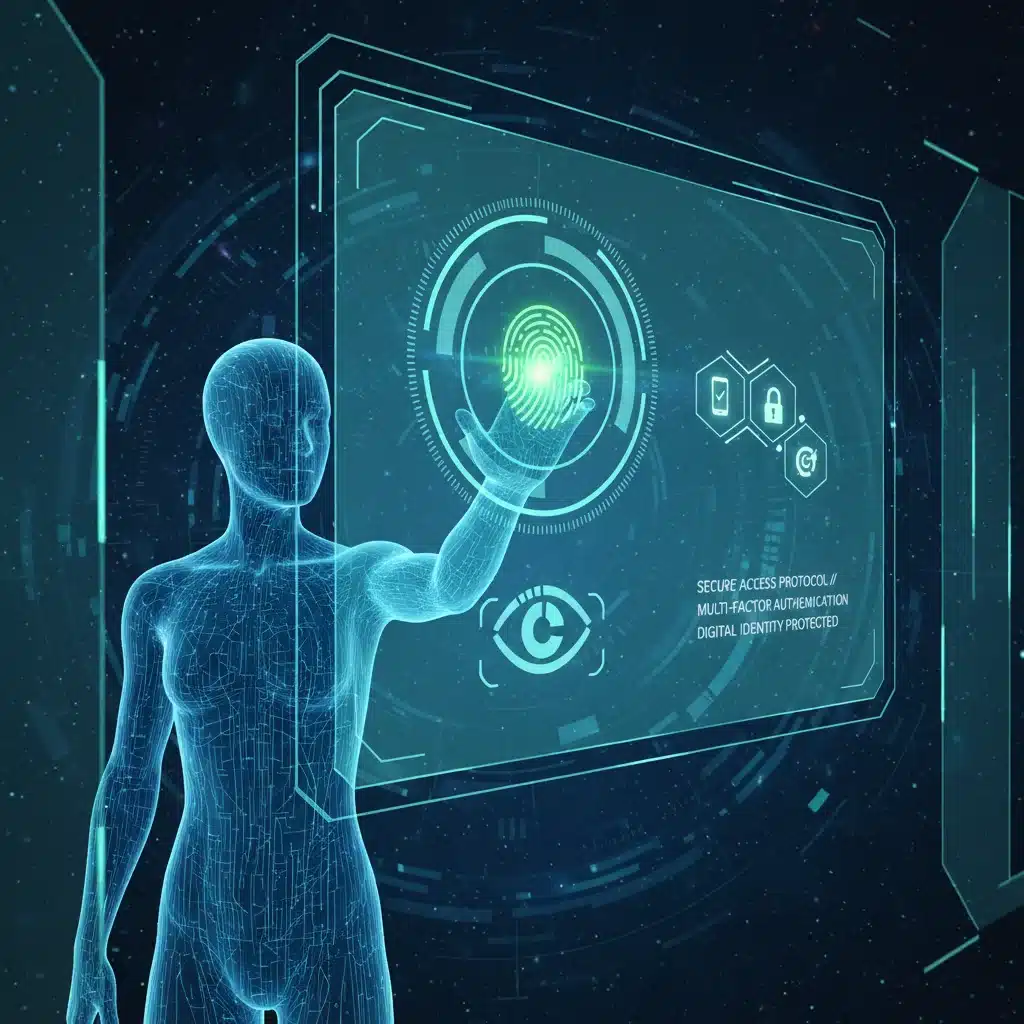
- Multi-Factor Authentication (MFA): Always enable MFA on all your metaverse platforms, digital wallets, and related accounts. This could include biometrics, hardware tokens, or authenticator apps.
- Strong, Unique Passwords: Use complex, unique passwords for every service. A password manager is indispensable.
- Hardware Wallets (Cold Storage): For significant virtual asset holdings, invest in a hardware wallet. These devices keep your private keys offline, making them highly resistant to online attacks.
- Regular Security Audits: Periodically review the security settings of your accounts and wallets.
2. Vigilant Phishing and Scam Awareness
- Verify URLs: Always double-check the URL of any metaverse platform or wallet interface before entering credentials or connecting your wallet. Bookmark legitimate sites.
- Be Skeptical of Offers: If an offer seems too good to be true (e.g., free NFTs, huge airdrops), it likely is a scam.
- Inspect Smart Contracts: Before approving any transaction that requires a smart contract interaction, understand what permissions you are granting. Tools exist to help decode contract details.
- Educate Yourself: Stay informed about the latest scam techniques prevalent in the metaverse space.
3. Managing Your Digital Footprint and Data Privacy
The data collected about your Metaverse Digital Identity can be extensive. This includes your interactions, preferences, purchasing habits, and even biometric data if advanced avatars are used. Protecting this data is crucial.
- Understand Privacy Settings: Familiarize yourself with the privacy settings on each metaverse platform you use and configure them to your comfort level.
- Minimize Data Sharing: Only share necessary information. Be wary of applications or platforms requesting excessive permissions.
- Decentralized Identifiers (DIDs): As DID technology matures, leverage it to create self-sovereign identities that give you more control over your personal data.
- Data Minimization: Adopt a ‘less is more’ approach to what personal information you reveal or link to your digital identity.
4. Secure NFT and Virtual Asset Management
- Research Before Buying: Thoroughly vet any NFT project or virtual asset before investing. Look at the team, roadmap, community, and smart contract audit.
- Use Reputable Marketplaces: Stick to established and audited NFT marketplaces and exchanges.
- Beware of Counterfeits: Verify the authenticity of NFTs, especially if purchasing from secondary markets. Check contract addresses and creator provenance.
- Separate Wallets: Consider using separate digital wallets for different purposes – one for daily transactions and another ‘vault’ wallet for long-term storage of high-value NFTs.
- Regular Backups: Ensure you have secure, offline backups of your seed phrases for all your digital wallets.
The Future of Metaverse Digital Identity and Governance (2026 and Beyond)
The metaverse is not static. Its evolution will continue to present new challenges and opportunities for identity and security. By 2026, we are seeing significant strides in decentralized autonomous organizations (DAOs) playing a larger role in metaverse governance, giving users more say in how platforms operate and how their data is handled.
Interoperability and Standardisation
One of the biggest drivers for a truly open metaverse is interoperability. The ability to seamlessly move your Metaverse Digital Identity, avatars, and assets between different virtual worlds without friction is key. This requires industry-wide standardization efforts, which are gaining momentum in 2026. Standards for digital identity, asset formats, and data protocols will enhance both user experience and security by reducing fragmentation and proprietary lock-ins.
Legal and Regulatory Frameworks
Governments and international bodies are increasingly grappling with how to regulate the metaverse. By 2026, we’re seeing early frameworks emerging around digital asset taxation, intellectual property rights in virtual spaces, and data protection laws extending into metaverse environments. These regulations will shape how platforms operate and how users must protect their Metaverse Digital Identity.
AI and Machine Learning in Security
Artificial intelligence and machine learning are becoming indispensable tools in metaverse security. AI can be used to detect anomalous behavior, identify potential phishing attempts, and even help in moderating content to prevent harassment and maintain a safer environment. However, the use of AI also raises ethical questions around surveillance and algorithmic bias, which need careful consideration.
Self-Sovereign Identity (SSI)
The concept of Self-Sovereign Identity (SSI) is gaining traction. SSI empowers individuals with complete control over their digital identities, allowing them to store their credentials securely and selectively share verifiable attestations without relying on centralized authorities. This shift provides a powerful model for the future of Metaverse Digital Identity, emphasizing user autonomy and privacy.
Common Pitfalls to Avoid in the Metaverse
Even with advanced security measures, certain mistakes can leave your Metaverse Digital Identity vulnerable. Be aware of these common pitfalls:
- Sharing Seed Phrases: NEVER share your wallet’s seed phrase or private keys with anyone, under any circumstances.
- Clicking Suspicious Links: Malicious links are the primary vector for phishing attacks. Always hover over links to check their destination before clicking.
- Ignoring Security Updates: Keep your operating system, browser, and all metaverse-related applications (wallets, clients) updated to the latest versions.
- Over-Trusting New Projects: Exercise extreme caution with new, unaudited, or overly hyped projects. Many are designed to exploit early adopters.
- Public Wi-Fi for Transactions: Avoid conducting sensitive transactions or accessing your digital wallets on unsecured public Wi-Fi networks.
- Lack of Education: The metaverse is constantly evolving. A lack of up-to-date knowledge about security threats is a significant risk.
Conclusion: Your Role in Securing the Metaverse
The metaverse in 2026 is a vibrant, dynamic, and increasingly essential part of our digital lives. While the opportunities it presents are immense, the responsibility for securing your Metaverse Digital Identity and virtual assets largely rests with you. By adopting a proactive mindset, implementing robust security practices, and staying informed about the latest threats and technological advancements, you can navigate this exciting new frontier with confidence.
Remember, your digital identity is an extension of yourself in the virtual realm. Treat it with the same care and protection you would your physical identity and possessions. The future of the metaverse is being built now, and your secure participation is key to its success and your own digital well-being.