Social Media’s 2026 Influence: 3 Key Shifts in Public Discourse and Community Engagement
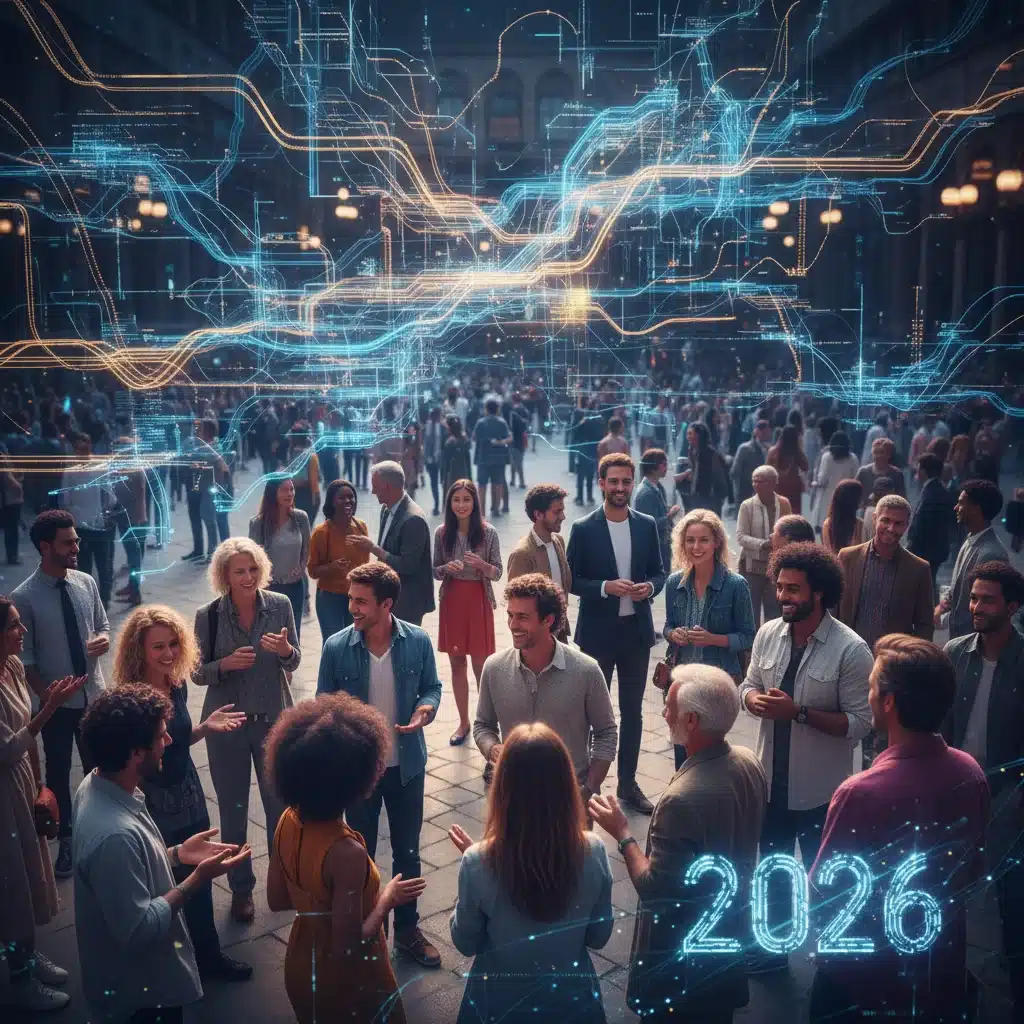
The digital landscape is in a constant state of flux, and nowhere is this more evident than in the realm of social media. As we hurtle towards 2026, the platforms that have become integral to our daily lives are poised for transformative shifts, fundamentally altering how we engage with public discourse and foster community. Understanding these impending changes is not merely an academic exercise; it’s crucial for individuals, businesses, and policymakers alike to navigate the evolving digital world effectively. The influence of Social Media 2026 will be profound, reshaping our interactions, our perceptions of truth, and the very fabric of our societies.
For over a decade, social media has been a dominant force, democratizing information, amplifying voices, and connecting billions across geographical divides. However, this power has also brought forth a myriad of challenges, from the spread of misinformation to the fragmentation of public opinion. The next few years promise to be a period of intense innovation and regulation, as platforms grapple with their responsibilities and users demand more meaningful, authentic, and secure online experiences. This comprehensive analysis will delve into three key shifts that will define Social Media 2026, examining their implications for public discourse and community engagement.
Shift 1: The Rise of Immersive Digital Communities and the Metaverse
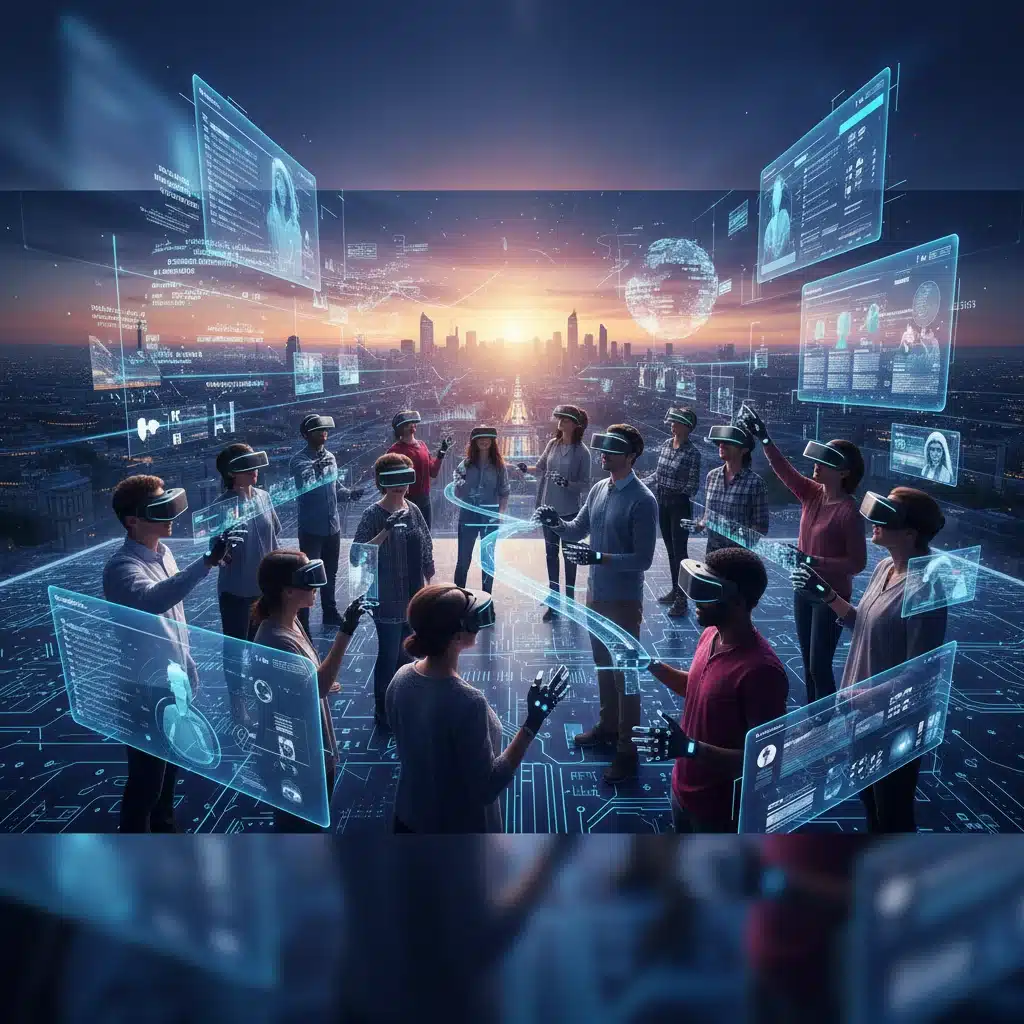
One of the most significant shifts on the horizon for Social Media 2026 is the accelerated development and adoption of immersive digital environments, often referred to collectively as the metaverse. While the concept of a persistent, interconnected virtual world is still in its nascent stages, its trajectory suggests a profound impact on how communities form and interact. Traditional social media platforms, primarily text and image-based, will likely evolve into more spatial and experiential interfaces, offering users richer, more embodied forms of interaction.
Imagine attending a virtual town hall meeting where you can not only see and hear other participants but also share a virtual space, engage in side conversations, and even physically – or rather, virtually – move around to interact with different groups. This level of immersion has the potential to foster a deeper sense of presence and connection, mimicking real-world social dynamics more closely than current platforms. For public discourse, this could mean more nuanced discussions, where non-verbal cues and shared experiences play a greater role, potentially reducing the polarization often seen in text-based exchanges. The ability to co-create and co-experience content in these environments could lead to more collaborative problem-solving and a stronger sense of collective identity within specific communities.
However, the rise of the metaverse also presents significant challenges. Issues of accessibility, digital divides, and the potential for even more sophisticated forms of manipulation and misinformation become paramount. How will these immersive spaces be governed? Who will set the rules for interaction, and how will diverse perspectives be ensured in environments that can be heavily curated? The ethical considerations surrounding data privacy, digital identity, and the psychological impact of prolonged immersion will need to be addressed proactively. Furthermore, the economic models underpinning these new platforms will shape their accessibility and the types of communities that can thrive within them. The role of Social Media 2026 in this emerging metaverse will be critical in defining its societal impact.
For community engagement, the metaverse offers unprecedented opportunities. Niche communities, often geographically dispersed, could find a more cohesive and interactive home. Support groups, hobbyist collectives, and professional networks could leverage these immersive spaces for more effective collaboration, learning, and mutual support. Brands and organizations will also explore new ways to engage with their audiences, creating branded virtual experiences and events that go beyond traditional advertising. The challenge will be to create inclusive and equitable virtual spaces that cater to a wide range of users, preventing the formation of echo chambers and fostering genuine cross-community dialogue. The development of interoperable metaverses, allowing users to seamlessly move between different virtual worlds with their digital identities and assets, will be a key factor in realizing the full potential of this shift.
The technological hurdles for widespread metaverse adoption are also considerable. High-speed internet access, powerful computing devices, and advancements in virtual and augmented reality hardware are all necessary for a truly seamless experience. As these technologies mature, we can expect a gradual but significant migration of social interaction into these more dynamic and interactive digital realms. The platforms that successfully bridge the gap between our physical and virtual lives, offering compelling experiences while addressing the inherent risks, will define the future of Social Media 2026 and beyond.
Shift 2: The Intensification of Algorithmic Curation and the Battle for Attention
Algorithms have long been the unseen architects of our social media feeds, shaping what we see and hear. By 2026, their influence is set to intensify, becoming even more sophisticated and pervasive. This intensification will be driven by advancements in artificial intelligence (AI) and machine learning, allowing platforms to personalize content recommendations with unprecedented precision. While this can enhance user experience by delivering highly relevant content, it also raises profound questions about public discourse and the nature of shared reality.
The primary objective of these algorithms is attention retention. The more time users spend on a platform, the more opportunities there are for advertising revenue. This economic imperative often prioritizes engagement over diverse perspectives or factual accuracy. By 2026, we can expect algorithms to be even better at identifying and promoting content that triggers strong emotional responses, as these are often the most engaging. This could further exacerbate echo chambers, where individuals are primarily exposed to information that confirms their existing beliefs, making it harder to engage in constructive public discourse across ideological lines. The challenge for Social Media 2026 will be to balance personalization with the need for a healthy, informed public sphere.
The battle for attention will also lead to increased competition among content creators and platforms. We will likely see a proliferation of hyper-personalized content streams, where users are served a constant diet of material tailored to their individual tastes and past behaviors. While this can be empowering for niche interests, it also risks fragmenting public discourse into countless micro-conversations, making it difficult to find common ground or address large-scale societal issues. The shared cultural touchstones that once united diverse communities might erode further, replaced by individualized content bubbles.
Platforms will also invest heavily in AI-powered content moderation, attempting to combat misinformation and hate speech more effectively. However, this is a complex and often controversial undertaking. The sheer volume of content makes manual moderation impossible, and AI systems, while powerful, can be prone to biases and errors. The tension between free speech and content governance will remain a central theme for Social Media 2026. The development of transparent and accountable AI systems for content moderation will be crucial for maintaining trust and legitimacy.
For community engagement, intensified algorithmic curation could mean that users are more easily connected with like-minded individuals, strengthening existing bonds within specific groups. However, it could also mean that communities become more insular, less exposed to external viewpoints, and potentially more susceptible to groupthink. The challenge will be to design algorithms that not only connect people with shared interests but also gently expose them to diverse perspectives, fostering intellectual curiosity and critical thinking. The future of Social Media 2026 will be heavily influenced by how these algorithmic challenges are addressed.
The role of ‘curation as a service’ might also grow, with third-party tools or even AI-powered agents helping users navigate the overwhelming sea of information, offering curated feeds that prioritize specific values, such as factual accuracy, diversity of thought, or mental well-being. This decentralization of curation could offer an alternative to platform-controlled algorithms, giving users more agency over their information consumption. However, it also introduces new questions about who controls these curatorial services and whose biases they might reflect. The interplay between platform algorithms, user-controlled curation, and the evolving information landscape will be fascinating to observe in the lead-up to 2026.
Shift 3: The Imperative of Data Privacy, Digital Ethics, and Regulatory Pressure
The third major shift for Social Media 2026 revolves around the increasing imperative of data privacy, digital ethics, and the growing pressure from regulators worldwide. Public trust in social media platforms has been eroded by numerous data breaches, privacy scandals, and concerns about their impact on mental health and democracy. This erosion of trust is driving a demand for greater transparency, accountability, and user control over personal data.
Governments globally are responding with stricter data protection laws, following the precedent set by regulations like GDPR. By 2026, we can expect a more fragmented regulatory landscape, with different regions implementing varying degrees of control over data collection, usage, and sharing. This will force social media companies to adopt more robust privacy-by-design principles, giving users more granular control over their data and how it’s utilized. The era of unchecked data harvesting is drawing to a close, and platforms that fail to adapt will face significant legal and reputational consequences. The landscape of Social Media 2026 will be heavily shaped by these regulatory frameworks.
Beyond legal compliance, there’s a growing ethical awakening within the tech industry and among users. Discussions around the ethical implications of AI, algorithmic bias, and the psychological impact of constant digital engagement are becoming mainstream. Platforms will be under pressure to develop and implement ethical guidelines for their technologies, ensuring that their products are designed to promote well-being, fairness, and inclusivity. This includes addressing issues like addiction, cyberbullying, and the amplification of harmful content. Companies that prioritize ethical considerations will likely gain a competitive advantage, attracting users who value responsible technology.
For public discourse, enhanced data privacy and ethical considerations could lead to more trusted online spaces. When users feel confident that their data is protected and that platforms are operating ethically, they may be more willing to engage in open and honest conversations. This could foster a more civil and constructive public sphere, where individuals feel safe to express diverse opinions without fear of undue surveillance or manipulation. The focus will shift from maximizing engagement at all costs to fostering healthy and sustainable online interactions. The future of Social Media 2026 depends on this shift.
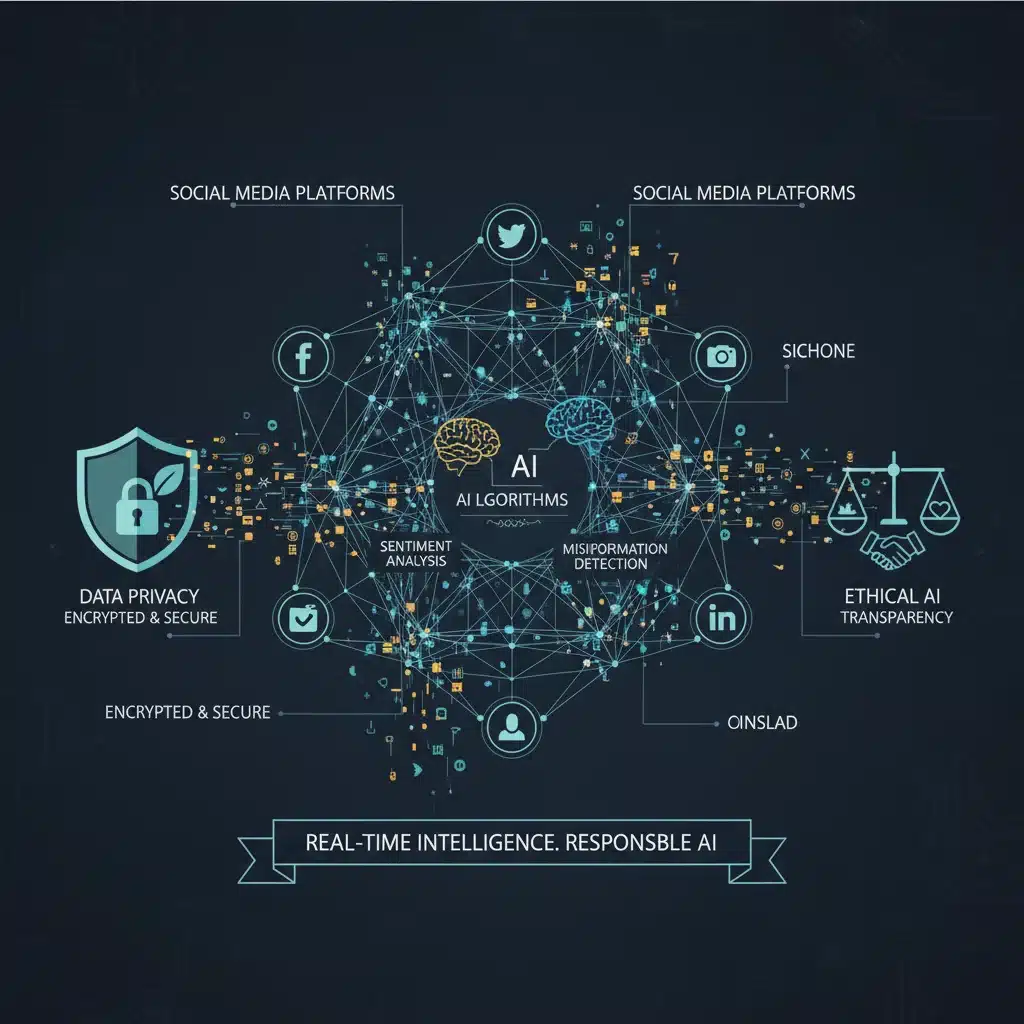
Community engagement will also benefit from a renewed focus on privacy and ethics. Users will seek out platforms that offer secure and private environments for their groups, allowing for more intimate and meaningful connections. This could lead to a rise in smaller, more private communities built on shared values and trust, moving away from the “broadcast” mentality of older platforms. Decentralized social networks, built on blockchain technology, which inherently offer greater user control over data and identity, might also gain traction, presenting a significant alternative to centralized platforms. These emerging models will play a role in defining Social Media 2026.
Furthermore, the concept of ‘digital sovereignty’ will gain prominence, with individuals and communities demanding greater control over their digital identities and online experiences. This includes the right to be forgotten, the right to data portability, and the right to understand how algorithms influence their feeds. Platforms that empower users with these rights, rather than simply complying with minimum legal requirements, will be at the forefront of this ethical transformation. The ongoing dialogue between users, platforms, and regulators will be critical in shaping the ethical framework for Social Media 2026.
The regulatory pressure will also extend to issues of market dominance and anti-competitive practices. Governments are increasingly scrutinizing the power of large tech companies, potentially leading to regulations aimed at fostering greater competition and preventing monopolies. This could open the door for new, innovative social media platforms that prioritize user well-being and ethical design, challenging the established giants. The landscape of Social Media 2026 may well be more diverse and competitive than it is today, driven by these regulatory forces and ethical demands.
The Interplay of These Shifts: Shaping the Future of Social Media 2026
It is crucial to understand that these three shifts – the rise of immersive digital communities, the intensification of algorithmic curation, and the imperative of data privacy and ethics – are not isolated phenomena. They are deeply interconnected and will influence each other in complex ways. For instance, the development of immersive metaverse environments will necessitate new approaches to data privacy and ethical AI, given the richness and sensitivity of the data generated within these spaces. Similarly, regulatory pressures around data privacy will impact how algorithms are designed and deployed, pushing them towards greater transparency and user control.
The tension between personalization and broad public discourse will remain a central challenge. While immersive communities can foster deeper connections, they also run the risk of becoming highly insular if not designed with mechanisms for cross-community interaction and exposure to diverse viewpoints. The ethical imperative demands that platforms consider the societal impact of their algorithms, moving beyond mere engagement metrics to measure and promote healthy public discourse. The success of Social Media 2026 will be measured not just by user numbers, but by the quality of interactions and the health of the digital public sphere.
For individuals, these shifts mean a greater need for digital literacy and critical thinking. Understanding how algorithms work, how data is used, and how to navigate immersive environments safely will be essential skills. Users will need to be proactive in managing their digital identities and curating their online experiences to avoid the pitfalls of misinformation and echo chambers. The responsibility for a healthy digital ecosystem will increasingly be shared between platforms, regulators, and individual users. The evolving landscape of Social Media 2026 demands active participation from all stakeholders.
For businesses and organizations, the implications are equally significant. Marketing strategies will need to evolve to engage with audiences in immersive environments, leveraging new forms of interactive content and community building. Brand reputation will be more closely tied to ethical practices and data privacy commitments. Understanding the nuances of algorithmic curation will be vital for effective content distribution and audience reach. The ability to adapt to these changes and innovate responsibly will determine success in the competitive landscape of Social Media 2026.
Policymakers face the daunting task of creating regulatory frameworks that are agile enough to keep pace with rapid technological advancements, yet robust enough to protect users and uphold democratic values. Striking the right balance between fostering innovation and preventing harm will be a continuous challenge. International cooperation will be essential, as social media platforms operate across borders, making unilateral regulation often ineffective. The global impact of Social Media 2026 necessitates a coordinated approach.
Conclusion: Navigating the Evolving Digital Frontier of Social Media 2026
The journey towards Social Media 2026 promises to be a dynamic and potentially disruptive one. The convergence of immersive technologies, advanced AI, and heightened regulatory scrutiny will redefine the very essence of social interaction online. The three key shifts – the rise of the metaverse, the intensification of algorithmic curation, and the imperative of data privacy and ethics – will collectively shape public discourse and community engagement in profound ways.
While the challenges are considerable, so too are the opportunities. Imagine a future where social media platforms are designed not just to capture attention, but to foster genuine connection, facilitate informed debate, and empower communities to collaborate on shared goals. A future where digital spaces are inclusive, respectful, and reflective of the diverse tapestry of human experience. This optimistic vision is achievable, but it requires conscious effort, ethical design, and proactive engagement from all stakeholders.
As we move closer to 2026, the platforms that succeed will be those that embrace these shifts with a commitment to user well-being, transparency, and responsible innovation. The future of Social Media 2026 is not predetermined; it is being actively shaped by the choices we make today. By understanding these trends and actively participating in the dialogue about the future of our digital spaces, we can help build a more connected, informed, and ethically sound online world for everyone. The time to prepare for these transformations is now, ensuring that social media evolves into a force for good in society.