Urban Evolution 2026: Smart Cities, Sustainable Living, and Community Well-being
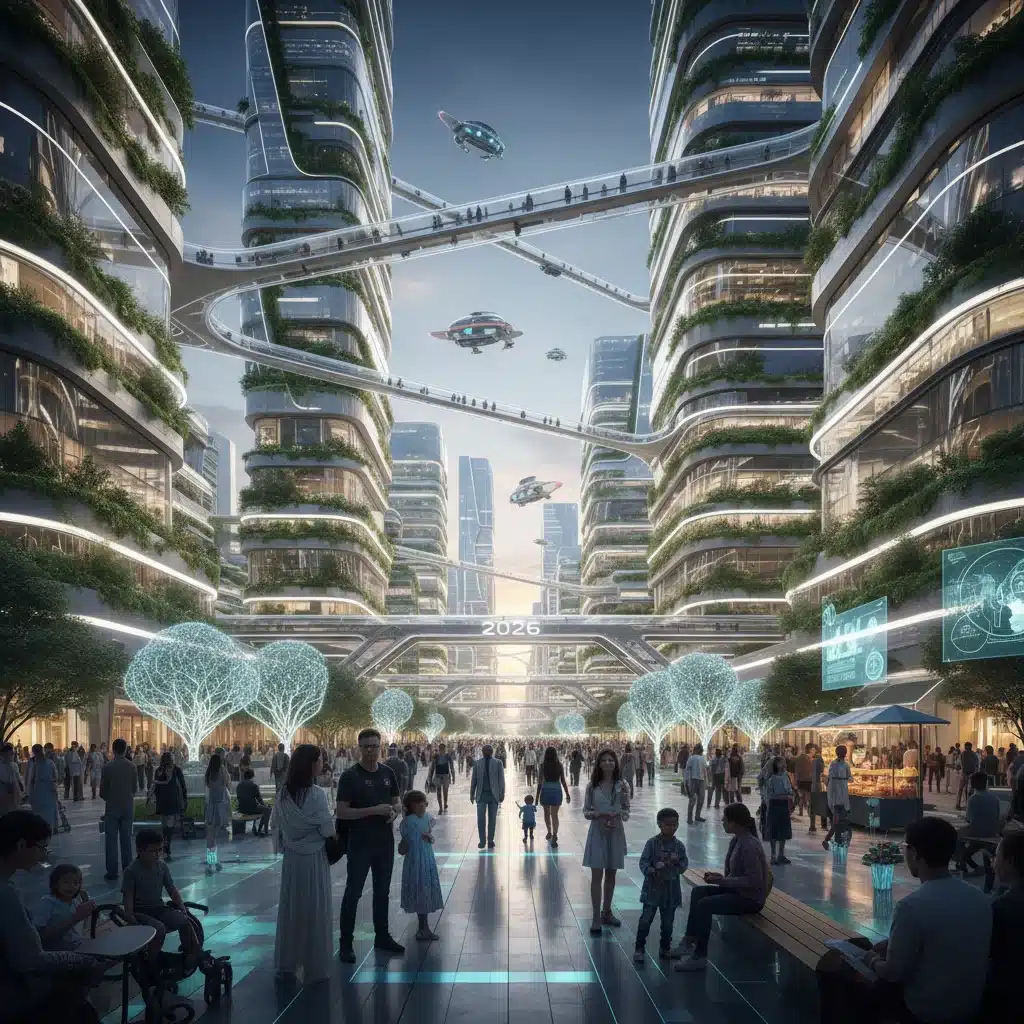
The year 2026 stands as a pivotal point in the narrative of urban development. As populations continue to gravitate towards metropolitan centers, the imperative to reimagine and reshape our cities becomes ever more pressing. The concept of Urban Living Innovations 2026 is not merely a futuristic fantasy but a tangible roadmap for creating more resilient, equitable, and vibrant urban environments. This article delves into the transformative trends and groundbreaking technologies that are defining the future of urban dwelling, focusing on how smart city initiatives, sustainable practices, and an unwavering commitment to community well-being are converging to craft the cities of tomorrow.
The challenges facing urban areas are multifaceted, ranging from climate change and resource scarcity to social inequality and rapid urbanization. However, these challenges also present unparalleled opportunities for innovation. By 2026, we anticipate a significant acceleration in the adoption of technologies and methodologies that address these issues head-on, leading to cities that are not only efficient and technologically advanced but also deeply human-centric. The evolution of urban planning is no longer just about infrastructure; it’s about fostering ecosystems where every resident can thrive.
Understanding the trajectory of Urban Living Innovations 2026 requires a holistic perspective, one that encompasses technological advancements, policy shifts, and crucial sociological considerations. We will explore how data-driven decision-making, green infrastructure, enhanced mobility solutions, and inclusive community designs are collectively painting a picture of urban life that is both aspirational and achievable. This isn’t just about building taller buildings or faster trains; it’s about fundamentally rethinking how we interact with our environment and with each other within the urban fabric.
The Rise of Hyper-Connected Smart Cities
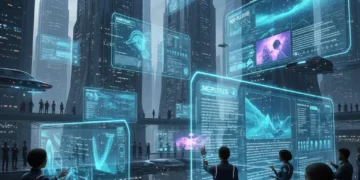
At the core of Urban Living Innovations 2026 is the continued proliferation and sophistication of smart city technologies. These aren’t just isolated gadgets; they represent an intricate web of sensors, data analytics, artificial intelligence, and interconnected systems designed to optimize every facet of urban life. By 2026, we expect to see a more seamless integration of these technologies, moving beyond pilot projects to widespread deployment that genuinely enhances daily experiences for residents.
Intelligent Infrastructure and IoT Integration
Expect intelligent infrastructure to be a cornerstone. Smart streetlights that adjust illumination based on real-time traffic and pedestrian activity, waste management systems that optimize collection routes based on bin fill levels, and smart grids that dynamically manage energy distribution are becoming standard. The Internet of Things (IoT) will be the nervous system of these cities, with billions of connected devices feeding crucial data into central platforms. This data, when analyzed effectively, will allow city planners and administrators to make informed decisions, predict challenges, and respond with unprecedented agility. For example, predictive maintenance for public transport infrastructure can prevent breakdowns, while real-time environmental monitoring can alert citizens to air quality issues, promoting healthier choices.
Advanced Mobility Solutions
Transportation is another area ripe for transformation. While fully autonomous vehicles might still be some years away from complete ubiquity, 2026 will see significant advancements in integrated multimodal transit systems. Think of ride-sharing services seamlessly integrated with public transport apps, electric scooter and bike-share programs widely available, and perhaps even early deployments of urban air mobility (UAM) in specific corridors. The goal is to reduce congestion, lower emissions, and provide citizens with more convenient, efficient, and sustainable ways to move around. Smart traffic management systems, utilizing AI to dynamically adjust signal timings and reroute traffic, will play a critical role in realizing these efficiencies. The shift from car ownership to mobility-as-a-service (MaaS) will accelerate, driven by both technological convenience and environmental consciousness, marking a significant step in Urban Living Innovations 2026.
Data-Driven Urban Planning
The sheer volume of data generated by smart city infrastructure will revolutionize urban planning. Instead of relying on static models, planners will have access to real-time insights into population movements, resource consumption, and environmental conditions. This enables a more agile and responsive approach to development. New public spaces can be designed based on actual usage patterns, housing developments can be strategically placed to align with commuter needs, and emergency services can optimize their deployment. This data-driven approach fosters a continuous feedback loop, allowing cities to adapt and evolve based on factual evidence, rather than assumptions. The ethical implications of data collection and privacy will, of course, remain a critical discussion point, requiring robust frameworks and transparent governance.
Sustainable Urbanism: Building for a Greener Future
Sustainability is no longer an optional add-on but a fundamental prerequisite for any meaningful Urban Living Innovations 2026. Cities are significant contributors to global emissions and resource consumption, making them central to climate action. By 2026, we expect to see more aggressive and integrated strategies for greening urban environments, reducing ecological footprints, and building climate resilience.
Circular Economy Principles in Urban Design
The linear ‘take-make-dispose’ model is giving way to circular economy principles. This means designing cities where waste is minimized, resources are reused, and materials are recycled back into the production cycle. In 2026, this will manifest in innovative building materials made from recycled components, advanced waste-to-energy facilities, and urban policies that incentivize repair, reuse, and sharing economies. Public infrastructure projects will increasingly prioritize materials with low embodied energy and long lifespans, reducing the need for constant replacement. This shift is crucial for mitigating environmental impact and fostering resource independence.
Green Infrastructure and Biodiversity Integration
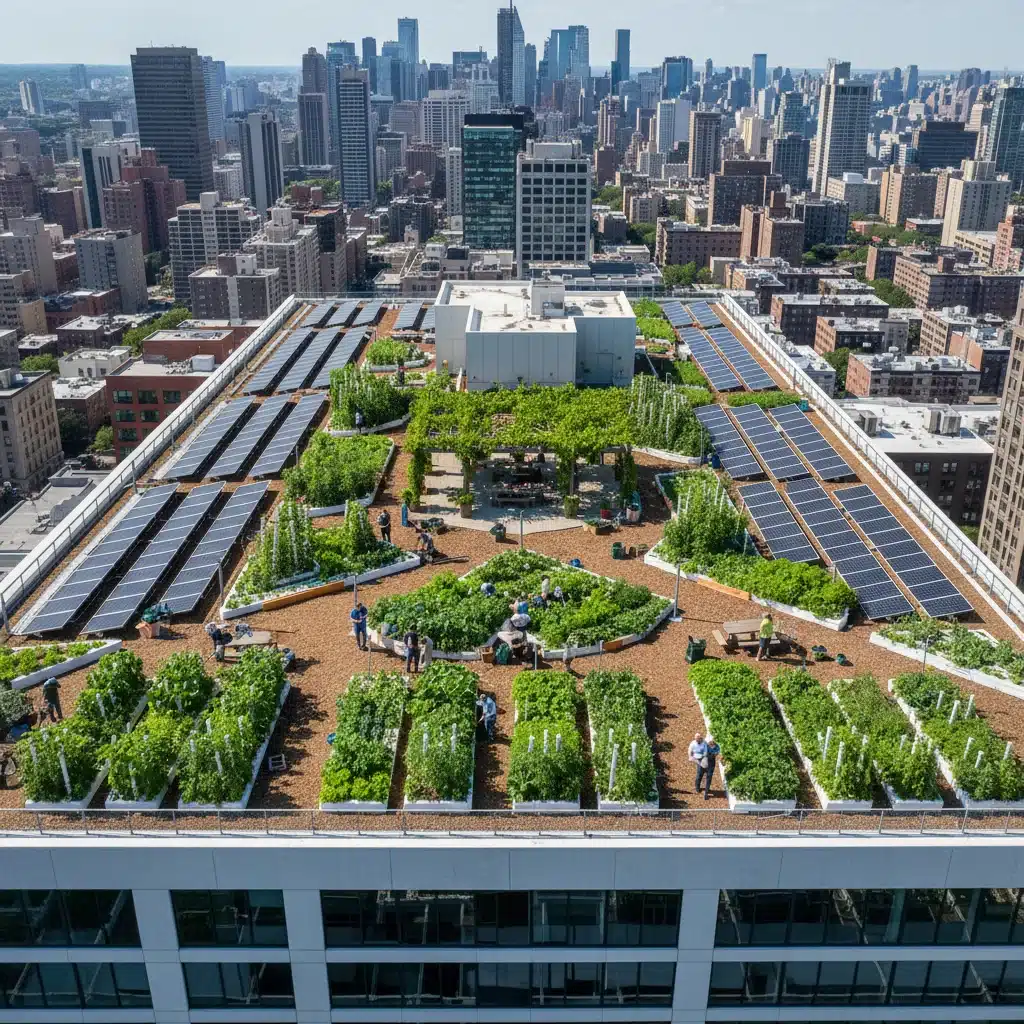
Beyond traditional parks, 2026 will see a greater emphasis on integrating green infrastructure throughout the urban fabric. This includes vertical gardens on buildings, green roofs that absorb stormwater and reduce urban heat island effects, and biodiverse corridors that connect natural spaces. These elements not only enhance aesthetic appeal but also provide crucial ecosystem services: improving air quality, supporting local wildlife, and offering recreational opportunities. Urban forestry initiatives will expand, recognizing trees as vital assets for carbon sequestration and shade. The concept of ‘biophilic design,’ which seeks to connect urban dwellers with nature, will become more prevalent in architectural and urban planning, proving that Urban Living Innovations 2026 are not just about technology but also about harmony with the natural world.
Renewable Energy and Energy Efficiency
Cities in 2026 will be powered increasingly by renewable energy sources. Solar panels on rooftops, wind turbines in suitable locations, and potentially even geothermal energy systems will contribute to a decentralized and resilient energy supply. Simultaneously, energy efficiency will be paramount. Smart buildings that optimize heating, ventilation, and air conditioning (HVAC) based on occupancy and external conditions, advanced insulation, and energy-efficient appliances will all contribute to significantly reducing urban energy demand. Microgrids, capable of operating independently during larger grid failures, will enhance energy security and resilience, a critical aspect of modern Urban Living Innovations 2026.
Community Well-being: Human-Centric Urban Design
While technology and sustainability are vital, the ultimate measure of successful Urban Living Innovations 2026 lies in their ability to enhance the well-being and quality of life for urban residents. Future cities are being designed with a strong emphasis on social cohesion, inclusivity, and access to essential services.
Inclusive Public Spaces and Social Infrastructure
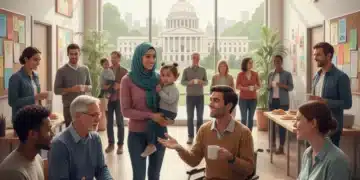
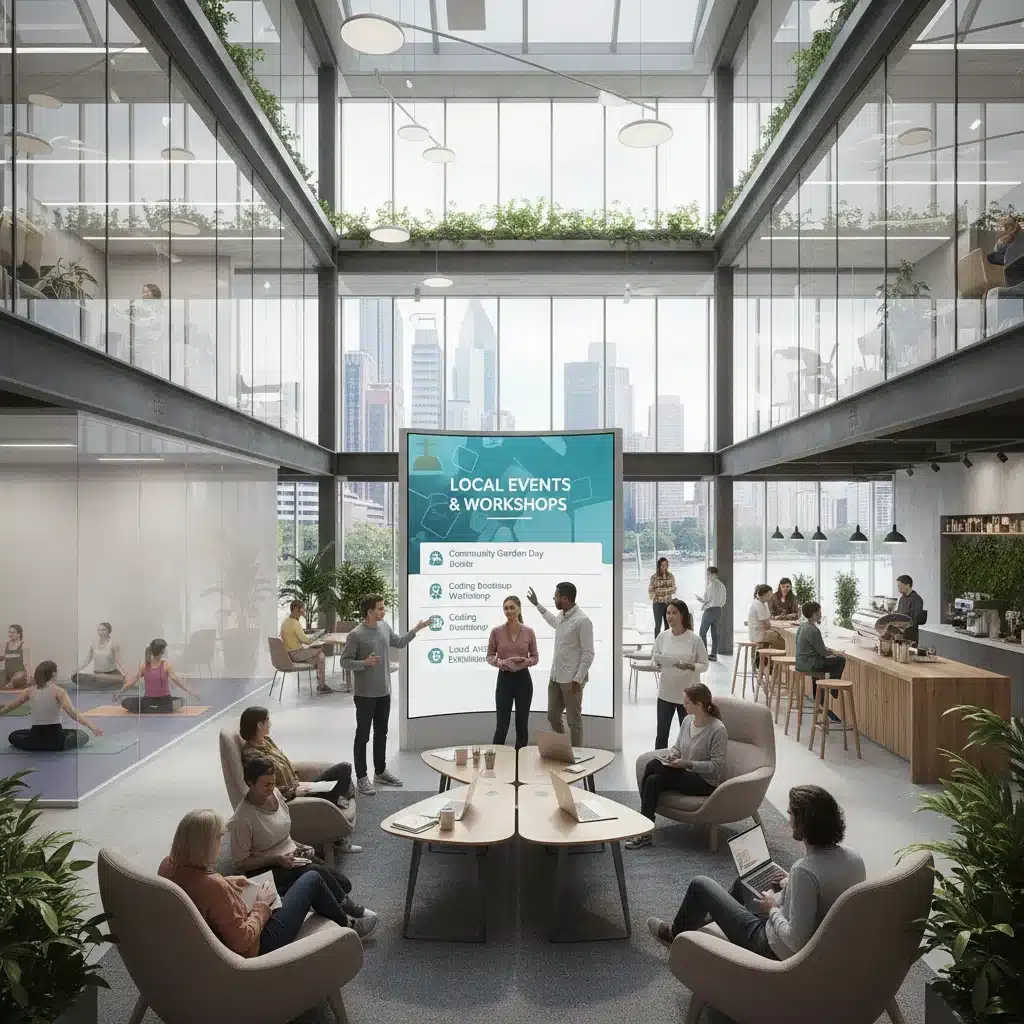
Public spaces are the lifeblood of a city, fostering interaction and a sense of community. By 2026, urban planners will prioritize the creation of more inclusive, accessible, and versatile public spaces. These spaces will be designed to accommodate diverse age groups and abilities, offering flexible areas for recreation, cultural events, and social gatherings. Think of parks with integrated community gardens, plazas with flexible seating and shading, and pedestrian-friendly streets that encourage walking and cycling. Social infrastructure, including community centers, libraries, and affordable childcare facilities, will be strategically integrated to support neighborhood vitality and reduce social isolation.
Health and Wellness in Urban Environments
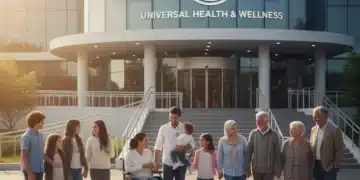
The health and well-being of residents are paramount. Urban Living Innovations 2026 will place a greater emphasis on creating environments that promote physical and mental health. This includes expanding access to green spaces, promoting active transportation (walking, cycling), and ensuring access to healthy food options through urban farms and local markets. Noise and air pollution reduction strategies will be implemented more rigorously. Furthermore, digital health services, integrated into urban platforms, could provide easier access to medical advice and support, making cities healthier places to live for all.
Affordable Housing and Equitable Access
Addressing housing affordability and ensuring equitable access to urban amenities remains a significant challenge. By 2026, innovative approaches to affordable housing, including modular construction, adaptive reuse of existing buildings, and progressive land-use policies, will gain traction. The goal is to create diverse housing options that cater to various income levels, preventing gentrification and maintaining social diversity. Furthermore, equitable access to quality education, healthcare, and job opportunities will be central to planning efforts, ensuring that the benefits of Urban Living Innovations 2026 are shared by all residents, not just a privileged few.
Emerging Technologies Shaping Urban Futures
Beyond the already established trends, several emerging technologies are poised to have a profound impact on urban living by 2026 and beyond. These innovations promise to push the boundaries of what’s possible in city development.
Digital Twins and Predictive Modeling
Digital twins – virtual replicas of physical assets, processes, or systems – are becoming increasingly sophisticated. In urban planning, a digital twin of a city or a specific neighborhood can simulate various scenarios, from the impact of new developments on traffic flow to the effectiveness of different climate adaptation strategies. This allows planners to test ideas and predict outcomes before committing to expensive physical construction, significantly reducing risks and optimizing resource allocation. By 2026, digital twins will be invaluable tools for data-driven decision-making in Urban Living Innovations 2026.
Advanced Robotics and Automation
Robotics and automation are set to transform urban services and construction. Automated waste collection, robotic delivery services for last-mile logistics, and drones for infrastructure inspection are just a few examples. In construction, robotic builders can enhance efficiency and safety, while also allowing for more intricate and sustainable designs. The ethical implications on employment and the need for new skill sets will necessitate careful planning and societal adaptation.
Hyperlocal Production and 3D Printing
The rise of hyperlocal production, enabled by technologies like 3D printing and advanced manufacturing, could decentralize supply chains and reduce the environmental impact of transporting goods. Imagine community-level micro-factories producing essential items on demand, or construction sites utilizing 3D printing to create building components with minimal waste. This shift could foster more resilient local economies and reduce reliance on global supply chains, a key element in future Urban Living Innovations 2026.
Challenges and the Path Forward
While the vision for Urban Living Innovations 2026 is optimistic, significant challenges remain. Funding for large-scale urban projects, navigating complex regulatory landscapes, ensuring data privacy and cybersecurity, and bridging the digital divide are all critical hurdles. The successful implementation of these innovations will require strong leadership, collaborative governance between public and private sectors, and active citizen engagement.
Moreover, the focus must always remain on equity. As cities become smarter and more technologically advanced, there’s a risk of exacerbating existing inequalities if innovations are not designed with inclusivity in mind. Ensuring that all residents, regardless of socioeconomic status or digital literacy, can benefit from these advancements is paramount. This means investing in digital literacy programs, providing affordable access to technology, and designing services that are universally accessible.
The journey towards these future cities is iterative. It involves continuous learning, adaptation, and a willingness to embrace new paradigms. The year 2026 serves not as an endpoint, but as a significant milestone in this ongoing evolution. The cities we build and inhabit in the coming years will be a testament to our collective ingenuity, our commitment to sustainability, and our dedication to fostering thriving communities.
Conclusion: A Vision for Thriving Urban Ecosystems
The future of urban living, as envisioned for 2026, is one of profound transformation. It is a future where cities are not just concrete jungles but dynamic, intelligent ecosystems designed to enhance human well-being and protect the planet. Through the strategic integration of smart technologies, the unwavering pursuit of sustainability, and a deep commitment to community-centric design, we are on the cusp of creating urban environments that are more efficient, resilient, and equitable than ever before.
The advancements in Urban Living Innovations 2026 represent a paradigm shift – moving from reactive urban management to proactive urban design. This involves harnessing the power of data, embracing green infrastructure, and fostering a sense of belonging and shared purpose among residents. As we look towards 2026 and beyond, the ongoing dialogue between technology, policy, and human needs will continue to shape our urban landscapes, paving the way for a brighter, more sustainable, and more livable future for all urban dwellers.
The journey is complex, but the destination – cities that are truly smart, genuinely sustainable, and deeply human – is well within reach. It requires collective effort, innovative thinking, and a shared vision for what urban life can and should be. The innovations we implement today will lay the groundwork for generations to come, ensuring that our cities remain vibrant centers of progress, culture, and community.