Parenthood in Flux: 5 Societal Trends Shaping Families by 2026
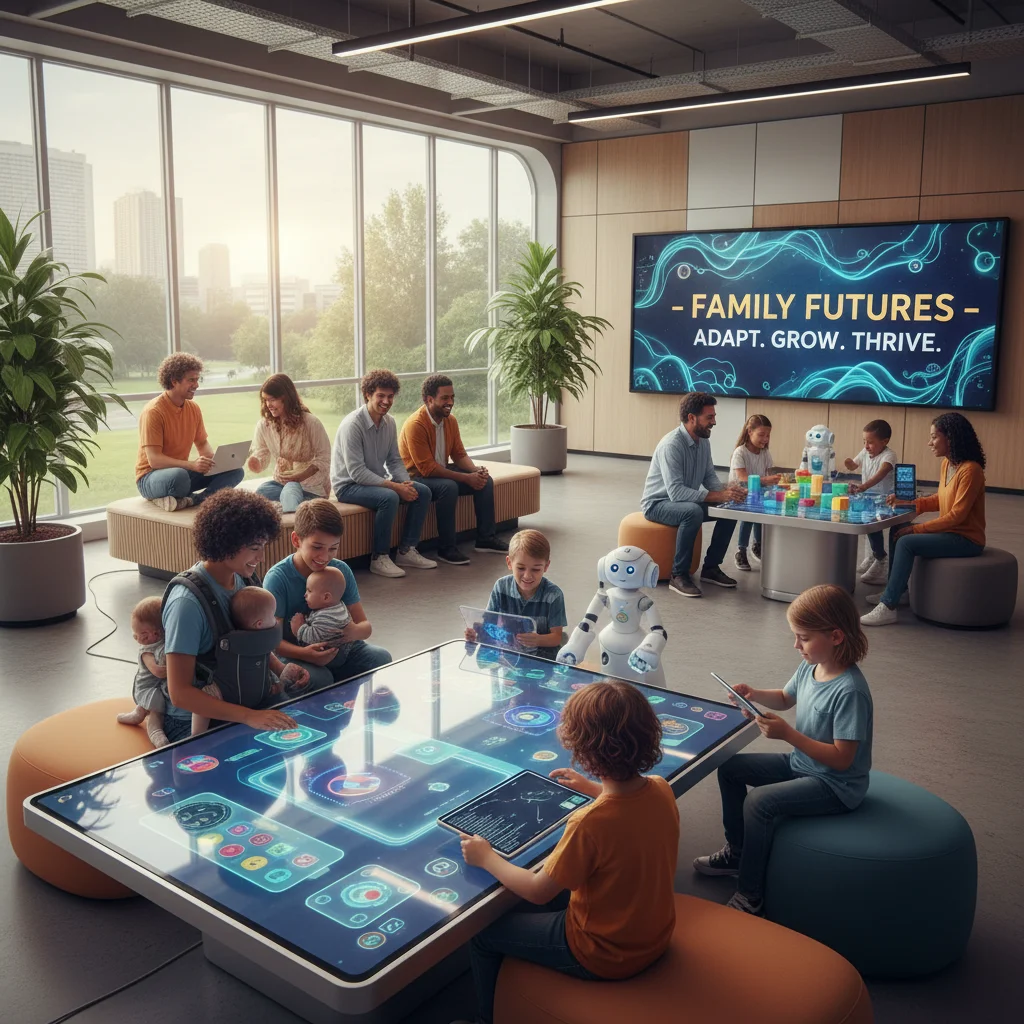
The Shifting Landscape of Parenthood: 5 Societal Trends Impacting Family Dynamics by 2026
Parenthood, a journey as old as humanity itself, is in a constant state of evolution. What it means to be a parent, the challenges faced, and the support systems available are all subject to the relentless currents of societal change. As we hurtle towards 2026, several powerful trends are coalescing to redefine the future of parenthood. These shifts are not merely superficial; they are fundamentally altering family dynamics, parenting styles, and the very fabric of our communities. Understanding these trends is crucial for parents, policymakers, educators, and anyone invested in the well-being of the next generation.
The pace of change has never been faster, driven by technological innovations, economic pressures, evolving social norms, and a growing global consciousness. This article will delve into five pivotal societal trends that are significantly impacting parenthood and families. From the pervasive influence of technology to the redefinition of traditional family structures, we will explore how these forces are shaping the experiences of parents and children alike. Our aim is to provide insight into the complexities of modern parenting and offer a glimpse into what the future of parenthood might hold.
1. The Digital Native Parent and Child: Technology’s Double-Edged Sword
The first and perhaps most undeniable trend is the ever-deepening integration of technology into every aspect of life, especially within families. Parents today are often digital natives themselves, or at least highly proficient in using technology, and their children are growing up in a world saturated with screens, artificial intelligence, and instant connectivity. This trend presents both unprecedented opportunities and significant challenges for the future of parenthood.
Opportunities in Tech-Enhanced Parenting
Technology offers a wealth of resources that can enhance parenting. Educational apps, online learning platforms, and virtual tutors provide personalized learning experiences for children, often supplementing traditional schooling. For parents, smart home devices can automate routines, freeing up valuable time. Telehealth services offer convenient access to pediatricians and mental health professionals, a boon for busy families. Social media and online communities connect parents with support groups, advice, and a sense of shared experience, breaking down geographical barriers and reducing feelings of isolation.
Furthermore, technology facilitates communication within families, especially for those with separated parents or extended family living far away. Video calls and messaging apps keep loved ones connected, fostering stronger bonds. Wearable tech for children, while raising privacy concerns, can also offer peace of mind for parents regarding their child’s safety and whereabouts. The ability to monitor development, track milestones, and access a vast library of parenting advice at the touch of a button has fundamentally transformed the information landscape for parents.
Challenges of Digital Parenthood
However, the digital age also introduces complex challenges. Screen time management is a constant battle for many parents, who grapple with the addictive nature of digital content and its potential impact on children’s development, attention spans, and social skills. Cyberbullying, online predators, and exposure to inappropriate content are ever-present threats that require vigilant parental oversight and ongoing education.
The pressure to maintain a perfect online image, often fueled by social media, can create unrealistic expectations for parents, leading to stress and feelings of inadequacy. The blurring lines between work and home life, enabled by constant connectivity, can make it difficult for parents to disconnect and be fully present with their children. Moreover, the digital divide remains a significant issue, with families lacking access to reliable internet or devices being at a disadvantage, exacerbating existing inequalities. Navigating these complexities is a critical aspect of the future of parenthood.
2. Economic Pressures and the Redefinition of Work-Life Balance
Economic forces continue to exert immense pressure on families, profoundly influencing parenting decisions and lifestyles. Rising costs of living, stagnant wages, and the increasing demand for dual-income households are reshaping the traditional understanding of work-life balance and impacting the future of parenthood.
Financial Strain and its Impact on Family Life
The cost of raising children has skyrocketed, encompassing everything from childcare and education to healthcare and extracurricular activities. Many families find themselves in a constant financial squeeze, leading to difficult choices. Parents may delay having children, opt for fewer children, or choose to forgo career advancement opportunities to prioritize family needs. The need for both parents to work full-time often means less time for direct parental involvement, leading to increased reliance on external childcare and a re-evaluation of traditional gender roles within the household.
The gig economy and remote work, while offering some flexibility, also introduce instability for many. Parents in these roles may struggle with unpredictable incomes and a lack of benefits, adding to financial stress. The pursuit of economic stability often dictates geographic location, with families moving to areas with better job prospects or more affordable housing, sometimes far from extended family support networks.
Evolving Work-Life Paradigms
In response to these pressures, there’s a growing demand for more flexible work arrangements. Companies that offer remote work options, compressed workweeks, or generous parental leave policies are increasingly attractive to parents. This shift is slowly but surely redefining what a ‘successful’ career looks like, moving away from a rigid 9-to-5 office model towards one that better accommodates family responsibilities. The pandemic accelerated this trend, forcing many organizations to embrace remote work, and many parents are now reluctant to return to traditional office settings.
However, achieving true work-life balance remains an elusive goal for many. The constant juggle between professional demands and parental duties can lead to burnout, stress, and a feeling of being constantly overwhelmed. Policies such as universal childcare, paid family leave, and affordable healthcare are becoming increasingly critical in alleviating these economic pressures and supporting the future of parenthood.
3. Shifting Family Structures and the Redefinition of ‘Family’
The traditional nuclear family model, while still prevalent, is no longer the sole or even dominant definition of ‘family.’ Societal norms are evolving, leading to a much broader and more inclusive understanding of family structures. This trend profoundly impacts the future of parenthood, influencing how children are raised, who raises them, and the support systems they access.
Diversity in Family Forms
We are witnessing a rise in diverse family structures, including single-parent households, blended families, same-sex parent families, co-parenting arrangements among non-romantic partners, and multi-generational households. Each of these structures brings its own unique dynamics, strengths, and challenges. Single parents often face increased financial and logistical burdens but may foster incredible resilience in their children. Blended families navigate complex relationships and the integration of different parenting styles. Same-sex parents are challenging traditional gender roles and expanding our understanding of what constitutes a ‘mother’ or ‘father’ figure.
Moreover, the concept of chosen families is gaining traction, where individuals form strong, supportive bonds with non-biological relatives or friends, providing a crucial support network that may be absent from biological family. This reflects a broader cultural shift towards valuing connection and support beyond conventional blood ties.

Increased Emphasis on Co-Parenting and Community Support
With more diverse family structures comes an increased emphasis on effective co-parenting, whether between divorced parents or non-romantic partners. The focus shifts to ensuring the child’s well-being and stability, often requiring open communication, mutual respect, and shared decision-making. Legal and social systems are slowly adapting to accommodate these evolving arrangements, offering mediation services and legal frameworks that support diverse co-parenting models.
Furthermore, communities are playing an increasingly vital role in supporting these varied family forms. Schools, childcare centers, and community organizations are becoming more inclusive, recognizing and celebrating the diversity of family structures. The rise of parent networks and online forums tailored to specific family types provides invaluable peer support and shared resources, contributing significantly to the resilience and success of these new family models. This collective effort is essential for the positive development of the future of parenthood.
4. Mental Health and Well-being: A Central Focus in Parenting
There is a growing and much-needed recognition of the importance of mental health and emotional well-being, both for children and parents. This trend marks a significant departure from previous generations where mental health was often stigmatized or overlooked, and it profoundly shapes the future of parenthood.
Addressing Parental Burnout and Stress
Modern parents face unprecedented levels of stress and burnout, stemming from economic pressures, the demands of digital parenting, the pressure to be ‘perfect,’ and often, a lack of adequate support systems. Awareness campaigns and research are highlighting the prevalence of parental burnout, postpartum depression, and anxiety among caregivers. As a result, there’s a greater emphasis on self-care for parents, encouraging them to prioritize their own mental health not as a luxury, but as a necessity for effective parenting.
Employers are beginning to recognize the impact of parental mental health on productivity and are slowly implementing supportive policies. Mental health resources, therapy, and support groups are becoming more accessible and destigmatized, allowing parents to seek help without shame. This shift is crucial for creating healthier family environments and ensuring parents have the capacity to nurture their children effectively.
Prioritizing Children’s Emotional and Psychological Development
For children, the focus has shifted beyond purely academic achievement to encompass emotional intelligence, resilience, and overall psychological well-being. Parents are increasingly aware of the impact of early childhood experiences on long-term mental health. This translates into more intentional parenting styles that prioritize emotional regulation, open communication about feelings, and fostering a secure attachment. Schools are also integrating social-emotional learning (SEL) into their curricula, recognizing its importance alongside traditional subjects.
The increased visibility of mental health challenges in children and adolescents, partly due to greater awareness and reduced stigma, means parents are more likely to seek professional help for their children when needed. Early intervention, accessible child psychology services, and a supportive environment both at home and in school are becoming cornerstones of responsible parenting. This holistic approach to development is a defining characteristic of the future of parenthood.
5. Environmental Consciousness and Sustainable Parenting
The urgent realities of climate change and environmental degradation are increasingly influencing parental choices and values. Parents are more aware than ever of the world their children will inherit, leading to a growing emphasis on environmental consciousness and sustainable parenting practices. This trend profoundly shapes the future of parenthood, from consumption habits to educational priorities.
Eco-Friendly Choices and Consumption
Parents are actively seeking out sustainable products, from eco-friendly diapers and organic baby food to ethically sourced toys and clothing. The demand for sustainable consumption extends to reducing waste through reusable items, composting, and conscious recycling. Minimalism in parenting, focusing on fewer, higher-quality items rather than excessive consumption, is also gaining traction, driven by both environmental concerns and a desire to simplify family life.
The choice of transportation, energy consumption at home, and even dietary habits are increasingly influenced by a desire to minimize environmental impact. Families are adopting plant-based diets, reducing their carbon footprint through public transport or electric vehicles, and investing in renewable energy sources for their homes. These choices are not just practical; they are often driven by a deep sense of responsibility towards future generations.
Educating and Empowering the Next Generation
Beyond personal consumption, parents are actively educating their children about environmental issues and instilling a sense of ecological responsibility. This includes teaching about conservation, the importance of biodiversity, and the impact of human actions on the planet. Nature-based learning, outdoor education, and community gardening initiatives are becoming more popular, fostering a connection with the natural world from a young age.
Parents are also engaging in advocacy, pushing for stronger environmental policies and corporate responsibility. They recognize that individual actions, while important, must be complemented by systemic change. Empowering children to become environmentally conscious citizens and advocates is seen as a crucial aspect of preparing them for the challenges of the future. This commitment to sustainability is integral to the evolving definition of responsible parenting in the 21st century and will undoubtedly shape the future of parenthood.

Conclusion: Adapting to the New Frontier of Family Life
The future of parenthood is a dynamic and multifaceted landscape, shaped by a confluence of technological, economic, social, mental health, and environmental forces. The five trends discussed – technology’s pervasive influence, economic pressures, shifting family structures, a heightened focus on mental well-being, and growing environmental consciousness – are not isolated phenomena. Rather, they interact and intertwine, creating a complex tapestry of challenges and opportunities for families worldwide.
Parents navigating this evolving terrain are demonstrating remarkable adaptability and resilience. They are leveraging technology for connection and learning while simultaneously striving to set healthy boundaries. They are advocating for greater work-life flexibility and financial support in the face of economic strain. They are embracing diverse family structures and building robust community networks. Most importantly, they are prioritizing the mental and emotional health of both themselves and their children, while instilling a deep sense of environmental responsibility.
As we look towards 2026 and beyond, the definition of ‘good parenting’ will continue to expand, encompassing not just care and provision, but also digital literacy, emotional intelligence, financial resilience, and ecological stewardship. Supporting parents in this monumental task requires a collective effort from governments, employers, educators, and communities to create policies and environments that nurture families in all their diverse forms.
The journey of parenthood remains one of profound love, learning, and growth. By understanding and proactively addressing these societal trends, we can collectively work towards a future where every child has the opportunity to thrive, and every parent feels supported and empowered in their invaluable role. The future of parenthood is not just about adapting to change; it’s about actively shaping a better world for the generations to come.