Remote Work’s Permanent Shift: 5 Societal Implications by 2026
Remote Work’s Permanent Shift: 5 Societal Implications by 2026
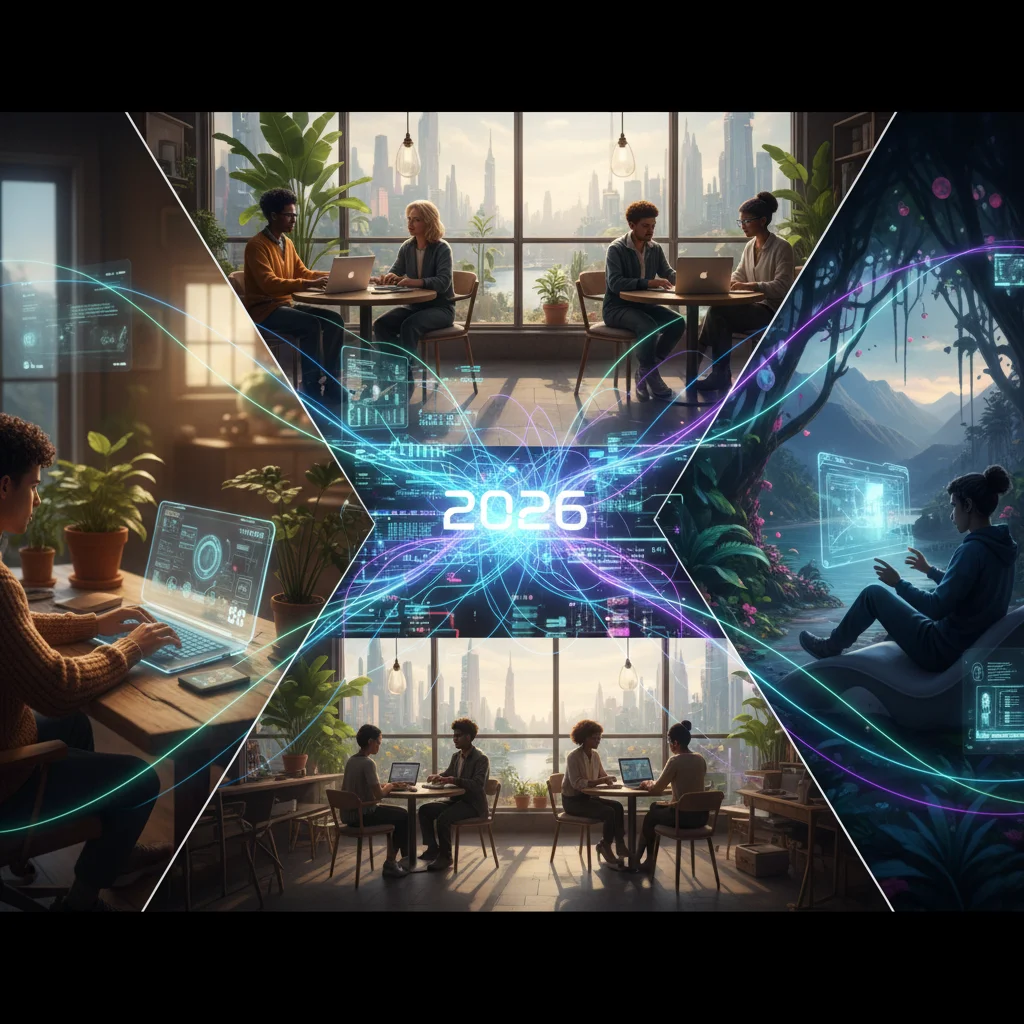
The COVID-19 pandemic acted as an unprecedented catalyst, thrusting remote work from a niche perk into a global imperative. What began as a temporary measure has, for many, solidified into a permanent fixture of our professional landscape. As we look towards 2026, the long-term societal implications of this profound shift are becoming increasingly clear, reshaping not just how we earn a living, but how we live, interact, and build communities. This article delves into five critical societal implications of this permanent shift, exploring how remote work implications are transforming family structures, local economies, urban planning, and the very fabric of our society.
The Irreversible Tide: Understanding Remote Work’s Permanence
Before diving into the specific implications, it’s crucial to acknowledge the permanent nature of the remote work revolution. While some companies have mandated a return to office, a significant portion of the global workforce continues to operate remotely, either fully or in a hybrid model. This isn’t merely a trend; it’s a fundamental recalibration of employer-employee relationships, technological capabilities, and individual preferences. The flexibility, reduced commute times, and enhanced work-life balance offered by remote work have created a new baseline expectation for many professionals. Companies, in turn, have recognized the benefits of broader talent pools, reduced overheads, and increased employee satisfaction and retention. The infrastructure for remote work – from cloud computing to collaboration tools – has matured, making it a viable and often preferable option for a growing number of industries.
This enduring shift means that the societal ramifications are not fleeting but rather deeply embedded and evolving. Understanding these remote work implications is essential for policymakers, businesses, and individuals alike as we navigate the complexities of this new era. The changes aren’t just economic; they are deeply personal and communal, touching every aspect of our daily lives.
1. Reshaping Family Structures and Dynamics
One of the most profound remote work implications by 2026 is its impact on family structures and dynamics. For decades, the traditional model often involved one or both parents commuting daily, leading to distinct separations between work life and home life. Remote work has blurred these lines, bringing work directly into the home and, by extension, into the family’s daily rhythm.
Increased Parental Involvement and Flexibility
For many parents, especially mothers, remote work has offered unprecedented flexibility. The ability to attend a child’s school event, manage household tasks during a lunch break, or simply be present more often throughout the day can significantly alter family dynamics. This increased presence can lead to stronger parent-child bonds and a more equitable distribution of childcare responsibilities between partners, as both may now have more flexible schedules. Fathers, in particular, are finding new opportunities for deeper engagement in their children’s lives, moving beyond the traditional breadwinner role to become more active caregivers.
Challenges of Integration and Boundaries
However, this integration isn’t without its challenges. The lack of clear boundaries between work and home can lead to burnout, as professionals struggle to “switch off” when their workspace is also their living space. Children, while benefiting from increased parental presence, may also experience disruptions if parents are constantly juggling work calls and deadlines. Managing the demands of both professional responsibilities and family life within the same physical space requires deliberate strategies for time management, communication, and setting expectations with both employers and family members.
Impact on Dual-Income Households
In dual-income households, remote work can be a double-edged sword. While it offers flexibility, it can also intensify the demands on shared home resources and space. Couples must navigate new ways of coexisting and co-working, potentially leading to both enhanced collaboration and increased friction. The need for dedicated home office spaces or co-working solutions becomes paramount, influencing housing choices and budgets. By 2026, we anticipate seeing more families actively designing their homes or seeking housing that accommodates multiple simultaneous remote work setups, reflecting the enduring nature of these remote work implications.

2. Revitalization and Redistribution of Local Economies
The decentralization of the workforce is having a profound effect on local economies, particularly in suburban and rural areas. This is one of the most visible remote work implications that will continue to evolve by 2026.
The Exodus from Urban Centers
With the reduced need to live within commuting distance of major urban hubs, many individuals and families are choosing to relocate to smaller towns, suburbs, or even rural communities. This migration is often driven by a desire for more affordable housing, a slower pace of life, better access to nature, and improved quality of life. As these remote workers move, they bring their incomes, spending power, and diverse skill sets to new areas.
Boom in Local Businesses and Services
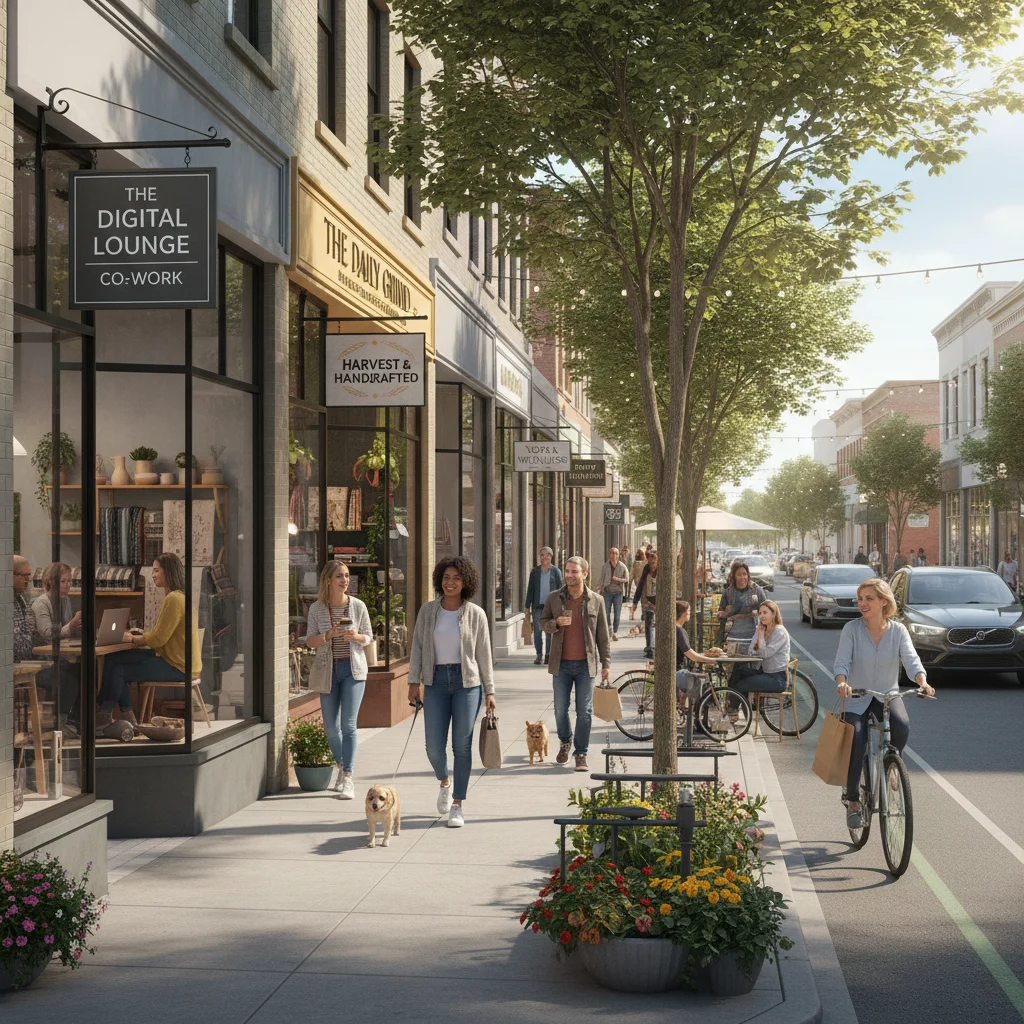
This influx of new residents is breathing new life into previously struggling local economies. Small towns are experiencing a resurgence in demand for local services, from coffee shops and restaurants to childcare facilities and fitness centers. The “lunchtime economy,” once concentrated in city centers, is now spreading to residential areas. This shift creates new job opportunities in these communities, fostering a virtuous cycle of economic growth. Entrepreneurs are also finding new markets, leading to the opening of artisanal shops, specialized services, and community-focused businesses catering to the needs of the new demographic.
Challenges for Traditional Urban Centers
Conversely, traditional urban centers face challenges. The reduced foot traffic can impact businesses that relied on the daily influx of commuters. Commercial real estate markets may see continued vacancies, requiring significant adaptation and repurposing of office spaces into residential units, mixed-use developments, or community hubs. Cities that can adapt quickly by offering attractive amenities, cultural experiences, and diverse housing options will be better positioned to retain residents and attract new ones, even if they are no longer commuting daily. The long-term remote work implications for city planning are significant and require innovative solutions.
3. Evolving Urban and Suburban Planning
The demographic shifts and economic redistributions driven by remote work are forcing a re-evaluation of urban and suburban planning. By 2026, we expect to see tangible evidence of these remote work implications in infrastructure development and community design.
Demand for Flexible Living and Working Spaces
As more people work from home, the demand for housing that can accommodate dedicated office spaces, or at least flexible areas, is increasing. This is influencing architectural design, with a greater emphasis on multi-functional rooms, soundproofing, and robust home internet infrastructure. Beyond individual homes, there’s a growing need for local co-working spaces and community hubs that offer professional environments outside the home, fostering collaboration and combating isolation. These spaces often integrate cafes, meeting rooms, and event areas, becoming new anchors for local communities.
Investment in Broadband and Local Infrastructure
Reliable high-speed internet is no longer a luxury but a necessity for remote workers. This is driving significant investment in broadband infrastructure, particularly in rural and underserved areas, to attract and retain remote talent. Beyond digital infrastructure, there’s also a renewed focus on local amenities – parks, public transportation (even if less frequently used for commuting), walkable neighborhoods, and local cultural institutions – as residents spend more time in their immediate communities. Planners are now considering how to create “15-minute cities” or neighborhoods where most daily needs can be met within a short walk or bike ride, a direct response to the new living patterns created by remote work implications.
Reimagining Commercial Real Estate
The traditional office tower, once a symbol of corporate power, is undergoing a transformation. Many companies are downsizing their physical footprints, opting for smaller, more flexible hub-and-spoke models, or converting spaces into collaborative meeting points rather than individual workstations. This creates opportunities for repurposing commercial buildings for residential, retail, or mixed-use developments, revitalizing urban cores that might otherwise suffer from vacancies. The challenge for urban planners is to facilitate this transformation efficiently and sustainably, ensuring that these spaces continue to contribute to the vibrancy of city life.
4. The Rise of Digital Nomadism and Global Talent Pools
One of the more exciting and transformative remote work implications is the acceleration of digital nomadism and the expansion of global talent pools. By 2026, this trend will be firmly established, with significant economic and cultural consequences.
Borderless Workforces
For individuals, remote work untethers them from geographical constraints, allowing them to live and work from virtually anywhere with a stable internet connection. This has given rise to the digital nomad lifestyle, where professionals travel the world while maintaining their careers. Countries are increasingly recognizing this trend, with many offering special visas and incentives to attract digital nomads, viewing them as a source of tourism revenue and intellectual capital. This movement is not just for individual adventurers; entire teams can now be distributed across continents, fostering diverse perspectives and round-the-clock productivity.
Expanded Talent Acquisition for Companies
For companies, the shift to remote work means access to a significantly broader talent pool. No longer limited by geographical proximity, businesses can recruit the best candidates from anywhere in the world, leading to more diverse, skilled, and potentially more cost-effective workforces. This global competition for talent can drive innovation and efficiency, but also requires companies to adapt their HR practices, legal frameworks, and compensation models to accommodate international employees. Managing remote teams across different time zones and cultures becomes a core competency for successful organizations.
Cultural Exchange and Soft Power
The increased movement of digital nomads and the global distribution of teams also foster greater cultural exchange. Individuals living and working in new countries gain exposure to different customs, languages, and ways of life, promoting cross-cultural understanding. For host countries, attracting these professionals can enhance their “soft power,” spreading their culture and ideals globally. This phenomenon represents a significant shift from traditional migration patterns, driven not by necessity but by choice and professional flexibility, making it a key aspect of future remote work implications.
5. Evolving Social Connections and Community Building
The way we form social connections and build communities is undergoing a fundamental transformation due to remote work. By 2026, the traditional models of community interaction will have diversified significantly, showcasing complex remote work implications.
Decentralization of Social Networks
Historically, workplaces have been primary hubs for social interaction and network building. With remote work, these serendipitous encounters and water-cooler conversations are largely absent. This has led to a decentralization of social networks. While professional connections are often maintained through virtual platforms, individuals are increasingly seeking social engagement within their local neighborhoods, through online communities based on shared interests, or via curated professional networking events.
Emphasis on Local Community Engagement
As people spend more time in their residential communities, there’s a renewed emphasis on local engagement. This can manifest in increased participation in local civic groups, neighborhood associations, volunteer activities, and support for local businesses. The need for human connection remains strong, and remote workers are actively seeking to build these bonds in their immediate surroundings. This can lead to stronger, more resilient local communities, but also places greater demands on local infrastructure and social services.
Challenges of Isolation and Digital Fatigue
However, remote work also presents challenges related to social isolation and digital fatigue. The constant reliance on virtual communication can be draining, and the lack of in-person interaction can lead to feelings of loneliness or disconnect. Companies and communities are responding by organizing hybrid events, encouraging in-person meetups (even if infrequent), and creating intentional spaces for social interaction. Addressing these challenges is crucial to ensuring that the benefits of remote work do not come at the expense of mental well-being and robust social capital. Understanding these remote work implications is vital for fostering healthy and connected societies.
Addressing the Digital Divide and Equity in Remote Work
While the benefits of remote work are substantial, it’s critical to acknowledge and address the persistent digital divide. Not everyone has access to reliable internet, adequate technology, or a suitable home environment for remote work. This creates an equity gap, where those already disadvantaged may fall further behind. By 2026, governments and private organizations must prioritize initiatives to bridge this divide, ensuring equitable access to the tools and infrastructure necessary for remote participation. This includes:
- Universal Broadband Access: Investing in expanding high-speed internet to all regions, especially rural and low-income areas.
- Affordable Technology: Programs to provide affordable computers and necessary software to individuals and families who cannot otherwise afford them.
- Digital Literacy Training: Offering training to equip individuals with the skills needed to navigate remote work tools and platforms effectively.
- Community Hubs: Establishing public co-working spaces with free internet and resources in underserved communities.
Ignoring these remote work implications for equity would exacerbate existing societal inequalities, creating a two-tiered workforce where only the privileged can fully benefit from the flexibility and opportunities offered by remote employment. A truly permanent shift requires inclusive strategies that empower everyone to participate.
The Role of Government and Policy in the Remote Work Era
As remote work solidifies its place in our society, the role of government and public policy becomes increasingly important. By 2026, we anticipate a more proactive approach to regulating and supporting this new work paradigm. Key areas of focus will include:
- Taxation and Revenue Sharing: How will local and national governments adapt tax policies to account for a workforce that may live in one jurisdiction but work for a company headquartered in another? New models for revenue sharing and allocation may emerge.
- Labor Laws and Employee Rights: Existing labor laws were largely designed for a traditional office environment. Policies around working hours, overtime, workplace safety (even in a home office), and the right to disconnect will need to be updated to protect remote workers.
- Visa and Immigration Policies: As digital nomadism grows, governments will continue to refine visa categories and residency requirements to attract remote talent while managing immigration flows.
- Infrastructure Investment: Beyond broadband, governments will need to consider investments in public spaces, transportation networks, and social services in areas experiencing an influx of remote workers, ensuring sustainable growth.
- Education and Skill Development: Educational systems will need to adapt to prepare the next generation for a remote-first or hybrid workforce, emphasizing digital literacy, self-management, and asynchronous collaboration skills.
Proactive policy-making is crucial to harness the positive remote work implications while mitigating potential downsides, ensuring a fair and prosperous future for all citizens in this new work landscape.