Future K-12 Education: 3 Innovative Models for US Schools by 2027
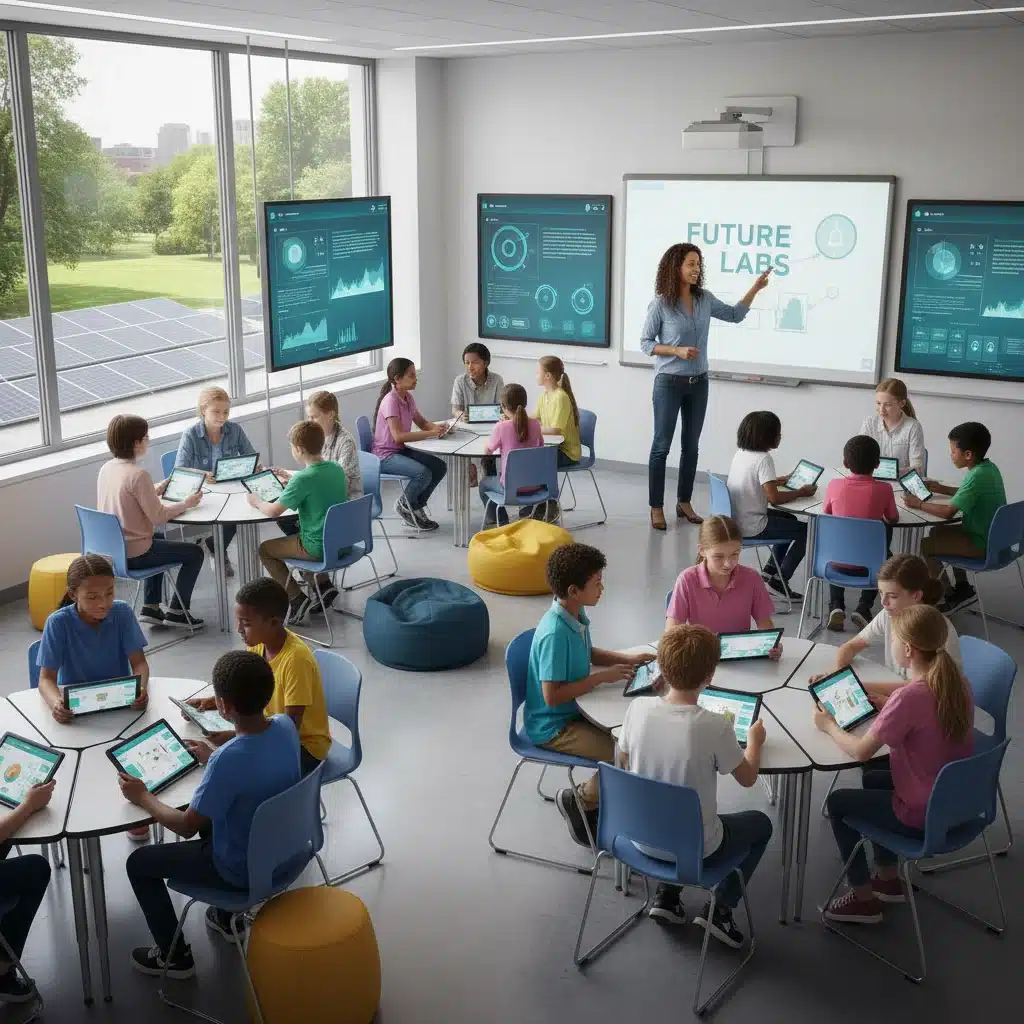
The educational landscape is in perpetual motion, constantly adapting to societal shifts, technological advancements, and evolving understandings of how children learn best. In the United States, K-12 education, in particular, is poised for a significant transformation. As we look towards 2027, a confluence of factors – from the accelerated adoption of digital tools to a growing emphasis on individualized student needs – is driving the emergence and widespread adoption of several innovative learning models. These models are not merely incremental changes; they represent fundamental shifts in pedagogy, curriculum design, and the very structure of schooling. Understanding the future K-12 education landscape is crucial for educators, policymakers, parents, and students alike.
For decades, the traditional factory model of education, characterized by a one-size-fits-all curriculum and a focus on rote memorization, has been the dominant paradigm. While it has served its purpose, it often fails to cater to the diverse learning styles, paces, and interests of individual students. The demands of the 21st century economy, which prioritizes critical thinking, creativity, collaboration, and adaptability, further highlight the limitations of this traditional approach. The pandemic, in particular, acted as a powerful catalyst, forcing schools to rapidly experiment with remote learning and hybrid models, thereby accelerating the conversation around educational innovation.
This article will delve into three innovative learning models that are set to redefine future K-12 education in the United States by 2027: Personalized Learning, Competency-Based Education, and Hybrid Learning. We will explore their core principles, examine their potential benefits and challenges, and discuss how they are already being implemented in forward-thinking schools across the nation. Our aim is to provide a comprehensive overview of these transformative approaches and shed light on how they will shape the educational experiences of millions of American students in the coming years.
1. Personalized Learning: Tailoring Education to Every Student
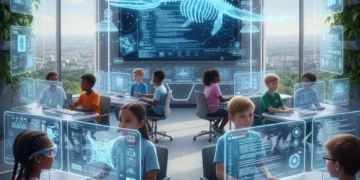
At the heart of future K-12 education lies the concept of personalized learning. This model represents a profound departure from the traditional classroom, where all students are expected to learn the same material at the same pace. Instead, personalized learning emphasizes tailoring the educational experience to meet the unique needs, interests, and learning styles of each individual student. It’s about recognizing that every child is an individual with distinct strengths, weaknesses, and aspirations, and that education should reflect this inherent diversity.
What is Personalized Learning?
Personalized learning is not a single program or technology; it’s an overarching pedagogical philosophy. It involves a range of strategies and tools designed to create a flexible and responsive learning environment. Key characteristics often include:
- Individualized Learning Paths: Students progress through curriculum at their own pace, with content and activities adapted to their prior knowledge and learning goals.
- Student Agency and Voice: Students have a greater say in what and how they learn, fostering intrinsic motivation and ownership over their education.
- Flexible Learning Environments: Classrooms are designed to support various learning activities, from independent work to small group collaboration.
- Competency-Based Progression: Students move on to new material once they have demonstrated mastery of the current concepts, rather than being constrained by a fixed timeline.
- Leveraging Technology: Digital tools, adaptive software, and data analytics play a crucial role in delivering customized content, tracking progress, and providing targeted feedback.
- Mastery-Oriented Assessment: Assessment is ongoing and formative, focused on understanding student comprehension and guiding further instruction, rather than simply assigning grades.
Benefits of Personalized Learning
The potential benefits of personalized learning for future K-12 education are extensive:
- Increased Engagement and Motivation: When learning is relevant and tailored to their interests, students are more likely to be engaged and motivated.
- Improved Academic Outcomes: Students can spend more time on challenging concepts and move quickly through areas they already understand, leading to deeper comprehension and better results.
- Development of 21st-Century Skills: Personalized learning often fosters critical thinking, problem-solving, self-direction, and collaboration – skills essential for success in today’s world.
- Addressing Learning Gaps: Teachers can more effectively identify and address individual learning gaps, providing targeted support where needed.
- Equity and Inclusion: This approach can better serve students with diverse learning needs, including those with disabilities or those who are English language learners.
- Stronger Teacher-Student Relationships: Teachers transition from being solely content deliverers to facilitators and mentors, building stronger relationships with students.
Challenges and Considerations
Implementing personalized learning is not without its challenges. It requires:
- Significant Teacher Training and Professional Development: Educators need new skills in curriculum design, data analysis, and facilitating student-led learning.
- Robust Technological Infrastructure: Access to reliable devices, internet, and adaptive software is essential.
- Curriculum Redesign: Existing curricula often need to be broken down into smaller, more flexible modules.
- Data Management and Privacy: Managing student data effectively and ensuring privacy are critical concerns.
- Parental Understanding and Support: Educating parents about this new approach is vital for its success.
Despite these hurdles, personalized learning is gaining significant traction. Districts nationwide are investing in personalized learning initiatives, recognizing its potential to create a more equitable and effective educational system for the future K-12 education landscape.
2. Competency-Based Education: Learning for Mastery, Not Just Time
Closely intertwined with personalized learning, competency-based education (CBE) is another transformative model shaping future K-12 education. While traditional education often measures learning in terms of time spent in a classroom (e.g., Carnegie units), CBE focuses on what students actually know and can do. It’s a paradigm shift from seat time to demonstrated mastery.
What is Competency-Based Education?
In a CBE system, students advance to the next level or topic only after they have demonstrated proficiency in specific learning objectives, or ‘competencies.’ These competencies are clearly defined and often include both academic knowledge and essential skills. Key features of CBE include:
- Clear Learning Objectives: Students and teachers have a clear understanding of what skills and knowledge need to be mastered.
- Flexible Pacing: Students can take more or less time to master a competency based on their individual needs. This means some students might move faster, while others might receive additional support.
- Multiple Pathways to Demonstrate Mastery: Assessment is varied and authentic, allowing students to demonstrate their learning in different ways (e.g., projects, presentations, portfolios, rather than just tests).
- Timely and Differentiated Support: Students receive targeted support and re-teaching until they achieve mastery. Failure is seen as an opportunity for growth, not a final judgment.
- Emphasis on Application and Real-World Skills: Competencies often extend beyond academic content to include critical thinking, problem-solving, communication, and collaboration.
Benefits of Competency-Based Education
The advantages of CBE for future K-12 education are compelling:
- Ensures Deep Understanding: By requiring mastery, CBE ensures students have a solid foundation before moving on, preventing knowledge gaps from accumulating.
- Promotes Student Ownership: Students are actively involved in understanding their learning goals and tracking their progress, fostering self-direction and responsibility.
- Reduces Achievement Gaps: Students who need more time or different approaches to learn a concept receive it, helping to close gaps that often widen in traditional systems.
- Prepares Students for Higher Education and Careers: The focus on demonstrated skills and application better prepares students for the demands of college and the workforce.
- Greater Transparency: Students, parents, and educators have a clear picture of what a student knows and can do at any given time.
- Increased Equity: CBE can be particularly beneficial for students from disadvantaged backgrounds, as it provides the necessary support to ensure all students reach proficiency.
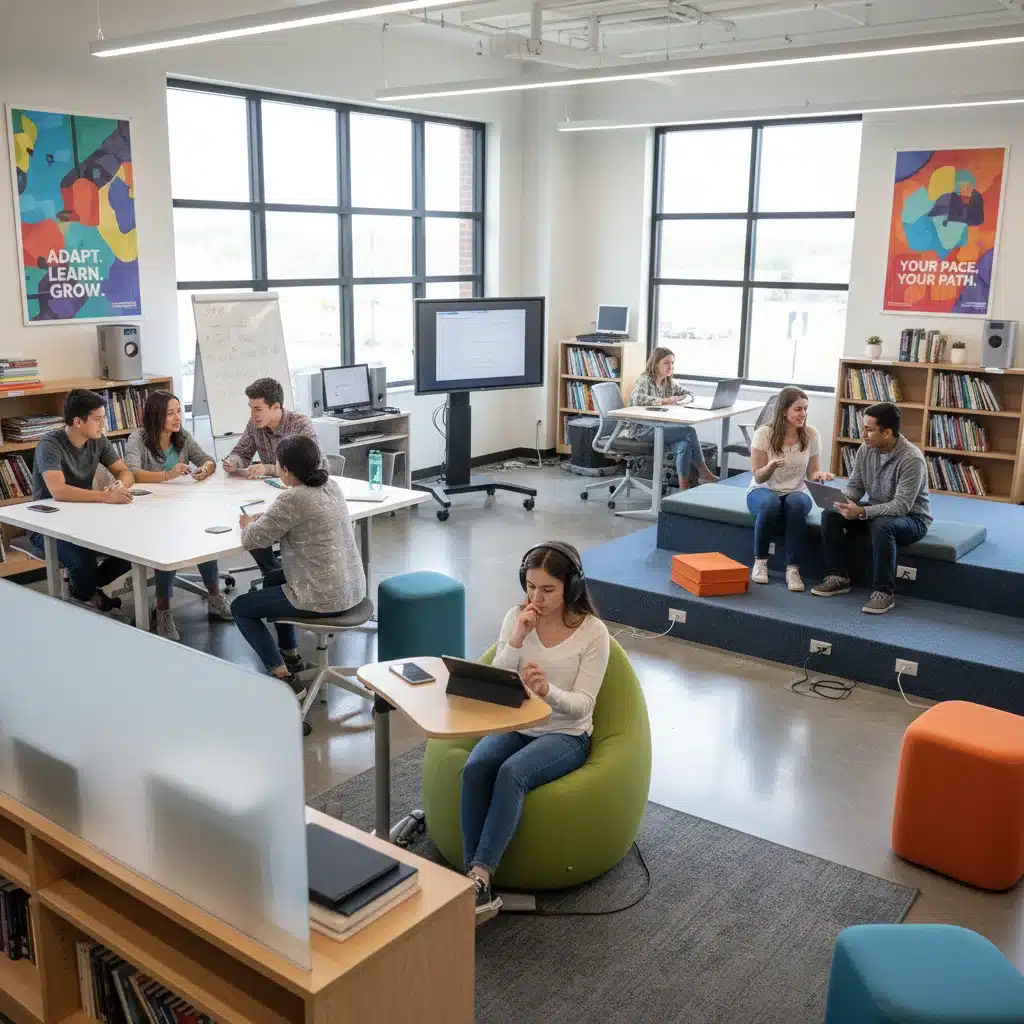
Challenges and Implementation Considerations
Transitioning to CBE requires significant systemic change:
- Redefining Grading and Reporting: Traditional A-F grading systems are often incompatible with CBE, requiring new approaches to communicate student progress.
- Developing Robust Competency Frameworks: Defining clear, measurable competencies for all subjects and grade levels is a complex undertaking.
- Teacher Professional Development: Educators need training in designing competency-based curricula, facilitating mastery, and using diverse assessment methods.
- Parent and Community Education: Explaining the shift from traditional grading and pacing to a competency-based model requires clear communication.
- Policy and Regulatory Alignment: State and district policies often need to be updated to support CBE, particularly regarding graduation requirements and accountability.
Despite these challenges, many states and districts are actively exploring and implementing CBE models, recognizing its potential to create a more equitable and effective system that truly prepares students for success in the future K-12 education landscape.
3. Hybrid Learning: Blending the Best of Both Worlds
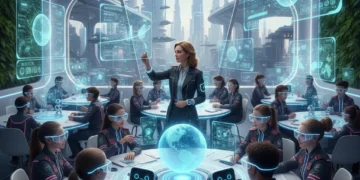
The COVID-19 pandemic forced an unprecedented experiment in remote learning, highlighting both its potential and its limitations. From this experience, a more refined and intentional approach has emerged: hybrid learning. This model, also known as blended learning, strategically combines face-to-face instruction with online learning activities, offering flexibility and leveraging the strengths of both modalities. It is set to become a cornerstone of future K-12 education.
What is Hybrid Learning?
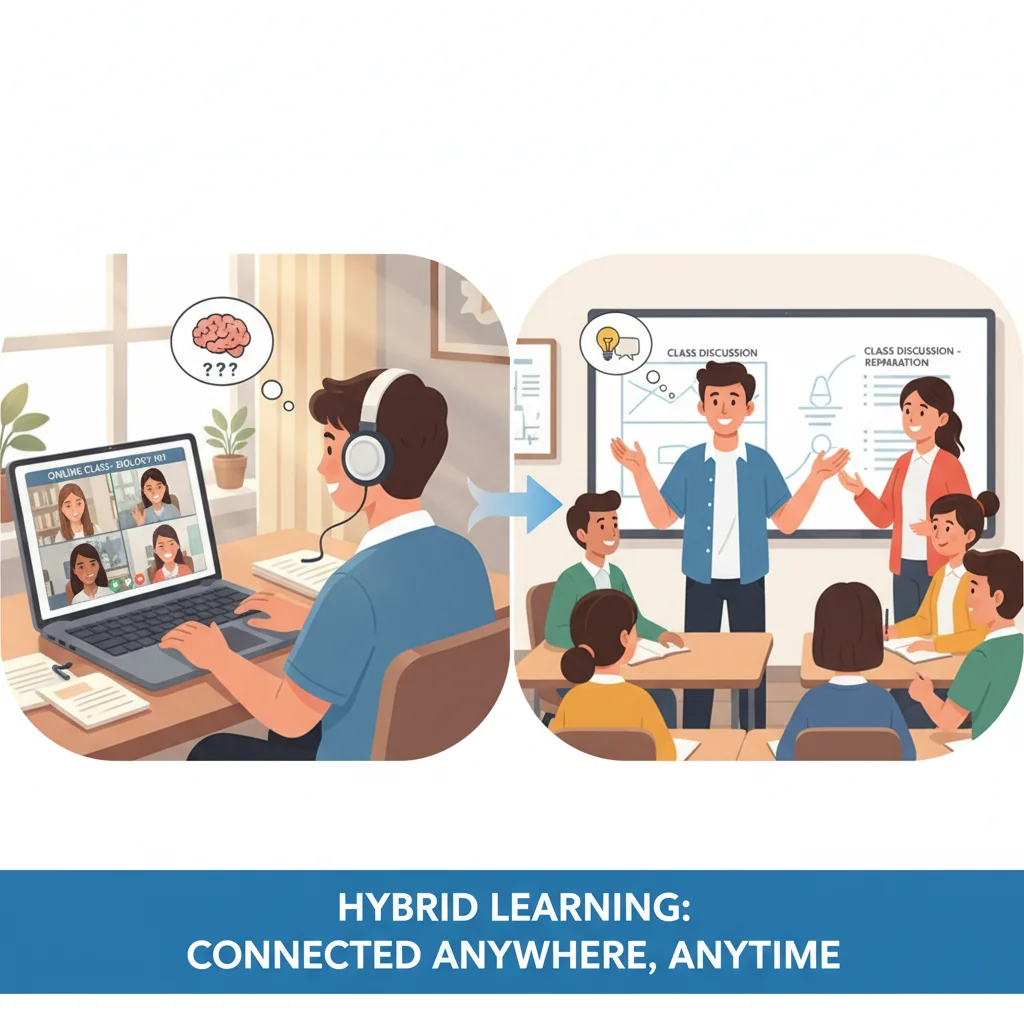
Hybrid learning is more than just having students occasionally use computers in class or attend virtual meetings. It involves a thoughtful integration of in-person and online components, where each mode serves a specific pedagogical purpose. Common characteristics include:
- Intentional Design: The online and in-person components are not simply tacked on; they are designed to complement and enhance each other.
- Flexible Schedules: Students may spend some days in school and other days learning remotely, or a portion of each day may be dedicated to online activities.
- Leveraging Technology for Personalization: Online platforms can deliver personalized content, adaptive assessments, and allow students to work at their own pace.
- In-Person for Collaboration and Direct Instruction: Face-to-face time is often reserved for high-impact activities like discussions, group projects, hands-on experiments, and direct teacher-student interaction.
- Student Autonomy: Students are often given more control over their learning environment and schedule, fostering self-management skills.
Benefits of Hybrid Learning
Hybrid learning offers a compelling array of benefits for future K-12 education:
- Increased Flexibility and Accessibility: It can accommodate diverse student needs, including those with health concerns, transportation issues, or who thrive in different learning environments.
- Enhanced Engagement through Variety: The blend of online and offline activities can keep students more engaged and cater to different learning preferences.
- Development of Digital Literacy and Self-Regulation: Students become proficient in using digital tools and develop crucial skills in time management and independent learning.
- Optimized Use of Teacher Time: Teachers can use online platforms for content delivery and basic instruction, freeing up in-person time for deeper engagement, individualized support, and complex discussions.
- Scalability and Resilience: Hybrid models offer greater resilience during unforeseen disruptions, as schools can more easily pivot between in-person and remote learning.
- Broader Access to Resources: Online components can provide access to a wider range of educational resources, experts, and global learning opportunities.
Challenges and Best Practices
Successful implementation of hybrid learning requires careful planning:
- Ensuring Digital Equity: Access to reliable internet and devices for all students remains a critical challenge.
- Effective Teacher Training: Educators need to master new pedagogical strategies for designing and facilitating hybrid learning experiences.
- Maintaining Student Engagement and Well-being: Preventing isolation in online components and ensuring students receive adequate social-emotional support is crucial.
- Curriculum Alignment: Seamlessly integrating online and offline content to ensure a cohesive learning experience.
- Parental Involvement: Parents need clear communication and support to understand and assist their children in a hybrid environment.
- Robust Learning Management Systems (LMS): A reliable LMS is essential for organizing content, tracking progress, and facilitating communication.
By thoughtfully addressing these challenges, hybrid learning can create a more adaptable, engaging, and effective educational experience for future K-12 education, preparing students for a world where learning and work increasingly blend physical and digital spaces.
The Interconnectedness of These Models for Future K-12 Education
It’s important to recognize that Personalized Learning, Competency-Based Education, and Hybrid Learning are not mutually exclusive. In fact, they are often deeply interconnected and can reinforce each other to create a more holistic and powerful educational experience. For instance:
- Personalized Learning often utilizes CBE principles: To truly personalize learning paths, schools need a clear understanding of what competencies students have mastered and what they still need to learn.
- Hybrid Learning can facilitate Personalized and CBE approaches: Online components of hybrid learning are excellent vehicles for delivering personalized content and allowing students to progress at their own pace through competencies.
- CBE provides the framework for personalized progression: By defining clear competencies, CBE allows personalized learning to have measurable goals and benchmarks for student advancement.
The synergy among these models suggests a future K-12 education landscape where learning is highly flexible, student-centered, and focused on genuine mastery. Schools are increasingly looking to integrate elements from all three, creating dynamic environments that are far more responsive to individual student needs than traditional models.
Preparing for 2027: Policy, Technology, and Professional Development
The successful widespread adoption of these innovative models by 2027 will depend on several critical factors:
Policy Support and Funding
State and federal policies must evolve to support these new approaches. This includes:
- Rethinking Accountability Systems: Moving beyond standardized test scores as the sole measure of school success to include broader indicators of student growth and competency.
- Flexible Funding Models: Allocating resources in ways that support personalized and competency-based initiatives, including investments in technology and professional development.
- Updating Graduation Requirements: Allowing for varied pathways to graduation that reflect mastery rather than simply credit accumulation.
Technological Advancement and Infrastructure
Technology is a key enabler for all three models. Continued investment in and access to:
- Robust Broadband Internet: Ensuring every student has reliable internet access, both at school and at home.
- Devices and Software: Providing students with appropriate learning devices and access to adaptive learning platforms, data analytics tools, and interactive content.
- Cybersecurity and Data Privacy: Implementing strong measures to protect student data in an increasingly digital learning environment.
Teacher Professional Development
Teachers are at the forefront of this transformation. Extensive and ongoing professional development is essential to equip them with the skills needed to:
- Design and Implement Personalized Learning Paths: Understanding how to differentiate instruction and leverage technology effectively.
- Facilitate Competency-Based Assessment: Moving beyond traditional grading to assess mastery through diverse methods.
- Manage Hybrid Learning Environments: Blending online and in-person instruction seamlessly and effectively.
- Foster Student Agency: Empowering students to take ownership of their learning.
- Utilize Data for Instructional Decisions: Using data analytics to inform teaching practices and provide targeted support.
Conclusion: A Brighter Future for K-12 Education
The vision for future K-12 education in the United States by 2027 is one of dynamic, student-centered learning environments that are responsive to individual needs and prepare students for a rapidly changing world. Personalized Learning, Competency-Based Education, and Hybrid Learning are not just buzzwords; they are powerful models that hold the potential to fundamentally transform how we educate our children. By focusing on mastery, individual pace, and flexible learning modalities, these approaches promise to unlock greater student engagement, improve academic outcomes, and cultivate the critical skills necessary for success in the 21st century.
While the journey to widespread implementation will undoubtedly present challenges, the momentum is undeniable. Educators, policymakers, and communities are increasingly recognizing the imperative to move beyond outdated models and embrace innovation. The next few years will be crucial in shaping this future. Continued collaboration, investment in technology, and a steadfast commitment to professional development will be key to realizing the promise of these transformative models and ensuring that every K-12 student in the United States receives an education that is truly tailored to their potential and prepares them for a lifetime of learning and contribution.
The future K-12 education landscape is exciting and full of promise. By embracing these innovative models, we can move towards a system that is more equitable, effective, and ultimately, more empowering for all learners.