In an increasingly digitized world, our lives are interwoven with an intricate web of online accounts, digital assets, and virtual footprints. From social media profiles to cryptocurrency wallets, cloud-stored photos to email archives, our digital existence is as real and significant as our physical one. But what happens to this digital persona when we are no longer here to manage it? This is where digital legacy planning comes into play, a critical yet often overlooked aspect of modern estate planning. As we approach 2026 and beyond, the digital landscape continues to evolve, making proactive digital legacy planning more crucial than ever.
The concept of a ‘digital legacy’ encompasses all the digital information and assets we own or control. This includes everything from personal photos and videos stored in the cloud, social media profiles, email accounts, online banking details, cryptocurrency, domain names, intellectual property, and even subscriptions to streaming services. Without proper planning, these assets can become inaccessible, lost, or even misused after your passing, causing distress for loved ones and potentially leading to legal complications. This comprehensive guide will delve into the nuances of digital legacy planning, providing you with actionable steps to secure your online afterlife and ensure your digital footprint is managed according to your wishes in the years to come.
Understanding the Evolving Digital Landscape Beyond 2026
The digital world is not static; it’s a dynamic environment constantly shaped by technological advancements, new platforms, and evolving legal frameworks. What might be considered standard practice for managing digital assets today could be outdated by 2026. New forms of digital ownership, such as NFTs (Non-Fungible Tokens) and metaverse properties, are emerging, adding layers of complexity to digital legacy planning. Furthermore, data privacy regulations are becoming stricter, and service providers are continually updating their terms of service regarding account access after death.
For instance, many social media platforms have specific policies for deceased users, ranging from memorialization to account deletion. However, navigating these policies often requires specific documentation and can be a lengthy process for grieving family members. Financial institutions and cryptocurrency exchanges have their own stringent security protocols that can make accessing funds or assets difficult without explicit instructions and access credentials. Therefore, understanding these evolving dynamics is the first step in effective digital legacy planning.
Why Digital Legacy Planning is More Important Than Ever
The reasons for engaging in digital legacy planning are manifold and extend beyond simply preserving memories. Here are some key considerations:
- Preventing Identity Theft and Fraud: Unattended digital accounts can be vulnerable to hackers. Your email, social media, and financial accounts could be compromised, leading to identity theft or financial fraud.
- Preserving Memories and Sentimental Value: For many, digital photos, videos, and online communications hold immense sentimental value. Proper planning ensures these cherished memories are preserved and accessible to loved ones.
- Managing Financial Digital Assets: Cryptocurrency, online investment accounts, PayPal balances, and even loyalty points can represent significant financial value. Without clear instructions, these assets may be lost or inaccessible.
- Protecting Intellectual Property: For creators, writers, artists, and entrepreneurs, digital files often contain valuable intellectual property. Ensuring its protection and transfer is vital.
- Avoiding Legal and Administrative Burdens: Lack of a digital legacy plan can lead to significant stress, time, and legal expenses for your family as they attempt to gain access to or manage your digital affairs.
- Honoring Your Wishes: You may have specific desires for your online presence – whether it’s to delete certain accounts, memorialize others, or ensure specific content remains public or private. Digital legacy planning allows you to express these wishes clearly.
Key Components of a Robust Digital Legacy Plan
Building a comprehensive digital legacy planning strategy involves several critical steps. It’s not just about listing passwords; it’s about creating a holistic framework for managing your entire digital footprint.
1. Inventory Your Digital Assets and Accounts
The first and most crucial step is to create a detailed inventory of all your digital assets and online accounts. This can be a daunting task, but it’s essential for thorough digital legacy planning. Think broadly:
- Social Media: Facebook, Instagram, Twitter, LinkedIn, TikTok, etc.
- Email Accounts: Gmail, Outlook, Yahoo, work emails.
- Financial Accounts: Online banking, investment platforms, PayPal, Venmo, cryptocurrency exchanges.
- Cloud Storage: Google Drive, Dropbox, iCloud, OneDrive.
- Photo/Video Sharing: Flickr, YouTube, Vimeo.
- Shopping Accounts: Amazon, eBay, Etsy, online retailers.
- Subscription Services: Netflix, Spotify, Adobe Creative Cloud, software licenses.
- Websites/Blogs/Domains: Personal websites, blogs, domain registrations.
- Gaming Accounts: Steam, Xbox Live, PlayStation Network.
- Loyalty Programs: Airline miles, hotel points, retail rewards.
- Digital Wallets: Apple Pay, Google Pay, specific app wallets.
For each entry, record the platform, your username, and any associated email addresses. While you shouldn’t store passwords directly in this inventory for security reasons, you should note where they are securely stored (e.g., a password manager).

2. Document Your Wishes and Instructions
Once you have an inventory, you need to articulate your wishes for each digital asset. This is a core element of digital legacy planning. For each account, consider:
- Deletion: Do you want the account to be permanently deleted?
- Memorialization: For social media, do you want it memorialized (e.g., Facebook’s Legacy Contact feature)?
- Transfer: Do you want specific assets (like photos, documents, or cryptocurrency) to be transferred to a designated beneficiary? If so, specify who and how.
- Access: Do you want someone to have full access to an account to manage or close it?
- Instructions: Provide clear, step-by-step instructions for your chosen digital executor on how to access, manage, or close each account.
These instructions should be detailed enough for someone unfamiliar with your digital life to follow. For example, for an email account, you might specify whether old emails should be archived or deleted, and if any specific contacts need to be notified.
3. Choose Your Digital Executor(s)
Just as you appoint an executor for your physical estate, you should designate a ‘digital executor’ or ‘digital fiduciary’ as part of your digital legacy planning. This individual (or individuals) will be responsible for carrying out your digital wishes. Choose someone you trust implicitly, who is technologically savvy, and who understands the importance of your digital assets. It’s advisable to name at least one primary and one alternate digital executor.
Ensure your digital executor is aware of their role and knows where to find your digital inventory and instructions. Discuss your wishes with them beforehand so they understand your intentions and responsibilities.
4. Securely Store Access Information
This is perhaps the most sensitive part of digital legacy planning. You need to provide your digital executor with the means to access your accounts, but this must be done securely. Never write down passwords in an easily accessible document or share them via insecure channels.
Recommended secure storage methods include:
- Password Managers: Services like LastPass, 1Password, or Bitwarden allow you to store all your credentials securely. Many offer emergency access features where a trusted contact can request access after a waiting period, requiring your confirmation (or lack thereof) to proceed.
- Encrypted USB Drives: Store a document containing a master password or instructions on accessing your password manager on an encrypted USB drive, which can then be stored in a secure location like a fireproof safe or safety deposit box.
- Traditional Paper Records (with caution): If you must use paper, print out a list of usernames and master passwords (for a password manager) and store it in a secure, physical location that only your digital executor knows about and can access after your passing (e.g., a locked safe). Avoid writing down passwords for every single account.
Crucially, your digital executor should know how to access this secure storage method. This might involve providing them with a master password or the key to a safe, but only to be used under specific circumstances, as outlined in your legal documents.
5. Integrate Digital Legacy into Your Estate Plan
Your digital legacy planning should not be a standalone document. It needs to be formally integrated into your broader estate plan, typically your Last Will and Testament or a separate Digital Assets Will. This provides legal authority for your digital executor to act on your behalf.
Many jurisdictions now have laws (like the Revised Uniform Fiduciary Access to Digital Assets Act – RUFADAA in the US) that grant fiduciaries legal authority over digital assets, but these laws vary. Consulting with an estate planning attorney specializing in digital assets is highly recommended to ensure your plan is legally sound and enforceable in your region.
Your will should explicitly grant your digital executor the power to access, manage, and distribute your digital assets according to your instructions. It should also reference the separate document (e.g., a letter of instruction or a digital asset inventory) where your detailed wishes and access information are stored.
6. Regularly Review and Update Your Plan
As mentioned, the digital world is constantly changing. New accounts are created, old ones are deleted, passwords are changed, and new technologies emerge. Therefore, digital legacy planning is not a one-time task; it’s an ongoing process. You should review and update your digital legacy plan at least once a year, or whenever significant life events occur (e.g., marriage, divorce, new job, new major digital asset acquisition).
This review should include:
- Updating your inventory of digital assets.
- Ensuring your wishes for each asset are still current.
- Checking that your chosen digital executor is still willing and able to serve.
- Verifying that your access information is accurate and securely stored.
Specific Considerations for Popular Digital Assets
Social Media Accounts
Platforms like Facebook, Instagram, and Twitter have specific policies for deceased users:
- Facebook: Offers a ‘Legacy Contact’ feature, allowing you to designate someone to manage your memorialized account. They can write a final post, respond to new friend requests, and update your profile picture, but cannot log into your account or view private messages. Alternatively, you can choose to have your account permanently deleted upon verification of your death.
- Instagram: Allows for memorialization or removal of accounts. Memorialized accounts cannot be logged into by anyone.
- Twitter: Will deactivate an account upon request from an authorized person, with proof of death.
- LinkedIn: Offers a profile removal process for deceased members.
Your digital legacy planning should clearly state your preference for each platform.
Email Accounts
Email accounts are often gateways to many other online services. Gaining access to a deceased person’s email can be challenging due to privacy policies. Google (Gmail) and Microsoft (Outlook/Hotmail) generally do not provide access to accounts of deceased users, even to next of kin, without a court order. Your best approach in digital legacy planning is to explicitly grant access through your will or provide secure access information to your digital executor.
Financial Digital Assets (Cryptocurrency, Online Banking)
These require the highest level of security and clear instructions. Cryptocurrency wallets (hot or cold) require specific keys or seed phrases. Online banking and investment accounts need usernames and passwords. Without these, these assets can be permanently lost. Your digital executor will need explicit instructions on how to access and transfer these funds or assets, along with any necessary two-factor authentication methods.
Cloud Storage (Photos, Documents)
Services like Google Drive, Dropbox, and iCloud store invaluable personal data. Ensure your digital executor has a way to access these accounts to download, transfer, or delete content as per your wishes. Google’s Inactive Account Manager is a useful tool that allows you to designate beneficiaries and set a period of inactivity after which your data will be shared or deleted.
Tools and Resources for Digital Legacy Planning
Several tools and services can assist with digital legacy planning:
- Password Managers: As mentioned, these are invaluable for securely storing credentials and often have emergency access features.
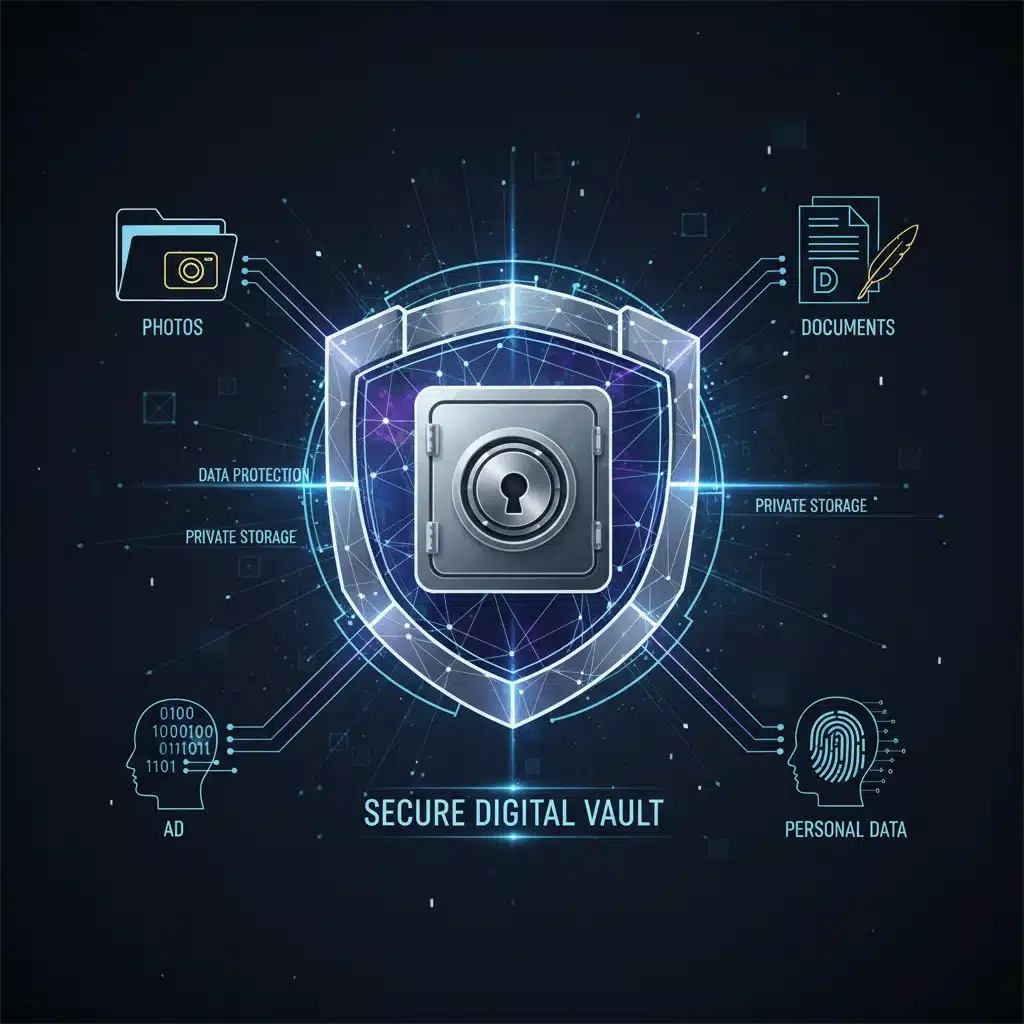
- Digital Vault Services: Dedicated services like Everplans, Legacy Locker, or Clocr allow you to securely store all your digital information, including instructions, and designate beneficiaries who can access it upon proof of death.
- Operating System Features: Apple’s Digital Legacy program allows you to designate up to five Legacy Contacts who can access data in your iCloud account after your death. Google also has an Inactive Account Manager.
- Legal Counsel: An estate planning attorney specializing in digital assets can help you draft legally binding documents and navigate the complexities of state and federal laws regarding digital assets.
Common Pitfalls to Avoid in Digital Legacy Planning
While the importance of digital legacy planning is clear, there are several common mistakes people make that can undermine their efforts:
- Procrastination: The biggest pitfall is simply not starting. The digital world won’t wait, and neither should your planning.
- Lack of Specificity: General instructions like ‘delete all my social media’ are not helpful. Be specific about each account and your desired outcome.
- Insecure Storage of Passwords: Leaving a written list of all passwords in an obvious place is a major security risk.
- Not Informing Your Digital Executor: Your chosen executor cannot fulfill their role if they are unaware of it or don’t know where to find your instructions.
- Failing to Update: A static digital legacy plan quickly becomes obsolete. Regular reviews are essential.
- Ignoring Legal Aspects: Relying solely on informal arrangements can lead to legal challenges. Integrate your plan into your formal estate documents.
- Overlooking Lesser-Known Accounts: Don’t forget about old forums, obscure subscription services, or gaming accounts that might hold sentimental or even financial value.
The Future of Digital Legacy: What to Expect Post-2026
Looking beyond 2026, we can anticipate several trends that will further shape digital legacy planning:
- Increased Regulatory Scrutiny: Governments are likely to introduce more comprehensive laws regarding digital assets and posthumous access, potentially standardizing processes across platforms.
- AI-Powered Legacy Management: Artificial intelligence might play a role in identifying and categorizing digital assets, or even in creating AI versions of deceased individuals (digital avatars) for memorialization, raising new ethical and practical considerations.
- Decentralized Digital Assets: The rise of blockchain technology and decentralized autonomous organizations (DAOs) will introduce new forms of digital ownership and new challenges for traditional estate planning.
- Enhanced Platform Features: Social media and cloud service providers will likely offer more robust and user-friendly features for digital legacy management, driven by user demand and regulatory pressure.
- Specialized Digital Estate Attorneys: The demand for legal professionals specializing exclusively in digital estate planning will grow, offering expert guidance on complex digital asset portfolios.
These developments underscore the need for a flexible and adaptable approach to digital legacy planning, ensuring your plan can evolve with the technological landscape.
Conclusion: Taking Control of Your Digital Afterlife
In conclusion, digital legacy planning is no longer a niche concern but a fundamental component of responsible modern-day estate planning. As our lives become increasingly intertwined with the digital realm, ensuring your online presence is managed according to your wishes after 2026 is an act of foresight and care for your loved ones. By taking the time to inventory your digital assets, document your instructions, appoint a trusted digital executor, and integrate your plan into your legal documents, you can achieve peace of mind.
Don’t wait until it’s too late. Start your digital legacy planning today. It’s an investment in your peace of mind and a thoughtful gift to your family, sparing them from potential confusion, stress, and loss during an already difficult time. Embrace the future of digital asset management and secure your online afterlife with confidence.