Conscious Consumerism: 5 Ethical Shopping Trends Shaping 2026 US Market
The Rise of Conscious Consumerism: 5 Ethical Shopping Trends Dominating the United States Market in 2026 (RECENT UPDATES)
The landscape of retail is continually evolving, but few shifts have been as profound and transformative as the ascent of conscious consumerism trends. What was once a niche movement for a select few has blossomed into a mainstream force, fundamentally reshaping how businesses operate and how consumers make purchasing decisions. In the United States, this evolution is particularly pronounced, driven by a confluence of environmental concerns, social justice movements, and a growing demand for transparency. As we look towards 2026, it’s clear that these trends are not just temporary fads but rather deeply ingrained values that will continue to dictate market dynamics. Understanding these shifts is not merely beneficial; it’s imperative for brands, retailers, and consumers alike.
The modern consumer is increasingly informed, empowered, and discerning. They are no longer content with simply buying a product; they want to know the story behind it. Where did it come from? Who made it? What impact did its production have on the environment and society? These questions are at the heart of conscious consumerism, a movement characterized by a commitment to ethical, sustainable, and socially responsible purchasing. This article will delve into five pivotal conscious consumerism trends that are set to dominate the United States market in 2026, offering insights into their drivers, implications, and how businesses can adapt to meet these evolving consumer expectations. From the resurgence of circular economy models to the demand for radical transparency, these trends paint a vivid picture of a future where purpose and profit are inextricably linked.
1. The Ascendancy of Sustainable Sourcing and Production
At the forefront of conscious consumerism trends is the unwavering demand for sustainable sourcing and production. Consumers are becoming acutely aware of the environmental footprint of their purchases, from the raw materials used to the energy consumed in manufacturing. This trend extends beyond simply ‘green’ products; it encompasses the entire lifecycle of an item. Brands that can demonstrate a genuine commitment to reducing their environmental impact at every stage are gaining significant traction.
What Does Sustainable Sourcing Entail?
Sustainable sourcing involves procuring materials and ingredients in a way that minimizes environmental harm and supports ethical labor practices. This includes:
- Renewable Resources: Prioritizing materials that can be naturally replenished, such as bamboo, organic cotton, or recycled plastics.
- Reduced Water Usage: Implementing water-efficient practices in agriculture and manufacturing, especially in water-stressed regions.
- Low Carbon Footprint: Opting for suppliers and production methods that minimize greenhouse gas emissions. This might involve local sourcing to reduce transportation, using renewable energy in factories, or offsetting unavoidable emissions.
- Biodiversity Protection: Avoiding sourcing from areas where production could harm local ecosystems or endangered species.
- Fair Labor Practices: Ensuring that all workers involved in the supply chain are treated fairly, paid living wages, and work in safe conditions. This connects directly to the social aspect of sustainability.
The Impact on Production
Production processes are also under scrutiny. Consumers are seeking out brands that utilize:
- Eco-Friendly Manufacturing: Adopting closed-loop systems, minimizing waste, and using non-toxic chemicals.
- Energy Efficiency: Investing in renewable energy sources for factories and optimizing production lines to reduce energy consumption.
- Waste Reduction: Implementing strategies to minimize waste throughout the production cycle, from design to packaging. This includes upcycling and recycling initiatives.
Companies that proactively communicate their sustainable sourcing and production efforts through certifications, transparent reporting, and compelling storytelling are building stronger connections with consumers. This trend is not just about compliance; it’s about competitive differentiation and building brand loyalty in a market where values increasingly drive purchasing decisions.
2. The Imperative of Radical Transparency and Traceability
In an age of information, consumers expect more than just claims; they demand proof. This has led to the rise of radical transparency and traceability as a cornerstone of conscious consumerism trends. Shoppers want to know exactly where their products come from, how they were made, and the journey they took before reaching their hands. This demand for granular detail is pushing brands to open up their supply chains like never before.
What Does Radical Transparency Mean?
Radical transparency goes beyond listing ingredients on a label. It involves providing comprehensive, easily accessible information about:
- Supply Chain Mapping: Detailing every step of the product’s journey, from raw material extraction to finished product distribution.
- Ingredient/Material Origin: Specifying the exact geographical location and conditions under which materials were sourced. For food, this might mean farm-to-fork tracking; for apparel, it could involve tracing fibers back to their origin.
- Labor Practices: Disclosing information about working conditions, wages, and fair treatment for all workers in the supply chain.
- Environmental Impact Data: Sharing data on carbon emissions, water usage, waste generation, and other environmental metrics associated with production.
- Certifications and Audits: Providing verifiable evidence of compliance with ethical and sustainable standards through third-party certifications and audit reports.
The Role of Technology in Traceability
Advancements in technology are making radical transparency more achievable. Blockchain technology, for instance, offers an immutable and decentralized ledger for tracking products, ensuring data integrity and preventing tampering. QR codes on packaging can link consumers directly to detailed product information, including videos of farms or factories, certifications, and impact reports. Artificial intelligence and big data analytics are also being used to analyze supply chain data, identify potential risks, and ensure compliance with ethical standards.
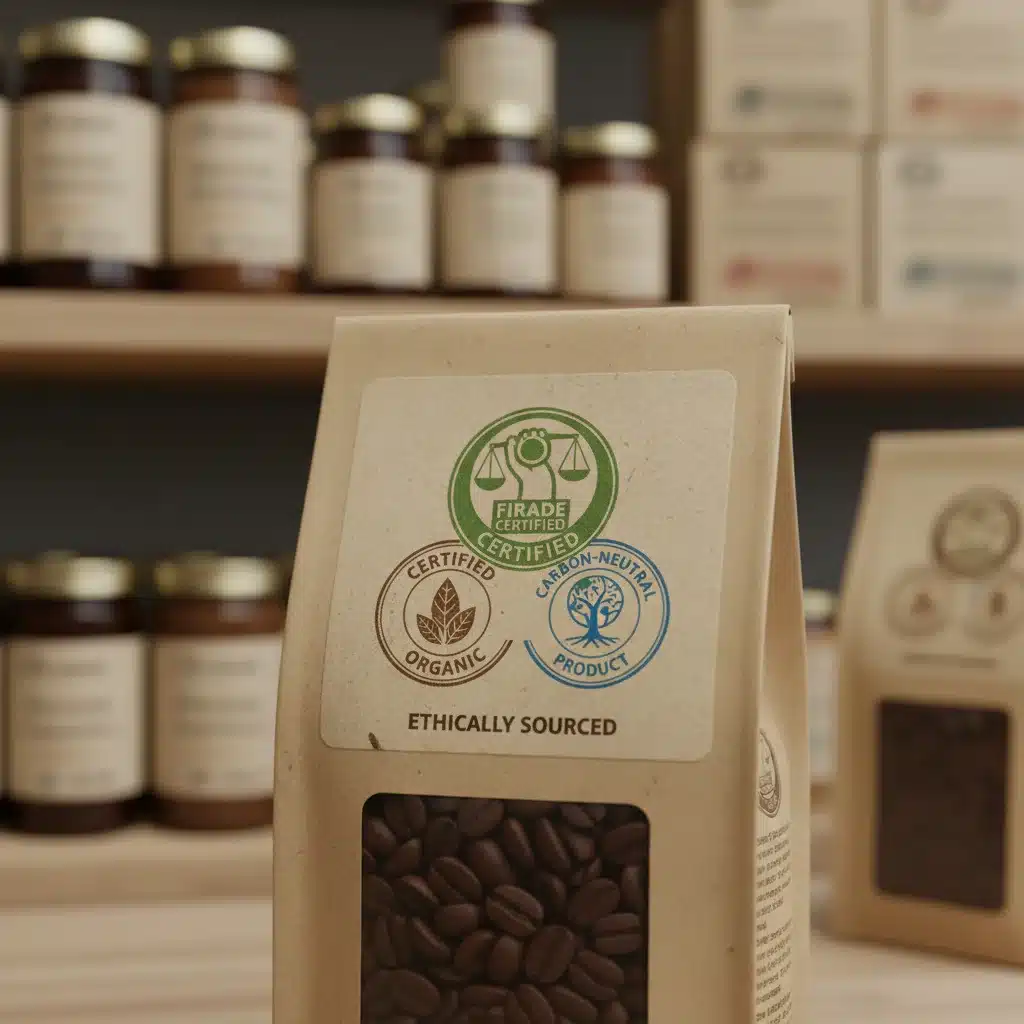
Brands that embrace radical transparency are not only meeting consumer demands but also building trust and credibility. In a market saturated with options, a brand’s commitment to openness can be a powerful differentiator, fostering loyalty among a growing segment of conscious consumers.
3. The Circular Economy: From Linear to Regenerative Models
The traditional linear ‘take-make-dispose’ economic model is increasingly being challenged by the principles of the circular economy, representing a significant shift in conscious consumerism trends. Consumers are becoming more aware of waste and resource depletion, driving demand for products designed for longevity, reuse, repair, and recycling. In 2026, the circular economy will move from a theoretical concept to a practical reality for many businesses and consumers.
Key Principles of the Circular Economy
The circular economy aims to eliminate waste and pollution, circulate products and materials at their highest value, and regenerate nature. This translates into several key practices:
- Design for Longevity: Creating durable products that are built to last, reducing the need for frequent replacements.
- Repairability: Designing products that can be easily repaired, with spare parts readily available and repair services supported by brands.
- Reuse and Refill Models: Encouraging consumers to reuse packaging or products through refill stations, take-back programs, or second-hand markets.
- Recyclability: Ensuring that products and packaging can be effectively recycled at the end of their life, with infrastructure in place to facilitate this.
- Upcycling: Transforming discarded materials into new products of higher value or quality.
- Product-as-a-Service: Shifting from selling products to offering them as a service, where consumers pay for access to a product rather than ownership (e.g., clothing rental, appliance leasing). This encourages manufacturers to design for durability and ease of maintenance.
Consumer Engagement in the Circular Economy
Consumers are actively seeking out brands that facilitate their participation in the circular economy. This includes:
- Buying Second-Hand: The resale market for clothing, electronics, and even furniture is booming, driven by both sustainability and affordability.
- Repairing Instead of Replacing: A growing interest in DIY repair and support for businesses offering repair services.
- Participating in Take-Back Programs: Returning used products or packaging to brands for recycling or repurposing.
- Choosing Refillable Options: Opting for products available in refillable containers, from cleaning supplies to personal care items.
Brands that successfully integrate circular economy principles into their business models are not only reducing their environmental impact but also creating new revenue streams and fostering a deeper, more engaged relationship with their customer base. This trend signifies a fundamental shift in how value is created and consumed, moving towards a more sustainable and resource-efficient future.
4. Social Impact and Ethical Labor Practices as Non-Negotiables
Beyond environmental concerns, the social dimension of conscious consumerism trends is gaining immense importance. Consumers are increasingly scrutinizing brands’ commitments to social justice, fair labor practices, and community upliftment. In 2026, a brand’s social impact will be as critical as its product quality or price point.
Defining Ethical Labor Practices
Ethical labor practices encompass a broad range of responsibilities, including:
- Fair Wages: Ensuring that all workers, regardless of their position or location in the supply chain, receive a living wage that allows them to meet their basic needs.
- Safe Working Conditions: Providing a healthy and secure work environment, free from hazards and exploitation.
- No Child Labor or Forced Labor: Strict adherence to international labor laws prohibiting child labor and all forms of forced labor.
- Freedom of Association: Respecting workers’ rights to form and join trade unions and engage in collective bargaining.
- Non-Discrimination: Promoting diversity, equity, and inclusion, ensuring equal opportunities and treatment for all employees.
- Worker Empowerment: Investing in training, education, and development opportunities for workers, fostering their professional growth and well-being.
Broader Social Impact Initiatives
Consumers are also looking at brands’ broader contributions to society:
- Community Engagement: Supporting local communities through job creation, charitable donations, or community development projects.
- Diversity, Equity, and Inclusion (DEI): Demonstrating a genuine commitment to DEI within the company’s workforce, leadership, and marketing efforts.
- Philanthropy and Cause-Related Marketing: Partnering with non-profits or dedicating a portion of profits to social causes that resonate with consumers. However, this must be authentic and not merely ‘woke-washing.’
- Advocacy for Social Change: Taking a stance on important social issues and using their platform to advocate for positive change.

Brands that genuinely integrate social responsibility into their core business model, rather than treating it as a peripheral activity, will win the trust and loyalty of conscious consumers. This trend signifies a shift towards businesses being seen not just as economic entities but as integral members of society with a responsibility to contribute positively.
5. The Hyper-Personalization of Ethical Choices
While the broader conscious consumerism trends provide a framework, the ultimate expression of this movement lies in hyper-personalization. Consumers are not a monolithic group; their ethical priorities vary. Some might prioritize environmental sustainability, others fair labor, and still others support for local businesses. In 2026, brands will need to cater to these individualized ethical preferences, offering tailored information and product recommendations.
Understanding Diverse Ethical Priorities
The spectrum of ethical concerns is wide. For example:
- Environmental Enthusiasts: Focus on carbon footprint, plastic reduction, and biodiversity.
- Social Justice Advocates: Prioritize fair wages, human rights, and community impact.
- Animal Welfare Supporters: Seek out cruelty-free and vegan products.
- Local Economy Boosters: Prefer products sourced and produced within their local region.
- Health-Conscious Consumers: Look for organic, non-GMO, and chemical-free options.
Leveraging Data and AI for Personalization
To cater to these diverse preferences, brands will increasingly leverage data analytics and artificial intelligence:
- Personalized Product Filtering: E-commerce platforms will offer advanced filters allowing consumers to sort products by specific ethical criteria (e.g., ‘vegan and fair trade,’ ‘recycled content,’ ‘locally made’).
- Tailored Content: Marketing communications will be customized to highlight the ethical attributes most relevant to an individual consumer’s expressed values.
- Ethical Impact Dashboards: Some platforms may even offer personalized ‘impact dashboards’ showing a consumer’s collective positive impact based on their purchasing choices.
- AI-Powered Recommendations: AI algorithms will learn consumer preferences and recommend products that align with their specific ethical criteria, even suggesting alternatives for products that don’t meet those standards.
Hyper-personalization of ethical choices allows consumers to feel truly seen and understood by brands. It transforms the shopping experience from a generic transaction into a values-driven journey, reinforcing brand loyalty and encouraging repeat purchases. This trend signifies a maturation of conscious consumerism, moving beyond broad categories to a nuanced understanding of individual ethical identities.
The Future of Retail: Adapting to Conscious Consumerism Trends
The five conscious consumerism trends outlined above are not isolated phenomena; they are interconnected facets of a larger societal shift. For businesses operating in the United States market, ignoring these trends is no longer an option. Instead, embracing them presents a significant opportunity for growth, innovation, and building enduring relationships with a new generation of empowered consumers.
Challenges and Opportunities for Businesses
- Supply Chain Overhaul: Reworking complex global supply chains to ensure sustainability and transparency can be a daunting task.
- Increased Costs: Sustainable materials and ethical labor practices can sometimes be more expensive, potentially impacting profit margins.
- Authenticity vs. Greenwashing: Consumers are highly attuned to inauthentic claims, making genuine commitment crucial.
However, the opportunities far outweigh the challenges:
- Enhanced Brand Reputation: Brands known for their ethical practices command greater respect and trust.
- Increased Customer Loyalty: Conscious consumers are often more loyal to brands that align with their values.
- Innovation and Differentiation: Embracing sustainability and ethics can drive product innovation and create unique market positioning.
- Attracting Talent: Employees, particularly younger generations, are increasingly seeking to work for purpose-driven companies.
- Long-Term Resilience: Sustainable business models are inherently more resilient to resource scarcity and regulatory changes.
The Role of Policy and Advocacy
While consumer demand is a powerful driver, supportive policy and continued advocacy will also play a crucial role in accelerating these conscious consumerism trends. Government incentives for sustainable businesses, stricter regulations on environmental impact, and international agreements on labor standards can create a more level playing field and encourage widespread adoption of ethical practices. Non-governmental organizations and consumer advocacy groups will continue to educate the public, hold brands accountable, and push for higher standards.
Conclusion: A New Era of Purpose-Driven Commerce
The United States market in 2026 will be defined by a profound commitment to conscious consumerism. The days of purely transactional shopping are fading, replaced by an era where every purchase is a statement of values. The five trends – sustainable sourcing, radical transparency, the circular economy, social impact, and hyper-personalization of ethical choices – are not just predictions; they are reflections of a fundamental shift in consumer priorities.
For brands and retailers, the message is clear: adapt or be left behind. Those who genuinely integrate ethical and sustainable practices into their core business strategies, communicate their efforts transparently, and empower consumers to make choices aligned with their values will be the ones to thrive. The rise of conscious consumerism trends is not just changing what we buy; it’s changing how we think about business, our planet, and our collective future. It’s an exciting and challenging time, promising a more responsible and purpose-driven commercial landscape for years to come.