Decentralized Social Media: Top 5 Platforms Gaining Traction in 2026
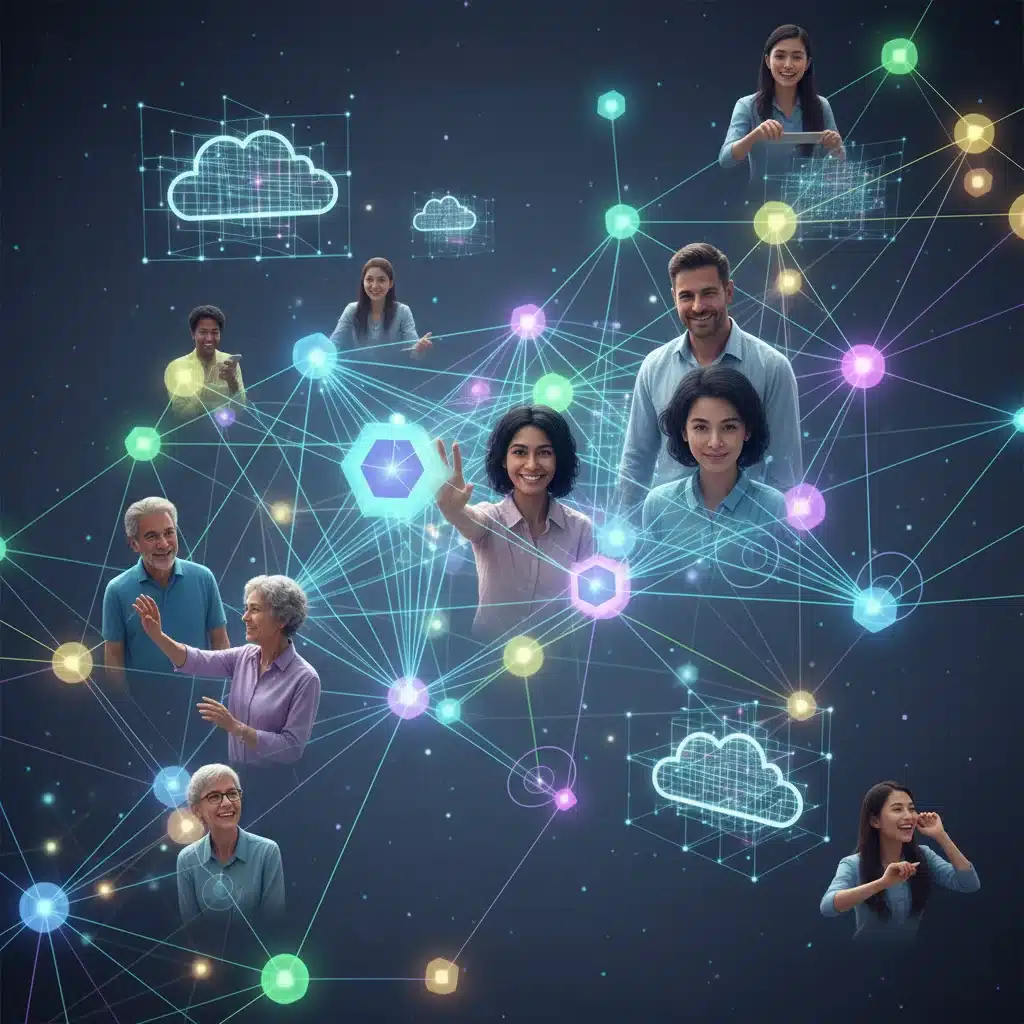
In an era dominated by digital connectivity, the landscape of social interaction is undergoing a profound transformation. For years, a handful of monolithic corporations have held sway over our online lives, dictating terms, controlling data, and shaping narratives. However, a quiet revolution is brewing, one that promises to return power to the people: the rise of decentralized social media. As we look towards 2026, it’s becoming increasingly clear that these platforms are not just a fleeting trend but a fundamental shift in how we connect, share, and consume information.
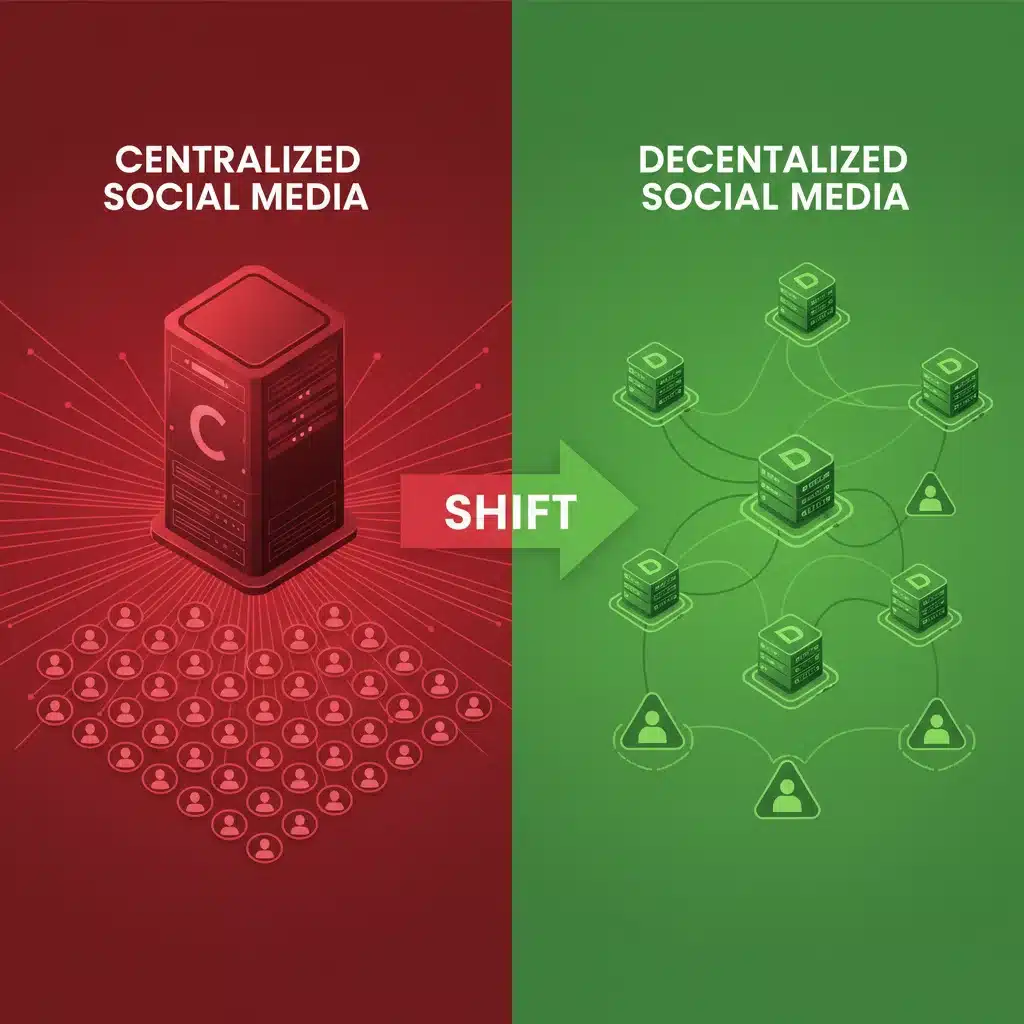
The concept of decentralized social media challenges the traditional model where a single entity owns and operates the platform. Instead, these new networks are built on distributed technologies, primarily blockchain, empowering users with greater control over their data, privacy, and content. This article will delve into the compelling reasons behind this paradigm shift, explore the core principles that define decentralized social media, and spotlight five platforms that are poised to make significant waves by 2026, fundamentally reshaping our digital interactions.
The Impetus Behind Decentralization: Why Now?
The growing disillusionment with traditional social media platforms stems from several critical issues. Data breaches, privacy concerns, algorithmic manipulation, and censorship have become commonplace, eroding user trust. Users are increasingly aware that their personal information is a commodity, often sold to advertisers without their full consent or understanding. Moreover, the centralized control wielded by these tech giants allows for arbitrary content moderation policies, leading to accusations of bias and stifling free speech.
Privacy Concerns and Data Ownership
One of the primary drivers for the shift towards decentralized social media is the escalating concern over privacy. In the traditional model, user data is stored on central servers, making it vulnerable to hacks and misuse. Companies collect vast amounts of personal information, from browsing habits to political affiliations, often without transparent explanations of how this data is used. Decentralized platforms, by their very nature, aim to put data ownership back into the hands of the individual. Using blockchain technology, user data can be encrypted and distributed across a network, making it significantly harder for any single entity to access or control it. This fundamental shift from corporate ownership to individual ownership is a powerful draw for a privacy-conscious generation.
Censorship and Algorithmic Bias
Another significant factor is the issue of censorship and algorithmic bias. Centralized platforms have the power to remove content, ban users, and manipulate what appears in our feeds through opaque algorithms. This control can lead to echo chambers, the suppression of dissenting voices, and the spread of misinformation, often without clear accountability. Decentralized social media platforms, built on open-source protocols, aim to be more transparent and resistant to censorship. Content moderation can be community-driven, based on pre-defined rules, or even managed through decentralized autonomous organizations (DAOs), offering a more democratic approach to content governance.
The Quest for Interoperability and Open Standards
Traditional social media platforms operate in walled gardens, making it difficult to transfer data or connect with users across different services. This lack of interoperability locks users into specific ecosystems. Decentralized social media, often built on open standards and protocols, aims to break down these barriers. Imagine being able to move your profile, followers, and content seamlessly between different social applications, or even use a single identity across multiple platforms. This vision of an open, interconnected social web is a core promise of decentralization.
Understanding Decentralized Social Media: The Core Principles
To truly appreciate the potential of decentralized social media, it’s essential to grasp the underlying principles that differentiate it from its centralized counterparts. These principles are not merely technical specifications but represent a philosophical shift in how we envision and interact with online communities.
Blockchain Technology as the Backbone
At the heart of most decentralized social media platforms is blockchain technology. Blockchain provides a secure, transparent, and immutable ledger for recording transactions and data. In the context of social media, this can mean recording user identities, content hashes, and even interactions in a way that is verifiable and resistant to tampering. This distributed ledger eliminates the need for a central authority to validate or store information, making the system inherently more resilient and trustless.
User Ownership and Control
A cornerstone of decentralized social media is the concept of user ownership. Unlike traditional platforms where users grant companies a license to use their content, decentralized platforms aim to give users direct ownership of their data and digital assets. This means users have more control over who sees their content, how their data is used, and can even monetize their contributions directly, bypassing intermediaries.
Censorship Resistance and Immutability
By distributing data across a network of nodes, decentralized platforms are inherently more resistant to censorship. There’s no single server to shut down or a central authority to pressure. Once content is posted to a blockchain or distributed ledger, it can be extremely difficult, if not impossible, to remove or alter, ensuring a greater degree of free expression and archival integrity.
Open-Source and Community Governance
Many decentralized social media projects are open-source, meaning their code is publicly available for scrutiny and contribution. This transparency fosters trust and allows for community-driven development. Furthermore, governance models often involve token holders or active community members voting on platform changes, content moderation policies, and future development, moving towards a more democratic and participatory ecosystem.
Top 5 Decentralized Social Media Platforms Gaining Traction in 2026
The decentralized social media space is burgeoning with innovation. While many projects are still in their nascent stages, several platforms are demonstrating significant potential and are expected to gain considerable traction by 2026. These platforms offer diverse functionalities, but all share the common goal of empowering users and fostering a more equitable digital environment.
1. Mastodon: The Federated Alternative
Mastodon isn’t strictly blockchain-based, but it embodies the spirit of decentralization through its federated architecture. It’s an open-source, self-hosted social network that allows users to create and join independent servers (instances) that can communicate with each other. Think of it as a collection of interconnected mini-Twitters, each with its own rules and community, but all part of a larger network called the Fediverse. Its appeal lies in its resistance to corporate control, its customizable nature, and its commitment to user privacy. As concerns about Twitter’s future and centralized control grow, Mastodon’s federated model offers a compelling, community-driven alternative. Its growth has been steady, and with increasing awareness, it’s poised to become a go-to for those seeking a more humane and controlled social experience.
2. Lens Protocol: Building the Future of Social on Web3
Lens Protocol is not a social media platform in itself, but rather an open-source, composable, and decentralized social graph built on the Polygon blockchain. It allows developers to create their own social media applications (dApps) that leverage a shared social graph, meaning your profile, followers, and content can be portable across various Lens-powered applications. This innovative approach aims to solve the interoperability problem inherent in traditional social media. By owning your profile as an NFT, users gain true ownership of their social identity and content. The potential for a vibrant ecosystem of diverse social applications built on Lens Protocol is immense, making it a critical player in the future of decentralized social media.
3. Farcaster: A Protocol for Open Social Networks
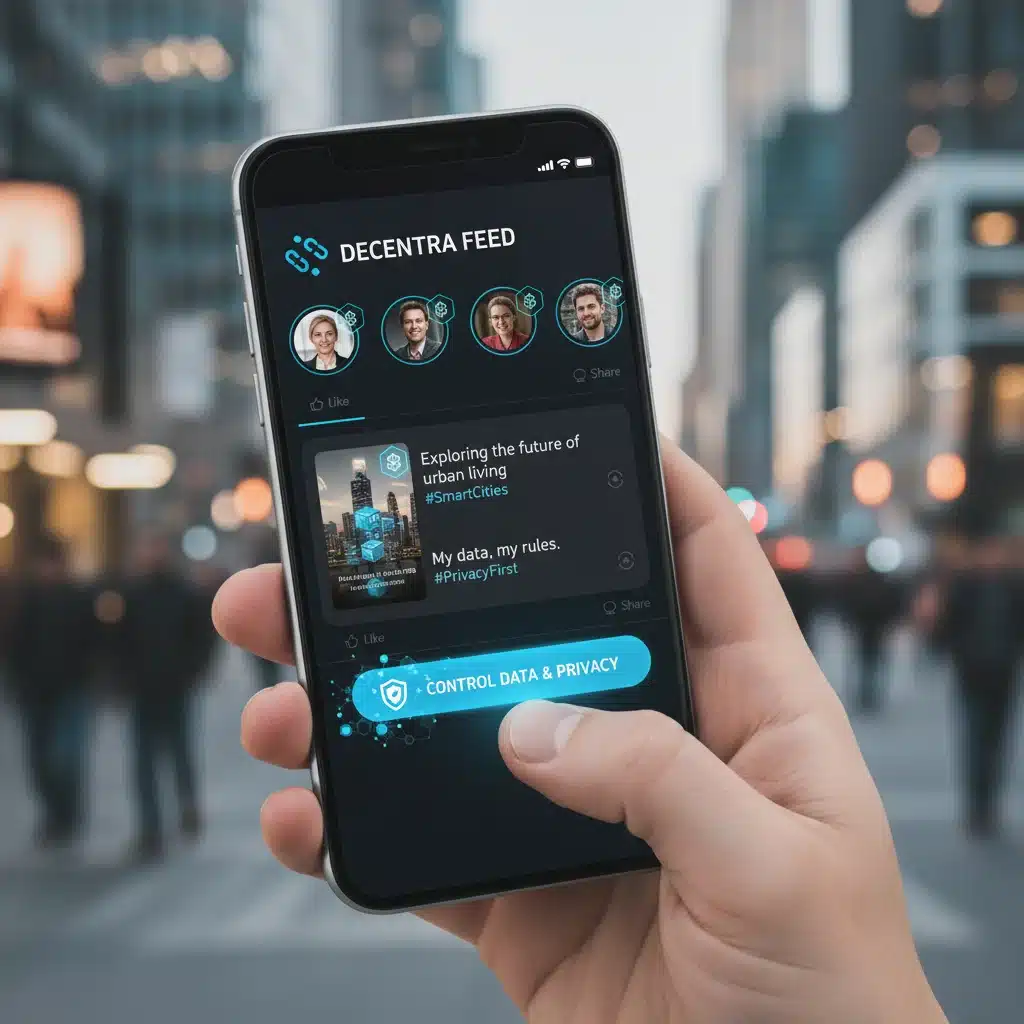
Similar to Lens Protocol, Farcaster is a decentralized social network protocol designed to be open and permissionless. It’s built on Ethereum and aims to provide a robust foundation for developers to build social applications. Farcaster distinguishes itself with its focus on user-controlled data and identity, allowing users to own their social graphs and content. It emphasizes composability, enabling different applications to interact with the same underlying data. With a strong emphasis on cryptographic identity and secure messaging, Farcaster is attracting developers who are keen to build the next generation of social experiences that prioritize user autonomy and security. Its developer-first approach and strong backing suggest significant growth potential as more applications are built on its framework.
4. DeSo (Decentralized Social): A Layer-1 Blockchain for Social Apps
DeSo, short for Decentralized Social, is a purpose-built Layer-1 blockchain specifically designed to power decentralized social applications. Instead of building on existing blockchains, DeSo has optimized its architecture for the unique demands of social media, such as storing vast amounts of content and facilitating rapid interactions. It offers features like social tipping, creator coins, and a built-in NFT marketplace, empowering creators to directly monetize their content and engage with their audience. DeSo aims to be the underlying infrastructure for a new wave of social platforms that are truly decentralized and creator-centric. Its comprehensive ecosystem and focus on scalability make it a strong contender for widespread adoption.
5. Peepeth: Microblogging on the Blockchain
Peepeth offers a decentralized microblogging experience, akin to Twitter, but built on the Ethereum blockchain. Its core value proposition is immutability and censorship resistance. Once a ‘peep’ (post) is made, it’s permanently recorded on the blockchain, meaning it cannot be deleted or altered. This makes Peepeth an attractive option for journalists, activists, and anyone who values the integrity and permanence of their online communications. While it might not have the user base of the larger platforms yet, its niche appeal to those prioritizing verifiable and uncensored communication positions it for steady growth as awareness of blockchain’s benefits for free speech increases. Peepeth represents a clear, practical application of blockchain for a specific social media function.
The Challenges and Future of Decentralized Social Media
While the promise of decentralized social media is immense, the path to widespread adoption is not without its challenges. Understanding these hurdles is crucial for assessing the long-term viability and growth trajectory of these platforms.
User Experience and Onboarding
One of the biggest obstacles is user experience. Traditional social media platforms have perfected intuitive interfaces and seamless onboarding processes. Decentralized alternatives, often built by developers with a focus on technology, can sometimes be more complex to navigate, requiring users to manage cryptographic keys, understand blockchain concepts, or interact with less polished interfaces. Simplifying the user experience and making these platforms as accessible as their centralized counterparts will be vital for mass adoption.
Scalability and Performance
Blockchain technology, while secure and transparent, can sometimes struggle with scalability and transaction speed, especially when dealing with the high volume of interactions expected on a social media platform. As these platforms grow, they will need to address these performance issues to ensure a smooth and responsive user experience. Layer-2 solutions, sharding, and other technological advancements are being actively explored and implemented to overcome these limitations.
Content Moderation in a Decentralized World
Censorship resistance is a double-edged sword. While it protects free speech, it also poses challenges for moderating harmful content, hate speech, and illegal activities. Decentralized content moderation mechanisms, often relying on community voting, reputation systems, or AI, are still evolving. Finding a balance between freedom of expression and maintaining a safe and healthy online environment will be a continuous challenge for decentralized social media platforms.
Network Effects and Adoption
Social media thrives on network effects – the more users a platform has, the more valuable it becomes. Decentralized platforms face the uphill battle of attracting a critical mass of users to compete with established giants. This requires compelling value propositions, effective marketing, and a strong community to drive initial adoption and sustain growth. The platforms highlighted above are making strides in this area, but it remains a significant hurdle.
The Impact on Creators and Monetization
The rise of decentralized social media holds particular promise for content creators. In the traditional model, creators often rely on platform algorithms for visibility and share a significant portion of their revenue with the platform. Decentralized platforms offer new paradigms for monetization and direct creator-audience relationships.
Direct Monetization and Creator Ownership
Decentralized platforms enable creators to directly monetize their content through various mechanisms, such as cryptocurrency tips, creator tokens, or NFTs. This means creators can keep a larger share of their earnings, reducing reliance on advertising revenue or platform-specific monetization schemes. By owning their content on the blockchain, creators also gain greater control over its distribution and usage.
Building Independent Communities
With greater control over their content and data, creators can build more independent and resilient communities. They are less susceptible to sudden algorithm changes that can drastically impact their reach or arbitrary platform policies that could lead to demonetization or account suspension. This fosters a more stable and predictable environment for creative work.
New Forms of Engagement and Value Exchange
The integration of blockchain and tokenomics allows for novel forms of engagement. Users can be rewarded for their contributions, curation, or even for simply participating in the network. This creates a more equitable value exchange, where users are no longer just consumers but active participants who can share in the platform’s success. This innovative approach to value distribution is a key differentiator and a powerful incentive for both creators and users.
Conclusion: A Decentralized Future for Social Interaction
The journey towards a truly decentralized social media landscape is still in its early stages, but the momentum is undeniable. Driven by a collective desire for greater privacy, data ownership, and freedom from centralized control, users and developers are increasingly flocking to these innovative platforms. By 2026, we can expect the five platforms highlighted – Mastodon, Lens Protocol, Farcaster, DeSo, and Peepeth – to have solidified their positions as significant players, each contributing to a more open, equitable, and user-centric social web.
The challenges of user experience, scalability, and content moderation are significant, but the ingenuity of the Web3 community is actively working to overcome them. As these platforms mature and become more accessible, they will not only offer alternatives to the status quo but will fundamentally redefine what social media means. The future of online interaction is shifting, and it’s becoming clear that the power is gradually returning to the hands of the people, paving the way for a more democratic and robust digital public square. The era of decentralized social media is here, and its impact will only grow in the years to come.